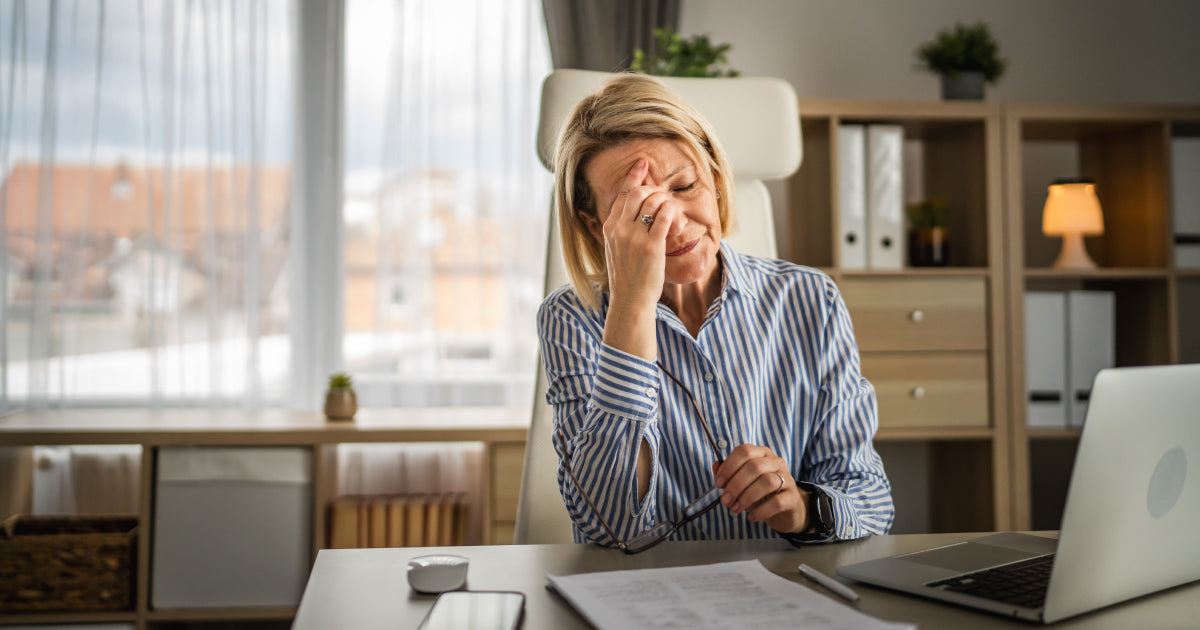



We can all agree that having menopausal hair loss can be the breaking point
Hair loss is usually only associated with men. But during times of hormonal imbalance, menopausal hair loss becomes an equally worrying problem amongst women.
And menopause is seen as the pinnacle of hormonal imbalance.
Sometimes hair loss is the first visual sign of menopause. It can be devastating as a womans hair is part of her femininity, sexuality, and individual style.
Luckily it can be treated. But first, we must understand how and why it happens
What is hair really made of?
Hair is mostly made of keratin. It is a protein which can also be found under the nails, as well as on the outer layer of the skin. The part of the hair that we can see above the scalp is actually dead tissue from the hair follicles. The part that we see is called the hair shaft.
What is considered normal hair growth?
Hair usually goes through phases of growing, resting, and falling out.
Anagen:
This is the growing phase of the hair. This lasts anywhere from 2 to 6 years. The hair continuously grows during anagen.
Telogen:
In this phase, the hair growth pauses, and eventually falls out. It takes about 3 months. It is normal to lose 50 to 100 hairs per day. The hair follicles constantly regenerate hairs to replace the ones that have fallen out. However, in cases where you lose a lot more hair than this, the hair follicles cannot regenerate enough hairs to replace all of the hair that falls out. This is very common amongst perimenopausal women.
There is a difference between natural hair loss and a hair loss problem
When is it a hair loss problem?
Hair loss can be caused by different factors. When people think of hair loss as a problem, they immediately picture male pattern baldness. You know? A receding hairline that results in a big, shiny bald spot on the top of your head. To be said with a little bit of relief, this is not usually the case for women during menopause. You are much more likely to experience an overall thinning of the hair. But here is how you can tell if you are facing a hair loss nightmare
What are the symptoms of hair loss?
Since some degree of hair loss is normal, it may be difficult to know when you should be concerned. Here are some of the most commons symptoms of hair loss during menopause:
- Your hair falls out in large clumps when you wash it.
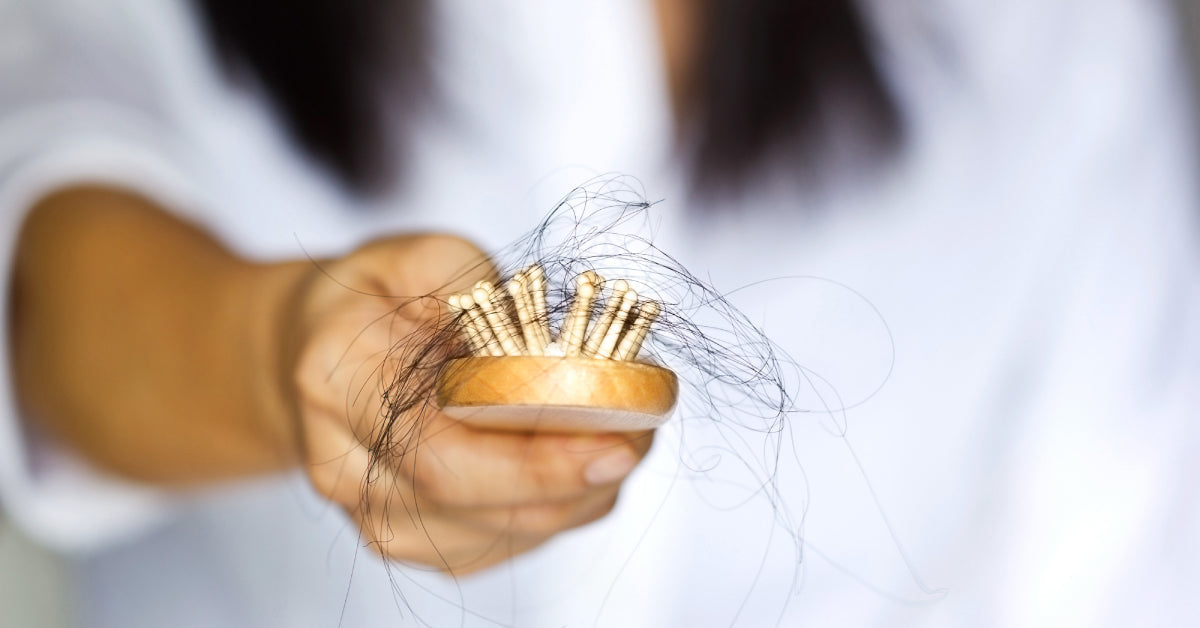
- Big bunches of hair staying behind on your hairbrush.
- Small bald patches appearing on your scalp.
- Red, oily, or itchy scalp.
- Clearly thinning hair on the front, sides, or top of your head.
The main cause of menopausal hair loss:
In just about every case of menopausal hair loss, the root of the problem can be traced back to fluctuating hormone levels. Particularly the decrease of estrogen in the body
How do hormones affect your hair loss?
Along with the decrease in estrogen levels, you might also notice a rise in testosterone levels. This is not good, as this is the male hormone. Testosterone promotes the loss of hair on your head, and at the same time causes you to grow more hair on other parts of your body. Estrogen is important as it helps your hair grow faster, and makes it stay on your head longer. It also promotes healthy, thick hair. Testosterone falls into a group of male hormones called androgens. When androgens levels increase, it causes a womans hair to go into the telogen phase which is the resting phase. And as we saw earlier, this eventually leads to the hair falling out. It also makes the hair grow back thinner and weaker, along with an increased amount of facial hair.
What can I do to stop hair loss?
Unfortunately, there are many hair loss treatments that do not work. This is because these treatments only target the symptom and not the actual cause of hair loss. Since the root cause of hair loss is hormonal imbalance, does it not make sense to rather treat your hormone levels?
How are hormone imbalances treated?
It used to be common practice to use hormone replacement therapy to treat hormone imbalances. Unfortunately, hormone replacement therapy has been linked to blood clots, stroke, and other serious health problems. It is, therefore, a better and safer bet to use lifestyle changes and natural treatments as an alternative
-
Lifestyle changes towards better hair growth:
It is best to start with healthy lifestyle changes as this has little- to low-risk. In fact, it has countless benefits to your overall health. Here are some pointers for starting healthy lifestyle changes
-
Follow a balanced diet
Vitamin D deficiency, insufficient iron or protein intake, or an extreme diet of any kind can cause hair to fall out.
-
Reduce caffeine and alcohol consumption
Caffeine and alcohol consumed in moderate- to high amounts can fuel your hair loss.
-
Exercise regularly
Ensure that you get at least 30-45 minutes of exercise 4 times a week. Combine cardio training with light weight-training in order to maintain overall fitness and muscle health.
-
Reduce stress
Some stress cannot be avoided. Thus you need a way to help you cope with stress. Try deep breathing exercises or a relaxing hobby.
-
Take better care of your hair
Dont twist or play with your hair. These and other habits may cause your hair to become weaker without you even realising it. Take note that these lifestyle changes are only to prevent further hair loss. They do not address the cause of hair loss at the root. To do this you have to rebalance your hormonal imbalances. Heres how you do that in a safe and natural way
Natural Remedies for Hair Loss
The most common natural treatments for hair loss are scalp massages and herbal remedies.
-
Scalp massage
A good place to start is a scalp massage. It can help stimulate the hair follicles and regenerate hair growth.
-
Herbal remedies
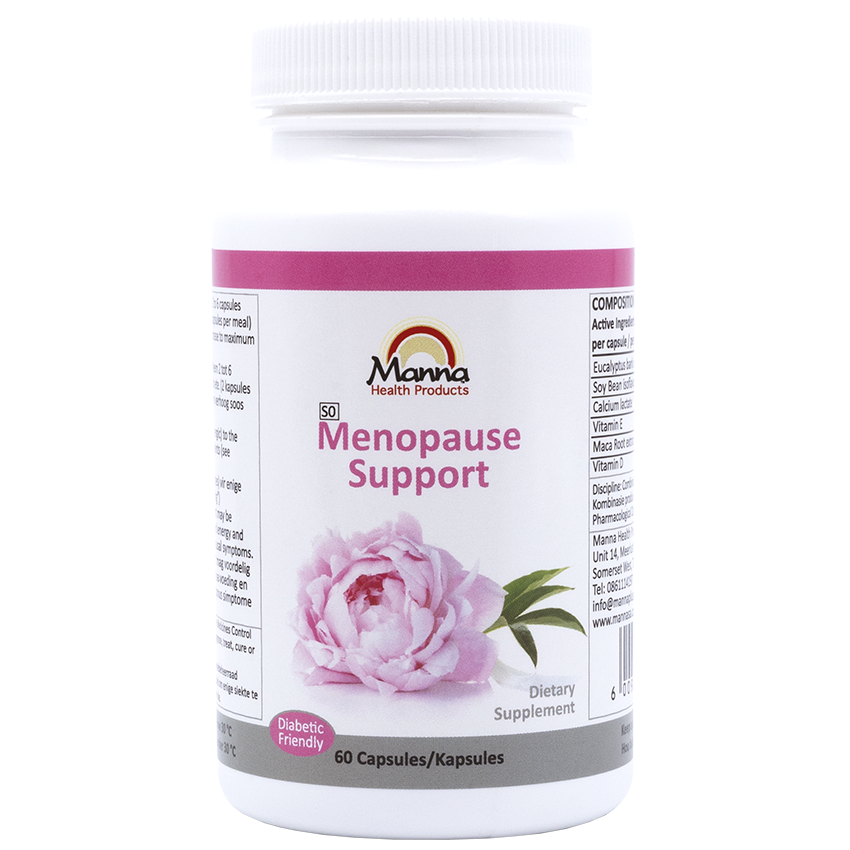
Boost your estrogen levels the natural way with the Manna Menopause Support supplement. It acts as a type of natural estrogen supplement by making use of phyto-estrogens, which are plant-based estrogens. It helps you to treat the problem at its root cause, and in doing so, reduce the symptoms.
The Manna Menopause Support supplement is a completely natural supplement that helps your body to increase estrogen levels the natural way without any side effects.
Manna Menopause Support helps to
-
-
- Relief hot flushes, leaving you feeling less sweaty
- Balance mood fluctuation
- Increase energy levels, helping you get through the day easier
- Increase Libido
- Reverse vaginal dryness
- Deeper Sleep
- Improve memory and brain function
- Helps to manage stress
- Help increase stamina
- Helps reduce osteoporosis
-