















11 Signs Of Out Of Control Blood Sugar
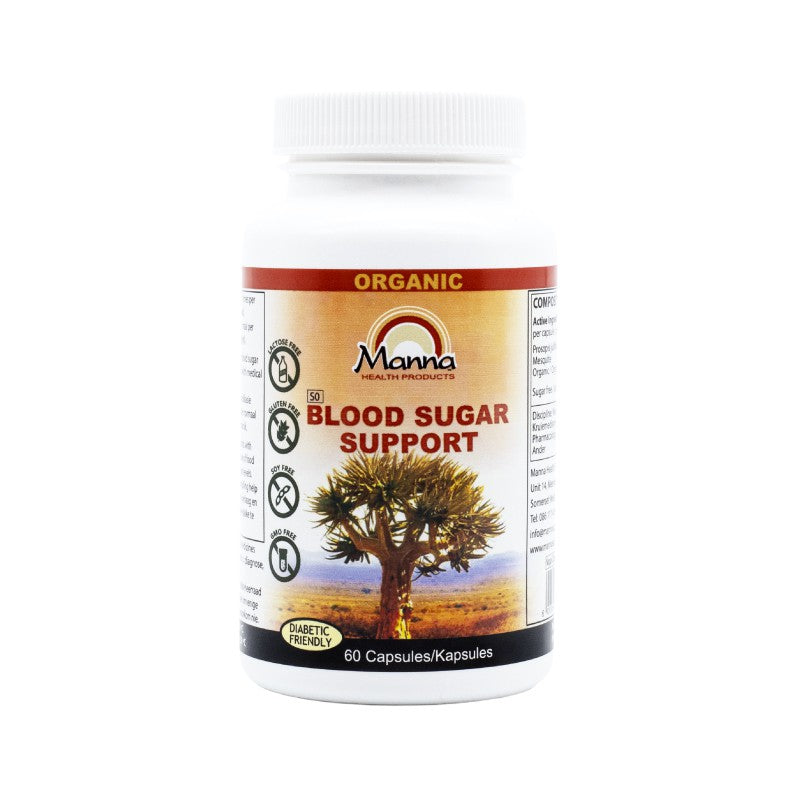
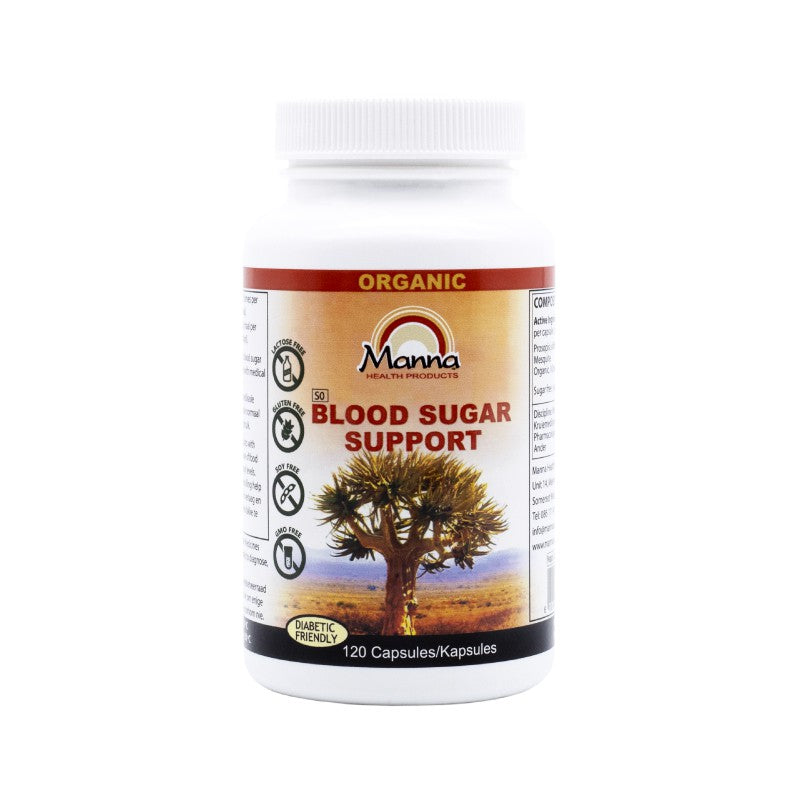
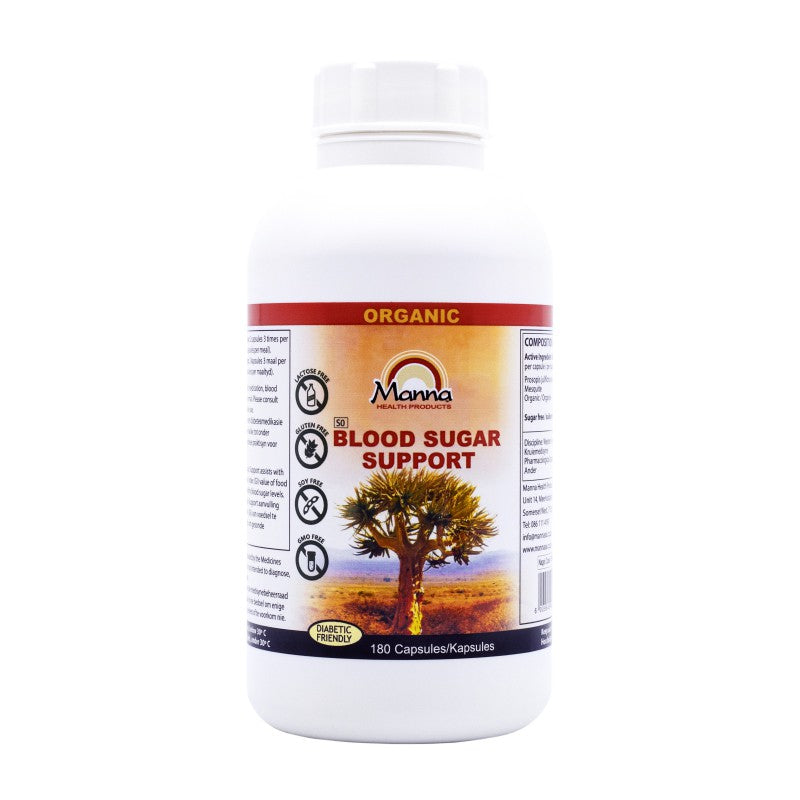
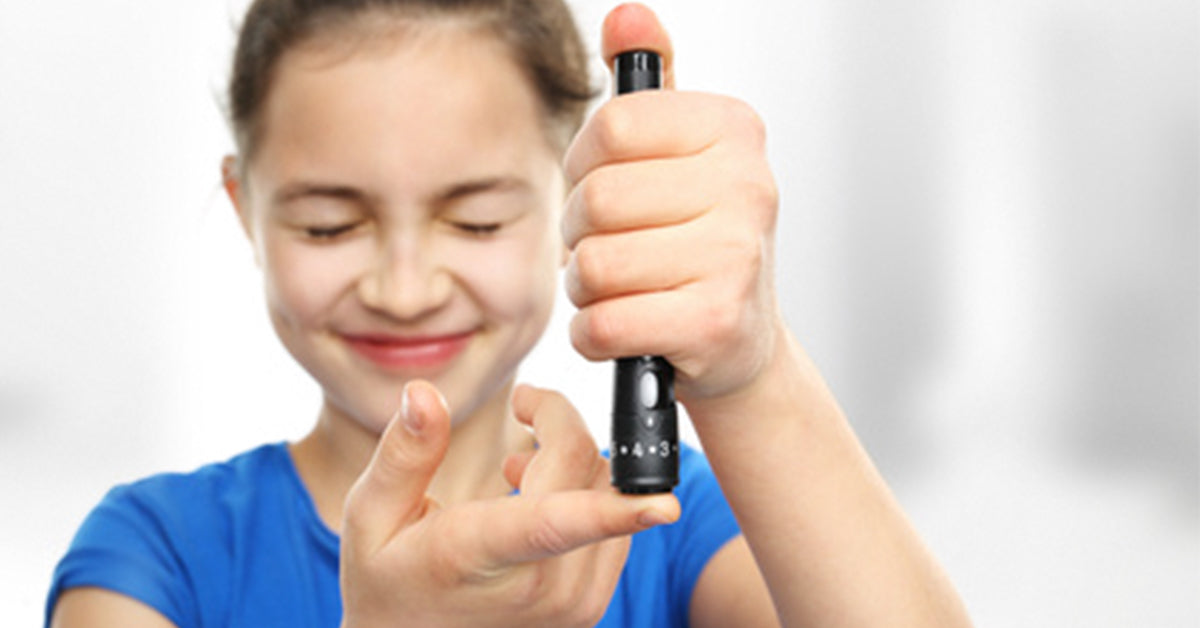
Your head is spinning. You feel tired all day. Your hands are numb. What’s going on with your blood sugar? And what can you do about it? Many times we don’t even realize that our blood sugar levels aren’t where they’re supposed to be. Here are 11 signs of out of control blood sugar that you need to do something about… You don’t actually know what your blood sugar levels are. This is especially relevant for people with type 2 diabetes. You might be trying to keep your blood sugar levels under control with diet, exercise, and medicine. But unless you check your blood sugar level every day with a meter, you won’t really know what is happening. You’re always thirsty and need to run to the loo constantly. An unquenchable thirst and constant trips to the loo can be a clear sign that your blood sugar levels are out of whack. Your kidneys work harder to filter out all the sugar in the blood, and at the same time, they pull more fluids from your tissues. This is why you have to go to the bathroom more often. The thirsty feeling you are having is your body telling you to replace the fluids it is losing. If you don’t do something about it, you can become dehydrated. You’re constantly tired – No, fatigued. Fatigue is more than just feeling tired. It is feeling completely drained of all your energy and then on top of that feeling sleepy and tired. This happens because the sugar is not staying in your bloodstream, but rather being redirected into your body’s cells. Your muscles then do not get enough fuel to use for energy. This often happens after a large meal. Your head is spinning round and round. Feeling dizzy and shaky is one of the most recognized symptoms of low blood sugar. Your brain needs some sugar to function properly. If your sugar drops to the point where you become dizzy, it can be very dangerous and even life-threatening. A short-term fix is to have a small sugary snack to give your blood sugar levels a quick boost, but this is far from ideal for a long-term solution to the problem. Swollen hands and feet. High blood sugar, as well as high blood pressure, can cause damage to the kidneys. The kidneys then cannot filter waste the way it should. Water then builds up in the body, and this may cause swelling in your hands and feet. Lowering your blood sugar and blood pressure levels can help prevent or treat this problem by restoring the kidney’s ability to filter waste properly. Numbness and tingling in the limbs. This numbness or tingling is caused by damage to the nerves. This usually happens when blood sugar levels are elevated for a prolonged period of time. This can make your hands and feet feel like they are constantly “asleep”, and you might have difficulty feeling pain or changes in temperature. People struggling with this problem may often not realize that they have done up a cut or an injury, which can lead to the wound becoming infected. On the other hand, they may also become oversensitive to pain and bruises. Stomach trouble and digestive issues. Continuing on the subject of nerve damage – high blood sugar levels may also cause damage to the nerves that help empty your stomach. This means that your digestive tract cannot perform to its full potential and food cannot move through as smoothly as it should. When your stomach can’t empty as quickly as it should, it can result in a condition called gastroparesis. This can lead to digestive issues like constipation, incontinence, and diarrhoea. It can also cause difficulty swallowing and eating. This may make it more difficult to keep your blood sugar levels under control. You experience problems with your sight. Once again, nerve damage can occur in your eyes due to constant high blood sugar levels. It can affect the actual structures of your eyes, as well as your vision. A common diabetic eye-sight problem that develops is called diabetic retinopathy. This is when the blood vessels in the eye get damaged. It is the leading cause of blindness in adults. Blurred vision, spots, lines, or flashing lights are signs that it’s time to get your eyes checked and your blood sugar balanced. Unexplained weight loss. One of the best ways to control your blood sugar is to lose unwanted kilograms. However, if it is happening very quickly without you even trying, it is actually a massive problem. This could indicate that your blood sugar is very high. All the sugar in your body is being flushed out via the urine. Constant infections. Frequent or recurring infections may be a tell-tale sign of diabetes and high blood sugar. You can often experience problems like gum disease, urinary tract infections, bacterial or fungal infections of the skin, or yeast infections. More serious infections might include pneumonia and respiratory infections, kidney and gallbladder infections, and severe bacterial middle ear and fungal sinus infections. Cuts and bruises that just won’t heal. When your blood sugar is out of control, you might notice that you have cuts and bruises that seem to take forever to heal. If not treated properly, these may result in infections. This is why it is important for people with high blood sugar levels to tend to their cuts and wounds with utter care – no matter how small they are. How can you take control of your blood sugar? With positive lifestyle changes, the right diet, and a good exercise plan these problems can all be treated. This is because making healthy lifestyle choices can help you get the root of the problem under control. As soon as your blood sugar levels are balanced, the symptoms will start to sort out themselves over time. For Healthy Blood Sugar levels we recommend: Manna Blood Sugar Support A natural way to support healthy blood sugar levels Manna Blood Sugar Support is the only organic supplement for blood sugar support, which can be used in conjunction with any other medication. Controlling blood sugar levels can help to prevent diabetic-related ailments, stop, or reverse Insulin Resistance and improve healthy weight loss. Blood Sugar Support Ingredients The Manna Blood Sugar Support’s main ingredient is a unique blend of flour from the pods of the Prosopis tree, which grows in the harsh, arid Northern Cape Province. The special combination of essential sugars, dietary fiber, minerals, and protein is what causes this product to be superior to any other blood sugar support product on the market. How Does It Work? When taken with food, the supplement gels with the food in the stomach to reduce the slow down rate at which glucose from the food is released into the bloodstream. In other words, the product helps to reduce the glycemic index of the food and drink you consume by up to 43%. Thus, in short – it helps to slow release energy. Benefits of Manna Blood Sugar Support Helps to maintain even blood sugar levels Keep you more satisfied after a meal, which means that the same meal can take you much further and cause you to eat less, which can help with natural weight loss. Helps to Lower High Insulin Levels Helps to control cravings Helping to keep energy levels constant Even blood sugar levels can help to prevent diabetic health complications Helps to Lower High Blood Pressure Who Can Use Manna Blood Sugar Support? Type 2 Diabetics This product can successfully help to maintain even blood sugar levels. Normal blood sugar levels can prevent diabetic health complications making it one of the best diabetic supplements. Those seeking to lose weight Consuming too many calories is the major cause of overweight. Unbalanced blood glucose levels are the single most important factor for over eating. By eating the wrong types of food, blood glucose levels rise too quickly and drop just as fast, causing you to be hungry again. Food cravings are related to unbalanced blood glucose levels. Stable blood glucose levels can help to control food cravings and suppress appetite, causing you to eat less. PCOS Sufferers Polycystic ovary syndrome and syndrome X are frequently found together, which makes it important to understand this common problem. Because PCOS is now recognized as a risk factor for developing diabetes, it is recommended that women with the disease be routinely screened so that syndrome X can be found early, and treatment can be initiated earlier. This product can help to maintain even blood glucose levels. People with High Cholesterol High blood sugar is a risk factor for high LDL cholesterol and low HDL cholesterol levels, according to the Mayo Clinic. Diabetes raises your risk of bad cholesterol readings, especially when the disease is uncontrolled and your blood sugar is habitually high. High glucose levels in the blood also damage your artery linings. Even blood sugar levels are very important to prevent high cholesterol. Those suffering from Low Blood Sugar Low Blood Sugar (hypoglycemia) can happen for several reasons, including diet, some medications and conditions, and exercise. Keeping your blood glucose levels stable with this supplement can help to prevent a sharp drop in blood glucose levels. Those with ADHD A child can concentrate and behave better at school, and an adult can make it through that long morning meeting with stable blood glucose levels. Low GI foods (protein and complex carbohydrates) are the ideal food for a person with ADHD. Therefore, the Manna Blood Sugar Support supplement is the ideal supplement, because it helps to maintain even blood sugar levels. Pregnant / Breastfeeding Women Pregnant and breast feeding women with diabetes cannot take medication to control their blood sugar levels. The Manna Blood Sugar Support supplement is one of the few natural products which is 100% safe and beneficial for mother and child during pregnancy and while breast feeding.