by Antoni Hubert van Beusekom
Cold Hands, Tired Legs, Brain Fog - It's All Connected
Feeling tired, sluggish, or always cold? Learn how healthy blood flow supports oxygen delivery, daily energy, and circulation with Manna Blood Circulation Support.
Effective Solutions for Common Health Issues
Discover the Power of All Natural Health Supplements for Blood Circulation Management.
Filters
Clear all
by Antoni Hubert van Beusekom
Cold Hands, Tired Legs, Brain Fog - It's All Connected
Feeling tired, sluggish, or always cold? Learn how healthy blood flow supports oxygen delivery, daily energy, and circulation with Manna Blood Circulation Support.
by Antoni Hubert van Beusekom
Cold Hands? Cold Feet? Your Circulation Might Be At Fault!
Do you find that your hands and feet are ice cold all winter long? Even when you wear warm socks and slippers, are your feet still like ice blocks? While chilly weather definitely plays a role, persistent cold hands and feet are often signs of poor blood circulation. When your blood is not flowing properly, it becomes harder for your body to regulate temperature, especially in your extremities. You might also notice numbness, tingling, or a “pins and needles” sensation. All of these can point to underlying circulation issues. The good news is that supporting your blood flow naturally can help you warm up and feel more comfortable all year round. What Causes Cold Hands and Feet? Cold hands and feet are more than just a reaction to the weather. In many cases, they’re your body’s way of signalling poor blood circulation. When blood flow is restricted or sluggish, it becomes difficult for warm, oxygen-rich blood to reach your extremities. This can leave your hands and feet feeling cold, numb, or even painful. Several factors can lead to reduced circulation: An inactive lifestyle or lack of movement Smoking or exposure to toxins High cholesterol or clogged arteries Stress and poor circulation to the skin surface Certain health conditions like diabetes or Raynaud’s disease Identifying the root cause is key to finding long-term relief. Fortunately, there are natural ways to support and improve your body’s blood flow. Common Signs of Poor Circulation Poor circulation doesn't just show up as cold hands and feet. It can affect many areas of your body and overall well-being. Here are some of the most common signs to look out for: Cold hands and feet, even in warm environments Numbness or tingling in your fingers, toes, or limbs Swelling in the lower legs, ankles, or feet Fatigue or low energy, especially during activity Slow wound healing, particularly in the extremities Muscle cramps or pain during movement or at rest Discolouration in your hands, feet, or nails (pale or bluish skin) A red colouration on the sides of your feet leading to your pinky toe. If you notice one or more of these symptoms regularly, your circulation may not be functioning as it should. The good news is that lifestyle changes and a good supplement can make a real difference. How to Improve Blood Circulation Naturally You don’t need to rely on medications to support healthy blood flow. Simple lifestyle changes, combined with natural remedies, can go a long way in improving circulation and overall comfort. Here are a few effective strategies: Get regular exercise, even light movement like walking, to keep blood flowing Stay hydrated to help your blood maintain the right viscosity Eat a balanced diet rich in leafy greens, berries, garlic, and omega-3s Avoid sitting for long periods without moving your legs or feet Manage stress through deep breathing, mindfulness, or gentle stretching Reduce or quit smoking to prevent damage to blood vessels Keep your body warm with layers, especially in cold weather Use Manna Blood Circulation Support Support Your Circulation Naturally Starting Today You don’t have to live with cold hands, cold feet, and poor circulation. With the right support, your body can get back to doing what it’s meant to do: keeping you warm, energized, and feeling your best. Manna Blood Circulation Support can bring the warmth back into your life.
by Freda Coetzee
4 Keys to a Heart-Healthy Braai Day
For South Africans, the braai is a part of our heritage and a social gathering event that has been bringing friends and families together for as far back as we can remember. Whilst it may be delicious, it’s not always the healthiest option… A steak or lamb chop on its own might not be the worst thing for your diet but that’s not where the braai stops. It’s often how you prepare your meat and what you eat alongside your protein that causes the problems (We won’t even mention the beer and brandy part of the braai). Unfortunately, there is quite a lot of evidence that proves that eating processed meats like sausages and cheese grillers can increase your risk of heart disease. Here are the 4 things that you need to know in order to make sure that you can celebrate national braai day in a healthy, care-free way. Healthy Meat Options this Braai Day Lean meats: Good heart-healthy meats include chicken breast or fillet, pork, beef, or lamb with not too much fat. Braai over medium-hot coals to keep it juicy and tasty – don’t overcook them. Always trim off the fat: Yes, I know that you might feel that a steak, chops, and of course pork chops aren’t complete without the nicely grilled piece of fat but the truth is that it is often the most unhealthy part of the meat. Read the label: Especially when buying processed sausage like boerewors. These often contain excess fat, salt and preservatives. Make the best choice and enjoy moderate portions. Fish: It is one of the best options when it comes to lean protein. Braai it as a delicious and healthy alternative to meat. Healthy Braai Day Marinades A marinade is an excellent way to enhance the flavour and the texture of your meat. Be careful of store-bought marinades, as they may often contain high levels of salt, sugar and chemical preservatives in order to increase their shelf-lives. This makes them unhealthy and some of them may actually draw the natural juices out of the meat. There are hundreds of recipes for fresh, home-made marinades out there (thank you Google) or you can embrace a tradition as old as the braai itself – create your own. Seasoning Try and keep your seasoning as fresh as possible. There are many spices on the store shelves that contain preservatives and chemicals. Go with natural seasoning like dried or fresh herbs, salt-free spices like coriander or cumin, mustard or mustard seeds, lemon juice and/or black pepper. Try the Manna Mix: Start with 7.5ml each of ground coriander, paprika and dried rosemary. Add 15ml of dried thyme and 15ml organum. Put in 5 ml ground cumin into the mix. Stir in a dash of olive oil. Add a squeeze of lemon juice. Rub onto meat or chicken. Healthy Braai Side Dishes – The final and most Important Ingredient Your meal might be pretty healthy until you add your sides. We generally go for sides like starches that are high in refined carbohydrates and are not the best for your heart health. Here are some tips on selecting your sides… Healthy Sides – Some peppers, onions, and pretty much any other type of veggie that you would usually roast in the oven is great for grilling – add them to your braai. Wrap them up in some tinfoil with a little bit if fresh farm butter or olive oil, and put them directly into the coals while your meat is on the fire. Alternatively, you can try your hand at some veggie kebabs. A side salad or fruit salad is always a winner in the summertime. Whatever you decide on, always make sure that at least half of your plate is fruits or vegetables. Not-so-healthy sides – Stay away from high-carb starches like potato salad, potato bake, garlic bread and pasta salad. You can still enjoy your braai, but making the right choices can help you to prevent unhealthy weight gain this summmer.
by Freda Coetzee
How to Manage High Blood Pressure Naturally
High blood pressure is becoming a very commonly diagnosed health issue. But just how worried should we be about it? First off, let’s just get to grips with what high blood pressure, also called hypertension, is all about. Then how to manage high blood pressure naturally… What is hypertension? To simplify it, blood pressure is the force of blood pushing against the arterial walls. When this force becomes too high, the heart has to work much harder to fulfil its duties. This state of high blood pressure is known as “hypertension”. It can lead to various health issues; some of the most common include stroke, heart disease, and kidney disease. Normal blood pressure levels usually fall under 120/80, whilst any higher than this could be an indication of developing hypertension. Symptoms of Hypertension Often the symptoms are not visible from the outside, and many people do not realise they have hypertension. This is why it is often called the silent killer. If it is not treated, it can cause complications with internal organs like the lungs, kidneys, brain, blood vessels, and of course the heart. When it becomes dangerous It is said to be a case of high blood pressure if your average readings indicate a blood pressure level of 140/90 and upwards. If you reach levels higher than 180/110, then you are staring a hypertensive crisis in the eyes! This is when you are in severe danger of having a stroke or a heart attack. When should I check it out High blood pressure is usually found in people 40 and upwards, but that does not mean you get a free pass if you are younger. You should go for regular checkups, at least twice per year. There are some commonly known factors that increase blood pressure, and if not managed correctly may well lead to hypertension. Some of the biggest role players include: Sodium Sodium is found in salt and most salty things, and by making the body retain water, it increases your blood pressure. The recommended daily allowance for sodium is less than 1500mg. Stress It is often the case that stress causes quick spikes in blood pressure levels, but there is no sustainable evidence that it is the cause of hypertension. However, stress might be the cause for other contributing factors like smoking or drinking alcohol. Weight Being overweight plays a big role in blood pressure levels, as it can put severe strain on your heart. That is why it is important to have a diet that helps you control your calories, and preferably cuts out some sugar and carbs. The Manna Diet is an excellent example of the type of eating-lifestyle you should follow. Alcohol Alcohol is definitely not the right thing to grab when you are feeling stressed, as it also increases blood pressure levels. Limit your alcohol intake to only one or two drinks per evening out. Caffeine One or two cups of coffee throughout the day is fine, but don’t overdo it as caffeine is also known to raise blood pressure levels. Pregnancy A specific type of hypertension known as gestational hypertension often takes place in the second half of a woman’s pregnancy. This should be monitored and prevented if possible, otherwise treated as soon as possible as it can be dangerous to the mother as well as the baby. Medicine Flu medicine, steroids, diet pills, pain killers, birth control, and antidepressants are all examples of medicine that often leads to high blood pressure. Be very careful in choosing medication, or better yet, use natural medicine. How can we treat and manage high blood pressure? Relaxation Deep breathing exercises, stretching, and meditation – all these may help you relax. But sometimes it is as simple as sitting in the garden, reading a good book and having a cold glass of iced tea. Or even just a nice long walk on the beach! Exercise It is recommended that you get about 20–30 minutes of exercise per day, but it does not mean you have to join a gym. The key to good exercise is enjoying it. If you enjoy the gym, then go for it. But if you’re not into all the mirrors and treadmills, a power-walk, weekend hike, or even gardening counts! For the best results, try to include some weight training. If you’re not going to the gym, consider investing in dumbbells that suit you. Diet You may be able to lower your blood pressure by switching to a better diet. The Manna Diet involves cutting all sugars and starches, and increasing your intake of fats, meats, salads and vegetables, fish, poultry and nuts. Cutting out coffee and drinking more water is also a great idea. Manna Blood Circulation Support The Manna Blood Circulation Support is specially formulated to help improve blood flow and stabilize blood pressure in the most natural way, WITHOUT any negative side effects. How does it do this? Manna Blood Circulation Support is made from a combination of ingredients that work together to give the best blood circulation boost possible. Let’s see what each of the ingredients do… Ginkgo Biloba Extract Helps improve blood circulation, helping your brain, eyes, and legs function better. L-Arganine Helps lower your blood pressure by relaxing and opening your arteries. L-Citrulline Boosts nitric oxide production in the body. Nitric oxide helps your arteries relax and work better, which improves blood flow throughout your body. Guarana An ingredient containing caffeine which stimulates the circulation of blood.

by Freda Coetzee
Foods That Increase Blood Circulation
10 star foods that will better your blood flow Circulation in the human body occurs in the cardiovascular system or as it is more commonly known, the circulatory system. The cardiovascular system is made up of the heart and blood vessels. It works to transport oxygen and nutrients to all organs and tissues in the body. It is also responsible for the removal of carbon dioxide and waste products in the body. The circulatory system is made up of the following parts: Heart The heart is a muscular organ that pumps oxygen-rich blood throughout the body via the blood vessels. Arteries The arteries are thick-walled blood vessels that carry oxygenated blood from the heart. Veins Veins are blood vessels that transport deoxygenated blood back to the heart. Capillaries The capillaries are small blood vessels that aid in the exchange of oxygen, nutrients, and waste between the circulatory system and the body’s organs and tissues. If there is an impairment in any area of the circulatory system, the following symptoms may be experienced: Numbness and swelling in your legs and arms. Swelling in your feet, ankles, and legs. Memory loss. Difficulty concentrating. Fatigue. Muscle Cramping. Aching, heaviness, and restlessness in your legs. Leg ulcers. Varicose veins. Now that we have a better idea of what the circulatory system is and just how large a role it plays in the body, you will grasp just how important it is to take care of it. To take proper care of blood flow circulation, you must eat the right food. The top foods which help increase blood flow and circulation 1. Garlic Garlic is well known for its beneficial impact on circulatory and cardiac (heart) health. It is also associated with better immunity. The sulfur compounds found in garlic are known to cause vasodilatation which brings about increased blood flow in the body’s tissues. Due to the increased blood flow, the heart’s workload is decreased, which aids in keeping the body’s blood pressure down. 2. Cayenne pepper (Capsaicin) Cayenne pepper gets its spicy flavor from capsaicin. Capsaicin promotes blood flow to the body’s tissues by lowering blood pressure and stimulating the release of vasodilators – which are compounds that aid in the expansion of the blood vessels. It also aids in the prevention of plaque buildup in the arteries. 3. Turmeric Turmeric is responsible for an increase in blood flow by increasing the dilatation of blood vessels and improving circulation. Curcumin, which is a compound found in turmeric, helps in the increased production of nitric acid which, in turn, reduces oxidative stress, and decreases inflammation. 4. Pomegranates Pomegranates are made up of tiny red seeds. The tiny juicy seeds are packed with nutrients like polyphenol antioxidants and nitrates, which are potent vasodilators, therefore they help to improve blood flow and the oxygenation of muscle tissues. 5. Onions Onions are an excellent source of flavonoid antioxidants, which benefits the heart, as they help improve circulation by aiding the blood vessels to widen when blood flow is increased. Onions also have anti-inflammatory properties which combined with flavonoid antioxidants can also be linked to a reduction in inflammation in both the arteries and veins. 6. Cinnamon Cinnamon has many health benefits one of which is increased blood flow. Studies have shown that cinnamon aids in blood vessel dilation as well as improved blood flow in the coronary artery, which is responsible for supplying oxygenated blood to the heart. It can also relax the blood vessels which aids in a reduction in blood pressure. This in turn improves circulation and heart health. 7. Fatty Fish Fatty fish such as salmon and mackerel are excellent sources of omega-3 fatty acids. Omega-3 fatty acids help promote circulation, as they promote the release of nitric oxide, which aids in the dilation of blood vessels and in increasing blood flow. Eating fatty fish has also been shown to lower your resting blood pressure as it can help keep your arteries clear and unclogged. 8. Beets Beets are rich in nitrates, which the body converts to nitric oxide. Nitric oxide relaxes blood vessels and increases blood flow to muscle tissue. It has also been found that beet juice can lower your systolic blood pressure. 9. Spinach Leafy greens such as spinach are high in nitrates, which as previously mentioned, the body converts to nitric oxide, which is a potent vasodilator. Eating nitrate-rich foods may aid in improving circulation by dilating the blood vessels and allowing the blood to flow more easily. Studies have also shown that a diet rich in spinach helps keep the arteries flexible and aids in lowering blood pressure. 10. Citrus Fruit Citrus fruits such as oranges, grapefruit, and clementines are loaded with antioxidants, including flavonoids. Including flavonoid-rich citrus fruits in your diet may decrease inflammation in your body, which in turn can reduce blood pressure and stiffness in arteries while improving blood flow and nitrate oxide production. It has also been reported that the intake of citrus fruits can prevent blood clot formation. Takeaway Eating the right foods can improve your blood circulation significantly. There is a myriad of food you can enjoy that will better your blood flow.
by Freda Coetzee
Using Fish Oil for Poor Blood Circulation
Poor blood circulation Poor blood circulation can cause you to feel cold, numb, or sore all over the body especially your arms, hands, legs, and feet. Studies suggest that fish oil might have several health benefits, including the potential for increasing your blood circulation. What causes poor blood circulation? Poor blood circulation may be caused by one of various health issues, including: diabetes, peripheral artery disease, atherosclerosis, and high cholesterol. Why Fish Oil? Fish oil like omega-3 fatty acids can help manage poor blood circulation, especially in the cases of high cholesterol and atherosclerosis. This is because in these cases there is a build-up of plaque and triglycerides in the arteries, and fish oil can help break away these build-ups and get the blood flowing more freely again. The Benefits of Fish Oil Fish oil contains eicosapentaenoic acid (EPA) and or docosahexaenoic acid (DHA). Research suggest that EPA and DHA can help reduce triglycerides in the bloodstream, which can minimize the chance of plaque buildup on the artery walls. The Manna Omega - 3 Salmon Oil is one of the best fish oils on the market. Use it every day as part of your diet. We also recommend the Manna Blood Circulation Support supplement, because the active ingredients in the product convert to nitric oxide which helps to widen the arteries for better blood flow.
by Antoni Hubert van Beusekom
How to Treat Poor Blood Circulation
Good blood circulation is not just important. It is vital. Your body relies on healthy blood flow to carry oxygen and nutrients to every cell. When circulation slows down, you may feel tired, cold, or uncomfortable. Poor circulation often builds slowly. Many people ignore the early signs. Over time, it can affect your energy, comfort, and daily life. The good news is that you can take simple steps to improve it. Why Treating Poor Circulation Matters Your heart works hard to pump blood through your body. When blood cannot move easily, your cells do not get what they need. This can lead to low energy, slow recovery, and poor overall function. Healthy circulation helps: Deliver oxygen and nutrients Remove waste from your cells Support brain and muscle function The good news is that improving your circulation does not have to be complicated. Small daily changes can make a real difference. Signs Your Circulation May Need Support Many people do not realise their circulation is poor until symptoms get worse. Look out for: Cold hands and feet Tingling or numbness Feeling tired often Slow healing Muscle cramps or discomfort If you notice these signs often, your circulation may need support. 4 Simple Ways to Treat Poor Blood Circulation 1. Avoid Saturated Fats and Excess Sugar Foods high in saturated fats and bad cholesterol can build up in your arteries. This makes it harder for blood to flow. Too much sugar and refined carbs can also make things worse by affecting your blood vessels. Try to limit: Sugary foods Refined carbs like white bread, pasta, and baked goods Instead, focus on healthier fats like olive oil, nuts, seeds, and omega 3 sources. These help support better blood flow and heart health. 2. Move Your Body Daily Exercise is one of the best ways to improve circulation. Movement helps push blood through your body more efficiently. Aim for about 30 minutes of moderate exercise, at least 5 days a week. Even simple movement like walking can help. Regular movement can: Support heart health Improve blood flow Help manage weight Reduce stiffness 3. Eat More Fibre-Rich Foods Fibre helps support healthy circulation and overall health. It also helps manage cholesterol levels, which plays a role in blood flow. Add more of these to your diet: Whole grains Fruits Vegetables Legumes These foods support your body from the inside and help keep your blood vessels working well. 4. Stay Hydrated Water plays a key role in circulation. When you are dehydrated, your blood can become thicker. This makes it harder for your heart to pump it around your body. Try to drink water throughout the day. This helps keep your blood moving smoothly. 5. Support Your Circulation From Within Lifestyle changes are important, but sometimes your body needs extra support. Manna Blood Circulation Support is a simple way to help improve your circulation naturally. It works with your body to help blood flow more freely, without harsh side effects. How Manna Blood Circulation Support Helps This supplement uses key ingredients that support blood flow and help your blood vessels relax. Ginkgo Biloba Extract Ginkgo is known for supporting circulation. It helps open blood vessels and improve blood flow. It also supports brain function and acts as an antioxidant. L-Arginine and L-Citrulline These amino acids help your body produce nitric oxide. Nitric oxide helps blood vessels relax, which improves circulation and supports better oxygen delivery. Guarana Guarana provides a gentle boost by supporting your nervous system and energy levels. This can help you feel more active and support better daily movement. Benefits of Supporting Your Circulation When your circulation improves, you may notice: Better blood flow throughout the body Support for healthy blood pressure Improved energy levels Better recovery after exercise Warmer hands and feet These changes can help you feel more comfortable and active each day. Why Choose Manna Blood Circulation Support There are many ways to support circulation, but consistency is key. Manna Blood Circulation Support is designed to make that easy. 100% natural formulation No harsh side effects Simple daily support for long-term results It fits into your routine and works alongside your diet and lifestyle to support better blood flow over time. Start Supporting Your Circulation Today Treating poor circulation does not have to be hard. By making small changes and supporting your body with the right ingredients, you can help your blood flow better every day. If you often feel cold, tired, or slow to recover, it may be time to take action. Support your circulation daily with Manna Blood Circulation Support and give your body the help it needs to keep blood flowing smoothly. Small steps today can lead to better health over time.
by Freda Coetzee
4 Hand Exercises To Improve Blood Circulation To Your Hands
Poor blood circulation can leave you with cold hands this winter! Apart from feeling extremely cold, poor blood circulation to the hands can leave them in pain or discomfort when doing even simple daily tasks. Luckily it does not have to be an inevitable fate, as you can prevent or even reverse those discomforts by improving poor blood circulation to the hands. This is how you can improve your blood circulation to your hands: Hand Exercises: Exercise is one of the easiest ways to get the blood flowing to your hands. Like all the other parts of your body, the muscles in your hands need oxygen. This is why doing these simple hand exercises can help more blood flow to your hands and fingers: Warm-up Exercises: Hold your hands out in front of you and shake them about to get the blood flowing. Exercise 1: Clenching Ball your hands into fists and keep them clenched for ten seconds, then release (repeat this a few times). Incorporate a pliable object, such as a rubber ball or piece of crumpled paper to provide additional resistance. We recommend rubbing Mobility Gel on stiff hands to help improve movement almost immediately. Exercise 2: Stretching Stretch your hands by spreading out your fingers. Bend each of the joints in your hands and hold each position for a few seconds before proceeding to the next. You can use your other hand to help with the stretching, but do not try to force your fingers to move more than comfort allows. Exercise 3: Isometric Exercises Begin by holding your hands against your chest, with your palms pressed against each other. Push your hands together for ten seconds, then release and repeat. Clench one hand and push your fist into the palm of your other hand. Hold in place for ten seconds, and then repeat with the other hand. You can incorporate nearby objects, such as walls and tables, into your exercises by pushing your hands against them. Vary the angles at which you push and try alternating between using your fingertips and the palms of your hands. Exercise 4: Massage Finish your exercise routine by massaging your hand’s muscles with your thumb and fingertips. Supplement to Help Increase Blood Flow: Take the Manna Blood Circulation Support to help increase blood flow the natural way without any side effects. The natural ingredients in the product can help to dilate the arteries so blood can flow freely.
by Antoni Hubert van Beusekom
How Poor Blood Circulation Affects The Body
Good blood circulation is important. It carries oxygen and nutrients to every part of your body. When blood flow slows down, your body cannot work as it should. Poor circulation can affect many parts of the body at the same time. This is why the symptoms can feel confusing or unrelated. But they often have one root cause. Why Poor Circulation Affects So Many Areas Your circulatory system runs through your whole body. This means every organ depends on good blood flow to work properly. When blood cannot move freely: Cells do not get enough oxygen Waste is not removed properly Organs cannot function at their best Over time, this can lead to bigger health problems. How Poor Blood Circulation Affects Different Parts of the Body The Brain The brain needs a steady supply of blood. When circulation is poor, it can affect how you think and feel. You may notice: Brain fog Trouble focusing Headaches Dizziness The Heart The heart needs strong blood flow to work well. When it does not get enough, everyday tasks can feel harder. You may notice: Shortness of breath Low energy Feeling tired quickly Over time, poor circulation can also put pressure on your heart. The Liver The liver helps clean your blood and support many body functions. Poor circulation can slow this process. You may notice: Low appetite Pale skin Low energy The Kidneys The kidneys filter waste from your blood. They need good blood flow to do this job properly. You may notice: Swelling in hands, feet, or ankles Feeling tired or bloated Changes in blood pressure The Limbs The hands and feet are often the first place you feel poor circulation. You may notice: Cold hands and feet Tingling or numbness Pins and needles feeling These signs are often ignored, but they are early warnings. What Can You Do to Support Better Circulation? The good news is that you can take simple steps to support your circulation every day. 1. Improve Your Diet A poor diet can lead to buildup in the arteries. This makes it harder for blood to flow. Try to: Cut back on sugar and refined carbs Focus on whole, balanced meals Choose foods that support heart health 2. Move More Often Movement helps push blood through your body. Even small changes can help. Try to: Walk daily Take the stairs Stay active during the day 3. Support Your Circulation From Within Lifestyle changes are important, but sometimes your body needs extra support. Manna Blood Circulation Support helps support healthy blood flow in a natural way. It works with your body to help your blood move more freely. How Manna Blood Circulation Support Helps Manna Blood Circulation Support uses key ingredients that help your blood vessels relax and support better flow. Ginkgo Biloba Extract Helps support circulation by opening blood vessels and improving blood flow. It also supports brain function. L-Arginine and L-Citrulline These amino acids help your body produce nitric oxide. This helps blood vessels relax and improves circulation. Guarana Provides a gentle boost that supports energy and helps you stay active. Benefits of Better Blood Circulation When your circulation improves, you may notice: Better energy levels Clearer thinking Warmer hands and feet Better recovery after activity Support Your Body From Within Poor circulation can affect many parts of your body, but you can take steps to improve it. With the right habits and the right support, you can help your blood flow better every day. Support your circulation with Manna Blood Circulation Support and help your body function the way it should.

by Antoni Hubert van Beusekom
What Causes Poor Blood Circulation?
Poor blood circulation is common and affects many people. It can feel like cold hands and feet, tingling, numbness, low energy, or slow healing. These signs may seem small, but they can get worse over time if ignored. Why Is Your Blood Circulation Poor? Poor circulation is usually not caused by one thing. It is often a mix of daily habits, diet, and health issues. When you understand the cause, you can start to improve your blood flow. 10 Common Causes of Poor Blood Circulation 1. Inactive Lifestyle Sitting for long periods and not moving enough can slow blood flow. Your muscles help push blood through your body. Less movement means weaker circulation. 2. Dehydration Not drinking enough water can make your blood thicker. This makes it harder for your heart to move blood around your body. 3. Nutrient Deficiency Your body needs key vitamins and minerals for healthy blood flow. Low levels can weaken your circulation over time. 4. Lymphatic Stagnation When your lymph system slows down, waste can build up. This can affect how fluids move in your body. 5. Inflammation Long-term inflammation can damage blood vessels. This makes it harder for blood to move freely. 6. Cholesterol and Atherosclerosis High cholesterol can cause plaque to build up in your arteries. This narrows the vessels and slows blood flow. 7. High Blood Pressure High blood pressure puts strain on your blood vessels. Over time, this can cause damage. 8. Diabetes and High Blood Sugar High blood sugar can damage blood vessels and nerves. This often affects circulation in the hands and feet. 9. Heavy Metals Toxins like lead can affect how your blood flows and how your body works. 10. Beta Blockers Some medicines can slow your heart rate or narrow blood vessels. This can affect circulation. How Can You Improve Blood Circulation Naturally? There are simple steps you can take each day to support better blood flow: Drink enough water each day Cut back on sugar Support your body’s natural detox process Keep your blood sugar stable with diet and movement Better circulation takes time. Small daily changes can lead to real results. A Simple Way to Support Better Blood Flow Healthy habits are important, but sometimes your body needs extra help. This is where the right support can make a difference. Manna Blood Circulation Support is made to help support healthy blood flow in a natural way. It works with your daily routine to support your circulatory system. How Manna Blood Circulation Support Helps Manna Blood Circulation Support includes ingredients that help your blood vessels relax and support blood flow. Ginkgo Biloba Extract Helps support circulation, especially to the brain and limbs. L-Arginine Helps blood vessels relax so blood can flow more easily. L-Citrulline Supports nitric oxide levels, which help blood vessels work better. Guarana Gives a gentle boost to support circulation and energy. Support Your Circulation Daily Poor circulation will not change overnight, but you can improve it. With the right habits and the right support, you can help your blood flow better. If you have cold hands and feet, low energy, or slow recovery, it may be time to support your circulation from within.
by Freda Coetzee
4 Diets That Harm Blood Circulation
Proper blood circulation is very important, and it can have severe consequences when not managed properly. There are even diets that harm blood circulation and be reduced if you are overweight, have high blood pressure and narrowed arteries. All of these health problems can be a result of dietary causes, many of which are common faults in the average western diet. Four of the most common “diets” that harm blood circulation are… Diets High in Saturated Fat and Cholesterol Saturated fat is found in things like ice cream, hamburgers, butter, and other such fatty foods. If your diet contains a lot of these foods, you probably exceed the 10% of total calories that is recommended for heart health and weight control. Saturated fat can stick to artery walls, especially those damaged by high blood pressure, narrowing the space where blood circulates. Diets High in Sodium Dietary sodium is found in salt added to foods during processing, cooking, or while eating at the table. High levels of sodium can increase your blood pressure, damage your arteries and promote bleeding, blood clots and fatty plaque buildup within arteries. Your daily sodium intake should not exceed 2,300 mg, or 1,500 mg sodium for people with high cardiovascular risk. High Calories Diets high in fat and sodium are usually also high in calories. You may add to that calorie count by eating lots of sweetened foods, which causes you to consume more calories in a day than you should. Low Potassium, Iron and Vitamin B Alongside high fat, sodium, and sugar diets, your consumption of foods that contain beneficial minerals and vitamins may be lower as well. Low potassium levels, which your body needs to balance the effects of sodium, can raise your blood pressure and cause artery problems. Low intake of iron or B vitamins can decrease the amount of red blood cells that help transport oxygen through your body. You may be deficient in these nutrients if you eat more refined grains than whole grains, or if you avoid other plentiful sources such as legumes and leafy green vegetables. Supplement to Improve Blood Circulation The Manna Blood Circulation Support was formulated according to a 30-year study which received a Nobel Prize for medicine. This formulation helps to widen the arteries and increase blood flow, without any side effects.
by Freda Coetzee
Improve Blood Circulation Naturally
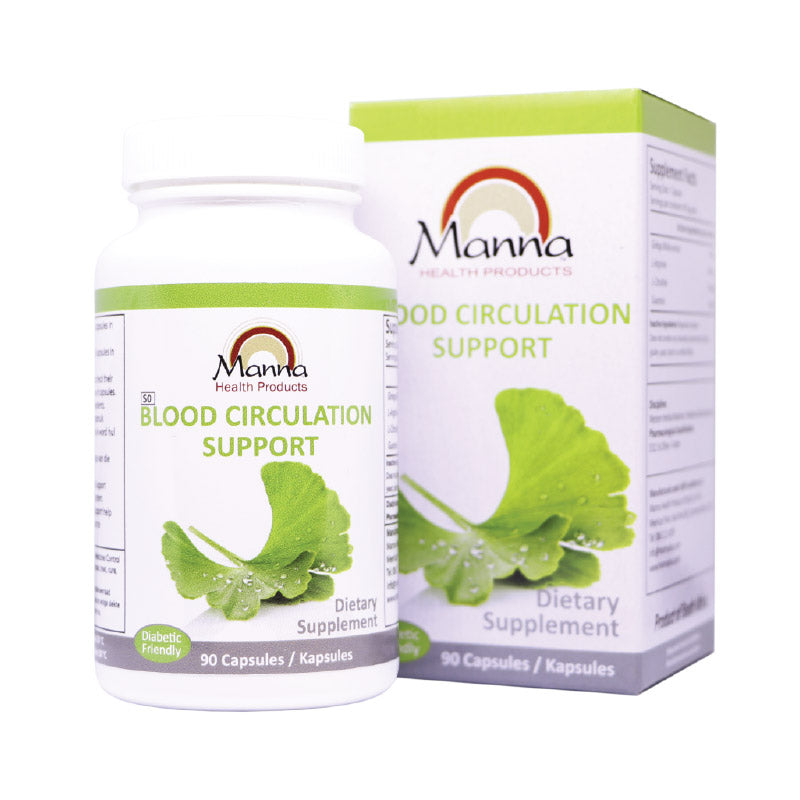
Improve blood flow and maximize health with Manna Blood Circulation Support. This formulation of the highest quality natural ingredients was specifically designed to help improve blood circulation in a completely natural manner. What is Manna Blood Circulation? It is an all-natural supplement free from all major potential allergens, and it is free of any additives. If you look at the ingredients below, you can see why this product is formulated for ultimate enhancement of the vascular system. We only use 4 ingredients in the product to get the highest efficiency from each individual ingredient. Ginkgo Biloba ExtractGinkgo has a long history of use in treating blood disorders and memory issues. It is best known today as a way to potentially keep your memory sharp. Laboratory studies have shown that ginkgo improves blood circulation by opening up blood vessels and making blood less sticky. It is also an antioxidant. L-Arginine and L-Citrulline BlendThis one-two amino acid punch can improve circulation. Scientific studies show the combination of L-Citrulline and L-Arginine increases nitric oxide production for cardiovascular, immune boosting, and sexual health benefits. GuaranaGuarana contains caffeine. Caffeine works by stimulating the central nervous system (CNS), heart, and muscles. What are the benefits of Manna Blood Cirulation Support? Support cardiovascular health by boosting nitric oxide production and helping blood flow more easily throughout the body Support healthy blood pressure and boost the immune system Detoxify the liver and eliminate ammonia from the body Improve sexual stamina and enhance recovery from an intense workout Can I use it with my current medication? Yes, the Blood Circulation is safe to use in conjunction with any other medication, except with certain high blood pressure medications. The product is diabetic friendly and very effective in assisting positive blood flow for diabetics.