


You started taking a probiotic because you wanted your stomach to feel calmer. You expected less bloating, less gas and more comfortable digestion.
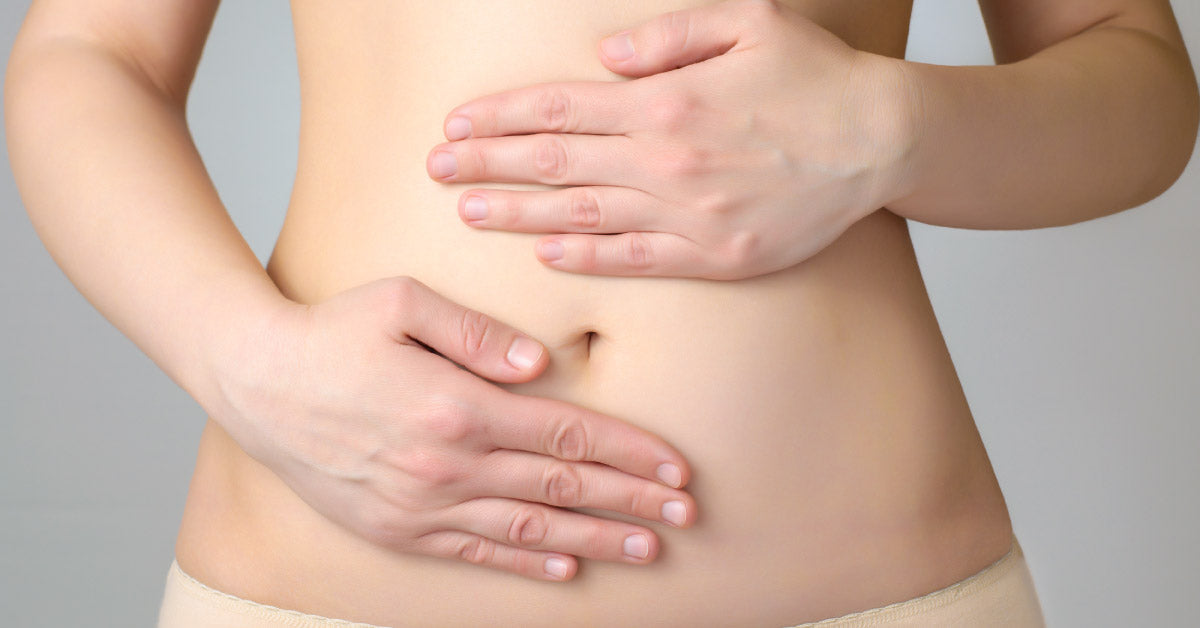
But you are still finishing meals with a tight, swollen or uncomfortable stomach.
It can be frustrating when you feel like you are doing the right thing but are not seeing the difference you hoped for. However, this does not always mean probiotics are useless. It may simply mean that your digestive system needs more than good bacteria alone.
Probiotics are only one part of healthy digestion. Your body also needs digestive enzymes, a healthy intestinal lining and good daily habits to process food comfortably.
Why Probiotics Do Not Always Stop Bloating
Probiotics are live microorganisms that can help maintain a healthy balance of bacteria in the digestive tract. However, different probiotic strains have different roles, and people do not all respond to them in the same way.
Bloating can also have several causes that a probiotic alone may not address.
- Eating too quickly and swallowing extra air
- Drinking fizzy drinks
- Eating very large meals
- Constipation or slow movement through the digestive tract
- Difficulty digesting certain foods
- Increasing fibre too quickly
- Food that is not fully broken down
- Changes in the balance of gut bacteria
If you regularly feel uncomfortable after meals, our article on why you feel bloated or heavy after eating explains some of the most common reasons.
Healthy Digestion Is a Team Effort
Your digestive system performs several jobs every time you eat.
First, food needs to be broken into smaller parts. Your body uses digestive enzymes to help break down carbohydrates, proteins and fats.
Nutrients then need to pass through the intestinal lining so your body can use them. Food that is not fully digested moves into the large intestine, where bacteria break it down. Gas is a normal result of this process, but larger amounts may leave you feeling swollen or uncomfortable.
Your digestive system therefore relies on:
- Digestive enzymes to help break down food
- A healthy balance of gut bacteria
- A healthy intestinal lining
- Regular bowel movements
- Enough water and fibre
- Eating habits that give your body time to process food
A probiotic mainly focuses on the bacterial part of this process. It may not address every other reason you still feel bloated.
Digestive Enzymes Help Your Body Process Food
Digestive enzymes act like small tools that help take food apart.
Different enzymes help break down different nutrients. If food is not broken down efficiently, more undigested material may reach the large intestine. Gut bacteria then ferment this material, which can produce gas.
This is why someone may take a probiotic but still feel heavy or uncomfortable after meals. Their gut bacteria are only one part of the digestive process.
For more practical ideas, read these natural ways to care for digestive problems.
Your Gut Lining Also Needs Daily Care
The lining of your digestive tract forms an important barrier between the contents of your gut and the rest of your body. It also plays a role in absorbing nutrients from food.
This lining is affected by what you eat and how you live. Highly processed foods, stress, irregular eating and poor sleep can all make it more difficult to maintain comfortable digestion.
Caring for your gut therefore means looking at the whole system, not only the number of good bacteria it contains.
Small habits can make a difference:
- Eat slowly and chew each mouthful properly
- Drink enough water throughout the day
- Increase fibre gradually
- Include a variety of whole foods
- Move your body regularly
- Keep track of foods that regularly cause discomfort
You can find more everyday ideas in 7 Easy Ways to Care for Your Gut Flora.
More Than a Probiotic in One Daily Formula
If a probiotic alone has not given your digestive system everything it needs, a more complete formula may be a better fit.
Manna Gut Support combines several ingredients that work across different parts of digestion:
- Probiotic Blend provides beneficial microorganisms for the digestive tract.
- Digestive Enzyme Blend assists with breaking down food.
- L-Glutamine is an amino acid used by cells in the digestive tract.
- Colostrum provides proteins and other naturally occurring nutrients.
- Plant Sterols are naturally occurring plant compounds included in the nutritional formula.
Instead of focusing only on gut bacteria, this combination provides broader daily nutritional care for the digestive system.
Manna Gut Support is taken as two capsules in the morning with food. It is a nutritional supplement and not a medicine.
Give Your Whole Digestive System the Care It Needs
Still feeling bloated after taking a probiotic does not mean you have failed. It may simply be a sign that your digestive system needs attention in more than one area.
Start with the basics. Slow down when you eat, drink enough water, increase fibre gradually and pay attention to the foods that trigger discomfort.
You can then add a product that combines probiotics with digestive enzymes and other nutritional ingredients. Manna Gut Support offers a simple way to care for more than just your gut bacteria.
Persistent bloating, sudden changes in your symptoms, severe pain, vomiting, blood in your stool or unexplained weight loss should be medically assessed.