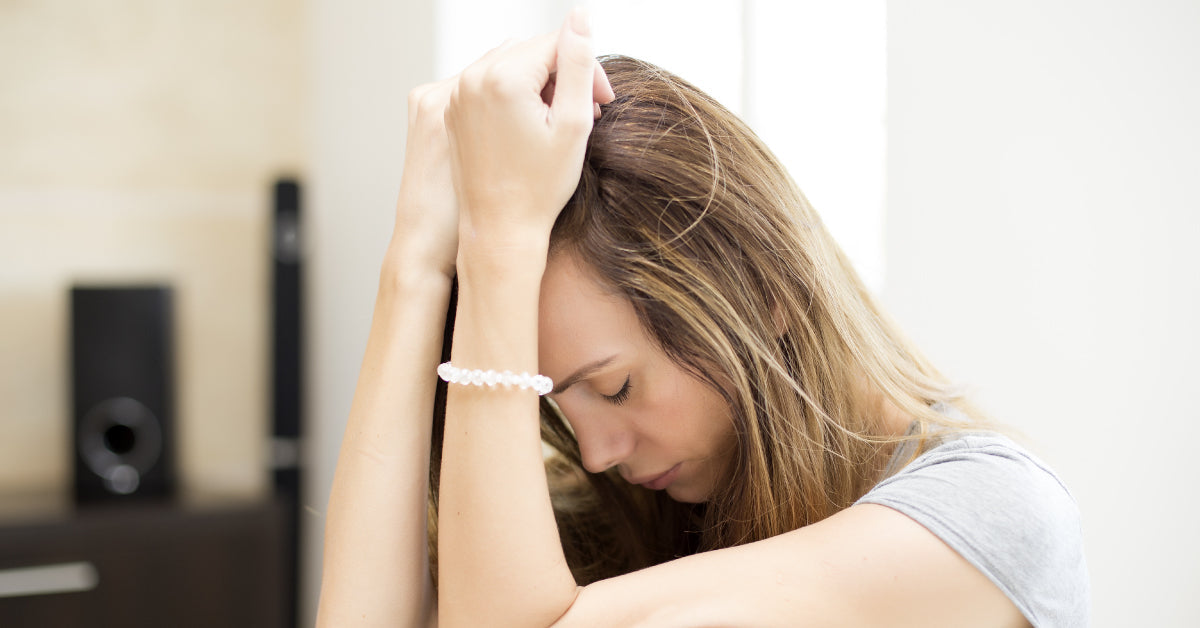



You are going about your day when your heart suddenly starts pounding. Later, you feel light-headed when you stand up. By the afternoon, a headache has settled behind your eyes.
It can feel frightening, especially when there is no clear reason for it.
Most women expect menopause to bring hot flushes, night sweats and changes to their periods. What many do not expect are heart palpitations, dizzy spells or headaches.
These symptoms can have several possible causes. However, changing hormone levels during perimenopause and menopause may sometimes play a role.
Why Menopause Can Affect So Many Parts of Your Body
Menopause does not only affect your periods.
Oestrogen helps influence your body temperature, blood vessels, sleep, mood and the way your brain responds to pain. During perimenopause, oestrogen levels may rise and fall unevenly before gradually declining.
This is one reason menopause can feel so unpredictable. You may feel well one day and uncomfortable the next.
Some women experience several symptoms at the same time. A hot flush may be followed by a racing heart. Poor sleep may leave you feeling unsteady the next morning. Hormonal changes may also affect headaches that you have experienced before.
Understanding the possible connection can make these symptoms feel less confusing. It is also important not to assume that every new symptom is caused by menopause.
1. When Your Heart Suddenly Feels Like It Is Racing
Heart palpitations make you more aware of your heartbeat. You may feel as if your heart is:
- Racing
- Pounding
- Fluttering
- Skipping a beat
- Beating harder than usual
Palpitations can sometimes happen during a hot flush. As your body reacts to the sudden change in temperature, your heart rate may increase for a short time.
Stress, poor sleep, dehydration and too much caffeine can also make palpitations more noticeable. When several of these factors happen together, the pounding feeling may seem to come from nowhere.
If you also experience sudden waves of heat or night sweats, read more about why hot flushes happen during menopause.
Palpitations linked to a hot flush may settle once the flush passes. However, palpitations can also have causes that are not related to menopause. They should not simply be ignored if they keep returning, last longer than a few minutes or are becoming more noticeable.
2. Why You May Feel Dizzy or Light-Headed
Dizziness means different things to different people.
You may feel:
- Light-headed
- Unsteady on your feet
- Weak or faint
- As if the room is moving
- As if you need to sit down quickly
Some women feel dizzy during a hot flush. Sweating, feeling anxious and changes in body temperature may all add to the sensation.
Menopause can also disturb your sleep and leave you feeling exhausted. When you are tired, dehydrated or have not eaten regularly, you may be more likely to feel weak or unsteady.
This does not mean that dizziness is always caused by hormones. Blood pressure changes, blood sugar fluctuations, dehydration, medicines, migraines and inner-ear problems may also cause dizziness.
It helps to notice when the dizziness happens. Ask yourself:
- Does it happen during a hot flush?
- Does it happen when I stand up?
- Have I eaten and had enough water?
- Did I sleep badly the night before?
- Does it happen together with a headache?
These clues cannot confirm the cause, but they can help you understand the pattern.
3. When Headaches Change During Perimenopause
Some women notice that headaches become more frequent during perimenopause. Others find that headaches they had earlier in life suddenly return.
This may happen because oestrogen levels do not decline in a smooth, steady way during perimenopause. They can rise and fall, and these changes may affect women who are sensitive to hormone-related headaches.
A menopause headache may feel like:
- Pressure around the forehead or temples
- A tight feeling around the head
- Throbbing pain
- Greater sensitivity to light or sound
- A headache that appears around the time a period would normally start
Sleep can also play a role. Night sweats and poor-quality sleep may leave your body tired and more sensitive to discomfort. If you wake up feeling drained even after spending enough time in bed, read more about why menopause can leave you tired after sleeping.
Hormone-related headaches may improve after menopause, when hormone levels become more stable. However, every woman is different, and headaches may continue for other reasons.
Why These Symptoms May Seem to Arrive Together
Heart palpitations, dizziness and headaches may feel like three separate problems. Sometimes, however, they are linked by the same chain of events.
For example:
- A hot flush wakes you during the night.
- Your heart races while your body tries to cool down.
- Sweating and broken sleep leave you tired the next morning.
- You feel light-headed and develop a headache later in the day.
Hormonal changes may be one part of this pattern, while sleep, stress, hydration and regular meals may also influence how you feel.
Keeping a short symptom record may help you see whether there is a pattern. Write down when each symptom happens, how long it lasts and whether it appears with a hot flush, missed meal or poor night’s sleep.
When These Symptoms Need Urgent Attention
Palpitations, dizziness and headaches should not automatically be blamed on menopause.
Seek urgent medical care if you experience:
- Chest pain or pressure
- Trouble breathing
- Fainting or feeling as though you are about to faint
- Palpitations that do not settle
- A sudden, extremely severe headache
- Weakness or numbness on one side of the body
- Difficulty speaking
- Confusion or sudden vision changes
Symptoms that keep returning, become worse or interfere with daily life should also be assessed. Menopause may be part of the explanation, but it is important to rule out other possible causes.
Daily Care During Menopause
Menopause can affect more than one part of your day. You may be dealing with hot flushes, poor sleep, mood changes and low energy while also trying to understand new physical sensations.
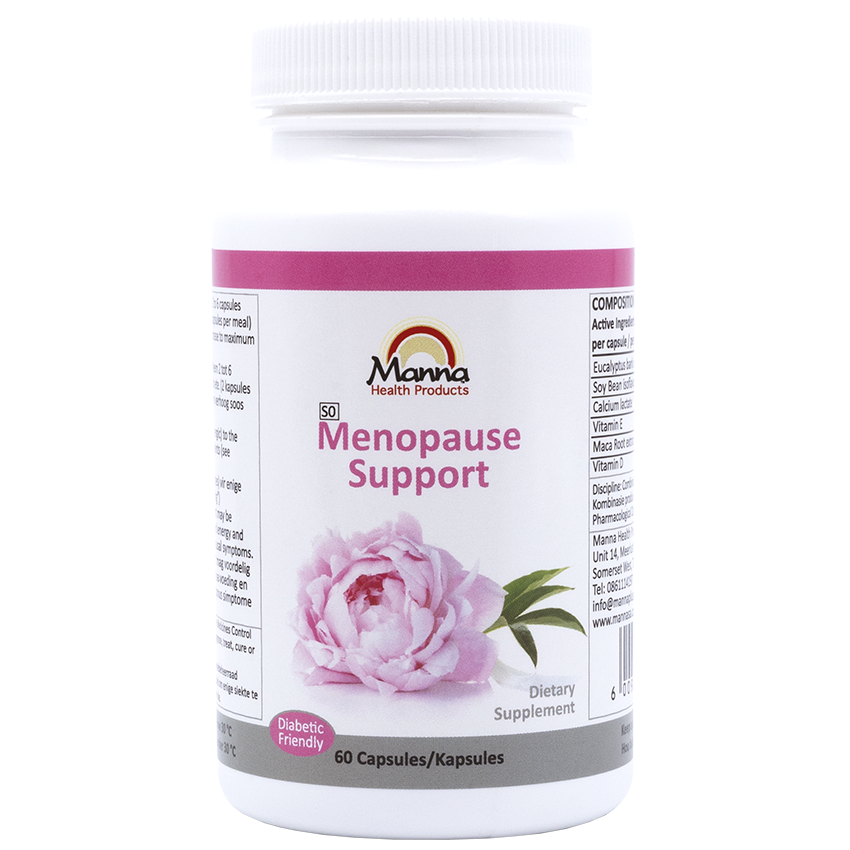
Manna Menopause Support is a plant-based daily supplement formulated for women going through menopause.
It contains:
- Soy bean isoflavones
- Maca root extract
- Calcium lactate
- Vitamin D
- Vitamin E
- Eucalyptus bark extract
Soy isoflavones are plant compounds known as phytoestrogens. Maca root has traditionally been used to support energy and vitality. Calcium and vitamin D help maintain healthy bones, while vitamin E helps protect cells from oxidative stress.
Together, these ingredients provide daily nutritional support for common menopause concerns such as hot flushes, mood changes, low energy, poor sleep, stress and memory difficulties.
Manna Menopause Support is not HRT and it is not a medicine. It is also not intended to treat heart, blood-pressure or neurological conditions. Its role is to give your body gentle daily support as it moves through the changes of menopause.
Feel More Prepared for the Changes
A racing heart, a dizzy spell or an unexpected headache can make you feel as if your body is working against you.
It is not.
Your body is moving through a major hormonal change. Understanding what may be happening helps you notice patterns, recognise warning signs and make more informed choices.
With the right knowledge and steady daily care, menopause can feel less confusing and more manageable.
Give your body the daily nutritional care it needs with Manna Menopause Support.