


WHAT IS GI FOOD?
GI stands for Glycemic Index, a system that ranks foods based on how they affect blood sugar levels. Foods are measured on a scale from 0 to 100. The scale shows how quickly carbohydrates in these foods turn into glucose (sugar) and enter the bloodstream.
GI Classification:
- High GI Foods (70 and above): These foods cause a rapid spike in blood sugar. Examples include white bread, sugary drinks, and some cereals, biscuits and sweets.
- Medium GI Foods (56 to 69): These have a moderate impact on blood sugar. Examples include whole wheat bread and brown rice.
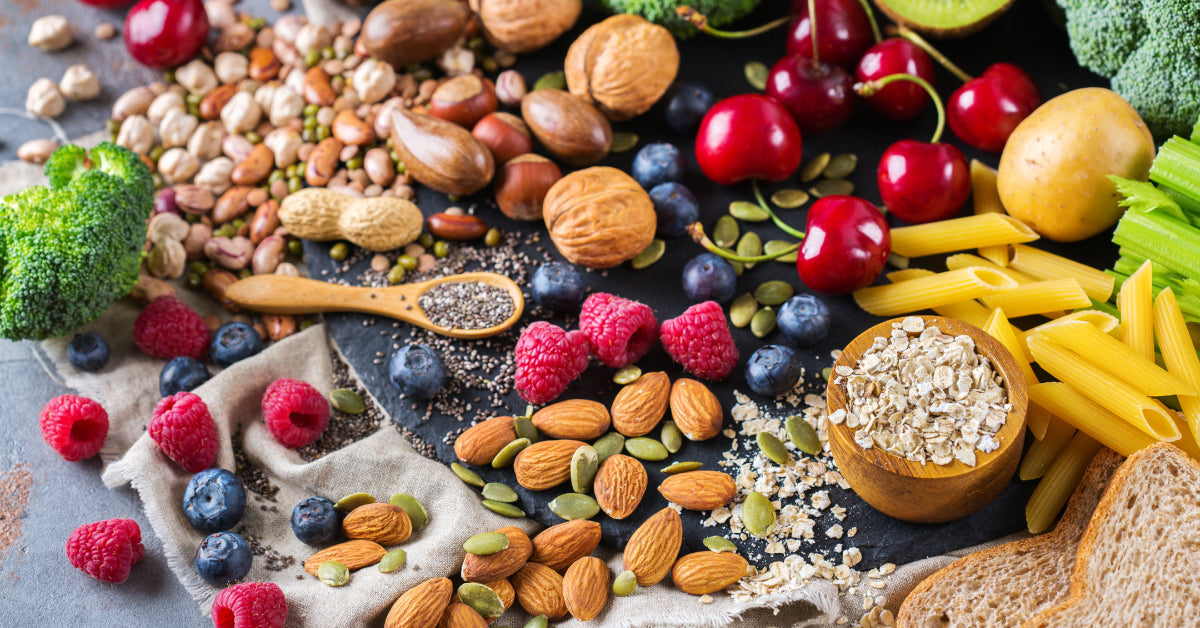
- Low GI Foods (55 and below): These foods lead to a slower, steadier increase in blood sugar. Examples include fruits like apples, vegetables, and legumes like lentils.
How Does the Glycemic Index Work?
The Glycemic Index measures the rate at which carbohydrates in a food raise the blood glucose level. When you eat something, your body breaks down the carbohydrates into glucose, which enters the bloodstream. Foods with high GI cause a quick, sharp rise in blood sugar because they are rapidly digested and absorbed.
Conversely, low GI foods are digested and absorbed more slowly. This results in a gradual increase in blood sugar levels, which helps maintain more stable blood glucose levels over time.
Why is GI Food Important?
A steady blood sugar level implies a steady flow of energy. Therefore, to secure enough energy for strenuous physical activities it is important to eat the right kind of food to supply the needed energy.
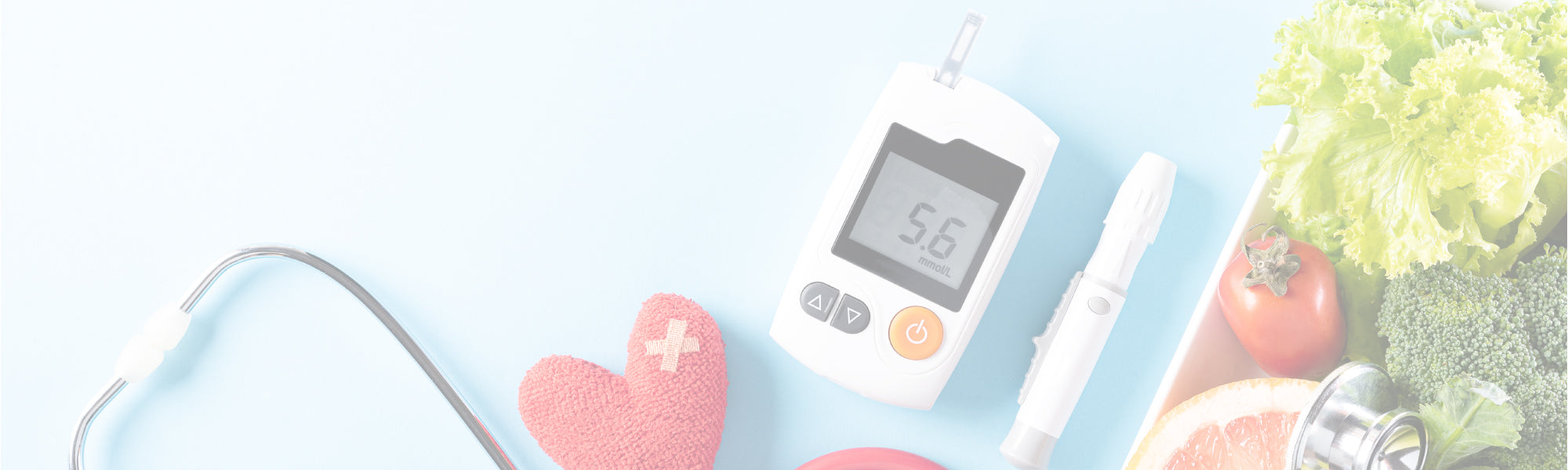
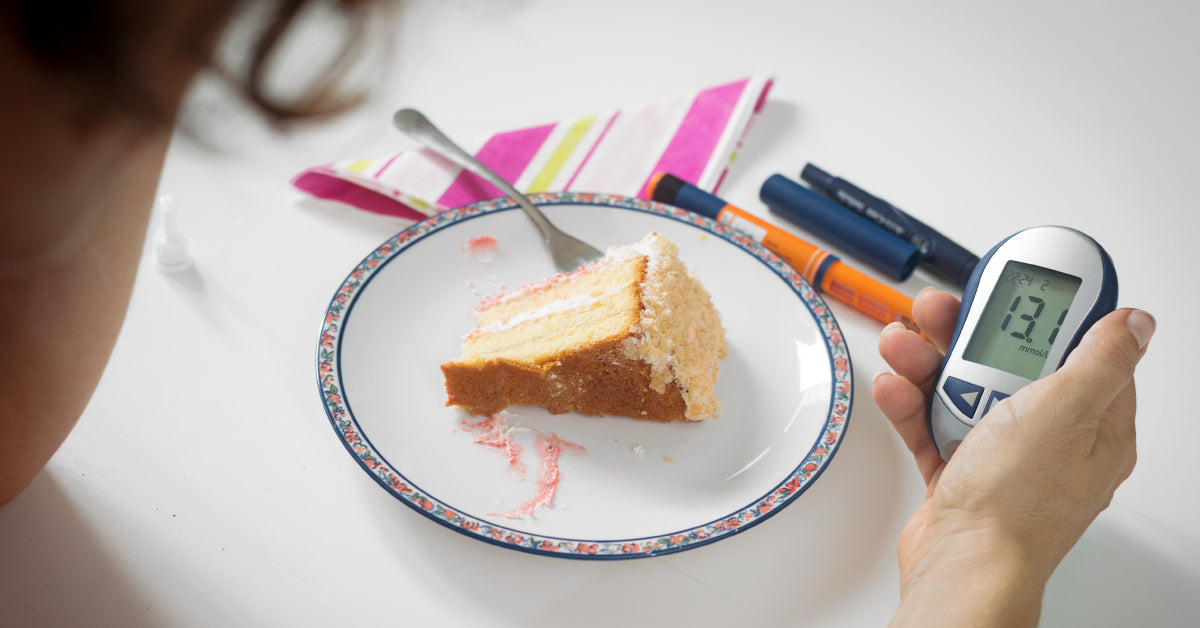
Knowing the Glycemic Index of different foods is vital for managing blood sugar levels, particularly for people with diabetes. Blood sugar spikes can be harmful, so consuming low GI foods can help keep blood sugar levels steady.
The Effect of Low GI Foods on Diabetes
Diabetes is a condition where the body either doesn’t produce enough insulin (Type 1 diabetes) or doesn’t use insulin effectively (Type 2 diabetes). Insulin is a hormone that helps regulate blood sugar levels. Managing blood sugar levels is crucial for people with diabetes to avoid complications like heart disease, nerve damage, and vision problems.
How low GI foods help people with diabetes:
- Better Blood Sugar Control: Low GI foods lead to a slower release of glucose into the bloodstream. This helps prevent rapid spikes in blood sugar levels, which is beneficial for people with diabetes.
- Improved Insulin Sensitivity: Consuming low GI foods can help the body use insulin more effectively. This is particularly helpful for people with Type 2 diabetes and can reduce the need for medications.
- Weight Management: Low GI foods often keep you feeling full longer, which can help with weight control — important for managing diabetes.
- Reduced Risk of Complications: Stable blood sugar levels can help reduce the risk of complications, including cardiovascular diseases.
Amazing low GI Pods
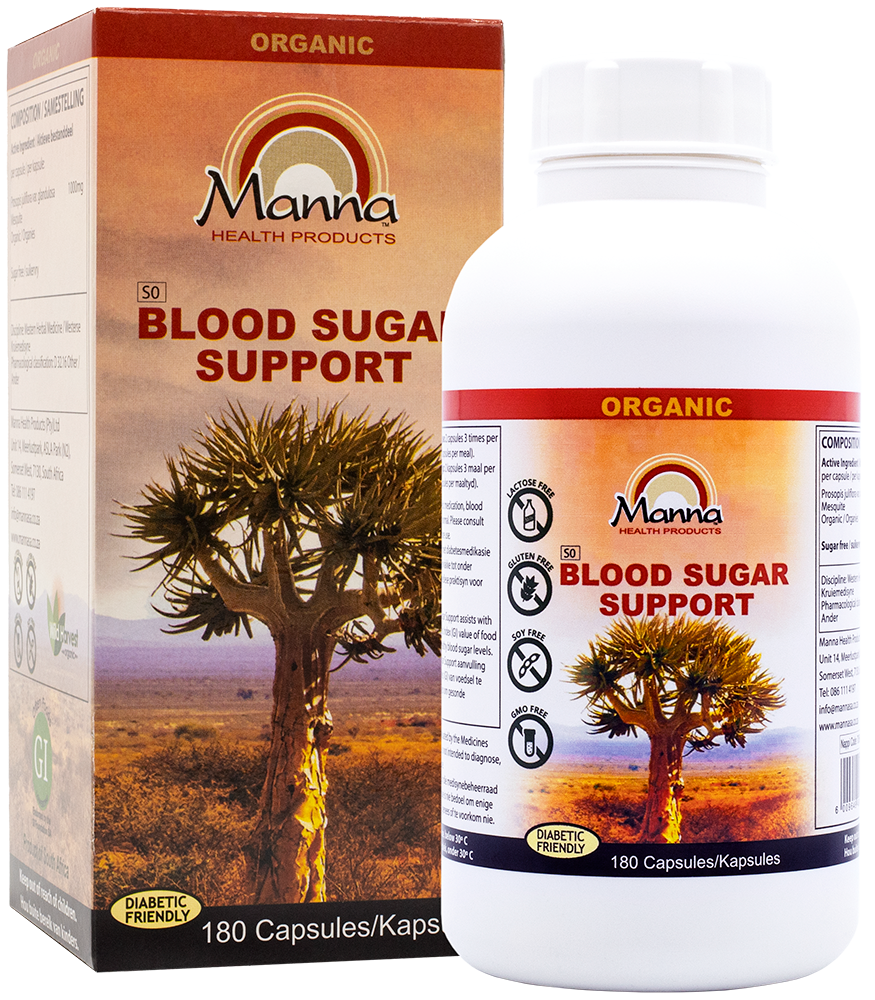
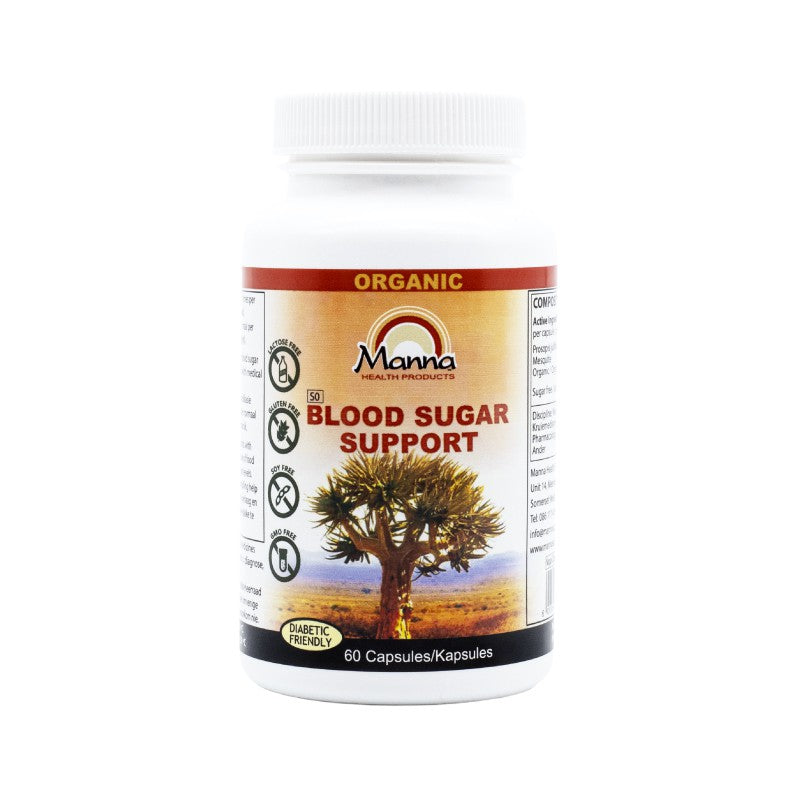
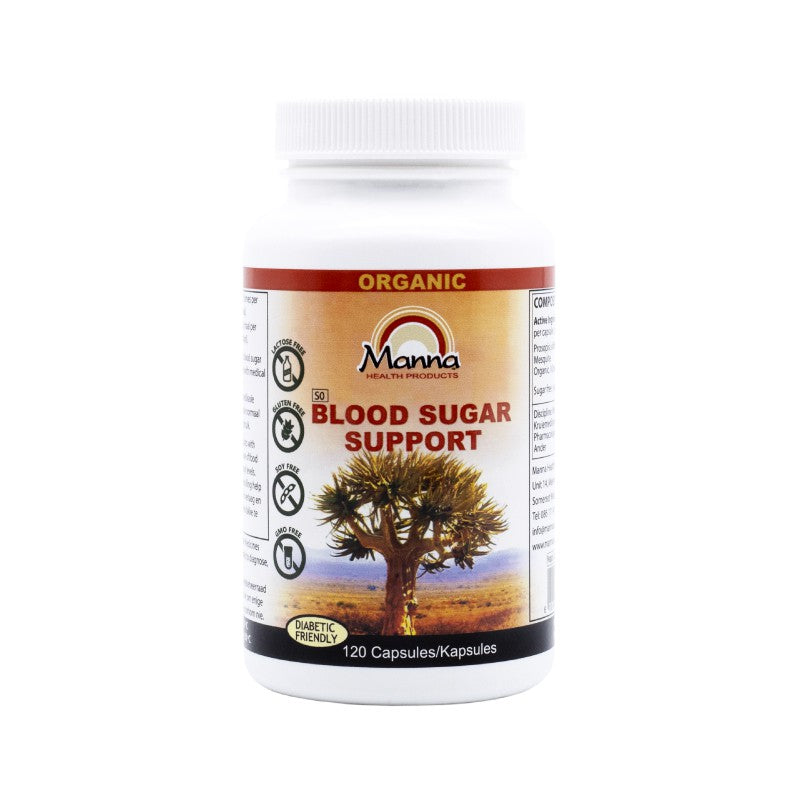
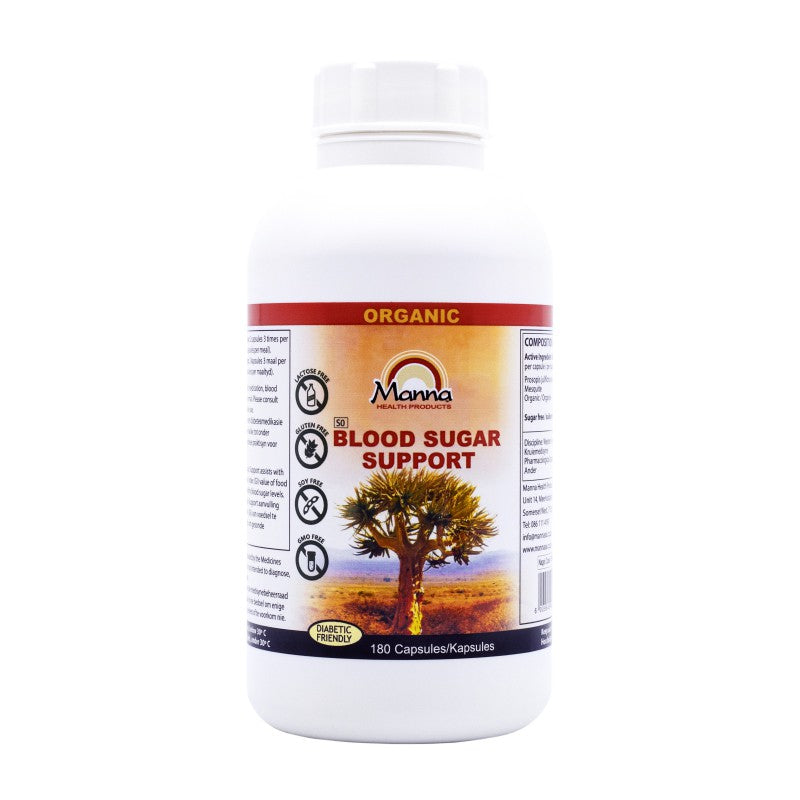
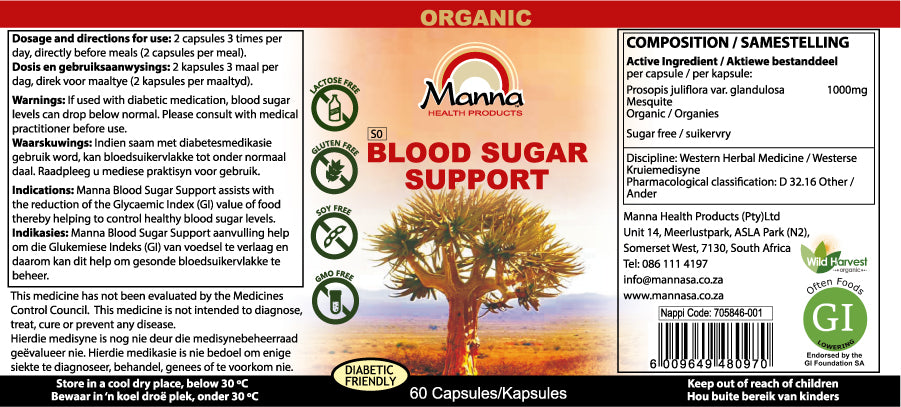
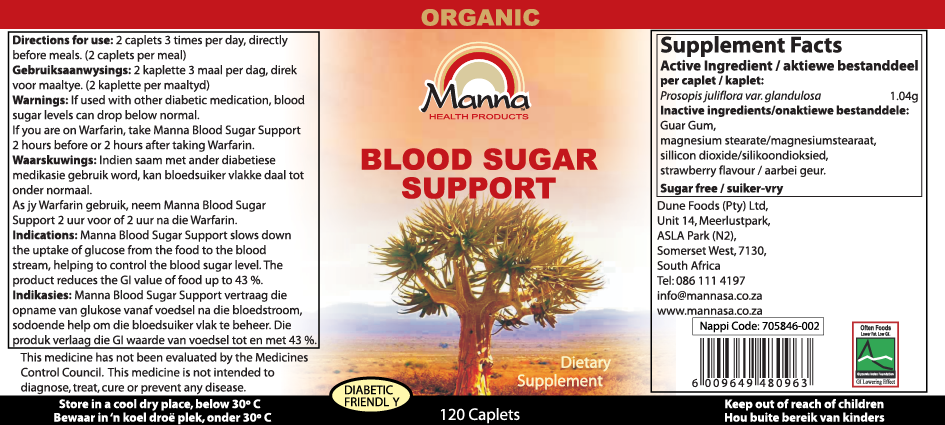
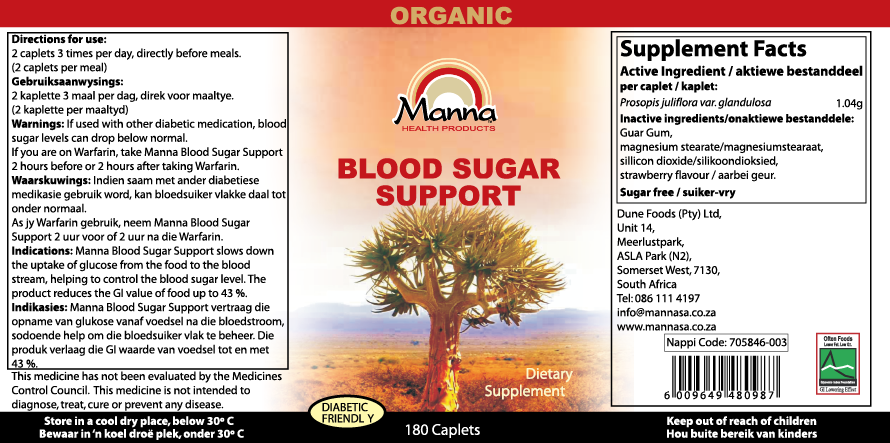
Nature provides a wonderful answer toward stable blood sugar levels through the pods of the Prosopis tree, which grows in the arid Northern Cape Province. These pod-shaped legumes are rich in essential sugars, fibre, minerals, and protein.
When taken with food, the flour from these pods helps slow down the rate at which glucose is released into the bloodstream. This helps energy to be slowly released and lowers the glycemic impact of a meal.
A warm drink brewed like coffee, also made from these pods, can lower the glycemic index of the food it’s consumed with — helping reduce blood sugar spikes by up to 43%.
Practical Tips for Including Low GI Foods in Your Diet
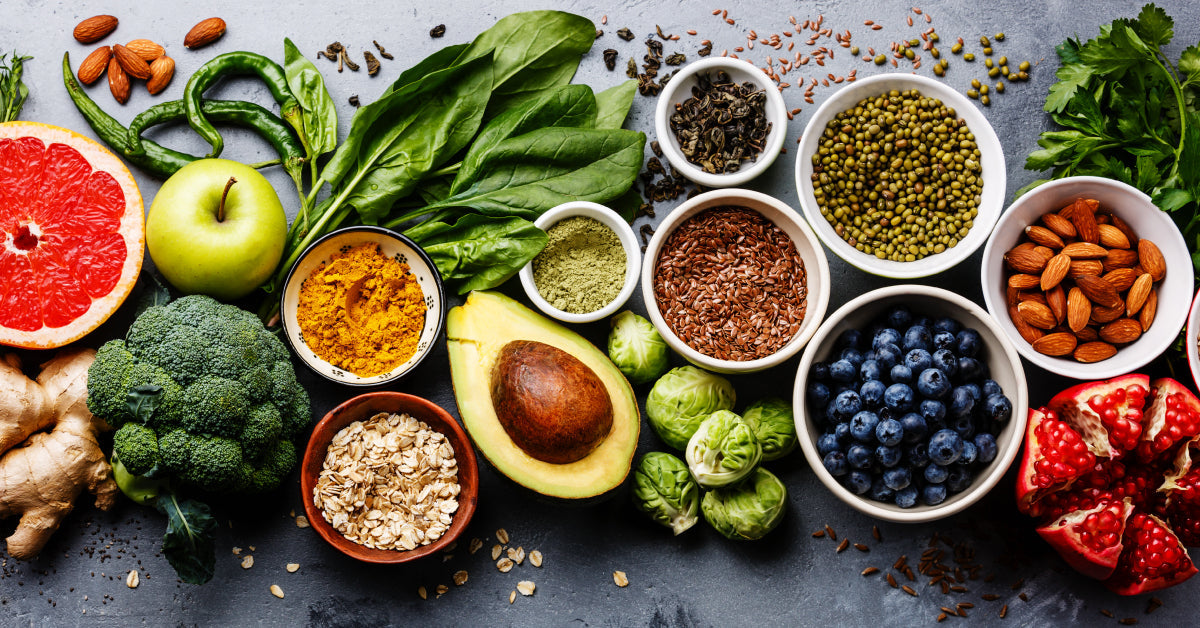
- Choose Whole Grains: Instead of refined grains like white bread or pasta, go for brown rice, quinoa, and oats.
- Eat Plenty of Vegetables: Leafy greens, peppers, and carrots are rich in nutrients and have a low GI.
- Incorporate Fruits Wisely: Apples, berries, and oranges are low GI. Be cautious with watermelon and pineapple, which have a higher GI.
- Include Legumes: Beans, lentils, and chickpeas are excellent sources of protein and fibre with a low GI.
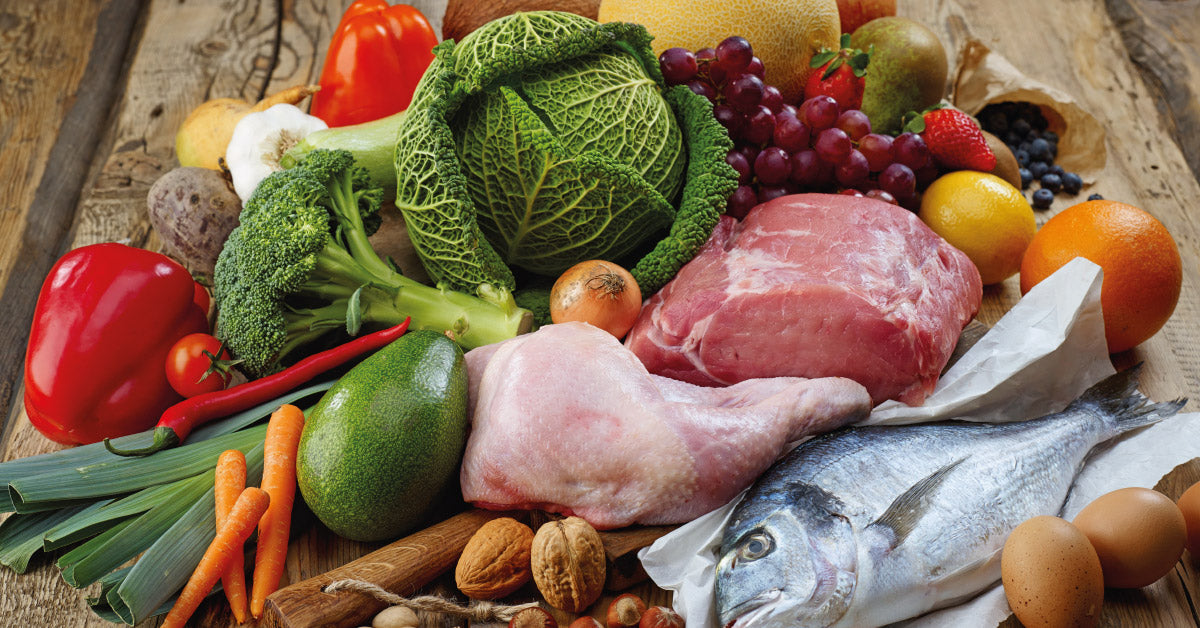
- Use Lean Proteins: Chicken, fish, and tofu have minimal effect on blood sugar and pair well with low GI carbs.
Example of a Low GI Meal Plan
- Breakfast: Oatmeal topped with fresh berries and a sprinkle of nuts.
- Lunch: A salad made with mixed greens, chickpeas, cucumbers, and tomatoes, with a light vinaigrette.
- Snack: An apple with a handful of almonds.
- Dinner: Grilled chicken breast with quinoa and steamed broccoli.
There is also a free recipe book available online, packed with diabetes-friendly recipes and low GI meal ideas.
In a Nutshell
Incorporating low GI foods into your diet can improve blood sugar control, insulin sensitivity, and overall health. Especially for those managing diabetes, choosing foods that have a slower effect on blood sugar helps maintain stability and reduce the risk of complications. A balanced diet combined with regular physical activity is the key to long-term well-being.