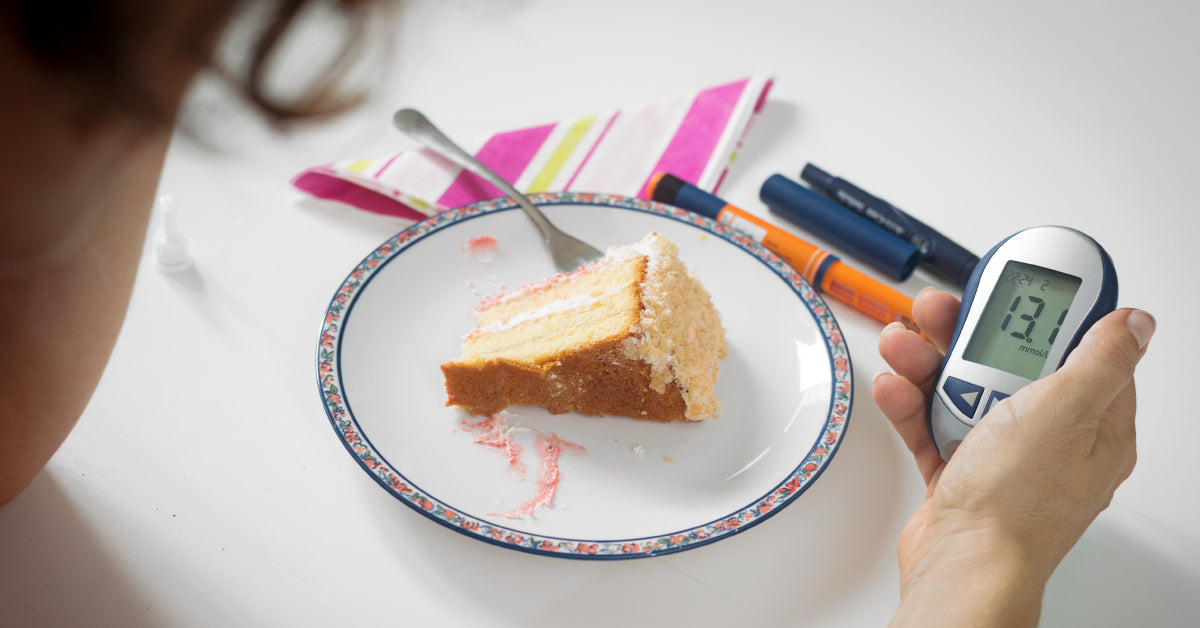



You eat the same breakfast. The same slice of toast. The same cup of tea. You even check your blood sugar at the same time.
Yesterday, the reading was where you expected it to be. Today, it is higher.
It can leave you wondering what you did wrong, especially when you are already trying to make better choices.
But your blood sugar responds to more than the food on your plate. What happened before breakfast, how you slept and what your morning looks like can all play a part.
Understanding those differences can help you make sense of your readings and build a routine that feels easier to follow.
Your Blood Sugar Has a Starting Point
After you eat, your body breaks down the carbohydrates in your meal into glucose. Insulin then helps move that glucose into your cells, where it can be used for energy. Your reading reflects the balance between glucose entering the blood and glucose being used or stored.
Blood sugar is expected to rise after eating. A rise alone does not tell you that a meal was unsuitable. The size of the rise, how long it lasts and whether readings are within your personal target range all matter.
A reading after breakfast includes the effect of the meal and the blood sugar level you started with.
If your level was already higher before eating, your reading afterwards may also be higher, even when breakfast has not changed.
For some people with diabetes, early morning hormones can raise blood sugar before the first bite. We explain this in our article on high blood sugar before breakfast and the dawn phenomenon.
That is why looking only at the number after a meal can leave out part of the picture.
Think of two mornings with the same breakfast. On the first, you wake after a restful night and have time for a walk. On the second, you have slept badly and rush straight into a stressful day. The food is the same, but the conditions around that meal have changed.
What Changed Since Yesterday?
The meal may be familiar, but the rest of your day can be different.
- A poor night’s sleep: Too little sleep can make insulin work less effectively.
- A stressful morning: Stress hormones can raise blood sugar. Even with the same breakfast, stress can affect your diabetes management.
- A change in movement: A morning spent walking around can affect your glucose differently from one spent sitting at a desk.
- Small changes to the meal: A thicker slice of bread, a larger bowl of cereal or extra milk can change the amount of carbohydrate you eat.
Illness and changes in medication can affect readings too. The aim is to notice what changed, rather than blame yourself for every unexpected number.
Compare Your Readings in the Same Way
Checking soon after eating one day and much later the next does not give you a fair comparison.
Even “the same time” can mean two different things. Testing at 9 am is not a direct comparison if you ate at 7 am yesterday and 8:30 am today. The time since your first bite matters when you are looking at the effect of a meal.
Follow your usual testing plan and note how long it has been since you started eating. If you use a finger-prick meter, wash and dry your hands first. Food or sugar left on your fingers can affect the result.
Keep a short note of your meal, sleep and activity alongside your readings. A pattern over several days can tell you more than one result on its own.
For more context, read our guide to what your blood sugar levels should be. Your personal target range may differ, especially if you live with diabetes.
Make Your Mealtime Routine Easier to Keep
You cannot plan away every stressful morning or broken night’s sleep. You can, however, make your mealtime routine more consistent.
Keep portions reasonably similar when comparing meals. Take prescribed medication as directed. Follow the testing plan that has been set for you.
These small habits help you understand why blood sugar management matters in your own daily life.
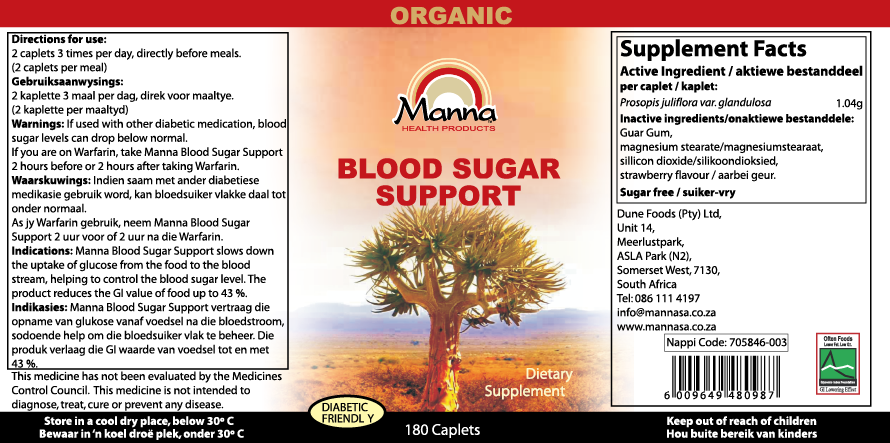
How Manna Blood Sugar Support Fits Into Your Day
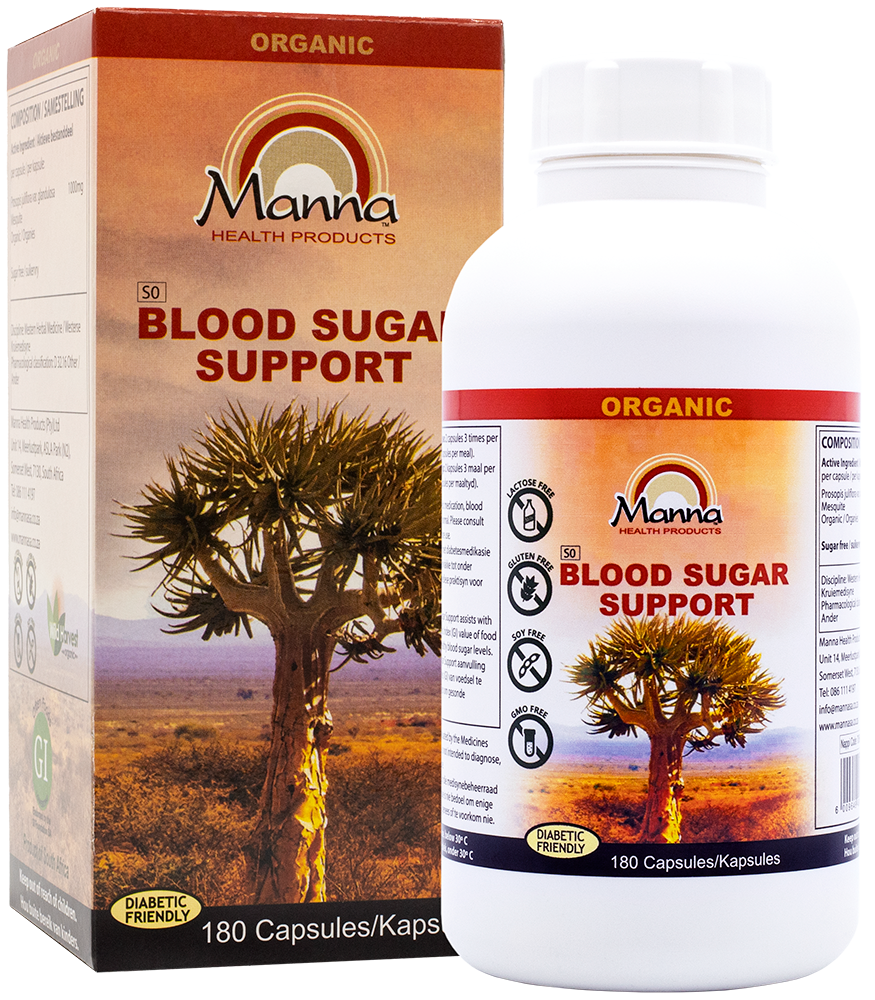
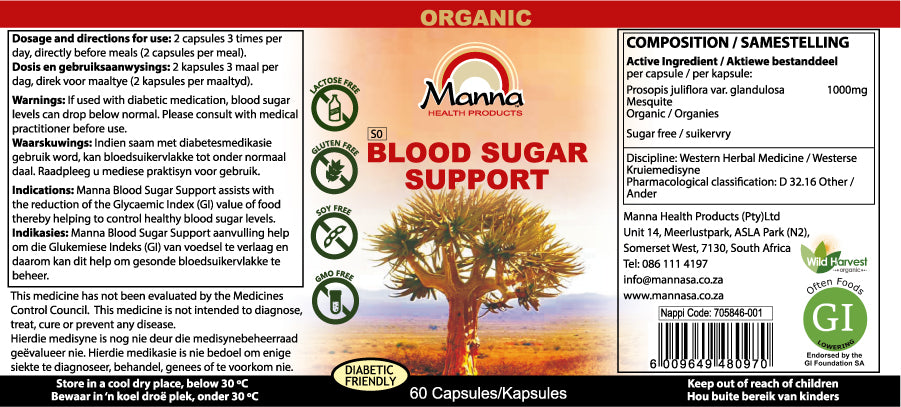
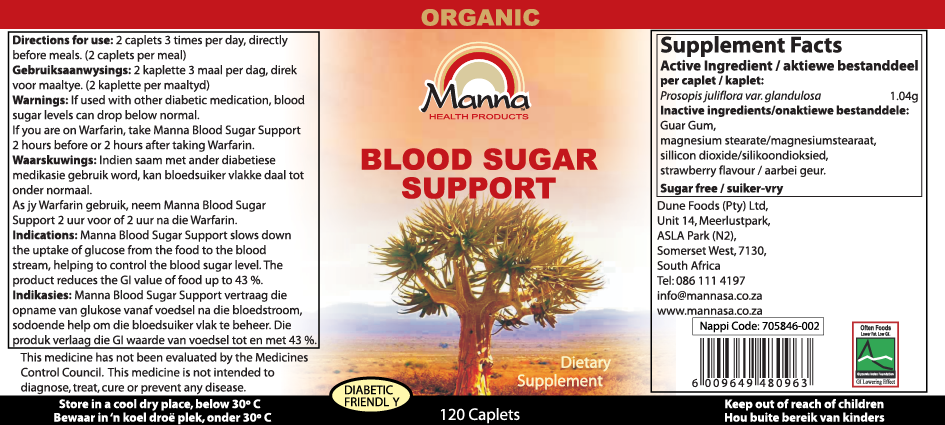
Manna Blood Sugar Support is made from wild-harvested mesquite pod powder and is formulated for use with meals as part of a blood sugar management routine.
Its plant fibre is intended to help slow the release of glucose from food into the bloodstream. The focus is on your response to a meal, alongside balanced eating and your usual care.
For many people, the challenge is finding something they can fit into an ordinary day. Breakfast still needs to happen before work. Lunch may be packed in a hurry. Taking the product as directed with these familiar meals gives it a clear place in your day, without adding a separate, complicated schedule.
Use it with food, following the directions on your pack.
It will not make every reading identical or address every cause of high blood sugar. It is a nutritional supplement, not a medicine or a replacement for prescribed treatment. If you use insulin or other glucose-lowering medication, check suitability before adding it and monitor your readings carefully. Seek advice if readings stay outside your agreed range or you feel unwell.
Take the Next Step in Your Mealtime Routine
A different reading does not automatically mean your efforts have failed. It can be a clue to what your body needs you to notice.
Keep learning your patterns and building habits you can maintain.
Ready to add a simple step to your meals? Shop Manna Blood Sugar Support and find the pack that suits your routine.