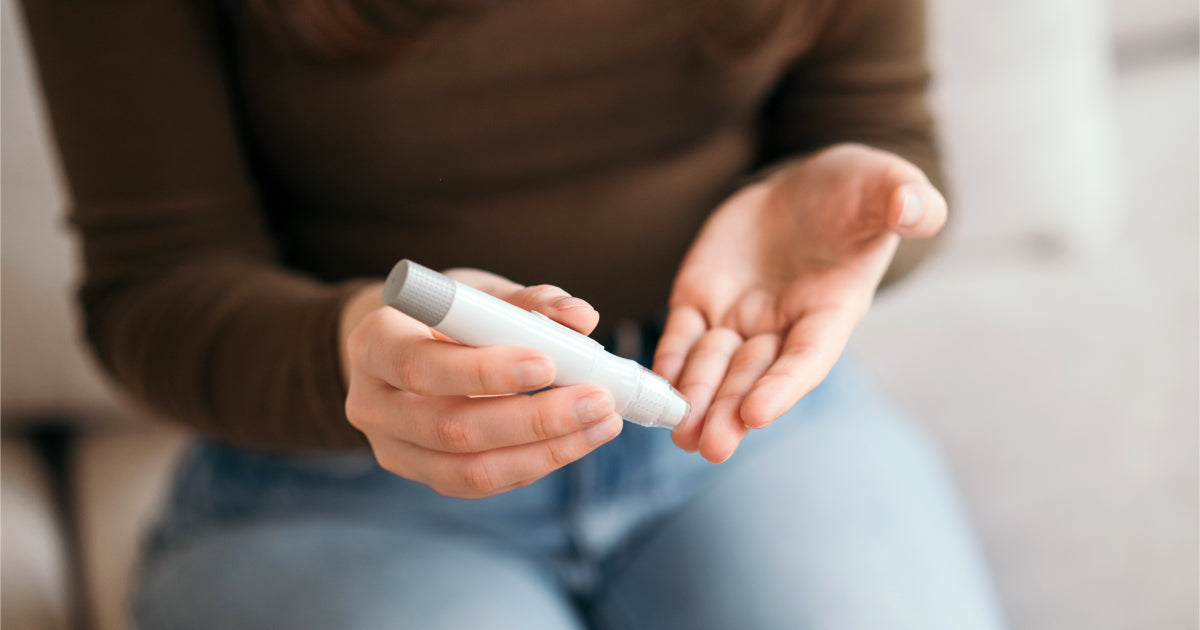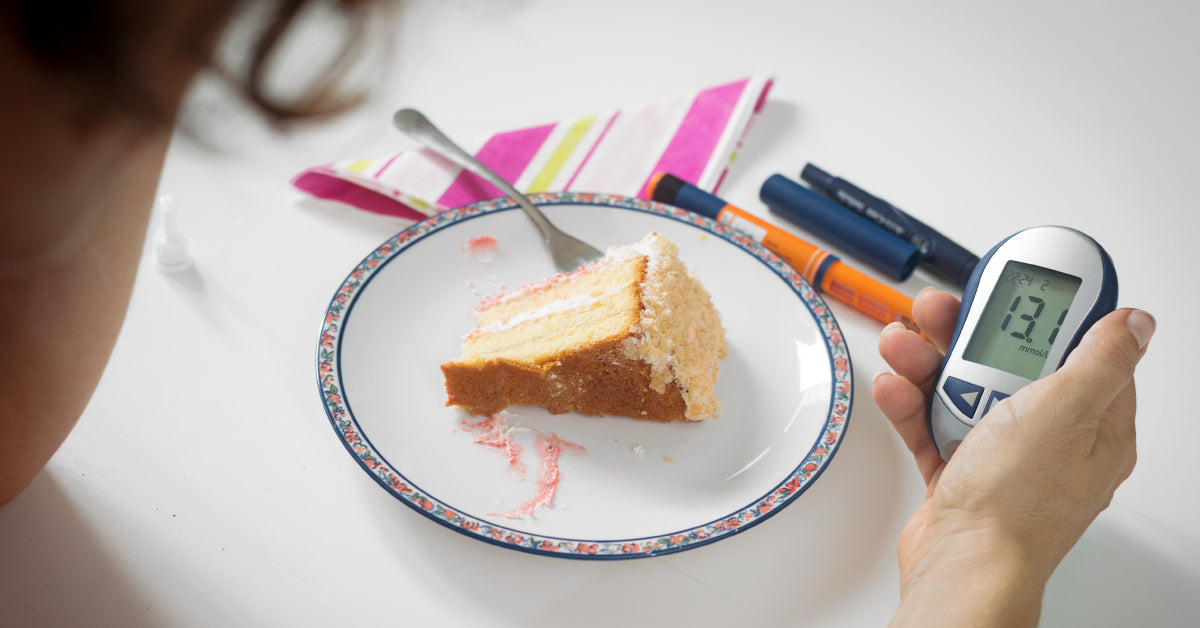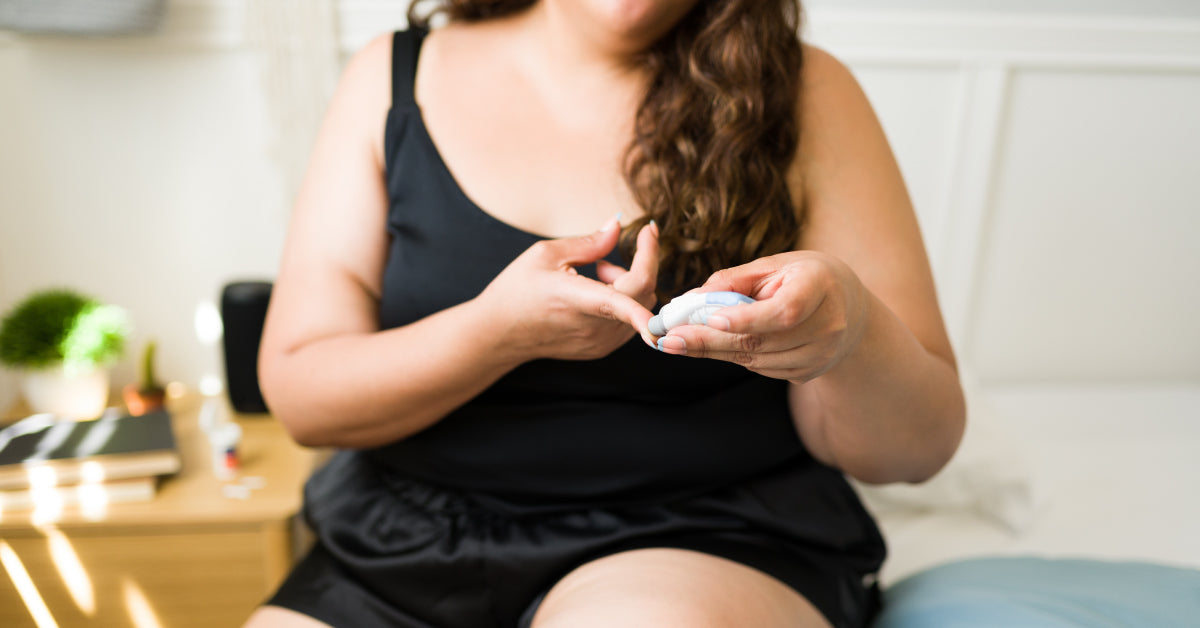



You wake up, check your blood sugar and see a high reading. But you have not eaten anything yet. How can your blood sugar rise while you are asleep?
This can be frustrating, especially when you are trying to manage type 2 diabetes carefully. The good news is that a high morning reading does not always mean you did something wrong. It may be linked to a natural process known as the dawn phenomenon.
What Is the Dawn Phenomenon?
The dawn phenomenon is an early-morning rise in blood sugar. It usually happens between about 4 am and 8 am, although the timing can differ from one person to another.
As your body prepares to wake up, it releases hormones such as cortisol, glucagon and growth hormone. These hormones help give you the energy needed to start the day. They also tell the liver to release stored glucose into the bloodstream.
In someone without diabetes, the body releases enough insulin to manage this extra glucose. With type 2 diabetes, insulin may not work as effectively as it should. As a result, more glucose can remain in the bloodstream and your morning reading may be higher than expected. Learn more about insulin resistance and why it happens.
Why Is My Fasting Blood Sugar High?
The dawn phenomenon is one possible cause, but it is not the only one. High blood sugar before breakfast may also be affected by:
- Eating a carbohydrate-rich meal or snack late at night
- Not getting enough sleep
- Stress or illness
- The timing or dose of diabetes medication
- Insulin becoming less effective overnight
It is important not to guess the cause based on one reading. Look for a pattern over several days and discuss consistently high results with your doctor or diabetes healthcare professional.
How Can You Identify a Morning Blood Sugar Pattern?
Keeping a simple record can help you and your healthcare professional understand what is happening. For more context, read What Should My Blood Sugar Levels Be?.
Record your blood sugar:
- Before going to bed
- During the early morning, if your healthcare professional recommends it
- As soon as you wake up
- Before and after breakfast
A continuous glucose monitor can also show how your blood sugar changes while you sleep. Do not change your medication or insulin based on these readings without speaking to your healthcare professional first.
Can Breakfast Cause Another Blood Sugar Rise?
If your blood sugar is already elevated when you wake up, breakfast may add another rise. This is because carbohydrates in food are broken down into glucose and released into the bloodstream.
Skipping breakfast is not automatically the answer. It may leave you hungry, low in energy or more likely to make less balanced food choices later. Instead, focus on a breakfast that includes fibre, protein and minimally processed carbohydrates.
Examples may include eggs with vegetables, plain yoghurt with seeds, or a small portion of oats combined with nuts. Your ideal breakfast will depend on your individual glucose response and the eating plan recommended by your healthcare professional.
Practical Ways to Manage High Morning Blood Sugar
Small, consistent habits can make morning glucose easier to understand and manage:
- Check your readings regularly and look for patterns
- Keep evening meals balanced and avoid large, late-night meals
- Limit refined carbohydrates and sugary snacks before bed
- Get enough sleep and find healthy ways to manage stress
- Stay active during the day
- Take prescribed diabetes medication exactly as directed
- Speak to your healthcare professional if morning readings remain high
Your doctor may need to review the timing or dose of your medication. Never adjust diabetes medication on your own.
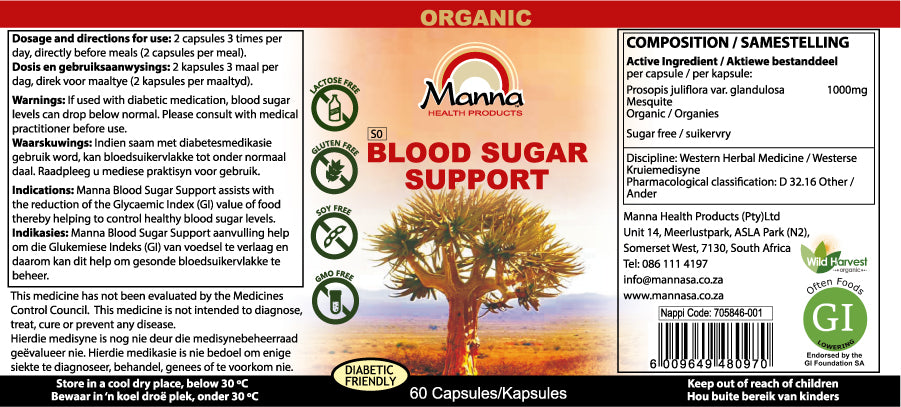
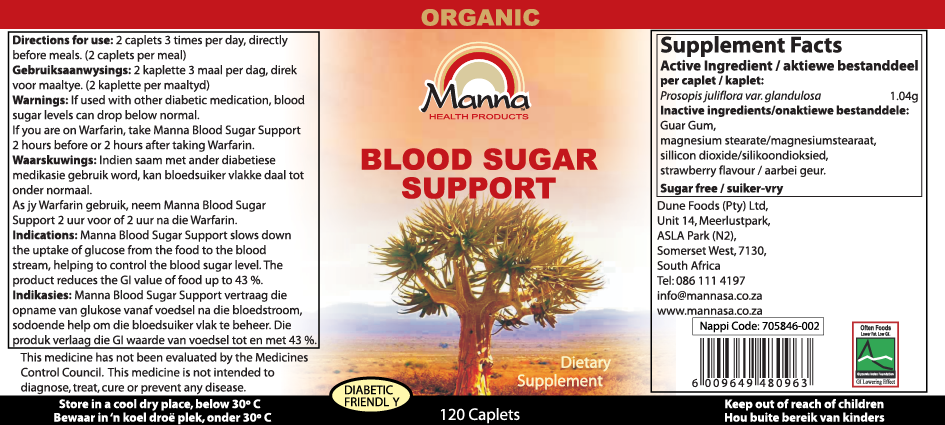
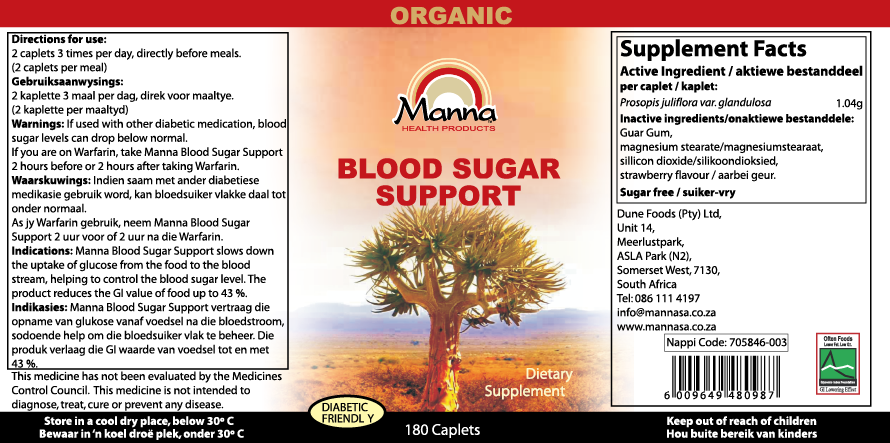
Where Manna Blood Sugar Support Fits In
Manna Blood Sugar Support is not a treatment for the dawn phenomenon itself. The early-morning rise happens before you eat and may be driven by hormones, medication timing or other factors.
However, breakfast introduces glucose from food at a time when your reading may already be elevated. Manna Blood Sugar Support is designed to be taken with food as part of a healthy blood-sugar routine. It may provide practical daily support alongside balanced meals, regular monitoring, movement and any treatment prescribed by your healthcare professional.
For best use, follow the directions on the product label. If you use insulin or other glucose-lowering medication, speak to your healthcare professional before adding a supplement to your routine. Continue monitoring your readings, as combining different blood-sugar interventions may affect your glucose levels.
Take Control of Your Morning Routine
A high reading before breakfast can feel confusing, but it may have a clear biological explanation. Your body naturally prepares for the day by releasing hormones and stored glucose. When insulin does not work efficiently, that glucose can remain in your bloodstream.
Tracking your readings can help you identify a pattern. From there, your healthcare professional can help you decide whether changes to meals, sleep, activity or medication are needed.
Manna Blood Sugar Support can be a simple addition to your mealtime routine, helping you support steadier blood sugar as part of a complete type 2 diabetes management plan. If you are newly diagnosed, read Your First Steps Towards Healthier Blood Sugar.