


Insulin resistance is becoming a familiar term.
Many people are talking about it, but do they know what it is all about?
A scary fact is that many of these people who are talking about it might have developed it already without even knowing it…
And once insulin resistance is present, it brings along many other serious health issues that can have devastating effects.
But let’s first see what exactly insulin resistance is…
What is insulin resistance?
Insulin resistance is when the body’s cells do not respond properly to the insulin, thus not taking up the sugar from the bloodstream as it should. This renders the insulin that is released less effective, or even completely useless. In order to make up for the insulin resistance, the pancreas releases more insulin. However, it eventually reaches a point where it does not matter how much insulin is released. It is ineffective and unable to control blood sugar levels. This then results in constantly high blood sugar levels, which lead to type-2 diabetes and other serious health issues.
What are the symptoms of insulin resistance?
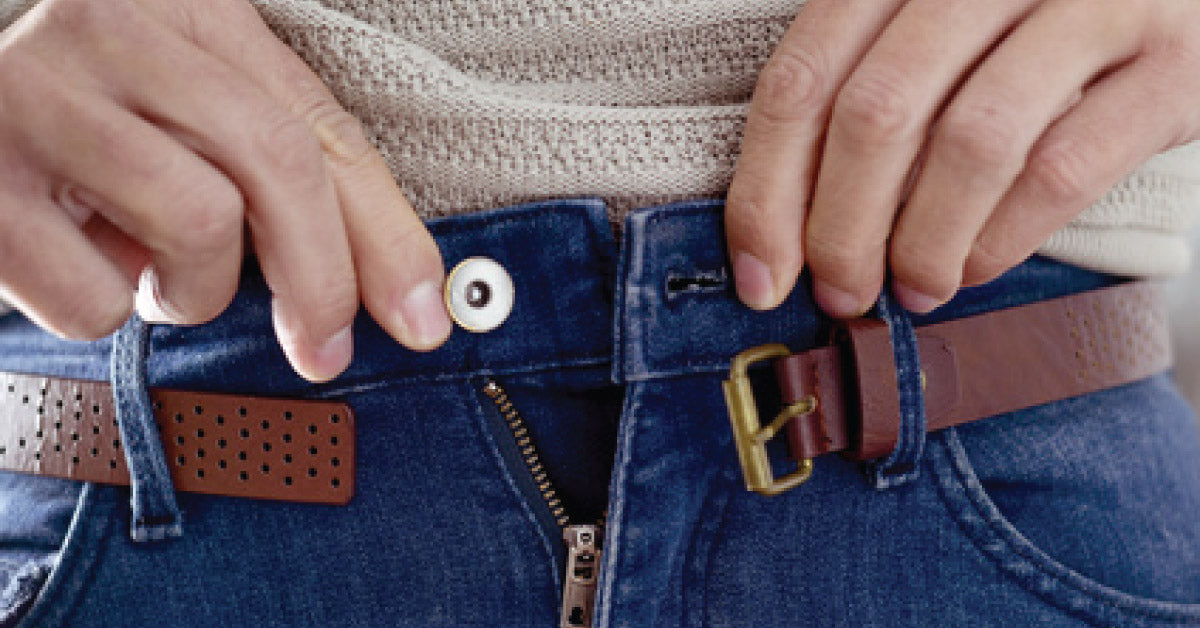
- Excess weight around the waist
- Cravings
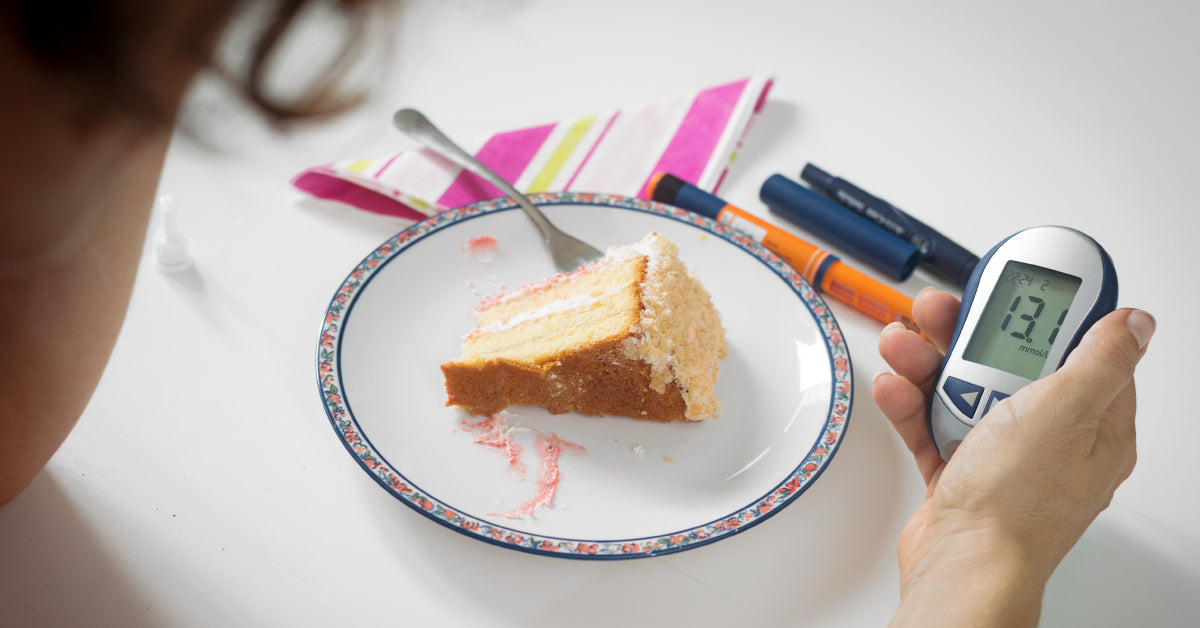
- High blood sugar levels
- Acne and large pores on the face
- Polycystic ovarian syndrome
- Scalp hair loss in women
- Skin tags
- Acanthosis nigricans
- High blood pressure
- Swollen ankles
As the waist size increases, insulin becomes increasingly ineffective in the body. This means more insulin is released, which causes more fat to be stored. It’s a vicious cycle!
Especially for sugar or carbohydrate-rich foods. People with high blood-insulin levels often get severe cravings, and 99% of the time these cravings are for a sugary snack or a carb-loaded meal.
Alongside high insulin levels, people with insulin resistance also experience high blood sugar levels. This is diagnosed when the blood sugar levels are 97mg/dL (5.4mmol/L) or higher.
The increase in insulin levels promotes higher levels of testosterone in the body. Some of the negative side effects include greasy skin, acne, and bigger pores.
Also known as PCOS, is a condition that affects women where the ovaries do not function as they should. It can often be identified by symptoms including irregular periods and excess androgen in the body.
It usually comes in the form of male-pattern baldness, and the hair starts to thin or fall out on the front and sides of the head.
These are growths that look like tiny bits of “hanging” skin. They form on the skin, often on the neck, upper chest, underarms, and eyelid.
This is a skin pigmentation disorder where dark, velvety patches form. They are usually found in the armpits, groin, and neck.
One of the health issues commonly found alongside insulin resistance is high blood pressure. Blood pressure is considered high when the systolic is 130 and over, or diastolic is 80 and over.
Insulin makes the kidneys retain sodium and water. This makes you look more “puffy”. Apart from the ankles, water is also often retained in the fingers, face, and abdomen.
What causes insulin resistance?
- Eating high-carb and high-sugar foods
- Carrying around extra weight
- A lack of exercise
- Smoking tobacco products
- Stress
- Not getting enough sleep
- Genetics
- Certain medications
- The Metabolic Syndrome
- Obesity
- Pregnancy
- Inactivity
- Steroid use
Eating too much food that contains refined carbohydrates and sugar makes the body release a lot of insulin to bring balance to the blood sugar levels. This, in turn, results in more insulin being released than the body can use. This causes more fat to be stored. This continuous cycle then results in the body becoming unresponsive to insulin, or as the name states, insulin resistant.
This is actually also a result of the above-mentioned process. The excess insulin in the body causes fat to be stored in the body’s cells instead of being used as energy. But this also works in a vicious cycle, where it makes the cells even less responsive to insulin and worsens insulin resistance even further.
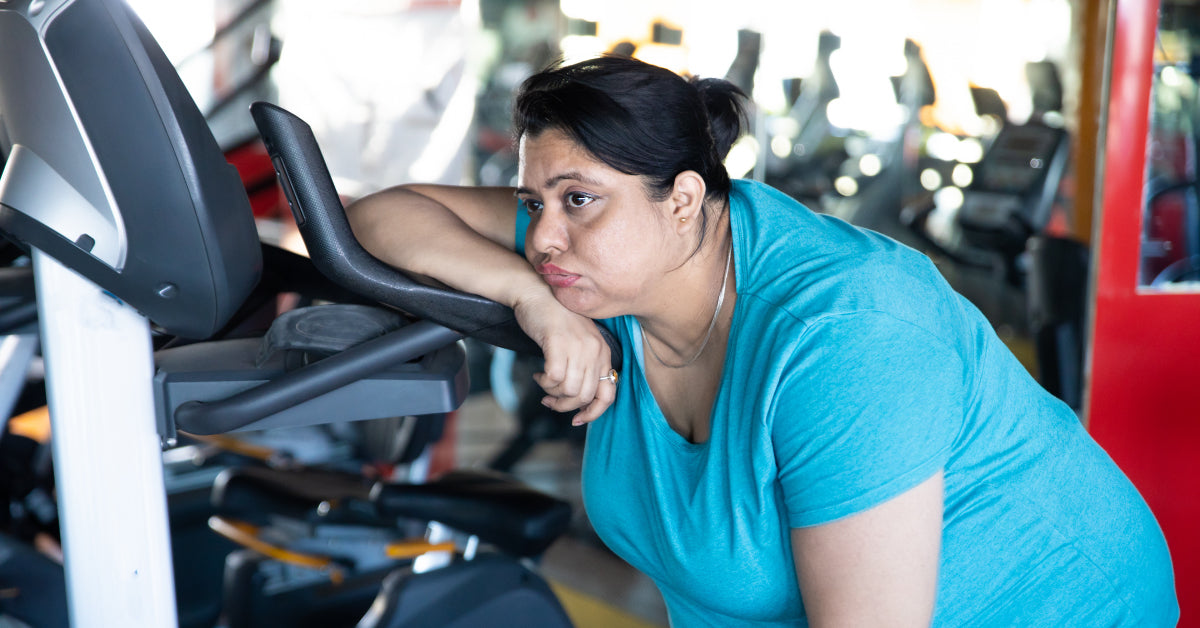
Exercise helps to process sugar from the food we eat and creates the need to burn it instead of storing it as fat. Thus, a lack of exercise can make it more difficult to burn or process the sugar and carbs from the food we eat, which means the body has to release even more insulin to keep up.
It is actually due to the nicotine in cigarettes, cigars, pipe, or e-cigarettes that affects the insulin levels. Nicotine can cause blood sugar levels to go up, as well as go down. This is not good news for insulin levels, as they are directly linked to blood sugar levels. When blood sugar levels fluctuate, it becomes harder for the body to release the right amount of insulin and can worsen insulin resistance.
When we are stressed, the body releases a hormone called cortisol. Cortisol makes the body more resistant to insulin, and therefore worsens insulin resistance.
Too little sleep at night can negatively affect blood sugar levels, and thus insulin levels. The body releases more cortisol when we do not get enough sleep.
Insulin resistance, or at least an increased risk thereof, can be passed down from one generation to the next. So people with a family history of insulin resistance should be especially careful.
Certain medications may increase the risk of developing insulin resistance. These include corticosteroids, thiazide diuretics, beta-blockers, antipsychotics, and statins.
A group of conditions known as metabolic syndrome can contribute to insulin resistance. It includes increased blood pressure, high blood sugar, excess body fat around the waist, and abnormal cholesterol or triglyceride levels.
Obesity usually goes hand-in-hand with insulin resistance. Some argue that it is a symptom, while others believe it causes insulin resistance. It can go both ways depending on the individual.
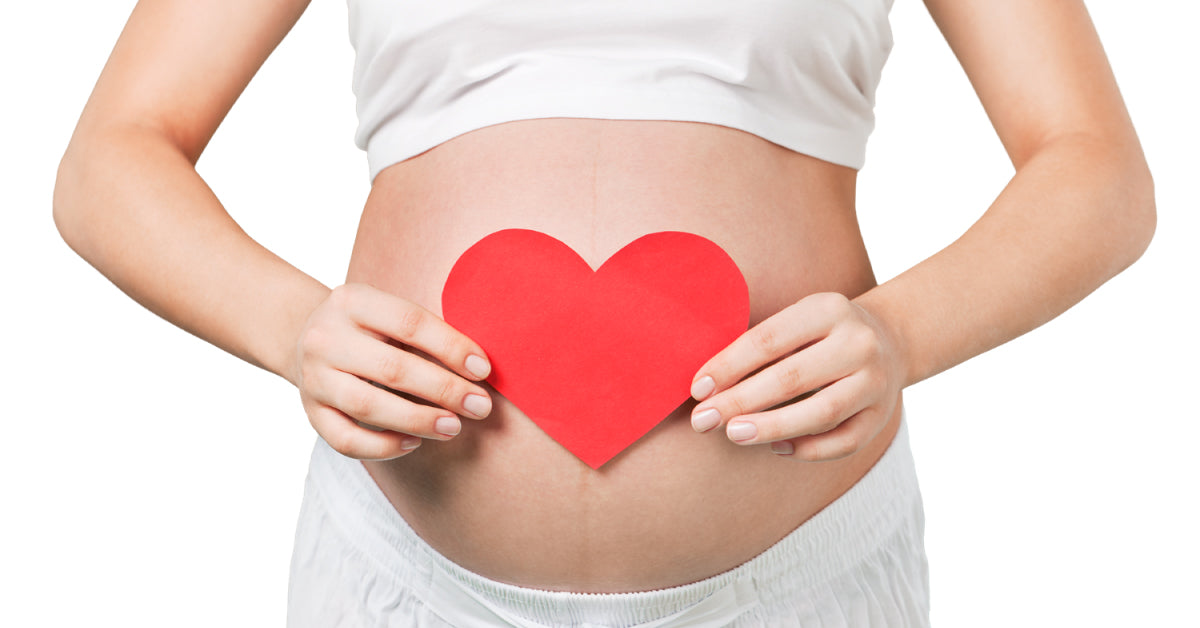
During pregnancy, the body becomes almost 60% less responsive to insulin. If not managed properly, this can lead to insulin resistance.
Modern lifestyles are increasingly sedentary. Many people have desk jobs and spend their free time sitting—watching TV, using a computer, or driving. Less physical activity means higher risk of insulin resistance.
Using steroids like prednisone can raise blood sugar levels. It’s important to check the ingredients in supplements and medications.
What are the first symptoms of insulin resistance?
Early signs may include:
- Extreme thirst
- Frequent urination
- Not feeling full after meals
- Tingling in hands and feet due to nerve damage
- Constant fatigue
How is insulin resistance treated?
The most effective way to treat insulin resistance is by making healthy lifestyle changes. These include:
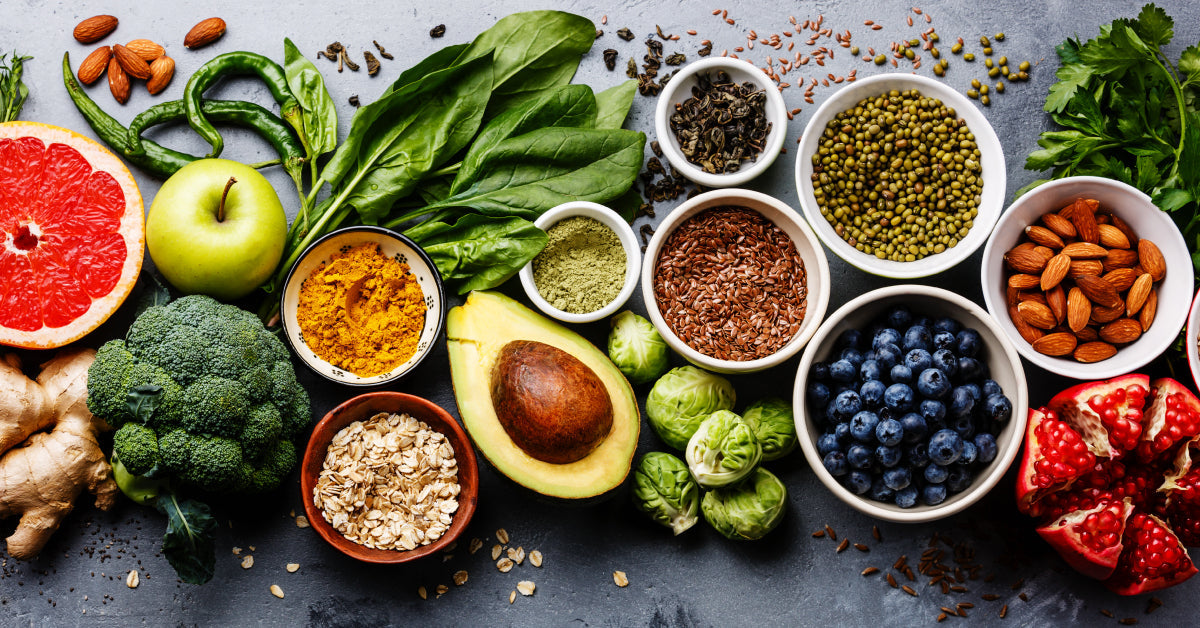
- Eating Healthily
- Exercising
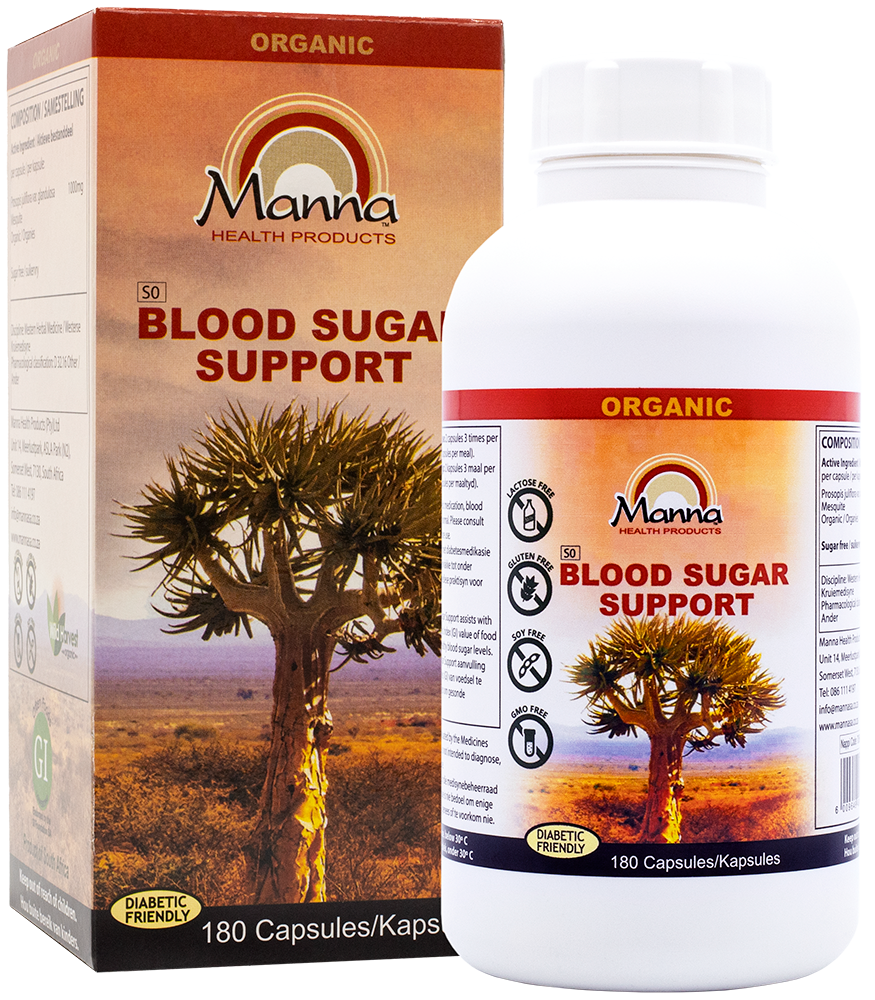
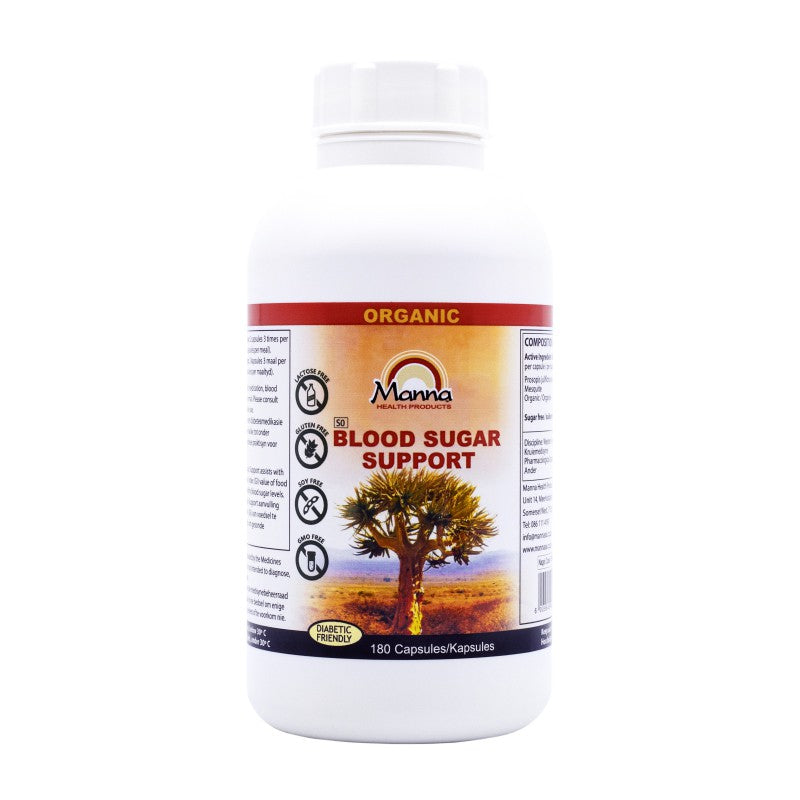
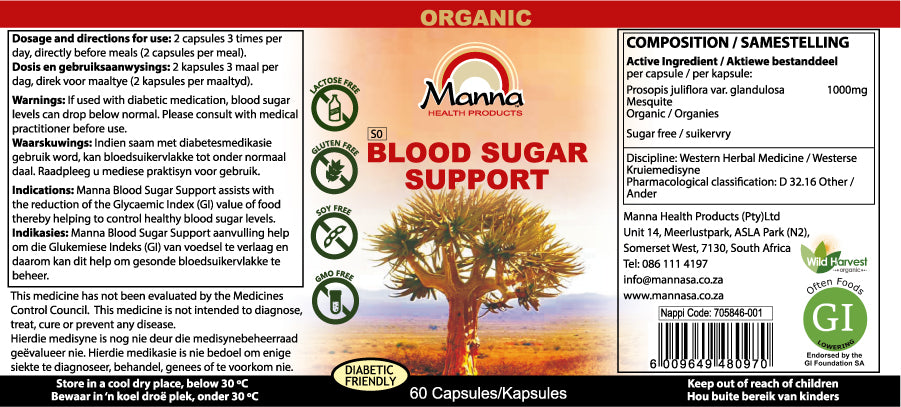
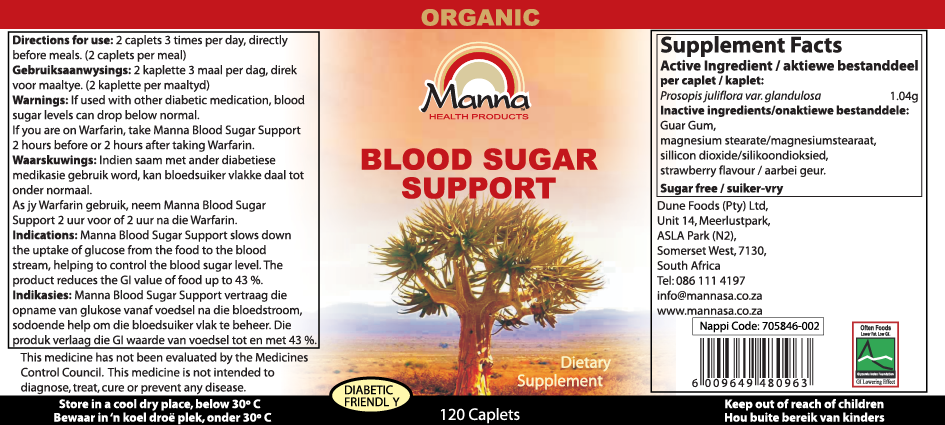
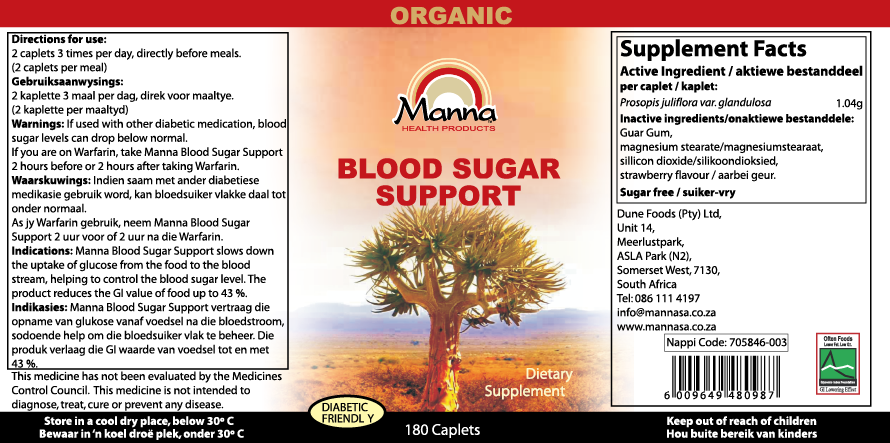
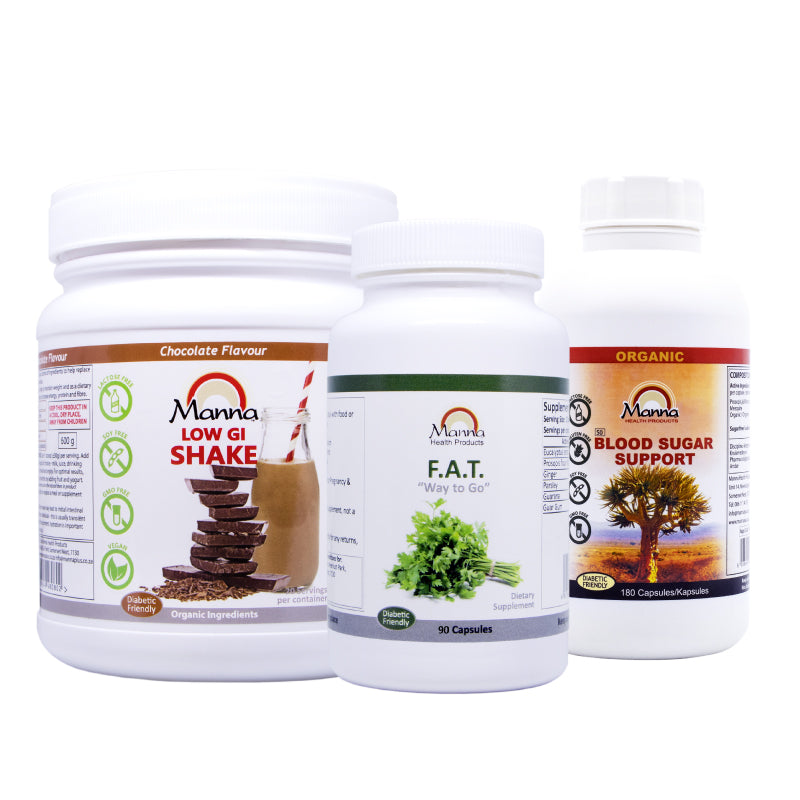
- Taking Manna Blood Sugar Support
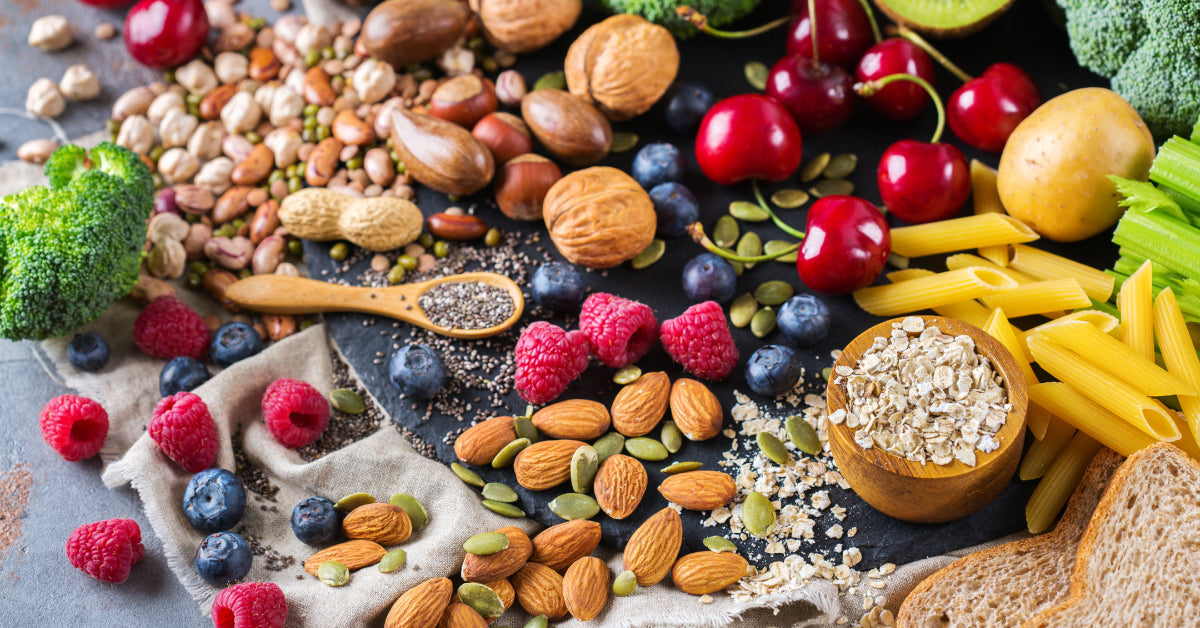
This doesn’t mean you have to eat salad all day. It’s about following a balanced eating plan that is sustainable. The Manna Diet, for example, is a free downloadable eBook offering great recipes, practical tips, and guidance on healthy eating.
Choose a type of exercise you enjoy to ensure consistency—whether it’s going to the gym, cycling, swimming, or hiking. Aim for at least 30 minutes, 4 times a week.
This product helps regulate blood sugar levels, which in turn balances insulin levels. It may help your body respond better to insulin and improve its effectiveness.
What is Manna Blood Sugar Support?
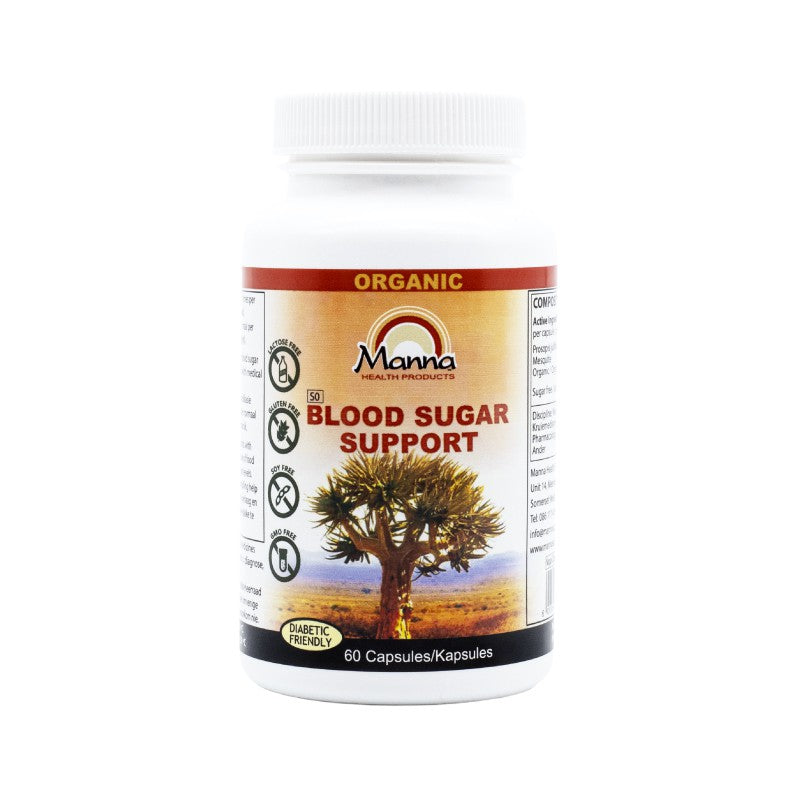
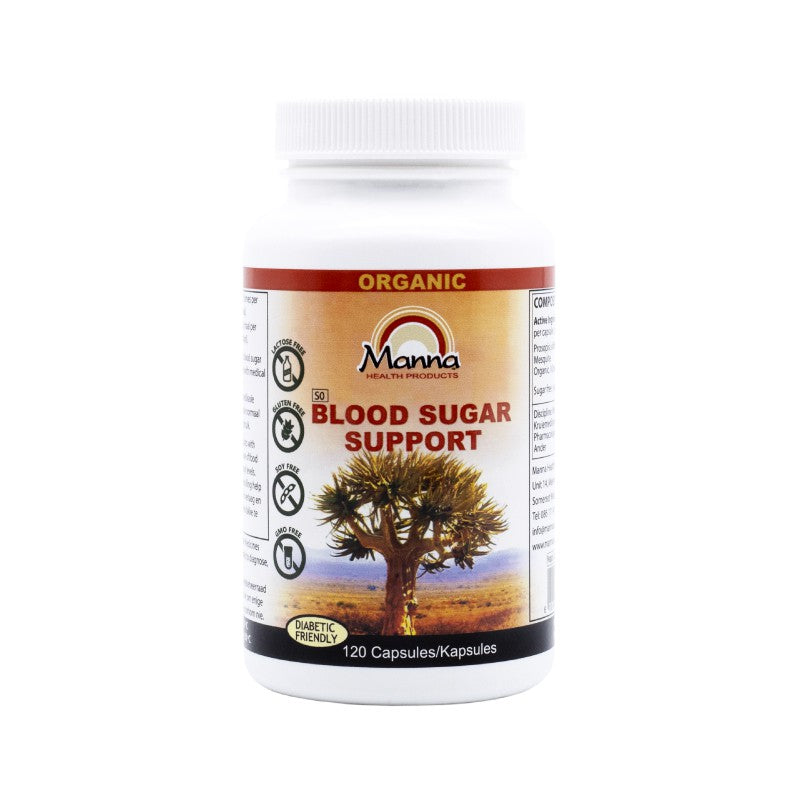
Manna Blood Sugar Support is a natural supplement made from the pods of the Prosopis (Mesquite) tree. Unlike many chemical options, it has no known negative side effects.
How does Manna Blood Sugar Support work?
It gels with the food in your digestive tract, slowing the release of sugar into the bloodstream. This prevents sugar spikes and reduces the need for large amounts of insulin.
It works best with a healthy diet. But if you occasionally eat something sugary or high in carbs, taking Manna Blood Sugar Support with your meal may help reduce the sugar spike.
It’s a helpful tool for balancing insulin levels and supporting weight loss naturally.