


Imagine your body as a well-oiled machine, where every part works harmoniously to keep you thriving
Much like any machine, our body requires the right fuel and maintenance to function optimally. One crucial component for this magnificent machine to function optimally is sustained energy. Energy is derived from food, mainly carbohydrates, which are broken down into glucose during digestion.
What is the role of insulin in our bodies?
Insulin unlocks the doors of our body’s cells, allowing this glucose, delivered by the blood vessels, to enter and provide energy for our cells and body to work properly. Insulin is a hormone produced by the pancreas that helps regulate glucose or blood sugar levels by facilitating the uptake of glucose into cells where it can be used for energy or stored for later use.
When you eat, especially foods high in carbohydrates, your blood sugar level rises. Insulin also acts like a traffic officer, guiding the sugar out of your bloodstream and into your cells where it is used or stored. Without enough insulin, sugar can’t get into your cells, and if your blood sugar levels stay too high, it can cause health problems over time.
How do our bodies absorb energy?
Carbohydrates are the body’s primary source of energy. Through digestion and metabolism, carbs are broken down into glucose, which can be used immediately or stored as glycogen in the liver and muscles. The body also uses fats and protein for energy. Glucose is the simplest form of carbohydrate and serves as the primary source of fuel for our brain, muscles, and other organs.
Blood sugar, or blood glucose, refers to the concentration of glucose in the bloodstream. It fuels our brain and body, but maintaining balance is key. Fluctuations in blood sugar can negatively affect our health. High blood sugar (hyperglycemia) and low blood sugar (hypoglycemia) both have serious health implications.
Hyperglycemia can lead to diabetes, heart disease, and nerve damage. Hypoglycemia can cause fatigue, dizziness, confusion, and in severe cases, unconsciousness.
So, how do we maintain stable blood sugar levels?
The answer lies in maintaining a few simple yet impactful lifestyle routines:
- Diet: Eat a balanced diet rich in whole grains, lean proteins, fruits, and vegetables to help regulate blood sugar and promote overall health.
- Exercise: Regular physical activity helps manage weight and improves insulin sensitivity, aiding blood sugar regulation.
- Managing Stress: Stress affects hormones like insulin. Practices such as meditation, prayer, deep breathing, and time in nature help reduce stress levels.
- Regular Eating Times: Eating meals and snacks at consistent times helps prevent blood sugar spikes and crashes.
Ignoring these habits can interfere with insulin’s ability to work properly, leading to insulin resistance—when cells no longer respond effectively to insulin.
How to prevent insulin resistance
There are several reasons why people develop insulin resistance:
- Obesity: Excess fat, especially around the abdomen, releases substances that interfere with insulin’s action.
- Physical inactivity: Lack of exercise reduces insulin sensitivity.
- Genetics: Some people are genetically predisposed to insulin resistance.
- Poor diet: Processed foods, sugar, and unhealthy fats contribute to inflammation and insulin resistance.
- Age: As we age, cells can become less responsive to insulin.
- Hormonal changes: Conditions like PCOS can affect insulin response.
- Sleep problems: Poor sleep disrupts hormones that regulate appetite and insulin.
- Chronic stress: Prolonged stress impacts insulin’s effectiveness.
- Certain medications: Some medications like corticosteroids and antipsychotics can reduce insulin sensitivity.
These factors often interact. Making lifestyle changes such as eating well, exercising, managing stress, sleeping enough, and maintaining a healthy weight can all help prevent or improve insulin resistance.
Ways to enhance insulin sensitivity and maintain stable blood sugar levels include:
- Regular Exercise: Aerobic and resistance exercises both improve insulin response.
- Healthy Diet: Focus on whole foods and avoid processed, sugary, and fatty foods.
- Weight Management: Losing abdominal fat significantly improves insulin sensitivity.
- Stress Management: Practice relaxation techniques to reduce chronic stress.
- Adequate Sleep: Aim for 7–8 hours of quality sleep each night.
- Limiting Alcohol: Excessive alcohol affects blood sugar and insulin regulation.
- Hydration: Drink enough water daily to support healthy insulin function.
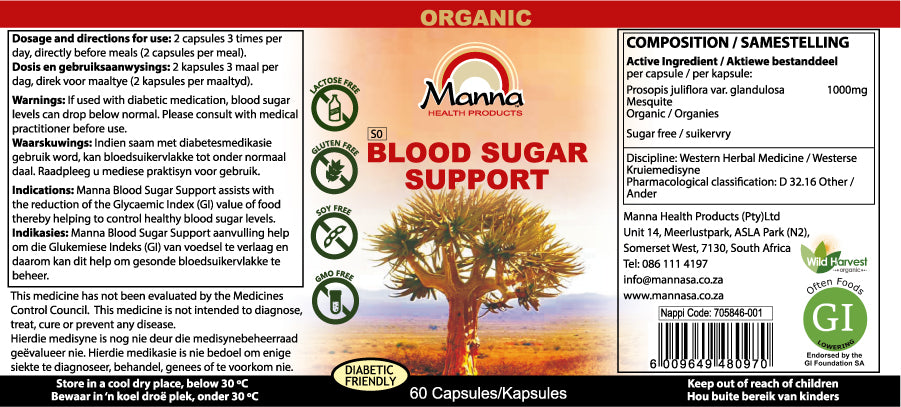
- Natural Supplements: Consider using a natural blood sugar support supplement to assist with glucose balance and insulin function.