Diabetes – by Marthinus Opperman – May 16, 2025
Insulin Resistance: Causes, Symptoms & How to Fix It Naturally
Insulin resistance is becoming a familiar term.
But what is it? And more importantly, what causes it?
Many people are unaware of the lurking dangers of insulin resistance. They might be doing things daily that bring them closer and closer to developing it. But before we look at what causes insulin resistance, let’s first see exactly what it is…
What is Insulin Resistance?
In short, insulin resistance is a condition where the body’s cells become resistant to the effects of the hormone known as insulin. This is a problem because insulin keeps blood sugar levels stable.
Insulin resistance results in persistently high blood sugar, which can lead to numerous other health issues.
What causes insulin resistance?
Insulin resistance can be caused by different factors or a combination of these factors. The most common causes of insulin resistance are:
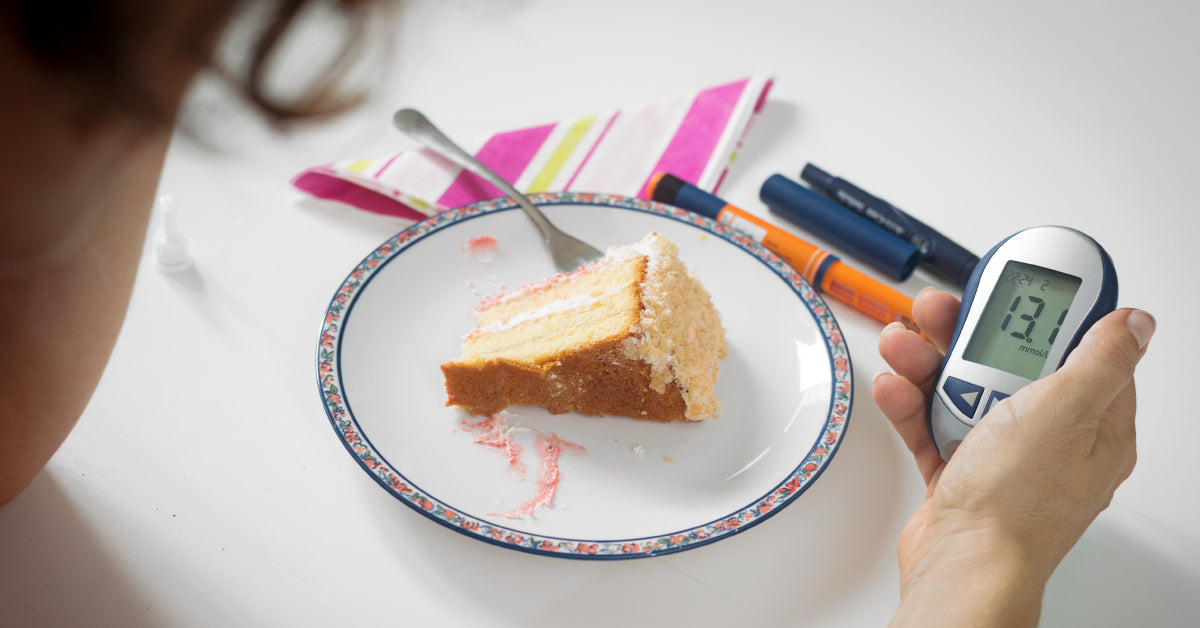
Eating high-carb and high-sugar foods
Eating too much food that contains refined carbohydrates and sugar causes the body to release a lot of insulin to balance blood sugar levels. This, in turn, results in more insulin being released than the body can use. This causes more fat to be stored. This continues cycle then results in the body becoming unresponsive to insulin, or as the name states, insulin-resistant.
Carrying around extra weight
This is actually also a result of the process mentioned above. The excess insulin in the body causes fat to be stored in the body’s cells instead of being used as energy. But this also feeds into a vicious cycle, making the cells even less responsive to insulin and worsening insulin resistance further.
A lack of exercise
Exercise helps process sugar from the food we eat and creates a need to burn it rather than store it as fat. Thus, a lack of exercise can make it more difficult to burn or process the sugar and carbs from the food we eat, which means the body has to release even more insulin to keep up.
Smoking tobacco products
It is actually due to the nicotine in cigarettes, cigars, pipes, or e-cigarettes that affects the insulin levels. Nicotine can cause blood sugar levels to go up, as well as go down. This is not good news for the insulin levels, as they are directly linked to the blood sugar levels. So when blood sugar levels fluctuate, it makes it even harder for the body to release the right amount of insulin, and this can directly impact insulin resistance.
Stress
When we are stressed, the body releases a hormone called cortisol. This is why cortisol is referred to as the “stress hormone”. Cortisol makes the body more insulin-resistant and, therefore, worsens insulin resistance.
Not getting enough sleep.
Too little sleep at night can adversely affect blood sugar and insulin levels. This is because the body releases more cortisol, the hormone mentioned above, when we do not get enough sleep.
Genetics
Insulin resistance, or at least an increased risk thereof, can be passed down from one generation to the next. So people with a family history of insulin resistance should be cautious.
Certain medications
Certain types of medication may also increase the risk of developing insulin resistance. The most common of these medications include Corticosteroids, Thiazide diuretics, Beta-blockers, Antipsychotics, and Statins.
The Metabolic Syndrome
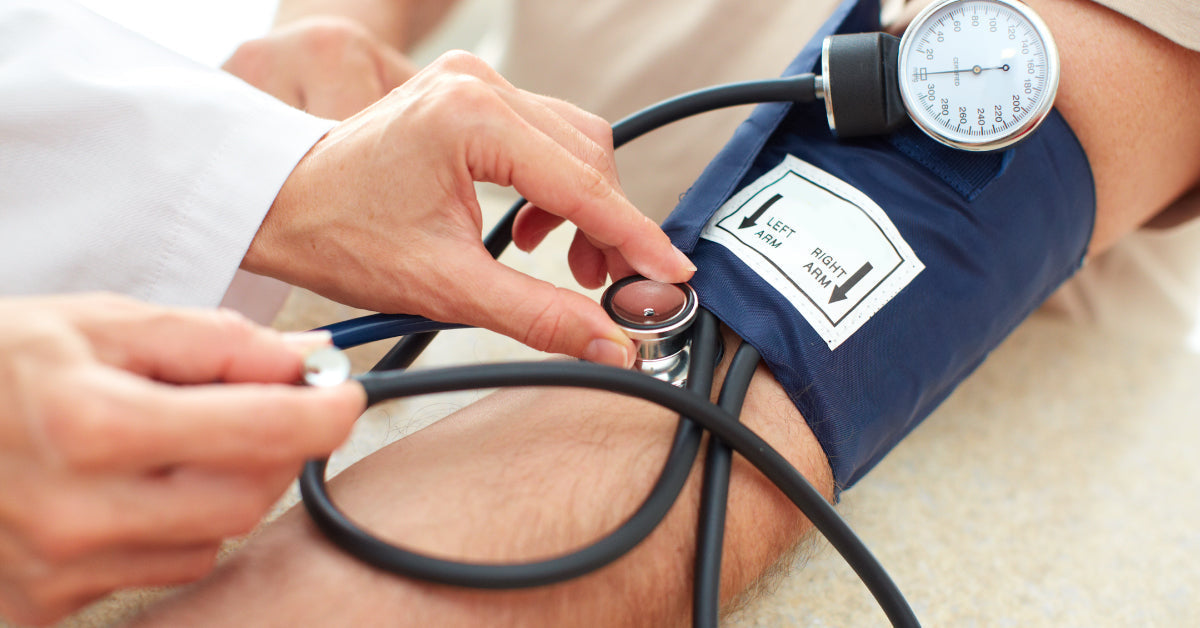
A group of conditions known as metabolic syndrome can also play a significant role in the development of insulin resistance. The metabolic syndrome is characterised by a combination of the following: increased blood pressure, high blood sugar, excess body fat around the waist, and abnormal cholesterol or triglyceride levels.
Obesity
Obesity usually goes hand-in-hand with insulin resistance. Some argue that it is a symptom of insulin resistance, rather than a cause. But in many cases, this is a “the chicken or the egg” scenario, as one may lead to the other depending on the individual.
Pregnancy
During pregnancy, the body becomes almost 60% less responsive to insulin. This means it can easily lead to insulin resistance if not correctly managed.
Inactivity
Apart from not exercising, our lifestyles have generally become less active. Most of us have office jobs and spend much of our free time sitting. Whether it is watching TV, sitting in front of the computer, or driving around to get to the shops, we have become much less active in general than we were a few decades ago.
Steroid use
Using certain kinds of steroids, such as Prednisone, can increase blood sugar levels. That is why it is essential to take note of the ingredients of any supplements and even medications before using them.
What are the symptoms of insulin resistance?
Although there might not be any clear-cut symptoms at first, here are a few signs to look out for that may indicate insulin resistance…
Extreme thirst
Frequent urination
Not feeling full after a meal
Tingling in the hands and feet due to nerve damage
Constantly feeling fatigued
How is insulin resistance diagnosed?
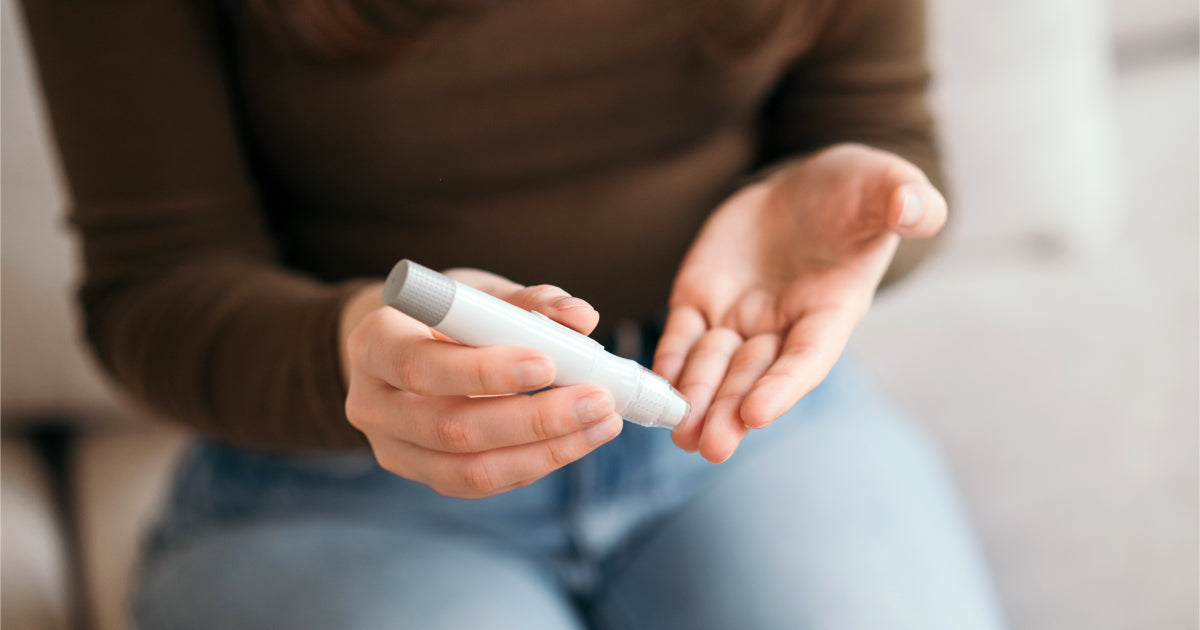
Usually, the measurement of the fasting blood glucose levels, along with the insulin levels, will be enough to determine whether or not insulin resistance and/or diabetes is present.
Moreover, a qualified healthcare professional can determine a person's risk of developing insulin resistance by taking a detailed history, performing a physical examination, and conducting simple laboratory testing, based on individual risk factors.
Common Complications of Insulin Resistance:
Insulin resistance may lead to various other health complications, but the most common ones are…
Acanthosis Nigricans –
This is a skin condition in which dark patches appear on the back of the neck, in the armpits, and in the groin. Sometimes this can be the first noticeable symptom of insulin resistance.
There is no specific treatment for dark patches on the skin, but some of the original skin colour can be regained by addressing the root cause: insulin resistance.
Damage to the Blood Vessels –
Seeing that insulin resistance leads to constant levels of high blood sugar in the body, it can cause damage and deterioration in the blood vessels, which in turn leads to an increased risk of heart disease and stroke.
Type-2 Diabetes –
More often than not, insulin resistance leads to type 2 diabetes, and this is once again due to the continuous high blood sugar levels. As with insulin resistance, type-2 diabetes may only be discovered after several months or years, after which it might have already caused significant harm to the body.
How can insulin resistance be treated?
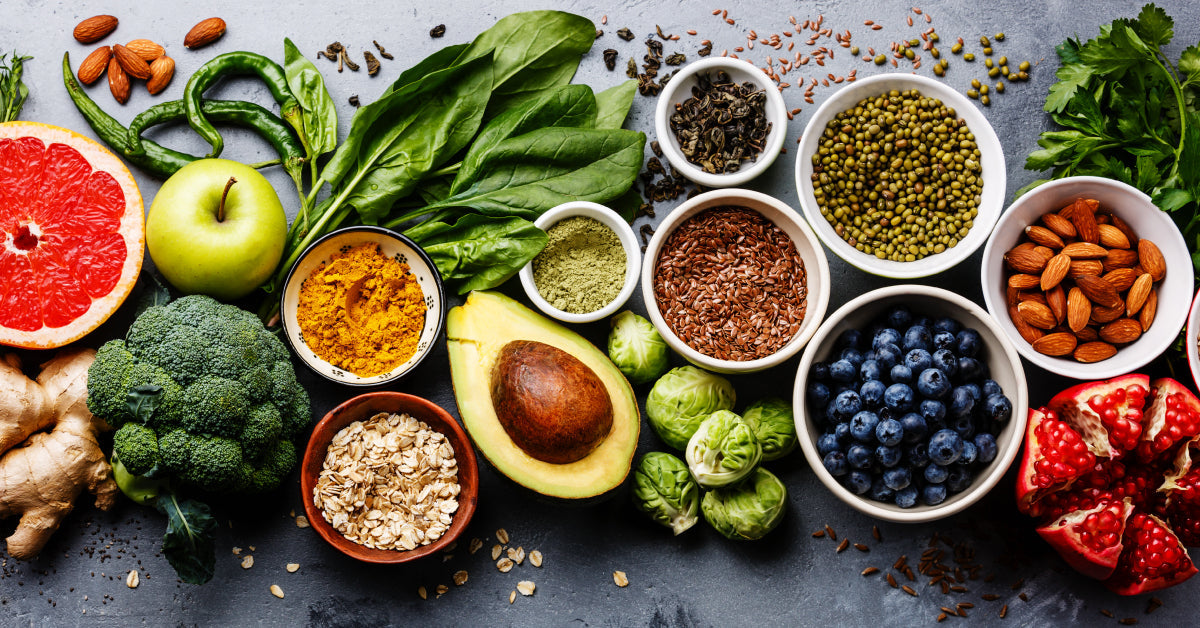
The most effective way to treat insulin resistance is by making healthy lifestyle changes. These changes include:
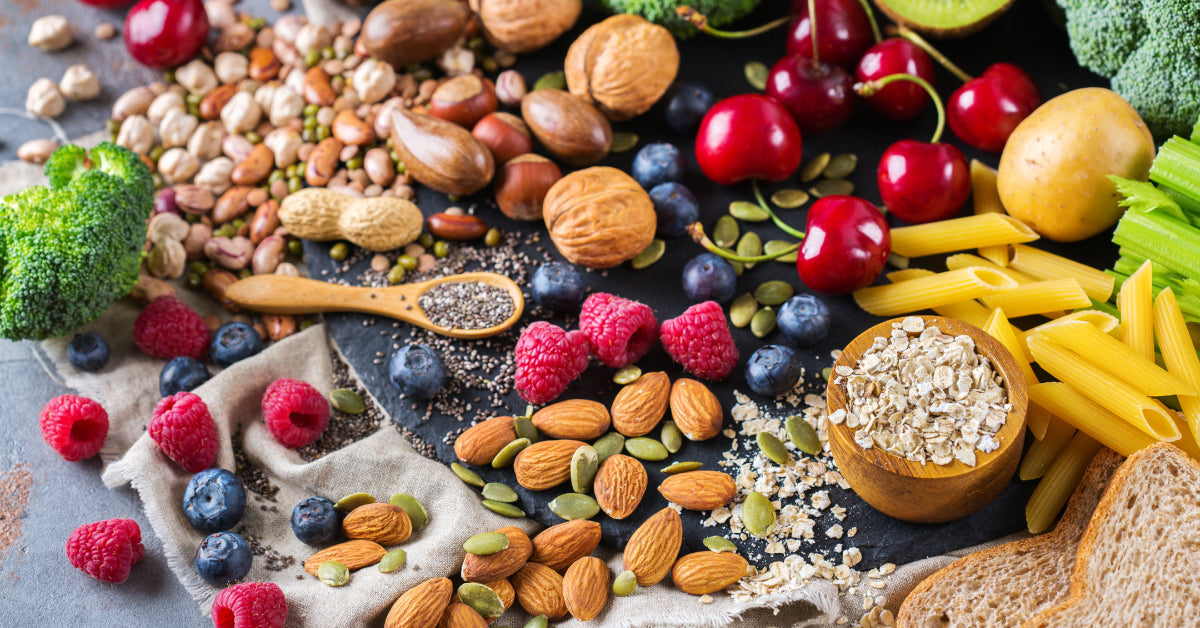
Eating Healthy –
This does not mean eating salad 3 times a day. It is all about following a balanced, healthy eating plan that is sustainable in the long run.
A great example of such an eating plan is the Manna Diet which is available as a FREE downloadable eBook.
Exercising –
There are countless different exercise routines. And everybody prefers a different one. The main thing is to find an exercise that we enjoy so that we don’t quit after the first week.
So whether we like to go to the gym, cycle, swim, or hike, we must make sure to get active for at least 30 minutes, 4 times a week.
Natural supplements –
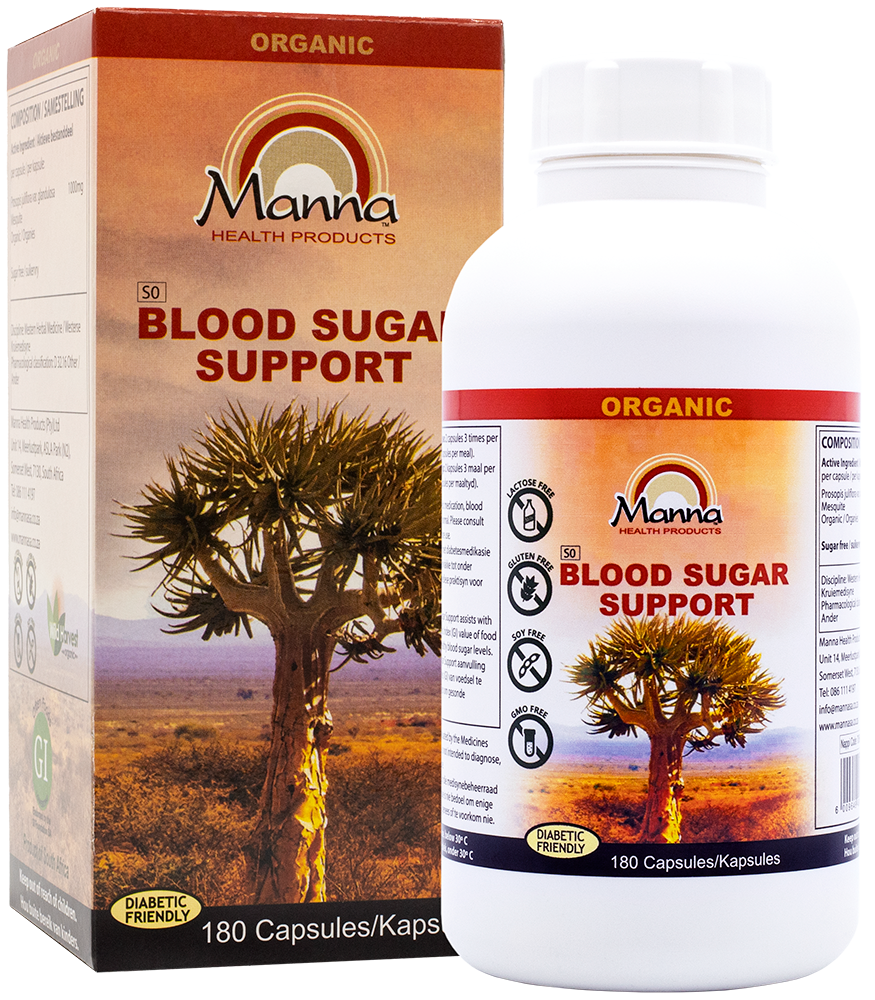
This fantastic product helps to keep blood sugar levels under control. But because it helps control blood sugar levels, it also helps control insulin levels.
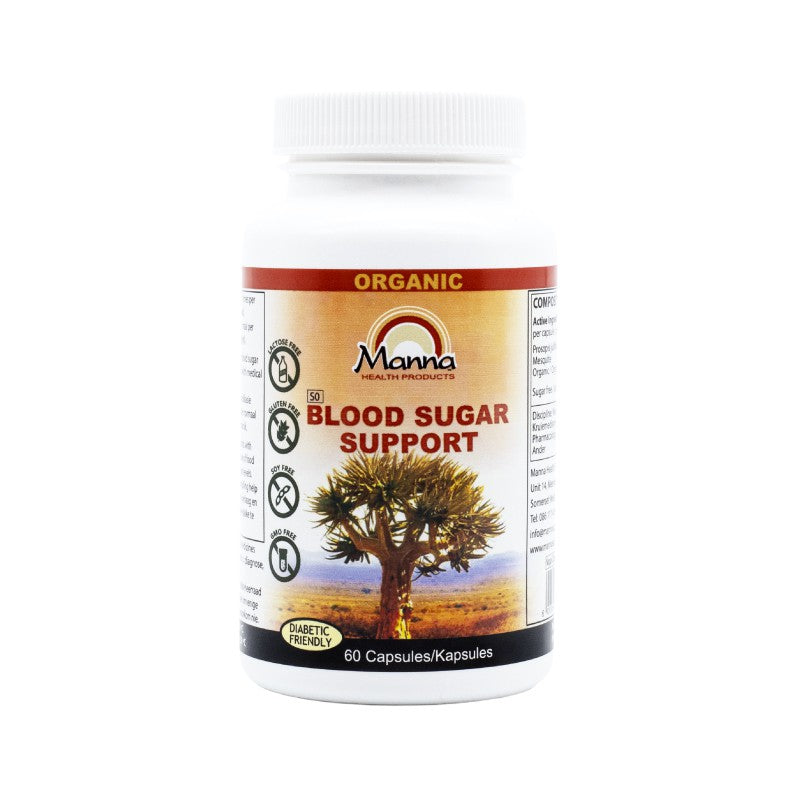
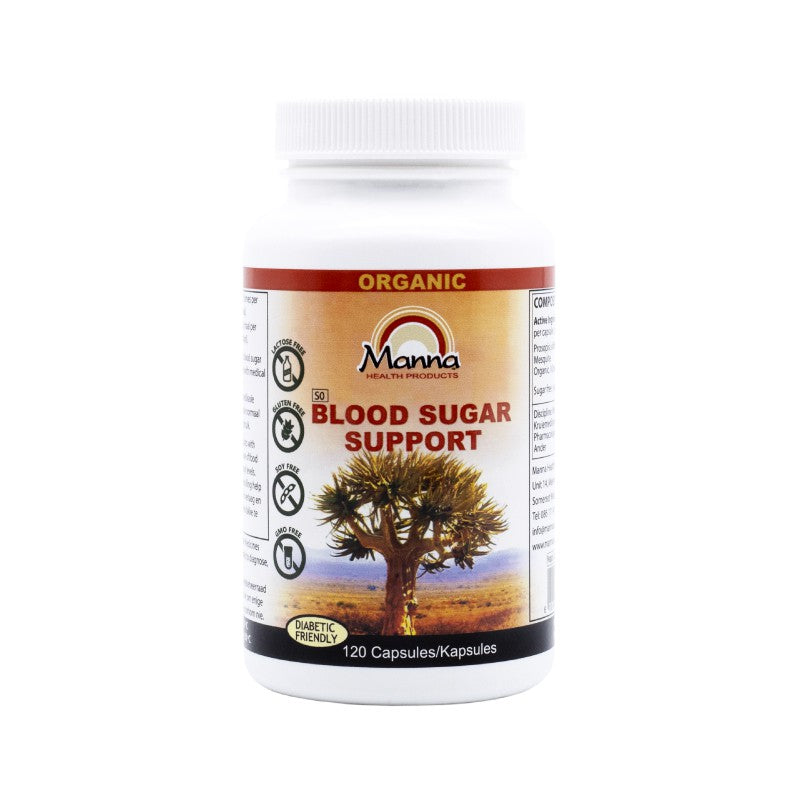
Manna Blood Sugar Support can help the body respond more effectively to insulin and use it more effectively.
What is Manna Blood Sugar Support?
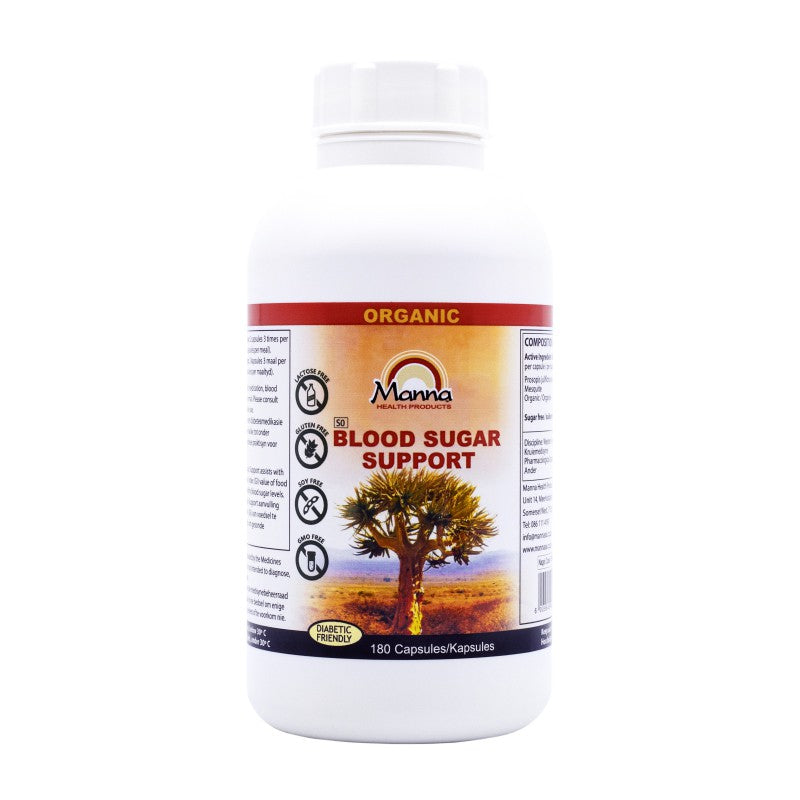
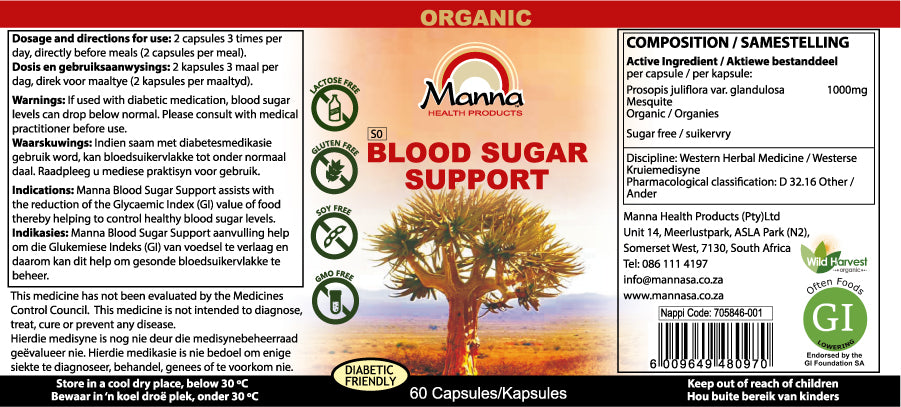
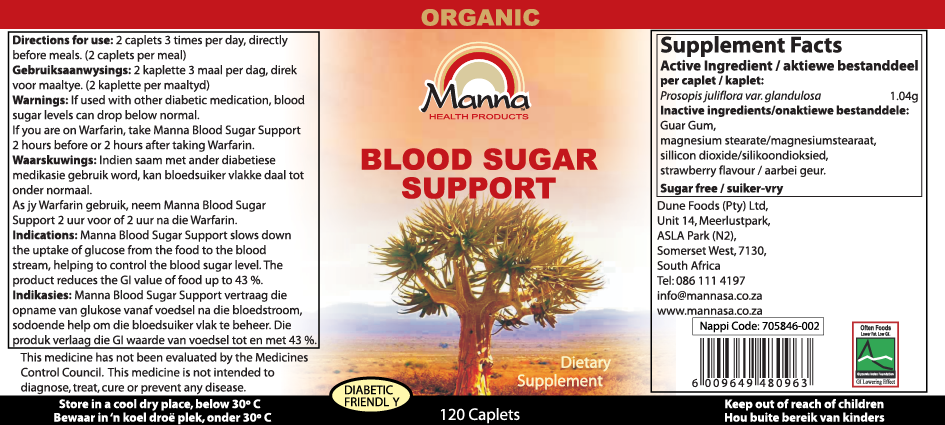
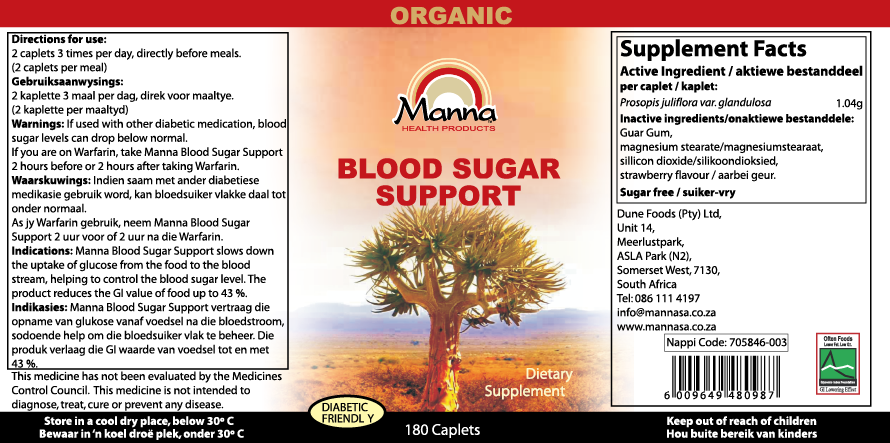
The Manna Blood Sugar Support is an all-natural health supplement made from the pods of the Prosopis (Mesquite) tree, and it has no adverse side effects like many chemical alternatives.
How does the Manna Blood Sugar Support work?
Manna Blood Sugar Support gels with the food we eat and then slowly releases the sugar from this food into the bloodstream. What this means is that blood sugar levels do not spike, and there is no need for the pancreas to release large amounts of insulin.
It is the perfect thing to help keep blood sugar levels balanced and manage insulin resistance!
Benefits of Manna Blood Sugar Support
Helps to Lower High Insulin Levels, which helps treat insulin resistance
Helps to maintain even blood sugar levels
Keeps us more satisfied after a meal, which means that the same meal can take us much further and cause us to eat less, which can help with natural weight loss.
Helps to control cravings
Helps to keep energy levels higher for longer
Balanced blood sugar levels can help to prevent diabetic health complications
Helps to Lower High Blood Pressure
FAQ's
Is insulin resistance reversible?Yes, in many cases, lifestyle changes can improve insulin sensitivity.
What foods help with insulin resistance?Low-GI foods, fibre-rich vegetables, legumes, lean protein, cinnamon, and Manna Blood Sugar Support.
What foods make insulin resistance worse?Sugary drinks, white bread, pastries, processed carbs, and deep-fried foods.
Improving insulin resistance doesn’t have to be complicated. Simple daily choices make a big difference. If you want natural support for blood sugar balance, learn more about Manna Blood Sugar Support.