


Diabetes affects more than just blood sugar—it can also take a toll on your teeth and gums. People with diabetes are more prone to gum disease, dry mouth, and tooth decay, which can lead to serious dental problems if left unchecked.
In this article, we’ll explore the connection between diabetes and oral health and share the best dental care tips to keep your smile healthy.
How Does Diabetes Affect Teeth and Gums?
1. Increased Risk of Gum Disease (Periodontitis)
Diabetes weakens the immune system, making it harder to fight off infections—including those in your mouth. High blood sugar levels feed harmful bacteria, leading to plaque buildup, gum inflammation, and eventually periodontitis, a severe form of gum disease.
Signs of gum disease include:
- Red, swollen, or bleeding gums
- Receding gums
- Bad breath
- Loose teeth
- Pus between teeth and gums
If left untreated, gum disease can result in tooth loss and may even make it harder to control blood sugar levels, creating a dangerous cycle.
2. Dry Mouth and Cavities
People with diabetes often experience dry mouth (xerostomia) due to decreased saliva production. Since saliva helps wash away food particles and bacteria, a lack of it can lead to:
- Cavities (tooth decay)
- Mouth sores
- Infections
Drinking plenty of water and using sugar-free gum or mouth rinses can help keep the mouth moist.
3. Slow Healing and Higher Risk of Infections
Diabetes slows the body’s ability to heal, so mouth sores, gum infections, and dental surgeries take longer to recover. This increases the risk of complications like abscesses and severe oral infections.
4. Bad Breath (Halitosis)
Chronic bad breath in diabetics may be due to gum disease, dry mouth, or high ketone levels from uncontrolled blood sugar. A consistent oral care routine can help prevent unpleasant odors.
Best Oral Care Tips for Diabetics
Keeping your teeth and gums healthy is crucial for managing diabetes. Here are key oral care tips to prevent dental problems:
1. Control Your Blood Sugar
Good blood sugar control reduces the risk of oral infections and gum disease. Monitor your glucose levels, eat a balanced diet, and take prescribed medications as directed.
2. Brush and Floss Daily
- Brush twice a day with a soft-bristled toothbrush and fluoride toothpaste.
- Floss at least once a day to remove plaque between teeth.
- Consider using an antibacterial mouthwash to kill bacteria.
3. Stay Hydrated
Drink plenty of water to combat dry mouth and help flush out bacteria. Avoid sugary drinks, as they can promote cavities and increase blood sugar levels.
4. Visit Your Dentist Regularly
Schedule dental check-ups at least twice a year. Inform your dentist about your diabetes, so they can monitor for any oral health issues.
5. Quit Smoking
Smoking worsens gum disease and slows healing. If you smoke, consider quitting to improve your oral and overall health.
6. Eat a Tooth-Friendly Diet
- Reduce sugar intake to prevent cavities.
- Eat foods rich in calcium, vitamin D, and fiber to strengthen teeth and gums.
- Crunchy vegetables like carrots and celery help clean teeth naturally.
7. Use a Moisturizing Mouthwash or Sugar-Free Gum
If dry mouth is a problem, opt for alcohol-free mouthwash and sugar-free gum to stimulate saliva production.
Final Thoughts
Diabetes and dental health go hand in hand. By managing blood sugar levels and following a solid oral care routine, you can prevent tooth decay, gum disease, and other complications.
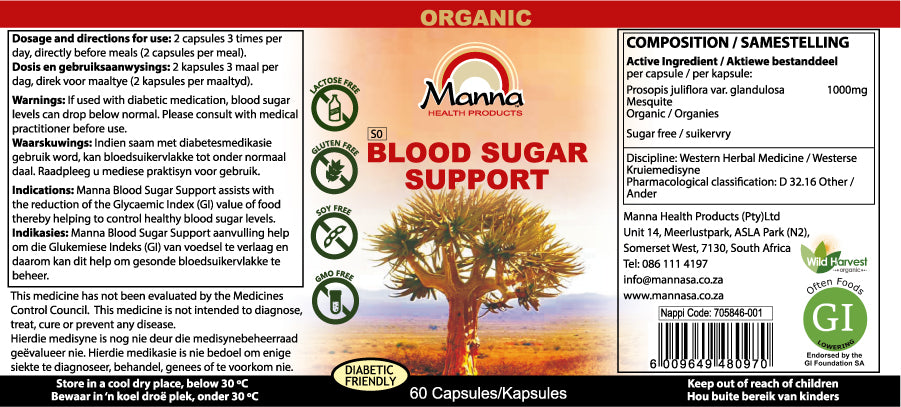
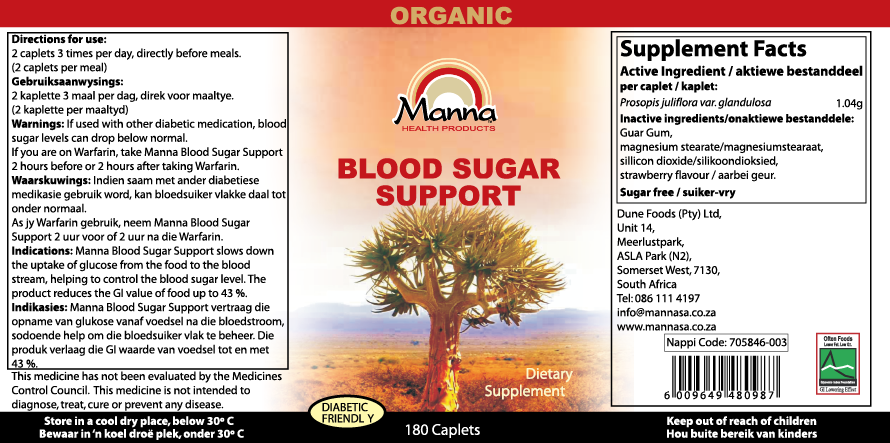
At Manna Health, we believe in a holistic approach to managing diabetes. Along with proper oral care, our natural blood sugar support can help maintain balanced blood sugar levels.