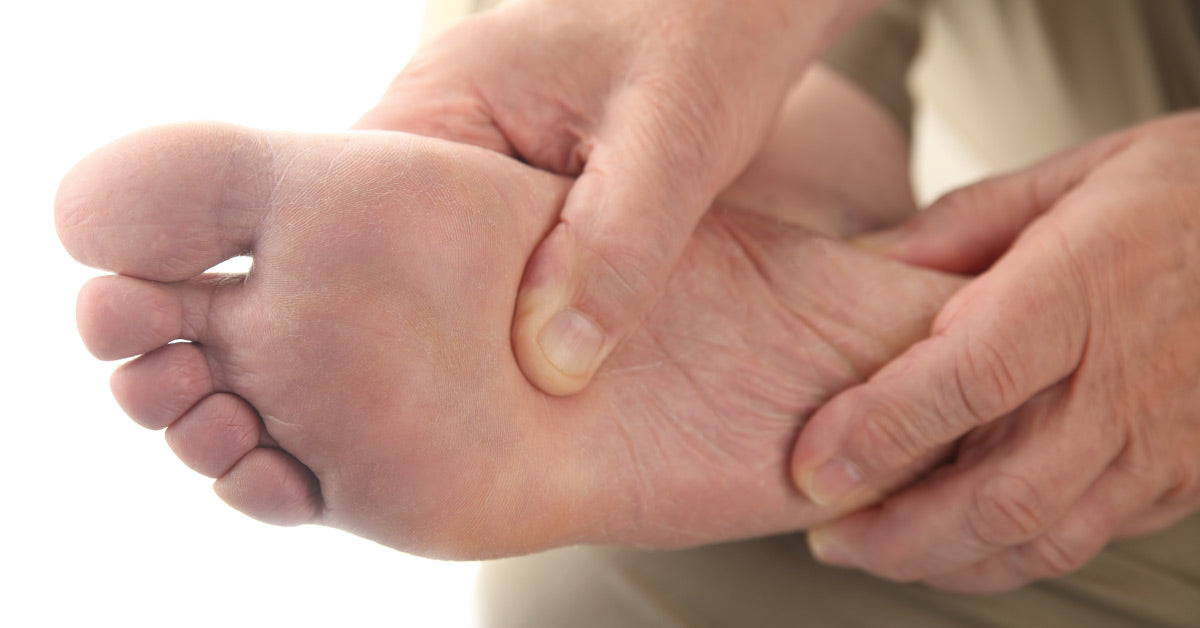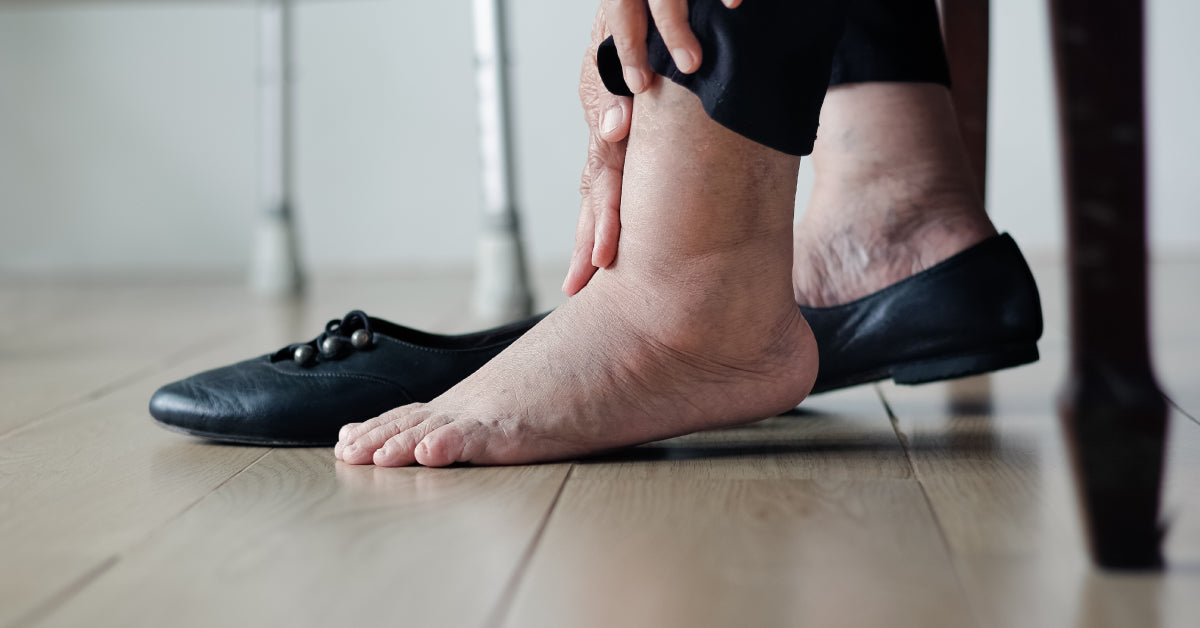



You finally take your shoes off and sit down, hoping your feet will settle. Instead, the heat and tingling carry on. Perhaps the soles feel as though they are burning, even when the skin does not feel especially warm.
When you look for answers, diabetes seems to come up everywhere. But what if you do not have diabetes? Why would your feet still feel this way?
Burning feet can have several causes. Diabetes is one possible reason, but it is not the only one. Understanding what else may be involved can help you take the next step towards more comfortable feet.
Burning Feet Do Not Always Mean Diabetes
Diabetes can damage the nerves over time, which is why it is often mentioned alongside burning feet. However, nerves can also be affected by pressure, injury, certain vitamin deficiencies and other health conditions.
Sometimes the discomfort comes from the skin itself. This is why the possible causes of burning feet need a closer look.
A burning sensation alone cannot tell you whether your blood sugar is high or normal. If you have never been tested, it is worth checking rather than assuming diabetes has been ruled out.
What Else Could Be Causing the Burning?
Pressure on a Nerve
Your nerves carry messages about touch, temperature and pain. When a nerve is squeezed or irritated, it can produce burning, tingling or shooting sensations.
One example is tarsal tunnel syndrome, where a nerve is compressed near the inside of the ankle. This can cause discomfort in the sole of the foot without diabetes being involved.
Noticing exactly where the burning starts can be useful when having it assessed.
Low Vitamin B12 Levels
Vitamin B12 helps keep your nerves working properly. Low levels can contribute to nerve problems, including tingling or altered feeling in the feet.
However, symptoms alone cannot confirm a deficiency. Testing can help establish whether B12 is part of the problem.
The aim is to understand whether there is a deficiency before deciding how to correct it. Take a list of your medicines and supplements along to your assessment, including products you use occasionally. This gives a clearer picture of what you are already taking.
Adding several vitamin products without checking their ingredients is not the answer either. Excess vitamin B6 from supplements can itself cause nerve damage.
A Skin Problem
If your feet burn and itch, look for changes in the skin. Athlete’s foot, a fungal infection, can cause sore, flaky or cracked patches, especially between the toes.
A skin infection needs the correct treatment. A cooling product may feel soothing, but it cannot clear a fungal infection.
Our guide to burning, tingling or numb feet explains the differences between nerve, circulation and skin symptoms.
Other Conditions or Certain Medicines
An underactive thyroid, kidney disease, long-term heavy alcohol use and some medicines can affect the nerves. Occasionally, no clear cause is found even after testing.
If the symptoms began after starting or changing a medicine, mention this during an assessment. Do not stop prescribed treatment on your own.
Changes in Blood Flow
Circulation problems can also cause foot discomfort. Coldness, changes in skin colour, slow-healing sores or leg pain when walking are clues that deserve attention.
If you also notice feet that feel colder than usual, include that detail when describing your symptoms. Feeling hot inside the foot does not automatically mean the skin is hot or that circulation is the cause.
The Pattern Can Offer Useful Clues
You do not need to work out the cause yourself. A few observations can make it easier to explain what is happening:
- Does it affect one foot or both?
- Is the burning in the toes, soles or around the ankle?
- Are there visible skin changes?
- Is there tingling, numbness or weakness too?
- Does it happen during activity, after wearing certain shoes or at night?
If evenings are particularly uncomfortable, you may recognise the experience described in our article on burning feet that feel worse at night.
Try describing the feeling in your own words. A hot surface, a deep burning feeling and pins and needles can be difficult to explain. You do not need medical terms. Describe where you feel it and how it affects your day.
When Your Feet Need More Attention
Arrange an assessment if burning keeps returning, becomes more painful, disturbs your sleep or comes with reduced feeling.
Seek urgent medical help for a suddenly cold, pale or blue foot, sudden weakness, or severe pain. A wound with spreading redness, swelling or signs of infection also needs prompt attention.
Getting the cause checked gives you a clearer plan. It also helps you avoid spending time on products that do not address the problem.
Cooling Comfort for Burning Feet
While the cause is being identified and managed, everyday comfort still matters.
Manna Burning Feet Gel is formulated to help soothe symptoms associated with burning feet. It offers topical cooling comfort as part of your foot-care routine.
The formula contains jojoba oil, glycerine, sodium hyaluronate, MSM and botanical ingredients including arnica and chamomile.
Think of the gel as one part of a wider care plan. Your routine can include checking your feet, keeping track of changes and following the advice given for the cause of your symptoms.
Apply according to the product directions. It is for external use only. If your skin is broken, infected or has reduced feeling, get advice before applying it.
The gel is not suitable during pregnancy or breastfeeding, or for people with epilepsy, uncontrolled high blood pressure or sensitivity to its ingredients. It is not a medicine or a cure for the underlying cause.
Take a Step Towards More Comfortable Feet
Burning feet deserve attention, whether you have diabetes or not. Understanding your symptoms and finding appropriate care can help you move forward with more confidence.
For topical comfort alongside that care, explore Manna Burning Feet Gel and see whether it fits your daily routine.