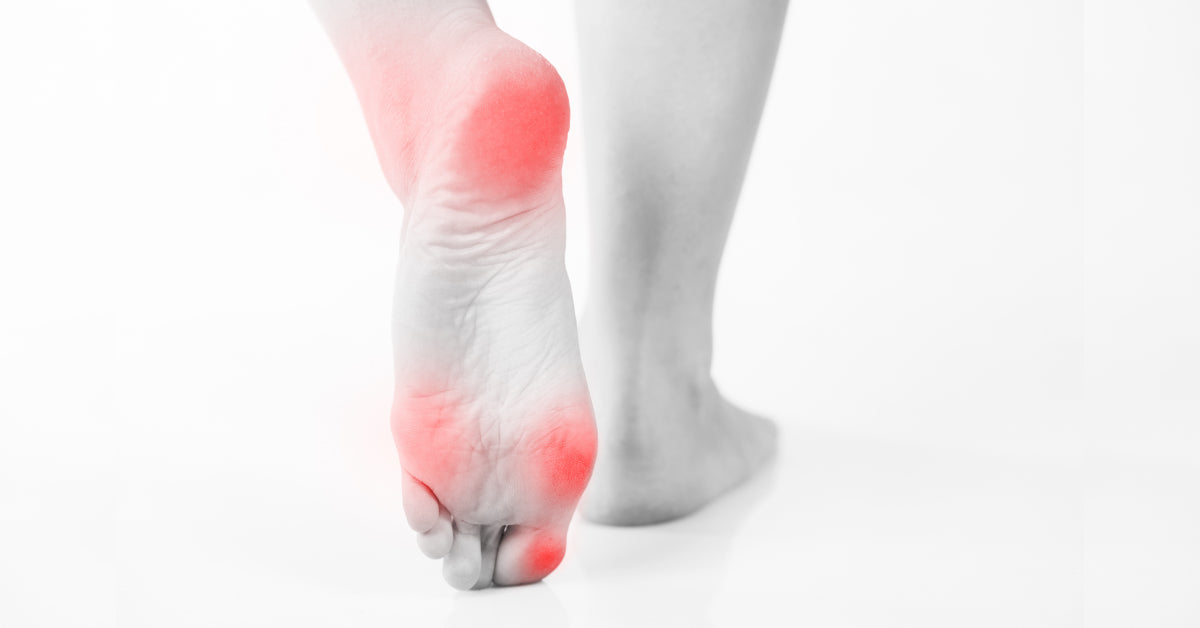



Do your feet feel hot even though they are cool to the touch? Perhaps you experience pins and needles, reduced feeling or an uncomfortable burning sensation at night.
These symptoms are often grouped together, but they do not always have the same cause. Burning, tingling and numbness may be linked to the nerves, blood circulation or a condition affecting the skin. In some cases, more than one problem may be involved.
The pattern of your symptoms can provide helpful clues. However, it cannot confirm the cause. Persistent or worsening symptoms should always be discussed with a healthcare professional.
Signs Your Symptoms May Be Nerve-Related
Your nerves carry messages between your feet, spinal cord and brain. When these nerves become irritated or damaged, they may send incorrect signals or stop carrying certain signals properly.
Possible signs of a nerve-related problem include:
- Burning, tingling or pins and needles
- Reduced feeling in the toes or feet
- Symptoms affecting both feet in a similar way
- Discomfort that starts in the toes and gradually moves upwards
- Symptoms that become more noticeable at night
- Pain or sensitivity caused by light touch, such as a bedsheet
- Problems with balance or weakness in the feet
This type of nerve problem is known as peripheral neuropathy. Diabetes is a common cause, but neuropathy may also be linked to vitamin B12 deficiency, thyroid or kidney conditions, certain medicines, injuries or pressure on a nerve.
For a fuller overview of the possible causes, read Burning Feet: Causes and Treatment.
Numbness is particularly important because it may prevent you from noticing heat, pressure, blisters or small injuries. Damaged sensory nerves can affect the ability to feel touch, pain and temperature changes.
If your discomfort becomes more noticeable after bedtime, read Why Do Burning Feet Get Worse at Night and What Can You Do Before Bed?
Signs Poor Circulation May Be Involved
Healthy circulation delivers oxygen and nutrients to your feet. When blood flow is reduced, your feet may not receive what they need to stay healthy and recover properly.
Possible circulation-related clues include:
- One foot feeling colder than the other
- Pale, blue or unusually discoloured skin
- Pain, aching or cramping while walking that improves with rest
- Slow-healing cuts or sores
- Weakness or numbness in the leg or foot
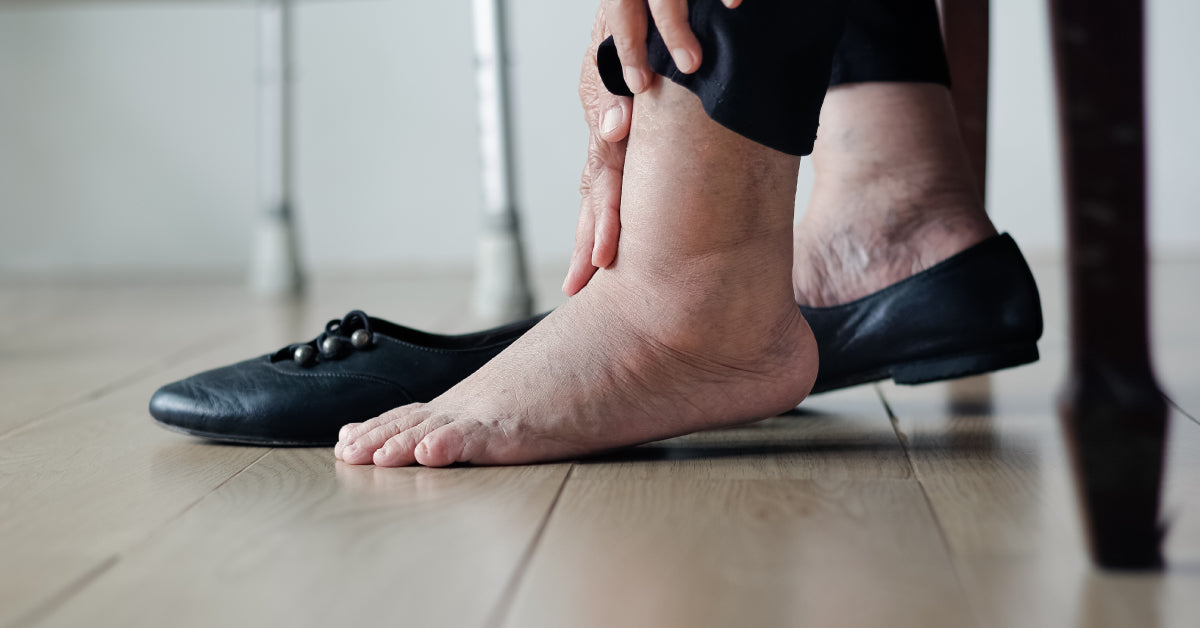
- Swelling, aching or heaviness after sitting or standing for long periods
Peripheral artery disease, commonly called PAD, is one possible cause of reduced blood flow to the legs and feet. PAD may cause walking pain, temperature differences between the feet, skin colour changes and wounds that heal slowly.
Not everyone with poor circulation experiences the same symptoms. Some people may have only mild or unusual signs, which is why a professional assessment is important.
You can learn more about common symptoms and causes in Poor Blood Circulation in the Arms and Legs.
Signs It May Be a Skin Problem
When burning or stinging comes from the skin, there are often visible changes as well.
Look for signs such as:
- Itching between the toes or on the soles
- Peeling, flaky or scaly skin
- Cracks between the toes
- Red or irritated patches
- Small blisters
- Moist, soft skin between the toes
- An unusual foot odour
Athlete’s foot is a common fungal infection that may cause itching, burning and stinging. It often starts between the toes but can spread to the soles and sides of the feet. These symptoms require the correct skin treatment rather than relying only on a product intended to soothe burning discomfort.
Redness, warmth, swelling or broken skin may also indicate irritation or infection. People with diabetes should have these changes checked promptly because reduced sensation and circulation can make foot problems harder to notice and slower to heal.
Can You Have More Than One Cause?
Yes. Nerve, circulation and skin problems can happen together.
For example, diabetes may damage the nerves, reduce circulation and make it harder for the skin to recover from an injury or infection. Someone may therefore experience numbness from neuropathy while also developing a skin problem they cannot easily feel.
This is why it is safer to look at the complete picture instead of assuming that every burning sensation has the same cause.
What May a Healthcare Professional Investigate?
Your doctor or podiatrist will usually begin by asking questions such as:
- When did the symptoms start?
- Do they affect one foot or both?
- Are they constant or do they come and go?
- Are they worse at night, while walking or after standing?
- Have you noticed any skin, temperature or colour changes?
- Do you have diabetes or another long-term health condition?
- Are you taking any medicines that may affect the nerves?
The examination may include checking your skin, foot temperature, blood flow, muscle strength, reflexes and ability to feel touch or vibration.
Depending on the findings, blood tests may be used to check blood sugar, vitamin B12 levels, thyroid function or other possible causes. Nerve conduction tests may sometimes be needed. If circulation is a concern, blood pressure or ultrasound tests may be used to assess blood flow.
When Should You Seek Medical Help?
Arrange a medical assessment if your symptoms are new, keep returning, are getting worse or affect your sleep and daily activities.
Seek prompt medical care if you notice:
- A cut, blister or sore that is not healing
- Signs of a foot infection
- A clear change in foot colour or temperature
- Increasing weakness or problems with balance
- A sudden loss of feeling
- One foot becoming unusually cold, pale or blue
- Difficulty moving the foot
People with diabetes should report new burning, tingling, numbness or skin changes early rather than waiting for them to become more serious.
Daily Care for Burning or Sensitive Feet
Good daily foot care can help you notice changes early:
- Check the tops, soles and spaces between your toes every day.
- Wash your feet in warm, not hot, water.
- Dry carefully, especially between the toes.
- Wear clean socks and comfortable, well-fitting shoes.
- Check inside your shoes for stones or rough areas.
- Avoid walking barefoot.
- Follow your healthcare plan for managing blood sugar and circulation.
People with diabetes are generally advised not to soak their feet because soaking can dry the skin and make it more vulnerable.
For a complete daily foot-care routine, read Better Foot Health for People With Diabetes.
Where Manna Burning Feet Gel Fits In
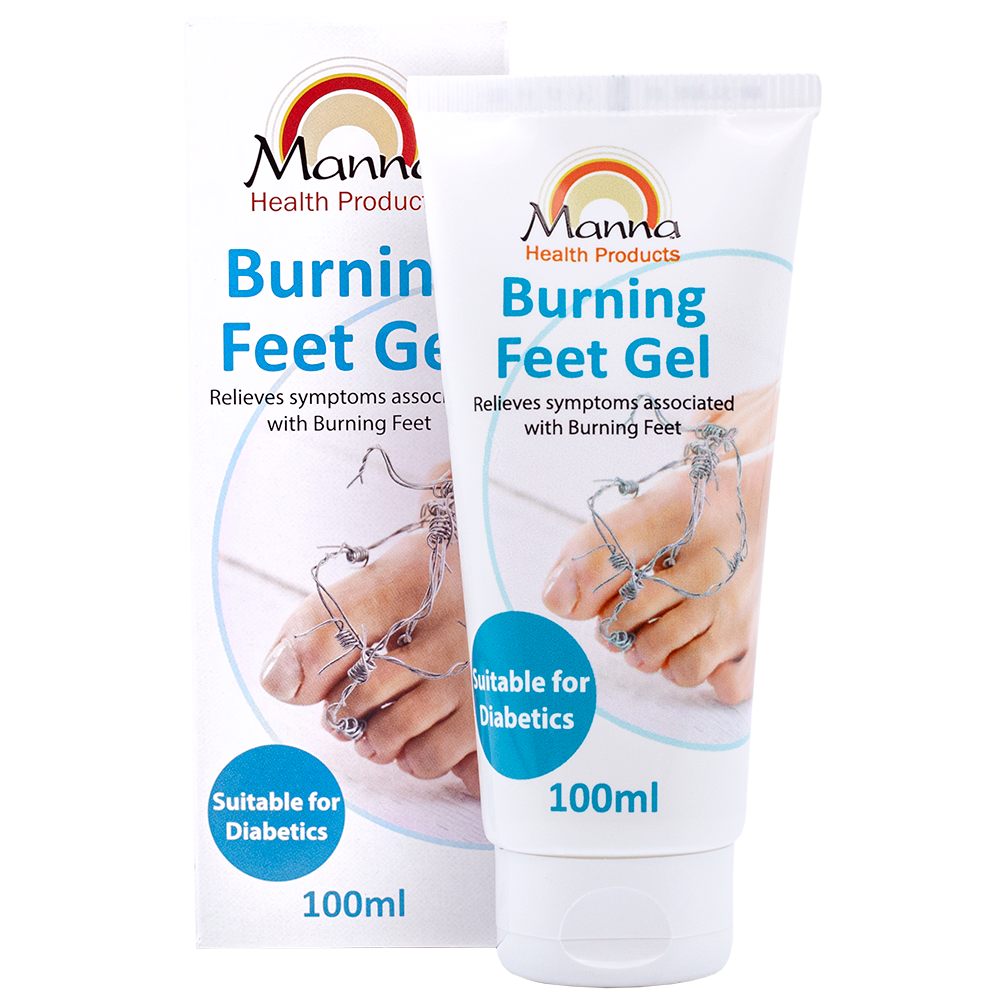
Manna Burning Feet Gel is a topical product formulated to help relieve symptoms associated with burning feet. It can be used as a practical comfort measure while the possible cause of the symptoms is being identified and managed.
The gel does not diagnose or correct an underlying nerve, circulation or skin condition. Persistent symptoms still require professional advice.
Adults and older children should apply the gel according to the current product directions. It is for external use only and contact with the eyes should be avoided. The product is not suitable for people with epilepsy, uncontrolled hypertension, a known sensitivity to its ingredients, or during pregnancy and breastfeeding.
If you have reduced feeling, broken skin, a blister, an ulcer or signs of infection, speak to a healthcare professional before applying any topical product.
Burning, Tingling and Numb Feet: What Your Symptoms May Be Telling You
Burning, tingling or numb feet should never be ignored, especially when symptoms persist or change over time. While products like Manna Burning Feet Gel may offer temporary comfort, they work best as part of a broader approach that includes understanding the possible cause and addressing it early.
Paying attention to your symptoms, caring for your feet daily and seeking medical advice when needed can make a meaningful difference to your long-term foot health and comfort.