


You mark the date on your calendar. A few weeks pass, followed by a few more.
Your period eventually arrives when you least expect it, or it does not arrive at all.
For many women living with polycystic ovary syndrome, better known as PCOS, irregular periods can be one of the most frustrating symptoms. It can feel as though your body is working according to its own unpredictable schedule.
However, your period does not work on its own. Blood sugar, insulin, hormones and ovulation are all connected. Understanding this connection may help explain why improving your blood sugar balance could also help your cycle become more predictable.
Why PCOS Can Make Your Periods Irregular
A period usually follows ovulation. This is when one of the ovaries releases an egg.
With PCOS, ovulation may not happen regularly. An egg may not be released every month, which means your period may arrive late, disappear for several months or follow no clear pattern.
PCOS can affect ovulation in several ways, but insulin resistance is an important part of the picture for many women.
What Is Insulin Resistance?
Insulin is a hormone that helps move glucose out of your bloodstream and into your cells, where it can be used for energy.
When you have insulin resistance, your cells do not respond to insulin as effectively as they should. Your body then produces more insulin to complete the same job.
This can continue for some time before your blood sugar becomes noticeably high. Your glucose may still appear normal because your body is producing extra insulin to keep it under control.
Over time, this extra demand can place the body under greater metabolic pressure. You can read more about the health risks connected to insulin resistance.
How High Insulin Can Affect Ovulation
Insulin does more than control blood sugar. It can also influence the ovaries and other hormones involved in the menstrual cycle.
Higher insulin levels may encourage the ovaries to produce more androgens. Although androgens are often called male hormones, women naturally produce them too. The problem begins when the levels become too high.
Excess androgens can interfere with the development and release of an egg. When ovulation is delayed or does not happen, the period that normally follows it may also be delayed or absent.
This creates a chain reaction:
- The cells respond poorly to insulin
- The body releases more insulin
- Higher insulin can increase androgen activity
- Higher androgen levels can interfere with ovulation
- Irregular ovulation can lead to irregular periods
This does not mean that insulin resistance is the only cause of irregular periods in every woman with PCOS. It does mean that improving the way your body manages glucose and insulin may remove one of the obstacles affecting your cycle.
Can Steadier Blood Sugar Make Periods More Predictable?
Keeping blood sugar steadier may help create a better metabolic environment for regular ovulation.
When glucose enters the bloodstream very quickly after a meal, the body may need to release more insulin to manage it. A sharp rise can also be followed by a faster drop, leaving you tired, unfocused or hungry again shortly after eating.
If this sounds familiar, learn more about why you may feel hungry shortly after a full meal.
When glucose is released more gradually, the body may not need the same sudden insulin response. Over time, improving insulin sensitivity may help some women with PCOS ovulate more regularly and experience more predictable periods.
However, it is not a guarantee. PCOS affects every woman differently, and several hormonal and metabolic factors may be involved.
It is also possible to have regular bleeding without ovulating. A more predictable period can be encouraging, but it does not always confirm that ovulation has returned.
Look Beyond a Single Blood Sugar Reading
Insulin resistance does not always cause obvious high blood sugar at first. The body may compensate by producing more insulin.
It is therefore useful to pay attention to patterns such as:
- Strong cravings for sugar or starch
- Feeling tired after meals
- Becoming hungry again soon after eating
- Energy that rises and falls through the day
- Difficulty feeling satisfied after meals
- Higher blood sugar readings at certain times
Some people also notice higher blood sugar before breakfast, even when they have not eaten overnight.
These signs cannot confirm insulin resistance on their own, but they may show that your body is finding it harder to maintain a steady glucose response.
Where Manna Blood Sugar Support Fits In
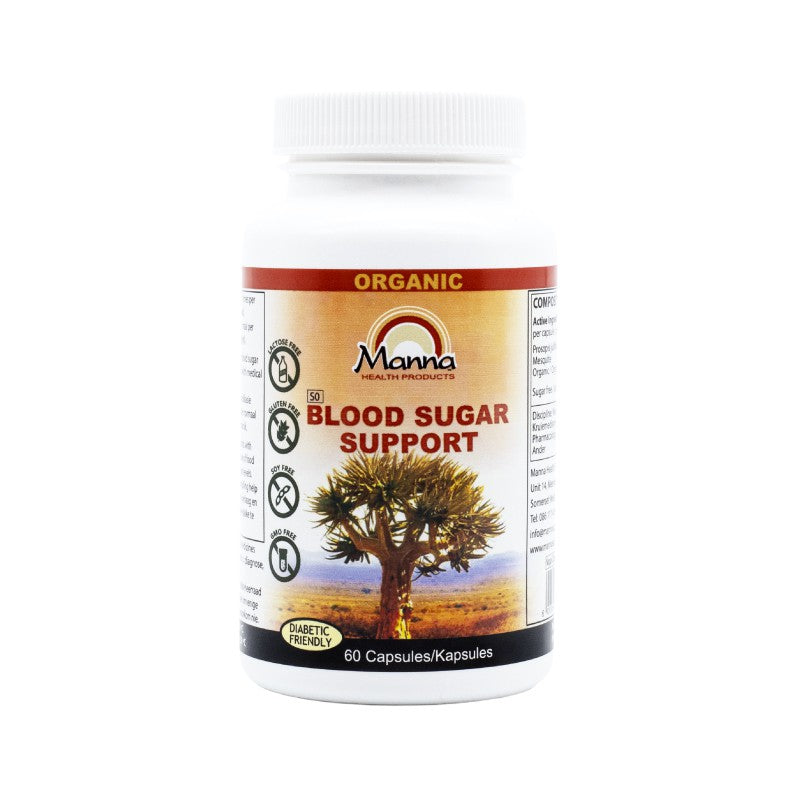
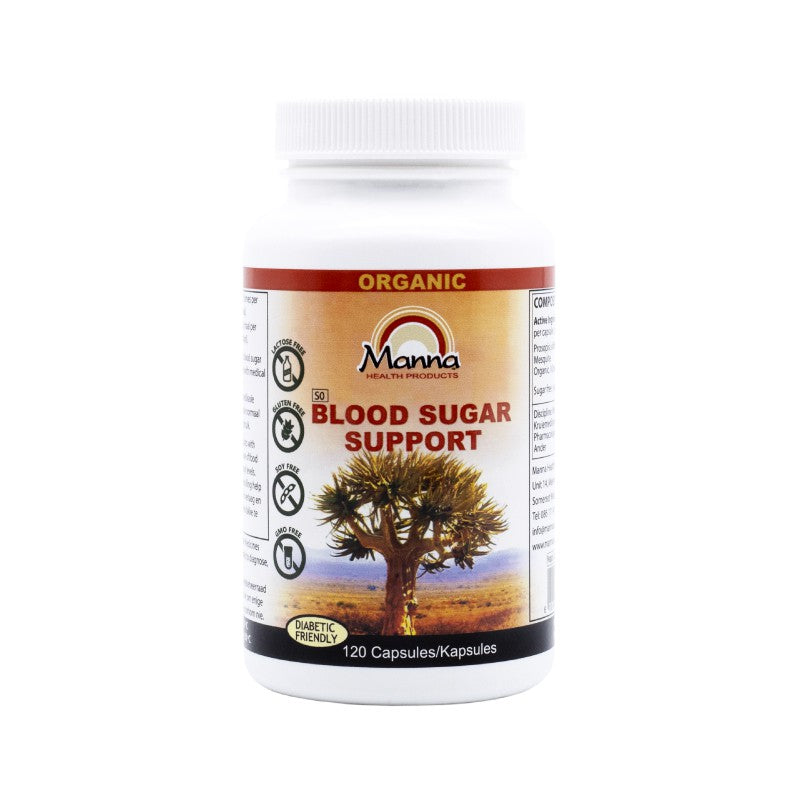
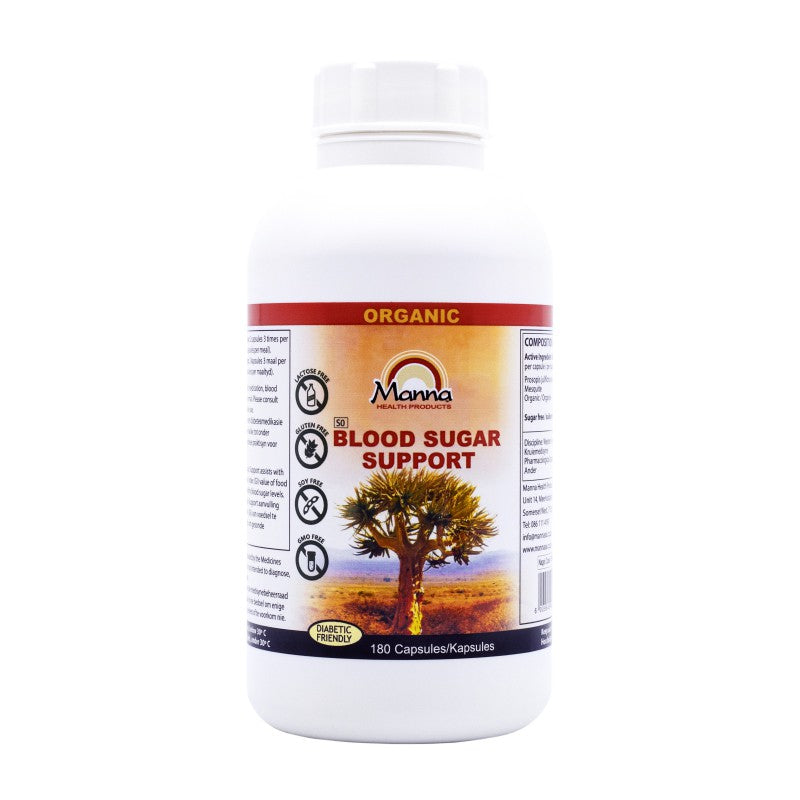
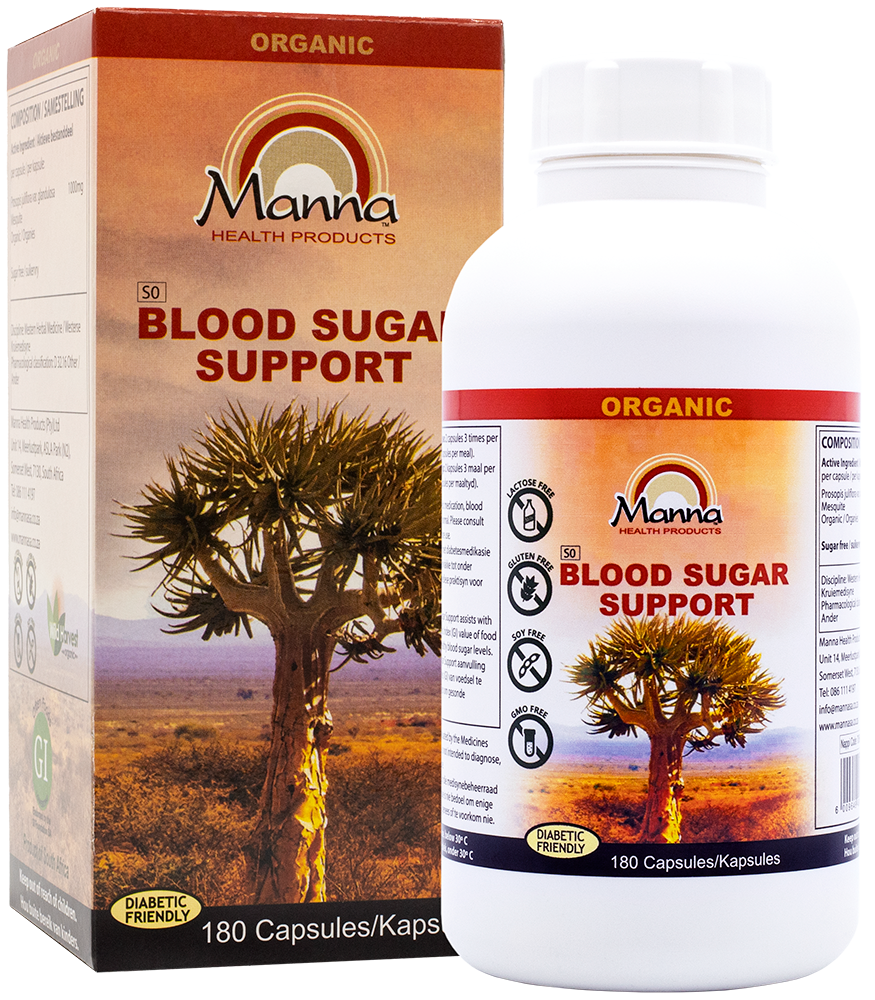
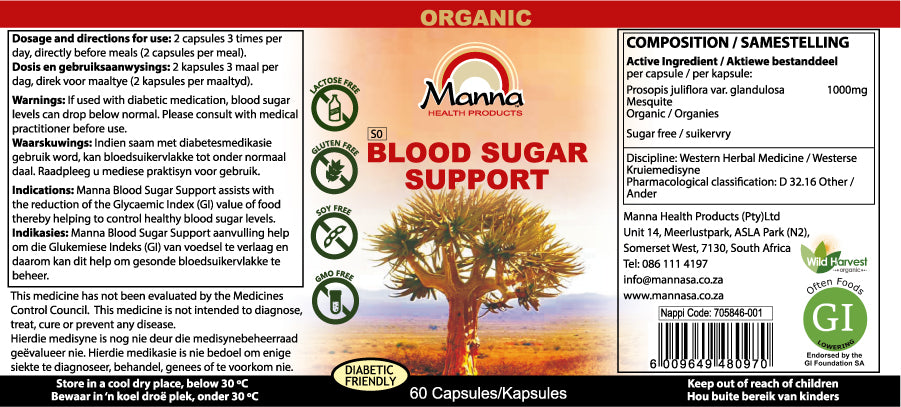
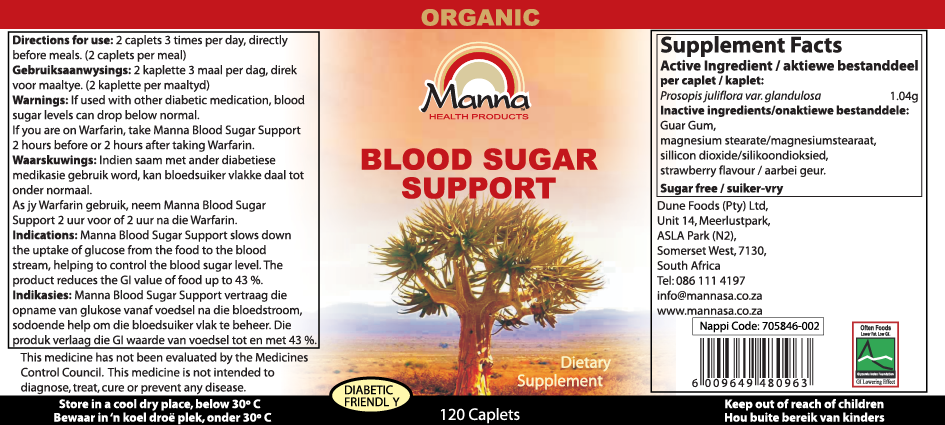
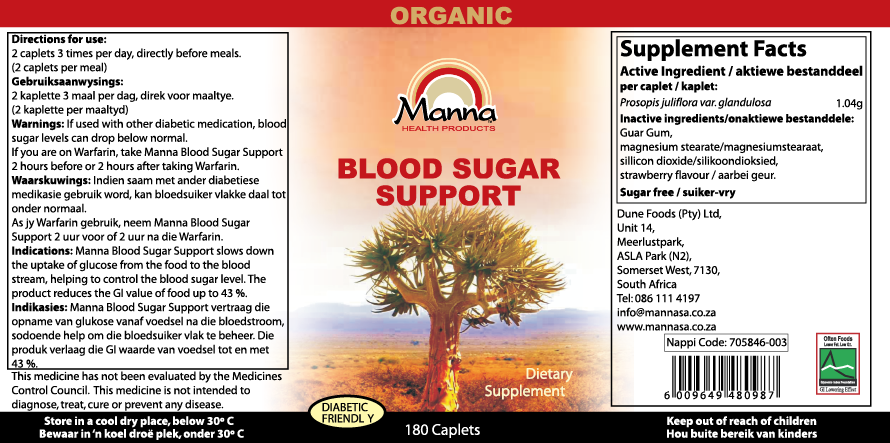
Manna Blood Sugar Support is made from one natural ingredient: wild-harvested, organic mesquite pod powder.
When taken with food, it forms a gelling effect with the meal. This helps slow the release of glucose into the bloodstream, creating a steadier response after eating.
This may help with:
- More balanced blood sugar after meals
- Fewer sharp glucose rises and drops
- More consistent energy
- Feeling satisfied for longer
- Better control over sugar and starch cravings
- Healthy glucose metabolism
Research on Prosopis, the mesquite used in Manna Blood Sugar Support, also suggests that it may help with insulin sensitivity. This makes the product a practical daily tool for women with PCOS who want to focus on the connection between blood sugar, insulin and hormonal balance.
Give Your Body a Steadier Foundation
An unpredictable period can make you feel as though you have no control over what your body is doing.
However, irregular periods are not random. With PCOS, they may be a sign that ovulation is being disrupted by the hormonal and metabolic environment inside your body.
By keeping blood sugar steadier, you may reduce the repeated demand for large amounts of insulin. This may help create better conditions for hormonal balance and more regular ovulation over time.
Manna Blood Sugar Support offers a simple, natural way to add blood sugar balance to your daily meal routine.
If you use insulin or other glucose-lowering medication, monitor your blood sugar carefully, as combining different blood sugar measures may cause your levels to drop lower than expected.
Very long gaps between periods should not be ignored, as the lining of the uterus can continue to build up when ovulation does not happen regularly.