


You choose the sugar-free chocolate because you are trying to look after your blood sugar. The packet sounds reassuring, and it feels like a sensible swap.
Then your reading rises after eating it.
How can that happen if the product says “sugar-free”?
The answer may be in the sweetener, the other ingredients or the amount you ate. Sugar-free foods can still contain carbohydrates that affect your blood glucose.
One group worth understanding is sugar alcohols, also called polyols. These sweeteners can be useful, but they do not all behave the same way in your body.
What Are Sugar Alcohols?
Sugar alcohols are carbohydrate-based sweeteners used in some sugar-free chocolates, sweets, biscuits, chewing gums and desserts.
Despite the name, they do not contain the type of alcohol found in beer or wine.
Names you may recognise include maltitol, sorbitol, xylitol and erythritol.
They generally provide fewer calories than ordinary sugar and have a smaller effect on blood glucose. But a smaller effect does not always mean no effect.
How much your body digests, absorbs and uses depends on the type of polyol. The portion you eat matters too.
How Can They Still Raise Blood Sugar?
Some sugar alcohols are partly digested and used by the body. This means they can contribute to a rise in blood glucose, even when a food contains very little ordinary sugar.
For example, maltitol can raise blood sugar, although generally less than the same amount of table sugar.
Your body also needs insulin to help move glucose from the blood into your cells. If your cells respond less well to insulin, managing that rise can become harder.
Our guide to understanding insulin resistance explains this in simple terms.
The Name of the Sweetener Matters
Maltitol
Maltitol is used in some sugar-free chocolates and sweets. It can cause a measurable rise in blood glucose, so it is worth noticing on the ingredient list.
This does not mean a maltitol-sweetened product affects blood sugar exactly like a sugar-sweetened one. The response is usually lower.
Xylitol
Xylitol generally has a small effect on blood glucose. Human studies have found a slight rise, so it should not automatically be treated as having no effect at all.
Erythritol
Erythritol is different. Most is absorbed and then leaves the body unchanged in urine. It generally has little or no direct effect on blood glucose.
This is why it would be misleading to say that all sugar alcohols raise blood sugar in the same way.
What About Stevia?
Stevia is a popular sweetener in sugar-free foods, but it is not a sugar alcohol. Pure stevia extract generally has little or no direct effect on blood glucose.
Check the Rest of the Product Too
The sweetener is only one ingredient.
A sugar-free biscuit can still contain flour and starch. A dessert may contain milk, which provides lactose. These carbohydrates can affect blood sugar alongside any contribution from the polyols.
Foods and sweetener blends made with stevia or sucralose may still contain other carbohydrates. These ingredients can affect blood glucose, even when the sweetener itself does not.
Reading the full label gives you a clearer picture than judging the product by one word on the front.
When a Small Serving Becomes a Large One
Imagine a sugar-free sweet lists 10 g of polyols in a serving of two pieces. Six pieces would provide 30 g of polyols, plus three times the other ingredients in that serving.
How those polyols affect your glucose depends on which ones are used. The calculation tells you how much you ate; it cannot predict an exact rise.
Checking your portion once can make the label easier to use next time. A resealable packet may contain several servings, even if it looks small.
Four Things to Check Before Your Next Bite
- The sweetener: Look for names such as maltitol, xylitol, sorbitol or erythritol.
- The carbohydrate information: Look beyond the sugar figure and read any separately listed polyol information too.
- The serving size: A few pieces and a whole packet provide different amounts.
- Your usual readings: If you already monitor blood sugar, follow your testing plan and note the product and portion.
Readings can vary for reasons beyond the food itself. Our article, Same Breakfast, Different Blood Sugar?, explains some of these.
Be careful with “net carb” calculations that assume every gram of polyol can be ignored. If you match insulin to carbohydrate intake, follow the individual counting advice you have been given.
For more background, read what your blood sugar levels should be. Personal targets can differ.
Your Stomach May Notice Polyols Too
Larger amounts of some sugar alcohols can cause bloating, wind or diarrhoea. This happens partly because unabsorbed polyols reach the large intestine.
If you notice discomfort after sugar-free treats, check the ingredients and how much you ate. Your digestive comfort is another reason to pay attention to portions.
Build a Mealtime Routine You Can Keep
Understanding why blood sugar management matters helps you look beyond individual snacks to your everyday meals.
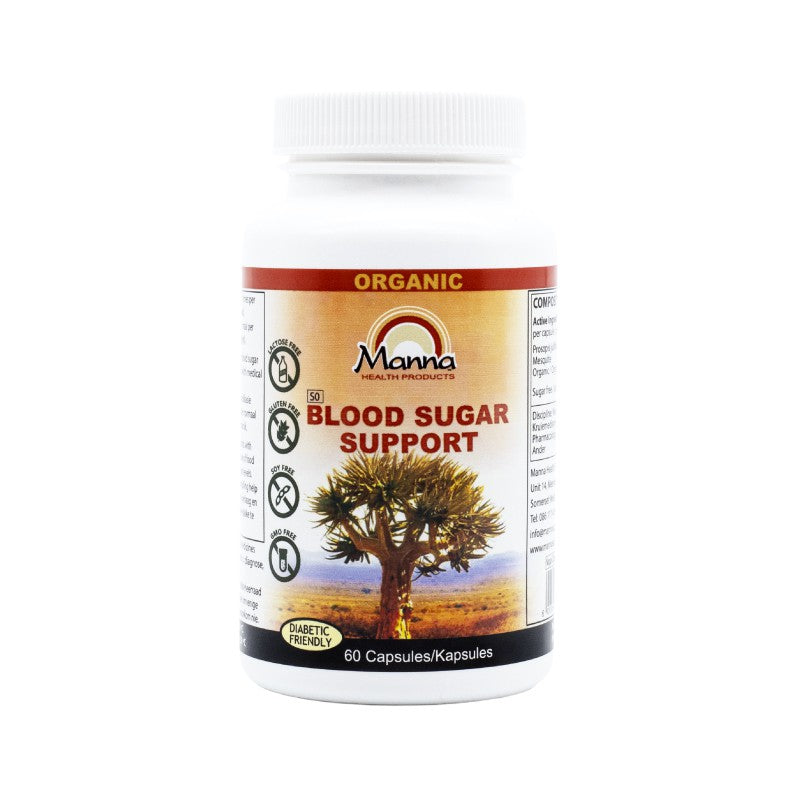
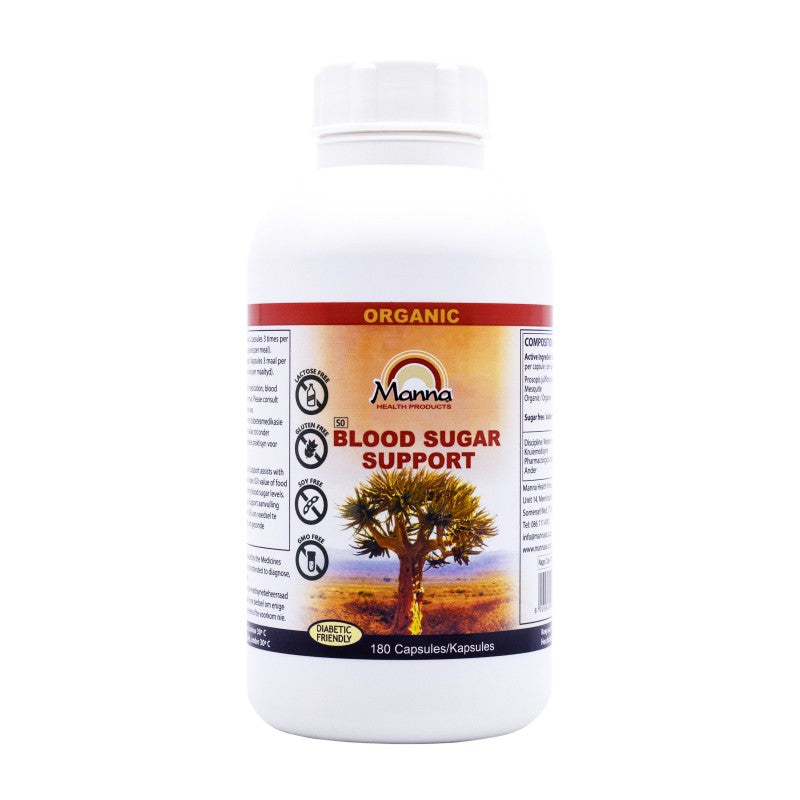
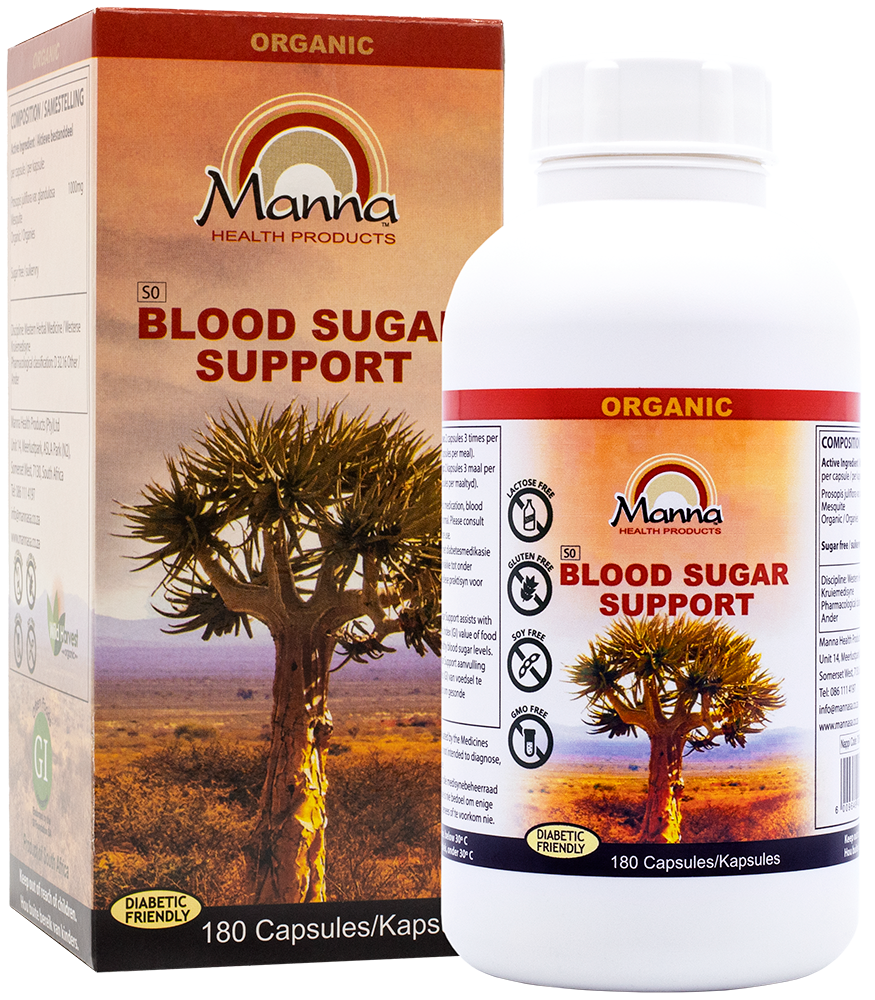
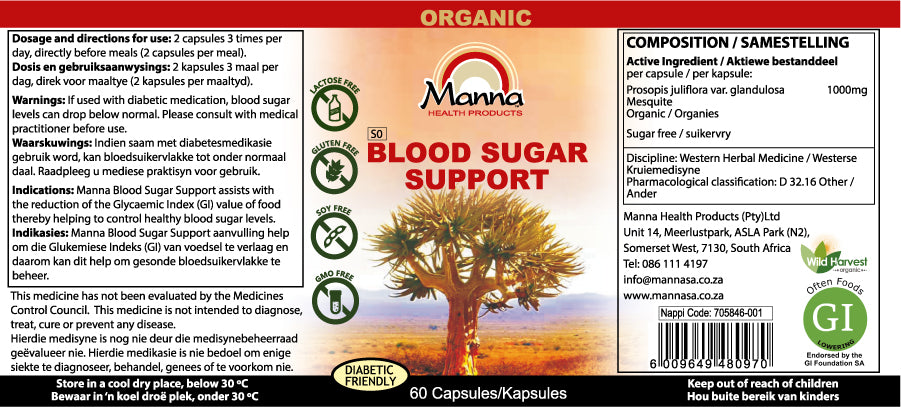
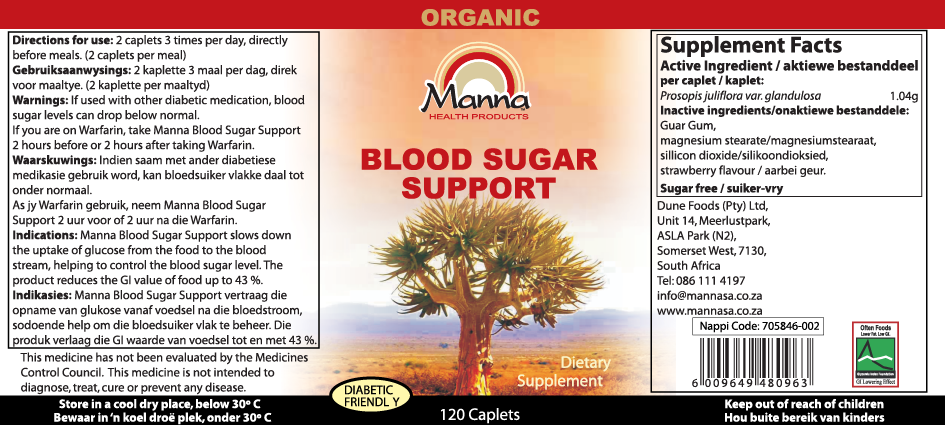
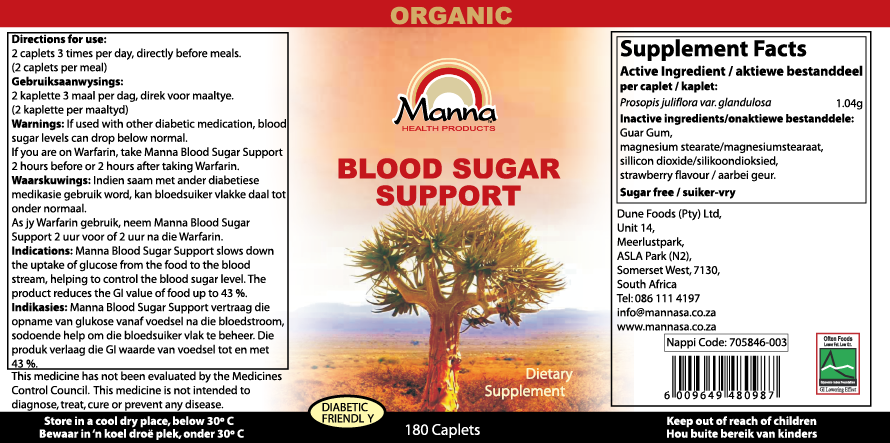
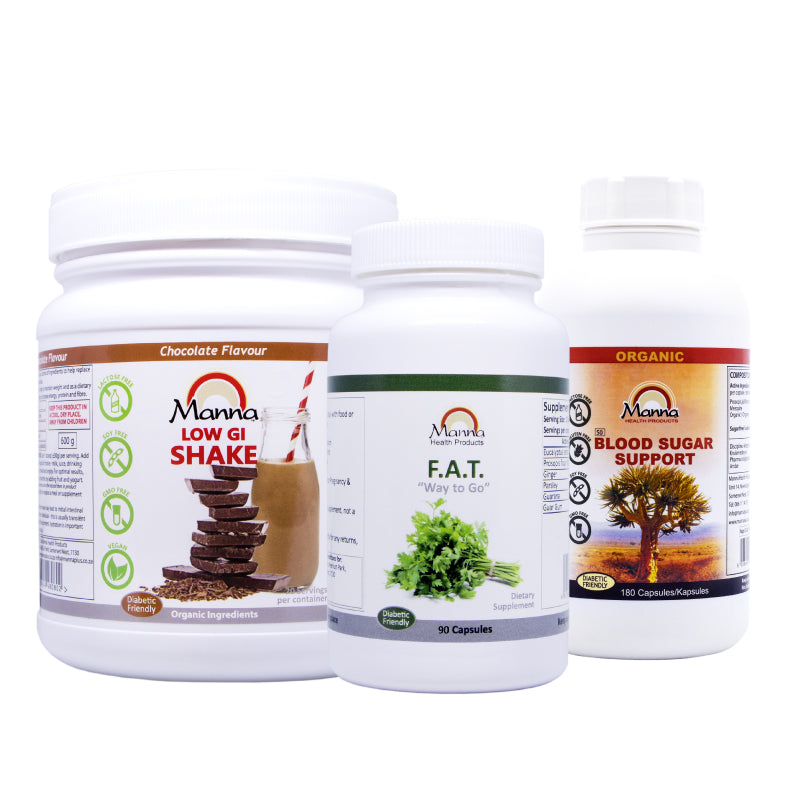
For plant-based nutritional support within that routine, there is Manna Blood Sugar Support.
It is made from wild-harvested, organic mesquite pod powder. Mesquite pods naturally contain plant fibre, and the product is formulated for use with meals as part of daily blood sugar management.
Use it according to the directions on your pack. Pairing it with your regular meals can make the routine easier to remember.
It is a nutritional supplement, not a medicine or a replacement for prescribed treatment. If you use diabetes medication, check with your pharmacist or diabetes care team before adding it and monitor for low blood sugar.
Make Your Next Choice With More Confidence
Sugar-free foods can still have a place in your eating plan. Knowing which sweetener they contain, what else is in them and how much you eat helps you choose with more confidence.
For a simple addition to your daily mealtime routine, explore Manna Blood Sugar Support.