


by Antoni Hubert van Beusekom
High Blood Sugar Before Breakfast? Understanding the Dawn Phenomenon
Blood sugar high before breakfast? Learn about the dawn phenomenon, morning glucose patterns and practical support for type 2 diabetes.
Tel: 0218528097 | Whatsapp: 0722886721
Get free shipping on all orders above R550. *South Africa Only
All our ingredients are non-GMO, sustainably sourced and natural
Hundreds of fascinating articles on solving different health problems.
Sign up to our newsletter for weekly specials and vouchers


help Looking for solutions to common health problems?
Understanding the Causes, Symptoms, and Management of Diabetes.
Transform Your Wellness Routine with Premium All-Natural Health Supplements.
Effective Solutions for Common Health Issues
Discover the Power of All Natural Health Supplements for Diabetes Management.
by Antoni Hubert van Beusekom
High Blood Sugar Before Breakfast? Understanding the Dawn Phenomenon
Blood sugar high before breakfast? Learn about the dawn phenomenon, morning glucose patterns and practical support for type 2 diabetes.
Read more

by Antoni Hubert van Beusekom
Lower Your Blood Sugar Naturally with One Simple Step
Discover how one natural product can help slow glucose absorption and support steadier blood sugar, energy and cravings after meals.
Read more

by Antoni Hubert van Beusekom
Hearing Loss and Type 2 Diabetes: What the Studies Reveal
Type 2 diabetes is often linked to common complications affecting the eyes, kidneys and feet. But research shows that hearing may also be affected long before people notice any symptoms. The ears are highly sensitive to changes in blood flow, nerve function and inflammation. This makes hearing health another important signal of how well the body is coping with high blood sugar. A Hidden Complication That Deserves Attention Many people with Type 2 diabetes do not know that hearing loss is becoming more common among diabetic adults. Research suggests that hearing changes may appear earlier than eye problems or foot issues. Some studies have reported that people with Type 2 diabetes may have up to four times higher risk of hearing impairment compared to those without diabetes. This finding highlights the importance of monitoring hearing as part of regular diabetes care. What Science Is Revealing Recent research has found that: People with Type 2 diabetes may have a significantly higher risk of hearing loss Hearing problems are more common when HbA1c levels are above target The risk increases after ten or more years of living with diabetes High frequency sounds are often affected first Nerve and blood vessel damage may explain the link These findings support a growing idea. Hearing health may offer clues about overall metabolic health. How High Blood Sugar Can Affect the Ear Reduced Blood Flow The inner ear depends on tiny blood vessels to function properly. High blood sugar can damage these vessels over time and reduce circulation. This may affect the delicate hair cells in the ear that help detect sound. Nerve Changes Diabetes is known to damage nerves in the feet and hands. A similar process may affect the auditory nerve that carries sound signals from the ear to the brain. Inflammation and Cellular Stress High blood sugar can increase inflammation and oxidative stress in the body. The hair cells in the inner ear are sensitive to this and cannot repair themselves once damaged. Early Signs to Look Out For Hearing loss may develop slowly. Some signs to watch for include: Struggling to follow conversations in busy places Turning up the TV or phone more than usual Asking others to repeat themselves Feeling like people are speaking softer than before Ringing or buzzing in the ears A basic hearing test can help detect changes early and guide future care. Lifestyle Habits That May Help There is no proven cure for hearing loss linked to diabetes, but certain lifestyle choices may help support overall metabolic health: Keeping blood glucose within a healthy range Regular physical activity to improve circulation Reducing added sugars and refined carbohydrates Managing stress and improving sleep quality Including fibre and low GI foods in daily meals Quitting or at the least reducing smoking and use of tobacco products Supplements like Manna Blood Sugar Support to keep blood sugar levels consistent These choices support the body beyond blood sugar. They promote healthier circulation, nerve function and overall wellbeing. Natural Support for Better Blood Sugar Control Keeping blood sugar within a healthy range is one of the most important steps in protecting long-term health. Stable glucose levels may help support circulation, nerve function and energy balance. This can have a positive effect on many areas of the body that are sensitive to metabolic stress, including the ears, eyes and feet. Manna Blood Sugar Support is a natural supplement created to support daily glucose management. It is not a quick fix, but a gentle companion to healthy lifestyle choices. When used consistently, it may help make blood sugar control easier to maintain. What Makes It Different Manna Blood Sugar Support works with the body to: Reduce rapid sugar absorption after meals Support healthy glucose metabolism Promote steady energy throughout the day Provide natural plant based fibre to support digestive wellness These actions help create a smoother metabolic response after eating, which may be beneficial for people experiencing fluctuating energy or frequent cravings. Designed for Everyday Use This supplement can fit into an existing routine with ease. It can be used as part of a simple daily strategy that includes: Balanced meals with whole foods and fibre More movement during the day to encourage circulation Consistent sleep and stress management Regular monitoring of blood glucose levels Small changes made consistently often provide the strongest results over time. Manna Blood Sugar Support is meant to be part of a lifestyle approach that supports the body’s natural ability to find balance. Try the Manna Health Diabetic Neuropathy Combo Pack containing Manna Blood Sugar Support, Manna Blood Circulation Support and Burning Feet Gel for relief from Diabetic neuropathy complications. Listening to the Body Type 2 diabetes affects more than just blood sugar levels. It can influence circulation, nerve function and cellular health throughout the body. Hearing changes may be another signal that the body needs support. By focusing on metabolic balance, paying attention to early warning signs and making simple lifestyle adjustments, people with Type 2 diabetes can take an active role in protecting their long-term wellbeing. Good health begins when we start listening to what the body is trying to say.
Read more

by Antoni Hubert van Beusekom
Happy Feet This Summer: How to Keep Burning at Bay
When the summer heat sets in, most people look forward to lighter shoes and sunny days. But for those who suffer from burning feet, the warmer weather can make an already uncomfortable problem feel even worse. That tingling, hot, or burning sensation can become unbearable when combined with high temperatures and long hours on your feet. The good news is that there are ways to find relief and enjoy summer comfortably again. Why Do Your Feet Burn? Burning feet can have several causes. For many, it is linked to nerve irritation, poor circulation, or standing for long periods. Heat and humidity also play a role, as they cause blood vessels to dilate and increase sensitivity in the feet. In South Africa’s hot summer months, sweaty or swollen feet can worsen the burning feeling, especially if you wear tight shoes or synthetic socks. Common triggers include: Hot weather and poor ventilation Standing or walking for long hours Footwear that traps heat or moisture Circulatory problems or mild neuropathy Overheated floors or closed shoes All of the above also worsen burning feet caused by diabetic neuropathy Understanding what causes your burning feet can help you take the right steps toward cooling them down. Simple Tips to Soothe Burning Feet There are a few simple things you can do every day to reduce discomfort and prevent flare-ups during the hot months. 1. Keep Feet Cool and Dry Avoid closed shoes for long periods. Choose breathable materials like cotton socks and sandals that allow airflow. Wash your feet daily with cool water and a gentle soap, then dry thoroughly, especially between the toes. 2. Soak Your Feet A cool foot soak can provide instant relief. Fill a basin with cool (not icy) water and add a handful of Epsom salts or a few drops of peppermint oil. Soak your feet for 10 to 15 minutes to reduce inflammation and refresh tired skin. 3. Avoid Heat Traps High temperatures can make your feet swell and intensify burning sensations. Try to stay indoors during the hottest part of the day and avoid walking barefoot on hot surfaces such as tiles or pavement. 4. Elevate Your Feet If your feet tend to swell, prop them up on a cushion or low stool to encourage better blood flow. Elevation helps relieve pressure, reduce inflammation, and calm that burning sensation after a long day. 5. Massage and Moisturise A gentle massage can improve circulation and release tension in the feet. Use circular motions from heel to toes to relax tight muscles. Always follow up with a cooling, soothing gel to lock in moisture and enhance relief. Manna Health Burning Feet Gel: Fast Cooling Comfort Manna Health Burning Feet Gel is specially formulated to provide immediate cooling and long-lasting comfort for tired, burning feet. It combines natural ingredients with anti-inflammatory and soothing properties that help reduce heat, calm irritation, and refresh your feet. Apply it after washing or soaking your feet, or anytime during the day when discomfort starts to build. Whether heat, long hours of standing, poor circulation, or diabetic neuropathy cause your burning feet, this lightweight gel absorbs quickly and leaves no sticky residue, making it perfect for daily summer use. Step Into Summer Comfort You do not have to dread the heat or hide your feet this summer. With a few simple changes and the help of Manna Health Burning Feet Gel, you can enjoy the sunny season without the sting. Take care of your feet, keep them cool, and let every step feel light and comfortable again.
Read more

by Marthinus Opperman
Insulin Resistance: Causes, Symptoms & How to Fix It Naturally
Insulin resistance is becoming a familiar term. But what is it? And more importantly, what causes it? Many people are unaware of the lurking dangers of insulin resistance. They might be doing things daily that bring them closer and closer to developing it. But before we look at what causes insulin resistance, let’s first see exactly what it is… What is Insulin Resistance? In short, insulin resistance is a condition where the body’s cells become resistant to the effects of the hormone known as insulin. This is a problem because insulin keeps blood sugar levels stable. Insulin resistance results in persistently high blood sugar, which can lead to numerous other health issues. What causes insulin resistance? Insulin resistance can be caused by different factors or a combination of these factors. The most common causes of insulin resistance are: Eating high-carb and high-sugar foods Eating too much food that contains refined carbohydrates and sugar causes the body to release a lot of insulin to balance blood sugar levels. This, in turn, results in more insulin being released than the body can use. This causes more fat to be stored. This continues cycle then results in the body becoming unresponsive to insulin, or as the name states, insulin-resistant. Carrying around extra weight This is actually also a result of the process mentioned above. The excess insulin in the body causes fat to be stored in the body’s cells instead of being used as energy. But this also feeds into a vicious cycle, making the cells even less responsive to insulin and worsening insulin resistance further. A lack of exercise Exercise helps process sugar from the food we eat and creates a need to burn it rather than store it as fat. Thus, a lack of exercise can make it more difficult to burn or process the sugar and carbs from the food we eat, which means the body has to release even more insulin to keep up. Smoking tobacco products It is actually due to the nicotine in cigarettes, cigars, pipes, or e-cigarettes that affects the insulin levels. Nicotine can cause blood sugar levels to go up, as well as go down. This is not good news for the insulin levels, as they are directly linked to the blood sugar levels. So when blood sugar levels fluctuate, it makes it even harder for the body to release the right amount of insulin, and this can directly impact insulin resistance. Stress When we are stressed, the body releases a hormone called cortisol. This is why cortisol is referred to as the “stress hormone”. Cortisol makes the body more insulin-resistant and, therefore, worsens insulin resistance. Not getting enough sleep. Too little sleep at night can adversely affect blood sugar and insulin levels. This is because the body releases more cortisol, the hormone mentioned above, when we do not get enough sleep. Genetics Insulin resistance, or at least an increased risk thereof, can be passed down from one generation to the next. So people with a family history of insulin resistance should be cautious. Certain medications Certain types of medication may also increase the risk of developing insulin resistance. The most common of these medications include Corticosteroids, Thiazide diuretics, Beta-blockers, Antipsychotics, and Statins. The Metabolic Syndrome A group of conditions known as metabolic syndrome can also play a significant role in the development of insulin resistance. The metabolic syndrome is characterised by a combination of the following: increased blood pressure, high blood sugar, excess body fat around the waist, and abnormal cholesterol or triglyceride levels. Obesity Obesity usually goes hand-in-hand with insulin resistance. Some argue that it is a symptom of insulin resistance, rather than a cause. But in many cases, this is a “the chicken or the egg” scenario, as one may lead to the other depending on the individual. Pregnancy During pregnancy, the body becomes almost 60% less responsive to insulin. This means it can easily lead to insulin resistance if not correctly managed. Inactivity Apart from not exercising, our lifestyles have generally become less active. Most of us have office jobs and spend much of our free time sitting. Whether it is watching TV, sitting in front of the computer, or driving around to get to the shops, we have become much less active in general than we were a few decades ago. Steroid use Using certain kinds of steroids, such as Prednisone, can increase blood sugar levels. That is why it is essential to take note of the ingredients of any supplements and even medications before using them. What are the symptoms of insulin resistance? Although there might not be any clear-cut symptoms at first, here are a few signs to look out for that may indicate insulin resistance… Extreme thirst Frequent urination Not feeling full after a meal Tingling in the hands and feet due to nerve damage Constantly feeling fatigued How is insulin resistance diagnosed? Usually, the measurement of the fasting blood glucose levels, along with the insulin levels, will be enough to determine whether or not insulin resistance and/or diabetes is present. Moreover, a qualified healthcare professional can determine a person's risk of developing insulin resistance by taking a detailed history, performing a physical examination, and conducting simple laboratory testing, based on individual risk factors. Common Complications of Insulin Resistance: Insulin resistance may lead to various other health complications, but the most common ones are… Acanthosis Nigricans – This is a skin condition in which dark patches appear on the back of the neck, in the armpits, and in the groin. Sometimes this can be the first noticeable symptom of insulin resistance. There is no specific treatment for dark patches on the skin, but some of the original skin colour can be regained by addressing the root cause: insulin resistance. Damage to the Blood Vessels – Seeing that insulin resistance leads to constant levels of high blood sugar in the body, it can cause damage and deterioration in the blood vessels, which in turn leads to an increased risk of heart disease and stroke. Type-2 Diabetes – More often than not, insulin resistance leads to type 2 diabetes, and this is once again due to the continuous high blood sugar levels. As with insulin resistance, type-2 diabetes may only be discovered after several months or years, after which it might have already caused significant harm to the body. How can insulin resistance be treated? The most effective way to treat insulin resistance is by making healthy lifestyle changes. These changes include: Eating Healthy – This does not mean eating salad 3 times a day. It is all about following a balanced, healthy eating plan that is sustainable in the long run. A great example of such an eating plan is the Manna Diet which is available as a FREE downloadable eBook. Exercising – There are countless different exercise routines. And everybody prefers a different one. The main thing is to find an exercise that we enjoy so that we don’t quit after the first week. So whether we like to go to the gym, cycle, swim, or hike, we must make sure to get active for at least 30 minutes, 4 times a week. Natural supplements – This fantastic product helps to keep blood sugar levels under control. But because it helps control blood sugar levels, it also helps control insulin levels. Manna Blood Sugar Support can help the body respond more effectively to insulin and use it more effectively. What is Manna Blood Sugar Support? The Manna Blood Sugar Support is an all-natural health supplement made from the pods of the Prosopis (Mesquite) tree, and it has no adverse side effects like many chemical alternatives. How does the Manna Blood Sugar Support work? Manna Blood Sugar Support gels with the food we eat and then slowly releases the sugar from this food into the bloodstream. What this means is that blood sugar levels do not spike, and there is no need for the pancreas to release large amounts of insulin. It is the perfect thing to help keep blood sugar levels balanced and manage insulin resistance! Benefits of Manna Blood Sugar Support Helps to Lower High Insulin Levels, which helps treat insulin resistance Helps to maintain even blood sugar levels Keeps us more satisfied after a meal, which means that the same meal can take us much further and cause us to eat less, which can help with natural weight loss. Helps to control cravings Helps to keep energy levels higher for longer Balanced blood sugar levels can help to prevent diabetic health complications Helps to Lower High Blood Pressure FAQ's Is insulin resistance reversible?Yes, in many cases, lifestyle changes can improve insulin sensitivity. What foods help with insulin resistance?Low-GI foods, fibre-rich vegetables, legumes, lean protein, cinnamon, and Manna Blood Sugar Support. What foods make insulin resistance worse?Sugary drinks, white bread, pastries, processed carbs, and deep-fried foods. Improving insulin resistance doesn’t have to be complicated. Simple daily choices make a big difference. If you want natural support for blood sugar balance, learn more about Manna Blood Sugar Support.
Read more
by Marthinus Opperman
How High Blood Sugar Can Damage Your Brain
We all know how high blood sugar can cause physical health issues like insulin resistance and diabetes But how can high blood sugar damage and affect your brain and mental health? A recent study done on the effects of high blood sugar levels in the body has shown that the affects may stretch beyond only physical problems. The ideal blood sugar level is below 5.5 mmol/l, measured after an eight hour fast. A blood sugar level of 7 mmol/l or higher usually means that you have insulin resistance, pre-diabetes or type 2 diabetes. IN the study, the results suggested that having constant high blood sugar levels may severely increase your risk of developing dementia, and this could be the case even if your blood sugar levels are not high enough to be considered within the diabetic range. The results showed that the higher the blood sugar level, the higher the risk of dementia and damage to the brain. It is not yet clear exactly why this happens, but researchers say that it is likely due to higher levels of vascular disease that is caused by the high blood sugar, as well as metabolic factors like insulin resistance which affects the brain’s cells. How to Lower Blood Sugar Naturally Diet – Eating less high-sugar and high-carb foods is one of the most effective ways to lower blood sugar levels. Cutting back on things like candy, cookies, cakes, soft drinks, bread, rice, pasta, potatoes, corn and highly refined grains can help reduce your blood sugar. Rather eat more vegetables, fruits and lean protein. Exercise – As little as 20 minutes of exercise per day can severely increase your body and brain health. Going for a walk after a meal has overall health and blood sugar lowering effects. Natural Supplements – Opt for the Manna Diet which can help you to eliminate sugar and refined carbohydrates. Also, take the Manna Blood Sugar Support supplement with each meal to control blood glucose levels and reduce high insulin levels. Above all, don’t ignore the signs of poor health.
Read more
by Marthinus Opperman
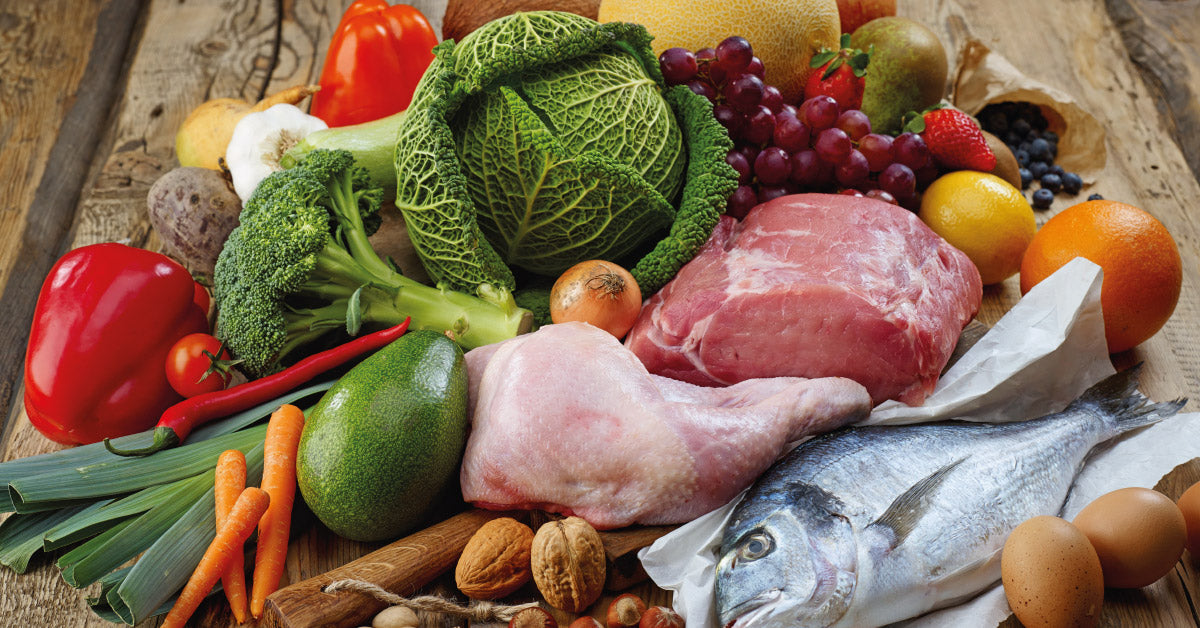
Foods to Treat Insulin Resistance
The biggest cause of insulin resistance seems to be lifestyle choices. So, would that not be the best way to treat it? Insulin resistance looks to be one of the fastest spreading health problems. The scary part is that it can affect anyone – young or old. But is there anything we can do about it? Luckily there are foods to help treat insulin resistance. First, let’s just recap what exactly insulin resistance is… In short, insulin resistance is a condition where the body’s cells become resistant to the effects of the hormone known as insulin. This is a problem since insulin is what keeps the blood sugar levels in the body stable. Insulin resistance results in constant high blood sugar levels in the body, which can lead to many other health issues. It usually also occurs with excess weight, high blood pressure, and high cholesterol levels. When these symptoms are all present we refer to the collective group as the metabolic syndrome. But let’s have a look at the types of food you can eat to help manage insulin resistance… The best foods for fighting insulin resistance: Low Glycemic Foods – Eating low GI foods can help you control your blood sugar. Your body slowly digests and absorbs sugars from low glycemic foods, whereas it rapidly digests and absorbs sugars from high glycemic foods. Low glycemic foods include: Whole grains, such as whole wheat and barley. Legumes such as black beans, kidney beans, and chickpeas. Citrus and sub-acid fruits, such as oranges, grapefruits, apples, pears and peaches, and berries. Just remember that even the healthier sugar in fruit can be bad for you if you eat too much of it. Vegetables that include carrots, green beans, and leafy green vegetables Soluble Fibre – High soluble fibre foods provide two distinct, yet complementary benefits to people with insulin resistance. Soluble fibre can help you control blood sugar by slowing down the absorption of sugars from foods, and it also helps you lower cholesterol levels by reducing the amount of cholesterol the body absorbs from food. A higher intake of soluble dietary fibre improves control of blood sugar, decreases blood insulin, and lowers blood cholesterol in people with type 2 diabetes. Low Sodium Food – Eating foods low in sodium can help you lower your blood pressure and reduce your risk of stroke and heart disease. This is very important seeing that people with insulin resistance are at a much higher risk of heart problems than people who do not suffer from insulin resistance. Low sodium foods include whole foods, such as fruits, vegetables, whole grains, legumes, nuts, and seeds. Avoid eating processed foods that often increase sodium levels of products. Healthy Fats – Healthy fats, such as monounsaturated fatty acids and polyunsaturated fatty acids can help control insulin resistance and reduce the risk of cardiovascular disease. Some of the best sources of these healthy fats include: Olive oil Nuts and seeds Avocados Omega-3 fatty acids, from fish, walnuts, and flaxseeds. Avoid eating unhealthy fats, such as saturated and trans fats from processed foods, which can worsen insulin resistance and increase the risk of developing further health problems. Polyunsaturated fatty acids help reduce the risk of type 2 diabetes, whereas trans fats increase that risk. What else can I do to treat insulin resistance? The most effective way to treat insulin resistance is through healthy lifestyle choices. Eating Healthy – This does not mean you have to eat salad 3 times a day. It is all about following a balanced, healthy eating plan that is sustainable in the long run. A great example of such an eating plan is the Manna Diet which is available as a Free Downloadable eBook. Exercising – There are countless different exercise routines. And everybody prefers a different one. The main thing is to find an exercise that you enjoy so that you don’t quit after the first week. So whether you like to go to the gym, cycle, swim, or hike – make sure to get active for at least 30 minutes, 4 times a week. Taking Manna Blood Sugar Support – This amazing product helps you to keep your blood sugar levels under control. But because you have your blood sugar levels under control, it also means that you are controlling your insulin levels. Manna Blood Sugar Suppport can help the body to respond better to insulin and use it much more effectively. What is Manna Blood Sugar Support? The Manna Blood Sugar Support is an all-natural health supplement made from the pods of the Prosopis (Mesquite) tree, and it does not have any negative side effects like many chemical alternatives have. How does the Manna Blood Sugar Support work? Manna Blood Sugar Support gels with the food we eat and then slow-releases the sugar from this food into the bloodstream. What this means is that the blood sugar levels in the body do not get a sudden spike, and there is no need for the pancreas to release a bunch of insulin. Another thing to do when trying to get your blood sugar levels stable is to stop fighting the incredible effects of the Manna Blood Sugar support by eating things that are constantly trying to shoot up your blood sugar levels. It works best with a healthy diet. But if you do decide to be a bit naughty and have an unhealthy takeaway or a chocolate every once in a while, take a Manna Blood Sugar Support tablet or two with it, and it will help keep the blood sugar spike under a bit more control. It is the perfect thing to help you keep your insulin levels balanced and lose weight!
Read more

by Aam Coetzee
Are Diabetics At Higher Risk of COVID-19?
There has been a lot of discussion over whether or not diabetics are at higher risk of COVID-19. And all the discussion has caused a lot of confusion… So we have set out to answer the most important questions regarding COVID-19 and diabetics, thus clearing up some of the confusion. Let’s get into it… Q: Are diabetics more likely to get COVID-19? A: No, diabetics are not necessarily more likely to get COVID-19 than people without diabetes. However, people with diabetes can expect worse outcomes if they get infected with it. Generally, the more health conditions someone has (Like diabetes or heart disease), the higher their chance of getting serious or complications after contracting COVID-19. Q: Do people with type-2 diabetes have a higher chance of experiencing serious complications from COVID-19? A: People with type-2 diabetes do face a higher chance of experiencing serious complications from COVID-19. Generally speaking, diabetics are also more likely to experience severe symptoms when contracting any virus. The risk of experiencing severe problems if you contract COVID-19 can be lowered if you manage your diabetes correctly. But when the blood sugar levels are not managed properly, it can increase the risk of developing serious problems if you contract a virus. Q: Do other underlying problems alongside diabetes mean a bigger risk? A: Yes, having other underlying problems alongside diabetes can increase the chances of developing complications even further. Underlying problems can include heart disease, poor blood circulation, respiratory problems, etc. All of these makes the body more susceptible to inflammation and less able to defend itself against viruses. Q: As a diabetic, what are the potential symptoms and warning signs I should be watching out for? A: Pay attention to potential COVID-19 symptoms including fever, dry cough and shortness of breath. If you feel like you are developing symptoms, follow the emergency procedures set out in your area to get the necessary medical attention. Q: Are the risks different for people with type 1 and type 2 diabetes? A: It is difficult to say at this stage, but there is no apparent reason to think COVID-19 will pose a difference in risk between type 1 and type 2 diabetes. So it is important that people with either type of diabetes – despite their age, other health complications, and how well they have been managing their diabetes – make sure to take extra precautions to make sure they are as safe from the virus as possible. Q: What should I do to prevent the spread of COVID-19 in my home – and what do I do if someone in my household has the virus? A: For people with underlying health conditions like diabetes, other family members in the household should conduct themselves as if they were a significant risk to these people. For example, they should make sure that they wash their hands before feeding or caring for them. If possible, a designated protected space should be made available for these vulnerable household members, and all utensils and surfaces should be cleaned and sanitized regularly. If a member of your household is sick, be sure to give them their own room, if possible, and keep the door closed. Have only one family member care for them, and consider providing additional protections or more intensive care for household members over 65 years old or with underlying health conditions. How can we manage blood sugar levels correctly to protect our body against viruses and boost our immune system? The best way to get our blood sugar levels under control is to make some simple and easy healthy lifestyle changes. Here’s what we mean… Eat right Eating healthy and maintaining a healthy weight. Whether we are at a healthy weight or not, follow a good eating plan like the Manna Diet. This will make sure that you do not overdo it on foods that cause your blood sugar levels to go up, and also help you take in the needed nutrients which helps you to be healthier overall. Exercise Increase physical activity, even just by doing 30 minutes of exercise 4 times a week. But do not overdo it, since too much exercise can mean that the body is too busy repairing itself rather than fighting off potential viruses and diseases. Hydration Drink plenty of water, the rule of at least 8 glasses a day is a good and easy one to follow. Staying hydrated is a great way to help keep the blood sugar levels stable and the immune system at its peak. Manna Blood Sugar Support Take a supplement like the Manna Blood Sugar Support to help keep blood sugar levels under control. It helps the body to slow-release the sugar from the food we eat. This means that blood sugar spikes and sugar crashes are eliminated, and energy levels stay balanced for longer. It can also help minimise cravings, which can help to put a stop to unmindful eating. But more importantly, it helps to keep the blood sugar levels under control which helps to boost the immune system. Manna blood Sugar Support is 100% organic & natural and works in a unique way by slowing down the absorption of glucose from the food you eat by up to 43%.In other words, Manna Blood Sugar Support reduces the GI of the food you eat by up to 43%. Benefits of Manna Blood Sugar Support Helps to maintain balanced blood sugar levels. It helps to keep the immune system performing its best through balanced blood sugar levels. Helps to control cravings. Helping to keep energy levels constant.
Read more
by Antoni Hubert van Beusekom
Tipe 2-diabetesondersteuning begin hier: jou eerste stappe na gesonder bloedsuiker!
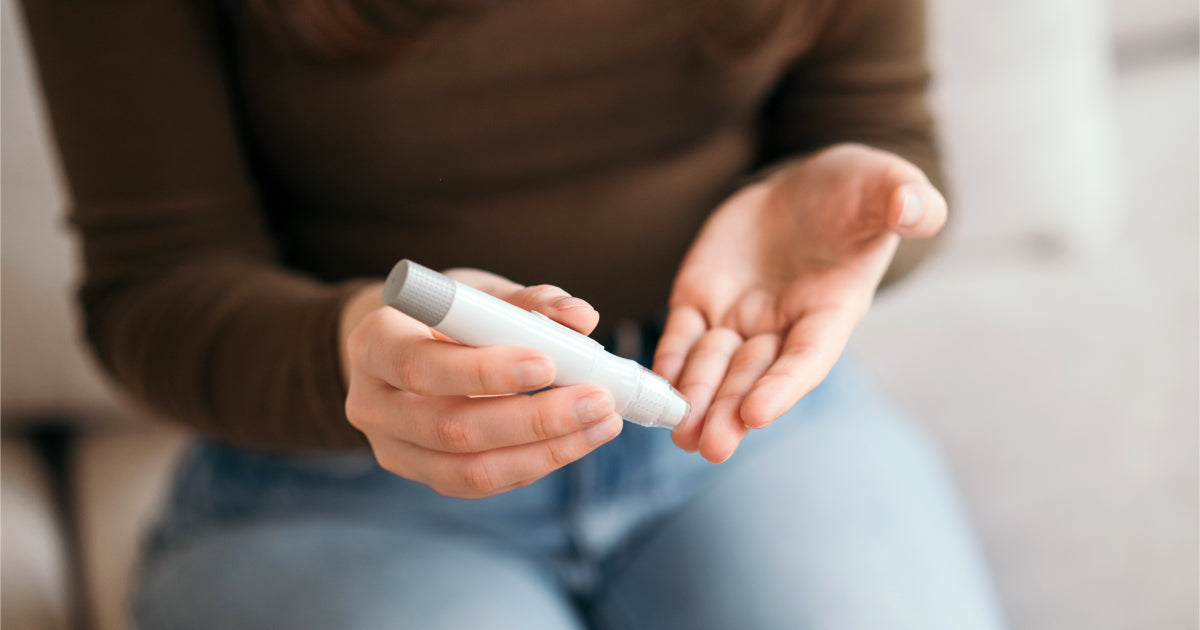
Om met tipe 2-diabetes gediagnoseer te word, kan onstellend en moeilik wees om te verwerk. Jy voel dalk angstig, verward of selfs oorweldig, en dit is heeltemal normaal. Die goeie nuus is, jy is nie alleen nie. Daar is eenvoudige, natuurlike maniere om jou liggaam van dag een af te ondersteun. Wat is tipe 2-diabetes? Tipe 2-diabetes kom voor wanneer jou liggaam ophou om insulien behoorlik te gebruik. Insulien is 'n hormoon wat help om suiker (glukose) uit jou bloed na jou selle te beweeg om vir energie gebruik te word. Wanneer hierdie stelsel nie goed werk nie, bly te veel suiker in jou bloed. Met verloop van tyd kan hoë bloedsuiker skade aan jou liggaam veroorsaak, veral jou oë, senuwees, niere en hart. Tipe 2-diabetes ontwikkel dikwels stadig, en baie mense merk aanvanklik geen simptome op nie. Algemene tekens sluit in: Voel baie dors Gereelde urinering Moegheid Dowwe visie Stadige genesing van snye of sere Die goeie nuus is dat tipe 2-diabetes bestuur kan word. Met gesonde eetgewoontes, gereelde ligte oefening en die regte ondersteuning kan baie mense hul bloedsuiker binne 'n gesonde spektrum hou en beter voel dag vir dag. Sodra jou bloedsuikervlakke onder beheer is sal jy dadelik weet, jou energie sal terugkeer en so ook jou lus vir die lewe. Die eerste stappe na diagnose ’n Tipe 2-diabetesdiagnose kan oorweldigend voel, maar die eerste stappe wat jy neem kan ’n groot verskil maak. Hier is waar om te begin: Volg jou dokter se raad: Kry 'n duidelike begrip van jou toestand, jou bloedsuikerteikens en enige medikasie wat jy dalk nodig het. Vra vrae en maak aantekeninge indien nodig. Begin om jou bloedsuiker dop te hou: Monitering help jou om te verstaan hoe kos, aktiwiteit en stres jou vlakke beïnvloed. Baie mense gebruik 'n klein vingerpriktoestel of 'n deurlopende glukosemonitor. Maak klein, hanteerbare veranderinge: Jy hoef nie jou hele leefstyl oornag te verander nie. Begin met eenvoudige stappe soos om minder drinkgoed met hoë suiker inhoud te verminder,, meer groente by jou maaltye te voeg of elke dag 'n kort entjie te gaan stap. Leer meer oor natuurlike ondersteuningsopsies: Produkte soos Manna Health Blood Sugar Support kan help om bloedsuiker te reguleer en jou liggaam te ondersteun saam met ander veranderinge. Die doel is vooruitgang, nie perfeksie nie. Klein veranderinge voeg by en kan jou help om van die begin af meer in beheer te voel. Waarom bloedsuikerbeheer belangrik is Om jou bloedsuiker in 'n gesonde reeks te hou, is een van die belangrikste dele van die bestuur van tipe 2-diabetes. Wanneer bloedsuiker te lank te hoog bly, kan dit stilweg jou liggaam beskadig sonder duidelike simptome in die begin. . Met verloop van tyd kan hoë bloedsuiker tot ernstige gesondheidsprobleme lei, insluitend: Senuweeskade (veral in die hande en voete) Visie verlies Niersiekte Hartsiekte en beroerte Stadige genesing van wonde Die goeie nuus is dat die bestuur van jou bloedsuiker kan help om hierdie komplikasies te voorkom of te vertraag. Selfs klein verbeterings kan 'n groot verskil maak. Deur i gesonde gewoontes te handhaaf en natuurlike ondersteuning soos Manna Health Blood Sugar Support te gebruik, kan jy jou gesondheid beskerm en beter voel van dag tot dag. Leefstylwenke Om met tipe 2-diabetes te leef, beteken nie dat jy 'n streng dieet moet volg of ure by die gimnasium moet spandeer nie. Klein, bestendige lewenstylveranderinge kan baie help om jou bloedsuiker stabiel en jou liggaam gesond te hou. Hier is 'n paar praktiese wenke om jou te help om op koers te bly: Kies vars, onverwerkte kosse: Fokus op groente, volgraan, maer proteïene en gesonde vette. Hierdie kosse help om suikerabsorpsie te vertraag en jou langer versadig te laat voel.. Besnoei op suiker en verfynde koolhidrate: Beperk voedsel soos witbrood, drinkgoed met hoë suiker inhoud en lekkers wat vinnige bloedsuikervlakke veroorsaak. Bly elke dag aktief: Selfs 'n stap van 20 minute na etes kan help om jou bloedsuiker te verlaag. Vind iets wat jy geniet en maak dit 'n gereelde deel van jou roetine. Drink genoeg water: Om gehidreer te bly help jou niere om oortollige suiker deur urine uit te skei. Kry genoeg slaap en bestuur stres: Gebrek aan slaap en hoë stres kan jou bloedsuikervlakke laat styg. Mik na 7 tot 9 uur se slaap en vind gesonde maniere om te ontspan, soos diep asemhaling of strek. Ondersteun jou liggaam natuurlik: Deur 'n plant-gebaseerde aanvulling soos Manna Health Blood Sugar Support by jou roetine te voeg, kan jou liggaam 'n ekstra hupstoot gee om bloedsuiker natuurlik te bestuur. Die sleutel is konsekwentheid. Hierdie klein gewoontes, wanneer dit daagliks herhaal word, kan lei tot groot verbeterings met verloop van tyd. Natuurlike ondersteuning met Manna Health Die bestuur van tipe 2-diabetes gaan oor meer as net medikasie en dieet. Die natuur bied ook kragtige ondersteuning. Manna Health Blood Sugar Support is 'n natuurlike aanvulling wat ontwerp is om bloedsuikervlakke sagkens en effektief te help balanseer. Hier is hoe dit kan help: Ondersteun gesonde insulienfunksie: Die plantgebaseerde bestanddele help jou liggaam om insulien meer effektief te gebruik. Help om suikerdrange te verminder: Om jou bloedsuiker stabiel te hou, beteken minder energie dalings en “cravings” Bevorder stabiele energie: Deur skerp stygings en dalings in bloedsuiker te vermy, voel jy meer gebalanseerd deur die dag. Komplementeer 'n gesonde leefstyl: Dit werk die beste saam met daaglikse gewoontes soos bedagsame eet en gereelde beweging. Manna Health Blood Sugar Support is gemaak met natuurlike bestanddele en is vry van kunsmatige bymiddels. Dit is 'n sagte, alledaagse opsie om jou te help om jou beste te voel terwyl jy tipe 2-diabetes bestuur. Om natuurlike ondersteuning by jou roetine te voeg, kan 'n groot verskil maak, veral wanneer dit maklik by jou dag inpas. Jy het dit! Om met tipe 2-diabetes te leef kan aanvanklik soos 'n groot uitdaging voel, maar klein, konsekwente stappe kan tot blywende resultate lei. Met die regte inligting, daaglikse gewoontes en natuurlike ondersteuning, kan jy beheer oor jou gesondheid neem en elke dag meer selfvertroue voel. Manna Health Blood Sugar Support is hier om jou op die pad te help. Dit is 'n eenvoudige toevoeging tot jou roetine wat saam met jou liggaam werk om stabiele energie en beter bloedsuikerbalans te ondersteun. Jy is nie alleen nie. Ondersteuning is beskikbaar, en jou reis na beter gesondheid begin met een klein stappie. Gaan voort. Jy het dit.
Read more

by Antoni Hubert van Beusekom
Type 2 Diabetes Support Starts Here: Your First Steps Toward Healthier Blood Sugar!
Getting diagnosed with type 2 diabetes can feel like a lot to take in. You might be feeling anxious, confused, or even overwhelmed, and that’s completely okay. The good news is, you’re not alone. There are simple, natural ways to support your body from day one. What Is Type 2 Diabetes? Type 2 diabetes happens when your body stops using insulin properly. Insulin is a hormone that helps move sugar (glucose) from your blood into your cells to be used for energy. When this system doesn’t work well, too much sugar stays in your blood. Over time, high blood sugar can cause damage to your body, especially your eyes, nerves, kidneys, and heart. Type 2 diabetes often develops slowly, and many people don’t notice symptoms at first. Common signs include: Feeling very thirsty Frequent urination Tiredness Blurred vision Slow healing of cuts or sores The good news is that type 2 diabetes can be managed. With healthy eating, regular movement, and the right support, many people are able to keep their blood sugar in a healthy range and feel better day by day. Once your blood sugar levels are under control you will know immediately, your energy will return and so will your lust for life. The First Steps After Diagnosis A type 2 diabetes diagnosis can feel overwhelming, but the first steps you take can make a big difference. Here’s where to begin: Follow your doctor’s advice: Get a clear understanding of your condition, your blood sugar targets, and any medications you might need. Ask questions and take notes if needed. Start tracking your blood sugar: Monitoring helps you understand how food, activity, and stress affect your levels. Many people use a small finger-prick device or a continuous glucose monitor. Make small, manageable changes: You don’t need to overhaul your entire lifestyle overnight. Begin with simple steps like cutting back on sugary drinks, adding more vegetables to your meals, or going for a short walk each day. Learn about natural support options: Products like Manna Health Blood Sugar Support can help regulate blood sugar and support your body alongside other changes. The goal is progress, not perfection. Small changes add up and can help you feel more in control from the very beginning. Why Blood Sugar Control Matters Keeping your blood sugar in a healthy range is one of the most important parts of managing type 2 diabetes. When blood sugar stays too high for too long, it can quietly damage your body without obvious symptoms at first. Over time, high blood sugar can lead to serious health problems, including: Nerve damage (especially in the hands and feet) Vision loss Kidney disease Heart disease and stroke Slow healing of wounds The good news is that managing your blood sugar can help prevent or delay these complications. Even small improvements can make a big difference. By staying consistent with healthy habits and using natural support like Manna Health Blood Sugar Support, you can protect your health and feel better day to day. Lifestyle Tips for Long-Term Management Living with type 2 diabetes doesn’t mean you need to follow a strict diet or spend hours at the gym. Small, steady lifestyle changes can go a long way in keeping your blood sugar stable and your body healthy. Here are some practical tips to help you stay on track: Choose whole, unprocessed foods: Focus on vegetables, whole grains, lean proteins, and healthy fats. These foods help slow down sugar absorption and keep you full for longer. Cut back on sugar and refined carbs: Limit foods like white bread, sugary drinks, and sweets that cause quick spikes in blood sugar. Stay active every day: Even a 20-minute walk after meals can help lower your blood sugar. Find something you enjoy and make it a regular part of your routine. Drink enough water: Staying hydrated helps your kidneys flush out excess sugar through urine. Get enough sleep and manage stress: Lack of sleep and high stress can raise your blood sugar levels. Aim for 7 to 9 hours of sleep and find healthy ways to relax, like deep breathing or stretching. Support your body naturally: Adding a plant-based supplement like Manna Health Blood Sugar Support to your routine can give your body an extra boost in managing blood sugar naturally. The key is consistency. These small habits, when repeated daily, can lead to big improvements over time. Natural Support with Manna Health Managing type 2 diabetes is about more than just medication and diet. Nature also offers powerful support. Manna Health Blood Sugar Support is a natural supplement designed to help balance blood sugar levels gently and effectively. Here’s how it can help: Supports healthy insulin function: The plant-based ingredients help your body use insulin more effectively. Helps reduce sugar cravings: Keeping your blood sugar stable means fewer energy crashes and sweet cravings. Promotes steady energy: By avoiding sharp spikes and drops in blood sugar, you feel more balanced throughout the day. Complements a healthy lifestyle: It works best alongside daily habits like mindful eating and regular movement. Manna Health Blood Sugar Support is made with natural ingredients and is free from artificial additives. It is a gentle, everyday option to help you feel your best while managing type 2 diabetes. Adding natural support to your routine can make a big difference, especially when it fits easily into your day. You’ve Got This! Living with type 2 diabetes can feel like a big challenge at first, but small, consistent steps can lead to lasting results. With the right information, daily habits, and natural support, you can take control of your health and feel more confident each day. Manna Health Blood Sugar Support is here to help you along the way. It’s a simple addition to your routine that works with your body to support stable energy and better blood sugar balance. You’re not alone in this. Support is available, and your journey to better health starts with one small step. Keep going. You’ve got this.
Read more
by Marthinus Opperman
Advice for Managing High Blood Pressure
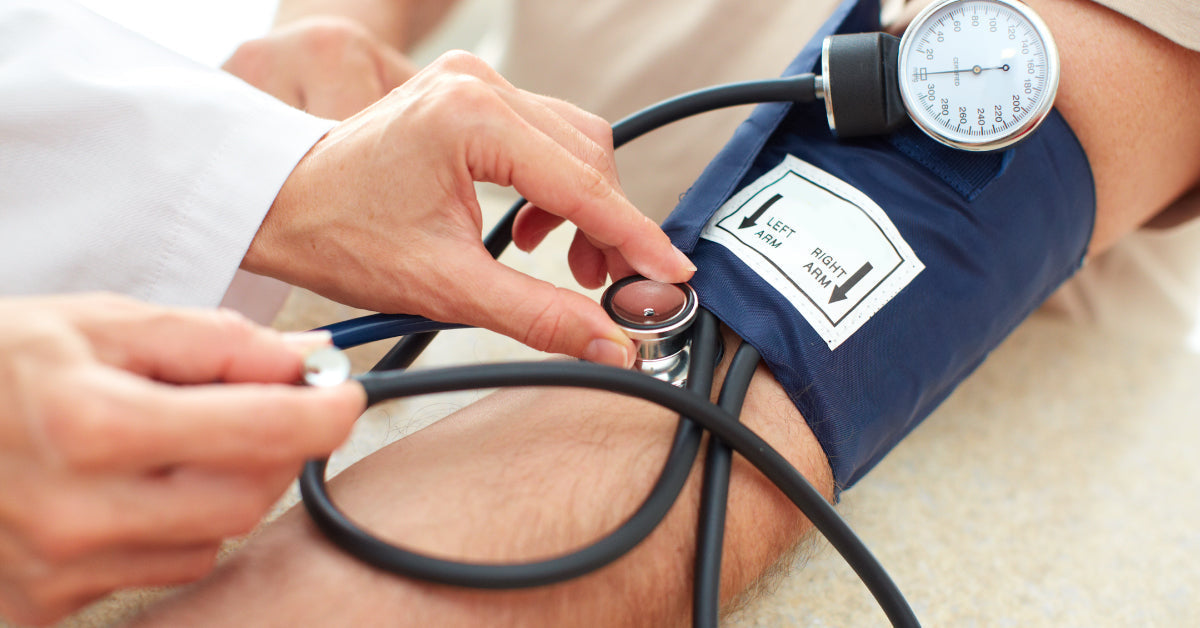
High blood pressure can be a pain in the neck to control, and doctors are quick to hand out blood pressure medication Which often has severe negative side effects. The good news is that you can help manage your blood pressure levels by means of simple lifestyle adjustments and natural supplements. Here is some advice for managing high blood pressure: Increase Your Potassium and calcium Intake The Manna Diet recommends increasing your dietary intake of potassium and calcium. Potassium can be found in all the food groups, like fruits and veggies such as oranges, pears, and spinach. Dairy products and protein foods such as red meat, poultry, and fish are fantastic sources too. Dairy products are rich in calcium – as are leafy vegetables like kale and broccoli. Decrease Alcohol Intake When you drink large amounts of alcohol, you are much more likely to develop high blood pressure. This is because too much alcohol can cause the blood vessels to become narrow, thus the heart must work harder to pump the blood through them. Stay Away From Sugar Studies have declared that people who consume too much sugar in their daily diet are about 30% more likely to develop high blood pressure. You are considered at risk of this when you consume an equivalent amount of sugar as that found in 2 cans of sugary soft drink per day. Manna Diet for High Blood Pressure The Manna Diet helps people with high blood pressure as it promotes increasing the intake of potassium and calcium in your diet by eating plenty of fruits and vegetables and low-fat dairy products. Meat portions should be sized down, and nuts can be used as a great snack as well as source of magnesium and fibre. Manna Blood Circulation Support for High Blood Pressure This product was formulated to enhance blood flow by helping to widen the arteries and assist the dissolving process of built-up cholesterol deposits on the inside walls of the arteries.
Read more

by Marthinus Opperman
Symptoms of High Blood Pressure (HBP)
Be on the lookout for the following subtle signs of HBP High blood pressure, also known as hypertension, is a prevalent health condition that more often than not the sufferer is unaware of, as there are often no warning signs. High blood pressure can lead to major health issues, such as heart disease or stroke. It is a common condition that affects the body’s arteries. If you suffer from high blood pressure, the pressure on your arterial walls from your blood is consistently too high and forces your heart to have to work harder to pump blood throughout your body. Signs that you may be a sufferer of high blood pressure Chest pain (Angina) Chest pain is the most common symptom of high blood pressure which may occur without any other symptoms being prevalent. Breathing difficulty High blood pressure can affect your blood vessels by reducing their flexibility, in turn reducing blood flow to your heart which may lead to symptoms such as chest pain. If you experience a hypertensive crisis your chest pain may increase which may lead to difficulty breathing or even a heart attack due to the stress your body is undergoing. Pulmonary hypertension is a specific type of hypertension that affects the arteries in your lungs and the right side of your heart. Pulmonary hypertension can progressively worsen over time and become life-threatening. Headaches A headache may occur during periods of very high blood pressure, which can put extra pressure on the brain. The pressure can cause the blood to leak from the blood vessels in the brain. Confusion and dizziness Confusion, dizziness, and seizures have a similar origin to headaches. They occur when there is pressure on your brain and abnormal flow of blood to the brain. This happens during a hypertensive crisis or if your blood pressure is poorly controlled. This may lead to a stroke or hemorrhage in the brain if these hypertensive symptoms become progressively worse. Vision or speech problems Many symptoms of high blood pressure are not fully understood but it is suggested that the mechanical stress on your blood vessel walls leads to elevated pressure or damage to your blood vessels and nerves. This may lead to difficulties when speaking or trouble seeing, as your eyes contain many small blood vessels which are affected during a hypertensive emergency. Healthy lifestyle changes Unfortunately, many of the symptoms mentioned are not conclusive indicators of a hypertensive crisis. The only reliable indicator is having a blood pressure test administered by a medical practitioner. If you suffer from any of the above-mentioned symptoms, it is important to be aware of your blood pressure levels and having the problem diagnosed is of paramount importance. You can speak to your medical practitioner about medications that will minimize or alleviate your symptoms. It is also important that you make healthy lifestyle changes. The lifestyle changes include an increase in physical activity, minimizing your sodium intake and increasing your intake of fruits and vegetables. Managing your stress levels and body weight and improving your quality of sleep are also very important. Finally, minimizing or completely avoiding alcohol, cigarettes or drug use is highly recommended. Risk factors Although it is difficult to know if you are suffering from high blood pressure without taking a test, you can minimize your chances of getting the condition by minimizing some risk factors. Be aware of the following HBP risk factors: Being overweight A high intake of sodium Little to no exercise A high intake of alcohol or coffee Smoking Not enough or disrupted sleep Being older than 65 Familial history of HBP Takeaway Watch out for the symptoms of high blood pressure so that you can manage the condition effectively. If you experience, chest pain, difficulty breathing, confusion and dizziness and vision or speech problems, it would be best to ask your doctor to check your blood pressure. Also be mindful of minimizing possible high blood pressure risk factors.
Read more

by Freda Coetzee
7 Natural Ways to Lower Blood Pressure
Lowering your blood pressure is within your reach Prescription medication is only one way to lower your blood pressure. There are many lifestyle changes you can make to decrease your blood pressure levels. Coupling medication with these habits can have wonderful effects. Here are 7 ways to naturally lower your blood pressure. Eat dark chocolate How deliciously wonderful – chocolate with more than 60% cocoa can help lower your blood pressure. Chocolate with lots of cocoa contains flavonoids that help widen blood vessels. Reduce and manage stress Chronic emotional stress may contribute to high blood pressure. You can try reducing stress by: ∙ Avoiding over-commitment ∙ Focussing on the issues within your control and trying to solve them ∙ Making time to relax ∙ Practicing gratitude To manage your stress, you can try meditation or yoga. Meditation has been touted to help reduce stress, and so has practicing yoga. Studies suggest that it is important to include breath control, postures, and meditation in your practice for the best results. Exercise regularly A 2014 review on exercise and lowering blood pressure found that the following exercises lower blood pressure: aerobic exercises like walking, running, swimming, cycling, or dancing. resistance training. Try to add strength training exercises at least twice a week. high-intensity interval training short bouts of exercise throughout the day walking 10,000 steps a day The American College of Cardiology and the American Heart Association advises moderate- to vigorous-intensity physical activity for 40-minute sessions, three to four times per week. If you struggle to exercise for 40 minutes, you can also do three or four workouts of 10 to 15 minutes each day. You can start small. Increasing your activity can mean: using the stairs doing household chores gardening going for a bike ride playing a team sport Most importantly, you need to exercise regularly to lower your blood pressure. Start by increasing your activity and work your way toward exercising for 30 – 40 minutes each day. Trim your sugar and refined carbohydrates intake Eating less sugar and refined carbs can not only lower your blood pressure but also aid in weight loss. Following a low-carb, low-sugar diet can increase your satiety as you are consuming more protein than fat. Cut back on salt (sodium) and add potassium Adding less salt to your food can dramatically help reduce blood pressure. How much salt should you eat? In general, limit salt to 2,300 milligrams (mg) a day. However, a lower daily sodium intake of 1,500 mg or less is ideal for most adults. Adding more of the mineral, potassium, to your diet can minimise salt’s damaging effects and help reduce tension in your blood vessels. Foods high in potassium include: low-fat dairy foods, such as milk and yogurt fish fruits, such as bananas, apricots, avocados, and oranges vegetables, such as sweet potatoes, potatoes, tomatoes, greens, and spinach Quit smoking Smoking damages your overall health. While smoking, your blood pressure will rise temporarily as smoking increases your heart rate. Smoking also has long-term effects on your blood pressure levels. It damages your blood vessel walls, causes inflammation, and narrows your arteries. The hardened arteries cause higher blood pressure. Try medicinal herbs Herbal medicines have been long used for various ailments including high blood pressure. Before taking herbal supplements, talk to your doctor to ensure that it will not interfere with your prescription medications. Some plants and herbs that might lower blood pressure include: black bean (Castanospermum australe) celery juice (Apium graveolens) ginger root sesame oil (Sesamum indicum) tomato extract (Lycopersicon esculentum) tea (Camellia sinensis), especially green tea and oolong tea Takeaway Whilst medication is effective in lowering blood sugar levels, you can also exercise, eat dark chocolate, manage your stress levels, and follow a low-sugar, low-carb diet to decrease your blood pressure. Lowering your blood pressure is within your reach and you can do so naturally.
Read more

by Marthinus Opperman
Eye Diseases Caused by High Blood Sugar
Eye disease can be one of the worst symptoms of high blood sugar levels. But the scary thing is that it seems to be one of the most common signs. High blood sugar levels can lead to various eye diseases, but they are caused by the same root-cause and the basics of how they develop are the same. How do high blood sugar levels cause eye disease? When we eat or drink too many carbohydrates or sugar, the pancreas releases large amounts of insulin. This excess sugar can lead to inflammation that damages the blood vessels, including those found in the eyes. In fact, the tiny blood vessels in the eyes are often the ones that get affected first, and this is when we start to notice the development of eye problems. What are the most common eye diseases caused by high blood sugar levels? Cataracts: Cataracts is an eye condition where there is clouding on the eye lens, which is clear under normal circumstances. It is usually caused due to aging, as the eye lens goes through continues cycles of breaking down and regenerating which becomes less effective over time. But this process happens much faster and thus can be experienced at a much younger age in people with high blood sugar levels. High blood sugar levels can cause swelling inside the lens and create a bubble-like object that we call a vacuole. Macular Degeneration: This is the most common cause of blindness in older people, and is known as age-related macular degeneration (AMD). The job of the macula is to bring images into focus, and when it gets damaged we have a difficult time doing activities where we need to be able to focus on smaller objects, for example, reading small print, sewing, or doing hobbies which include working with tiny objects. Causes of this can include smoking, high blood pressure, and a family history of AMD. Early signs of macular degeneration include a blurry spot in the center of your field of vision, objects appear less detailed, and having difficulty reading books with smaller prints. Glaucoma: A recent study revealed that diabetes sufferers are at a bigger risk of developing damage to the optic nerve, as well as glaucoma. Glaucoma in its two most common forms – open angle and chronic – is caused by increased pressure in the eye, and it can damage the nerve that links the brain and eyes. This pressure is caused due to a fluid that cannot exit the eye, and in turn, leads to built-up pressure. Early signs of glaucoma can also include tunnel vision. The reason why high blood sugar levels can increase the risk of glaucoma is due to the sugar and insulin causing blockages and inflammations in the blood vessels, making it more difficult for blood to flow through. This, in turn, creates even higher pressure levels in the eyes. How can we treat or prevent eye disease caused by high blood sugar levels? This is done by taking control of the blood sugar levels. We need to tackle the problem at its root cause, not just treat the symptoms. We can control the blood sugar levels by making healthy lifestyle changes. The first of these is sticking to a healthy, balanced diet. Cut out refined carbs and sugar as far as possible, and stock up on protein, and fresh fruits and veggies. For a how-to plan, get the FREE Manna Diet E-book. The next step is making sure that we get enough exercise. Getting active 4 times a week for at least 30 minutes at a time should do the trick. And make exercising fun. Go for a hike, a mountain bike ride, go swimming, dancing, or anything enjoyable that gets the heart rate up! But possibly THE BEST healthy lifestyle change you can make is taking Manna Blood Sugar Support with every meal. What is Manna Blood Sugar Support? Manna Blood Sugar Support is 100% organic & natural and works in a unique way by slowing down the absorption of glucose from the food you eat. How does Manna Blood Sugar Support work? The Manna Blood Sugar Support is uniquely formulated, natural and organic supplement which helps to maintain even blood sugar levels. When taken with food, Manna Blood Sugar Support gels with the food in the stomach to reduce the glycemic index of the food and drink you consume by up to 43% and therefore help to prevent blood sugar levels from rising too high. What are the benefits of Manna Blood Sugar Support? Helps to maintain balanced blood sugar levels. Helps to control cravings. Ensures balanced blood sugar levels to prevent diabetic health complications like burning feet.
Read more

by Marthinus Opperman
How High Blood Sugar Effects The Immune System
Very few people know just how crucial good blood sugar levels are for a healthy immune system. And there has never been a better time to make sure our immune systems are working at their best. The fact of the matter is that if we do not manage our blood sugar levels properly, it can seriously damage our immune system which opens us up to all kinds of viruses and diseases. At times like these, our top priority should be to keep our immune systems as strong as possible – not buying toilet paper. But how do high blood sugar levels damage the immune system? White blood cells are the ant-bodies our body uses to fight infection and illness. But when there is too much glucose in the bloodstream (high blood sugar levels) the white blood cells do not work nearly as effectively as they should. When the white blood cells are working ineffectively, the immune system becomes weak and the body cannot protect itself against viruses or other diseases, and cannot heal itself properly when sick. How do I know if my blood sugar levels are high? Some common signs of high blood sugar levels are… Finding it difficult to be fully alert after 20 minutes from getting out of bed. Feeling it is difficult to start the day without something like coffee, tea, a cigarette, or something sweet. Often feeling sleepy and in need of a nap during the day, especially after eating something. Refraining from exercise due to a lack of energy. Often getting headaches. Suffering from unexplained night sweats. A dry feeling in the mouth. Constant thirst. Frequent urinating, even waking up during the night due to the need for urination. Blurry vision. Dry and irritated skin. Fatigue or tiredness. Loss of weight. Becoming hungry more easily. How can we get blood sugar levels under control and improve our immune system? The best way to get our blood sugar levels under control is to make some simple and easy healthy lifestyle changes. Here’s what we mean… Eat right – Eating healthy and maintaining a healthy weight. Whether we are at a healthy weight or not, follow a good eating plan like the Manna Diet. This will make sure that you do not overdo it on foods that cause your blood sugar levels to go up, and also help you take in the needed nutrients which helps you to be healthier overall. Exercise – Increase physical activity, even just by doing 30 minutes of exercise 4 times a week. But do not overdo it, since too much exercise can mean that the body is too busy repairing itself rather than fighting off potential viruses and diseases. Hydration – Drink plenty of water, the rule of at least 8 glasses a day is a good and easy one to follow. Staying hydrated is a great way to help keep the blood sugar levels stable and the immune system at its peak. Manna Blood Sugar Support – Take a supplement like the Manna Blood Sugar Support to help keep blood sugar levels under control. It helps the body to slow-release the sugar from the food we eat. This means that blood sugar spikes and sugar crashes are eliminated, and energy levels stay balanced for longer. It can also help minimise cravings, which can help to put a stop unmindful eating. But more importantly, it helps to keep the blood sugar levels under control which helps to boost the immune system. Manna Blood Sugar Support is 100% organic & natural and works in a unique way by slowing down the absorption of glucose from the food you eat by up to 43%.In other words, Manna Blood Sugar support reduces the GI of the food you eat by up to 43%. Benefits of Manna Blood Sugar Support Helps to maintain balanced blood sugar levels. Helps to keep immune system performing its best through balanced blood sugar levels. It helps to control cravings. Helping to keep energy levels constant.
Read more

by Freda Coetzee
The Relevance between Blood Sugar and Insulin Resistance
Blood sugar and insulin resistance are closely related and can have a significant impact on overall health. Let’s look at the relationship between the two of these issues and explore the ways in which they are connected, as well as the impact they can have on our health. What is blood sugar? Blood sugar, also known as blood glucose, is the main source of energy for the body’s cells. It is derived from the food we eat and is regulated by a hormone called insulin. What is insulin resistance? Insulin resistance is a condition in which the body’s cells do not respond properly to insulin. As a result, the pancreas must produce more insulin to keep blood sugar levels in a normal range. Causes of insulin resistance Insulin resistance is often caused by a combination of genetic and lifestyle factors. Some of the most common causes include: Obesity Lack of physical activity Unhealthy diet Chronic stress Certain medications Genetics Symptoms of insulin resistance The common symptoms of insulin resistance can include: Fatigue Increased hunger Weight gain Difficulty losing weight Darkened skin on the neck or armpits Acanthosis nigricans How does it impact overall health? Insulin resistance can lead to a number of serious health problems, including: Type 2 diabetes High blood pressure Metabolic syndrome Nonalcoholic fatty liver disease Polycystic ovary syndrome Increased risk of heart disease and stroke How insulin resistance is diagnosed Insulin resistance can be diagnosed by measuring the fasting insulin level and glucose levels or by using the homeostatic model assessment of insulin resistance (HOMA-IR). Additionally, the oral glucose tolerance test, which measures how well the body is able to process glucose, be used to diagnose insulin resistance. Complications of insulin resistance Insulin resistance can lead to a number of complications, including: Type 2 diabetes High blood pressure Metabolic syndrome Non-alcoholic fatty liver disease Polycystic ovary syndrome Increased risk of heart disease and stroke Treatment of insulin resistance The most effective treatment for insulin resistance is lifestyle changes, such as: Eating a healthy diet Increasing physical activity Losing weight Managing stress Avoiding smoking and excessive alcohol consumption Taking supplements such as the Manna Blood Sugar Support What is Manna Blood Sugar Support? Manna's Blood Sugar Support is an all-natural health supplement for managing blood sugar levels, made from the pods of the Prosopis (Mesquite) tree, and it does not have any negative side effects like many chemical alternatives have. Helps manage type 2 diabetes, control cravings and insulin resistance. How Does Manna Blood Sugar Support Work? This supplement is an organic and natural way to help balance blood sugar levels. It does this by “gelling” with the food we eat and then slow-releasing the sugar from these foods into our bloodstream. That is why you must always take it with food, otherwise, you are missing out on the amazing benefits of Manna Blood Sugar Support and it will not work as it should. This means that it helps prevent the blood sugar levels from soaring through the roof after you have eaten something, and then also obviously helps avoid the subsequent sugar crash. This helps your body to avoid the need for the pick-me-up from a sugary snack that we know as a craving. If you can stabilize your blood sugar levels and control cravings, it makes losing weight a whole lot easier. When taken with food, Manna Blood Sugar Support gels with the food in the stomach to reduce the glycemic index of the food and drink you consume by up to 43%. It, therefore, helps to prevent blood sugar levels from rising too high. What are the benefits of Manna Blood Sugar Support? Helps to maintain balanced blood sugar levels. Keep you more satisfied after a meal, which means that the same meal can take you much further and cause you to eat less, which can help with natural weight loss. Helps to control cravings. Helps to keeps energy levels constant. Balanced blood sugar levels can help to prevent diabetic health complications.
Read more

by Marthinus Opperman
What Causes Blood Sugar Swings?
Our blood sugar levels are sensitive, and may be affected by things we would never suspect! It spikes up and crashes down and it can leave us feeling terrible if we don’t do something about it. Some things cause our blood sugar levels to go up, others cause them to go down. Others may cause them to go up and then down. But what causes it to go up and down like a rollercoaster? What things do we do, use, eat, and drink that sends our blood sugar shooting to the moon the one minute, and then crashing to the ground the next? Let’s take a look at the different things that causes blood sugar swings and why it happens… Up: Caffeine Blood sugar levels can rise after drinking coffee, black tea, and some energy drinks due to the presence of caffeine. And before you say that it is the sugar – even coffee and tea without sugar causes the blood sugar levels to rise. That is why it is so crucial to avoid sugary, caffeinated energy drinks as far as possible. Up: Sugar-Free Foods A number of foods claim to be “sugar-free,” but these foods raise blood sugar levels because many of them contain carbohydrates in starches, fats, and even fibre. Sugar alcohols such as sorbitol and xylitol add sweetness to foods but still may have enough associated carbohydrates to raise blood sugar levels. Foods with high levels of carbohydrates are likely to raise blood sugar levels very high, and eventually may cause organ damage over time in people with diabetes. Up: Fast Food Foods high in saturated fat and trans-fat can cause blood sugar to stay higher for longer periods of time. Pizza, French fries, and most fried foods are high in carbohydrates and fat. It’s a good idea to check your blood sugar about two hours after you eat such foods to see how your blood sugar levels are affected. Up: A Bad Cold If you are sick, diarrhoea and vomiting for more than two hours, or illness longer than a few days may alter your blood sugar. Moreover, blood sugar rises as your body tries to fight any type of illness. Medications such as antibiotics and decongestants may alter your blood sugar. Check your blood sugar levels during these intermittent special situations so you can help determine how your body will react to these illnesses and treatments. Up: Cold Medicines To make matters worse, cold medicines often contain the decongestants pseudoephedrine or phenylephrine; they also may contain sugar and/or alcohol. These components may raise your blood sugar levels. Antihistamines don’t cause a problem with blood sugar levels. If you decide to purchase over-the-counter cold medicines, ask the pharmacist about the possible effects it may have on your blood glucose levels. Up: Stress Stress may cause your body to release hormones that can cause rises in your blood sugar. Although this is more common in people with type 2 diabetes, practice relaxation techniques with deep breathing and exercise, take up a relaxing hobby, do something fun with friends or family, or simply take some me-time to reduce stress. Up: Dehydration Being dehydrated can cause blood sugar levels to go up. That is why it is important to always make sure that you are well-hydrated and drink plenty of water. You should drink between 1.5L and 2L of water each day. Up: Sports Drinks Although the main design for sports drinks is to help individuals replenish fluids quickly, many of them contain large amounts of sugar. For moderate workouts of less than an hour, plain water should do to replenish your fluids. For more intense workouts, a sports drink may be appropriate, but people with diabetes should be careful about drinking sports drinks with a lot of sugar – even when you are doing intensive exercise. Up: Dried Fruits Although fruit is a healthy choice for most individuals, people with diabetes should be aware dried fruits contain a large number of carbohydrates in a small serving size. For example, two tablespoons of dried raisins, cranberries, or cherries have the same amount of carbohydrates as a small piece of fresh fruit. Three dried dates contain 15 g of carbohydrates so eating a handful or two of dried fruits may cause high spikes in blood glucose levels in many individuals. Up: Steroids and Water Pills Steroids commonly used to treat rashes, arthritis, asthma, and other medical conditions can cause blood sugar levels to rise. Corticosteroids such as prednisone may trigger the development of diabetes in otherwise healthy individuals. Diuretics (water pills) may raise blood sugar levels, while antidepressants may either raise or lower them. If you need to take these medications and have diabetes, carefully monitor your blood glucose levels to see how these medications affect you. Down: Household Chores Normal activities such as mowing the lawn or cleaning the house count as moderate physical activity for a person with diabetes (and for other people, too!). This type of activity may help lower the blood sugar in a person with diabetes. People with diabetes should participate in mild to moderate physical activity because the activity may lower blood glucose and increase overall fitness. Down: Yogurt Probiotic foods may help people with diabetes by improving digestion. Yoghurt, for example, is reported to contain “healthy” bacteria that may help protect against gastrointestinal problems. The best yoghurt choice is plain yoghurt or “light yoghurt” with no added sugar or fruit. Down: Cinnamon Some studies suggest sprinkling your food with cinnamon may lower blood sugar in individuals with type 2 diabetes. Study investigators suggest cinnamon can add flavour without adding salt, carbohydrates, or calories. Moreover, cinnamon may improve the body’s ability to use insulin. People with diabetes should discuss the use of cinnamon with their health care professional before making any dietary changes. Rollercoaster: Exercise Physical activity almost always helps improve an individual’s health, whether they have diabetes or have normal blood glucose levels. Unfortunately, when people with diabetes do intense or endurance type exercises, their blood sugars may spike up and then drop for as long as 24 hours. People with diabetes should check their blood sugar before, during, and after exercises to be sure their blood sugar levels don’t go too high or too low. Good blood glucose monitoring, coupled with appropriate treatments, can avoid this blood glucose roller coaster effect of highs and lows. Rollercoaster: Alcohol The same roller coaster effect of high and low blood sugar that occurs with exercise can occur when people with diabetes drink alcohol. At first, glucose levels may rise, but then they can fall and remain low as long as 12 hours after drinking. The rollercoaster effect can be reduced if the person eats food when drinking alcohol. Alcoholic drinks can also contain a lot of carbohydrates. For women, it is best to drink only one alcoholic beverage per day, and two per day for men. One alcoholic drink is equal to 150ml of wine, 350ml of beer, or 44ml of liquor (gin, whiskey, vodka). Rollercoaster: Heat Being overly hot or sweating makes your blood sugar more difficult to control. Going in and out of air conditioning can have a roller coaster-like effect on your blood glucose levels. Staying in air-conditioned environments during the heat of the day and drinking plenty of water to avoid dehydration is a good way to avoid heat-related problems in controlling your blood sugar. In addition, people with diabetes should know that their medications, the glucose meter, and test strips could be affected by high heat such as the type of heat that can occur in a hot car or on a windowsill in the sun. Keep these items at room temperature. Rollercoaster: Female Hormones Another roller coaster effect of high and low blood sugar occurs due to hormone changes. Female’s blood glucose levels fluctuate during the menstrual cycle and during menopause. Frequent blood sugar level determinations can help people with diabetes manage this roller coaster effect due to hormonal changes. You can use the Manna Menopause Support supplement to help increase estrogen levels in the most natural way without any side effects. Caution: Birth Control Pills Estrogen in birth control pills can affect the way a person with diabetes may respond to insulin. It is advised that women with diabetes use a birth control pill containing norgestimate and synthetic estrogen. It also suggested birth control injections and implants are safe for women with diabetes, but they still have some effects on blood sugars levels. If women elect to use these birth control methods, they should monitor their blood sugar levels, especially for several weeks when these agents are first administered. Women with diabetes should discuss their birth control options with their doctor. Caution: Sleep Regular testing of your blood sugar is important to determine how it fluctuates during a typical 24-hour period. Blood sugar can fall low during sleep for some people with type I diabetes; these people may benefit from a small snack just before bedtime. For other people, blood sugar can rise in the morning even before eating breakfast – this is due in part to changes in hormones or a drop in insulin levels. A good way to determine how your body utilizes glucose is to use a continuous blood glucose monitor on occasion. It can help you determine the blood glucose fluctuations that are normal for you. Is Sugar Bad for You? If you are a chocoholic and/or have a huge sweet tooth and have diabetes, you do not have to give these items up forever. The key is to understand that sugar compounds will increase your blood sugar levels more quickly than other carbohydrates, but the total amount of carbohydrate intake is most important. Consequently, if people with diabetes can keep a serving size small, they can enjoy their favourite foods as long as they take into account that the overall total carbohydrate intake and calories do not exceed their usual dietary levels. This means a small serving of sweets should be offset by eating other foods that contain no “sweets.” What about the Glycemic Index? The glycemic index (GI) of foods is a rating of how individual foods raise blood sugar. The daily carbohydrate total is one way to manage blood glucose levels. Consequently, eating beans and whole grains that have a lower glycemic index than white bread or pasta can help keep blood sugars lower. So, if you want a small amount of high glycemic index foods (a small piece of pie, for example), it would be better to have the rest of the daily carbohydrate total made from low glycemic index foods. How can I control my blood sugar level effectively? The most effective way to control blood sugar levels is by making healthy lifestyle changes that are sustainable in the long-run. So what positive lifestyle changes should I make? Diet – Eating healthy and maintaining a healthy weight. Whether you are at a healthy weight or not, follow the Manna Diet. Exercise – Increase your physical activity, even just by doing 30 minutes of exercise 4 times a week. Hydration – Drink plenty of water, the rule of at least 8 glasses a day is a good and easy one to follow. Manna Blood Sugar Support – Take a supplement like the Manna Blood Sugar Support to help keep blood sugar levels under control. It helps the body to slow-release the sugar from the food we eat. This means that blood sugar spikes and sugar crashes are eliminated, and energy levels stay balanced for longer. It can also help minimise cravings, which can help to put a stop unmindful eating. Manna Blood Sugar Support is 100% organic & natural and works in a unique way by slowing down the absorption of glucose from the food you eat by up to 43%.In other words, Manna Blood Sugar Support reduces the GI of the food you eat by up to 43%. Benefits of Manna Blood Sugar Support: Helps to maintain balanced blood sugar levels. Keep you more satisfied after a meal, which means that the same meal can take you much further and cause you to eat less, which can help with natural weight loss. Helps to control cravings. Helping to keep energy levels constant. Even blood sugar levels can help to prevent diabetic health complications.
Read more
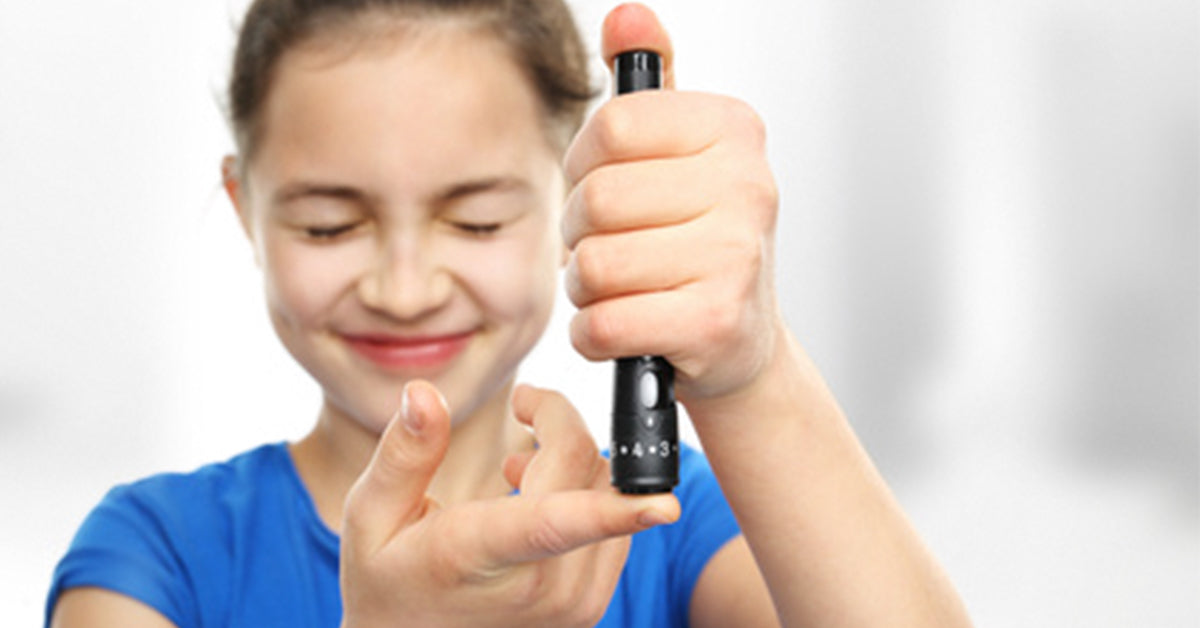
by Marthinus Opperman
11 Signs Of Out Of Control Blood Sugar
Your head is spinning. You feel tired all day. Your hands are numb. What’s going on with your blood sugar? And what can you do about it? Many times we don’t even realize that our blood sugar levels aren’t where they’re supposed to be. Here are 11 signs of out of control blood sugar that you need to do something about… You don’t actually know what your blood sugar levels are. This is especially relevant for people with type 2 diabetes. You might be trying to keep your blood sugar levels under control with diet, exercise, and medicine. But unless you check your blood sugar level every day with a meter, you won’t really know what is happening. You’re always thirsty and need to run to the loo constantly. An unquenchable thirst and constant trips to the loo can be a clear sign that your blood sugar levels are out of whack. Your kidneys work harder to filter out all the sugar in the blood, and at the same time, they pull more fluids from your tissues. This is why you have to go to the bathroom more often. The thirsty feeling you are having is your body telling you to replace the fluids it is losing. If you don’t do something about it, you can become dehydrated. You’re constantly tired – No, fatigued. Fatigue is more than just feeling tired. It is feeling completely drained of all your energy and then on top of that feeling sleepy and tired. This happens because the sugar is not staying in your bloodstream, but rather being redirected into your body’s cells. Your muscles then do not get enough fuel to use for energy. This often happens after a large meal. Your head is spinning round and round. Feeling dizzy and shaky is one of the most recognized symptoms of low blood sugar. Your brain needs some sugar to function properly. If your sugar drops to the point where you become dizzy, it can be very dangerous and even life-threatening. A short-term fix is to have a small sugary snack to give your blood sugar levels a quick boost, but this is far from ideal for a long-term solution to the problem. Swollen hands and feet. High blood sugar, as well as high blood pressure, can cause damage to the kidneys. The kidneys then cannot filter waste the way it should. Water then builds up in the body, and this may cause swelling in your hands and feet. Lowering your blood sugar and blood pressure levels can help prevent or treat this problem by restoring the kidney’s ability to filter waste properly. Numbness and tingling in the limbs. This numbness or tingling is caused by damage to the nerves. This usually happens when blood sugar levels are elevated for a prolonged period of time. This can make your hands and feet feel like they are constantly “asleep”, and you might have difficulty feeling pain or changes in temperature. People struggling with this problem may often not realize that they have done up a cut or an injury, which can lead to the wound becoming infected. On the other hand, they may also become oversensitive to pain and bruises. Stomach trouble and digestive issues. Continuing on the subject of nerve damage – high blood sugar levels may also cause damage to the nerves that help empty your stomach. This means that your digestive tract cannot perform to its full potential and food cannot move through as smoothly as it should. When your stomach can’t empty as quickly as it should, it can result in a condition called gastroparesis. This can lead to digestive issues like constipation, incontinence, and diarrhoea. It can also cause difficulty swallowing and eating. This may make it more difficult to keep your blood sugar levels under control. You experience problems with your sight. Once again, nerve damage can occur in your eyes due to constant high blood sugar levels. It can affect the actual structures of your eyes, as well as your vision. A common diabetic eye-sight problem that develops is called diabetic retinopathy. This is when the blood vessels in the eye get damaged. It is the leading cause of blindness in adults. Blurred vision, spots, lines, or flashing lights are signs that it’s time to get your eyes checked and your blood sugar balanced. Unexplained weight loss. One of the best ways to control your blood sugar is to lose unwanted kilograms. However, if it is happening very quickly without you even trying, it is actually a massive problem. This could indicate that your blood sugar is very high. All the sugar in your body is being flushed out via the urine. Constant infections. Frequent or recurring infections may be a tell-tale sign of diabetes and high blood sugar. You can often experience problems like gum disease, urinary tract infections, bacterial or fungal infections of the skin, or yeast infections. More serious infections might include pneumonia and respiratory infections, kidney and gallbladder infections, and severe bacterial middle ear and fungal sinus infections. Cuts and bruises that just won’t heal. When your blood sugar is out of control, you might notice that you have cuts and bruises that seem to take forever to heal. If not treated properly, these may result in infections. This is why it is important for people with high blood sugar levels to tend to their cuts and wounds with utter care – no matter how small they are. How can you take control of your blood sugar? With positive lifestyle changes, the right diet, and a good exercise plan these problems can all be treated. This is because making healthy lifestyle choices can help you get the root of the problem under control. As soon as your blood sugar levels are balanced, the symptoms will start to sort out themselves over time. For Healthy Blood Sugar levels we recommend: Manna Blood Sugar Support A natural way to support healthy blood sugar levels Manna Blood Sugar Support is the only organic supplement for blood sugar support, which can be used in conjunction with any other medication. Controlling blood sugar levels can help to prevent diabetic-related ailments, stop, or reverse Insulin Resistance and improve healthy weight loss. Blood Sugar Support Ingredients The Manna Blood Sugar Support’s main ingredient is a unique blend of flour from the pods of the Prosopis tree, which grows in the harsh, arid Northern Cape Province. The special combination of essential sugars, dietary fiber, minerals, and protein is what causes this product to be superior to any other blood sugar support product on the market. How Does It Work? When taken with food, the supplement gels with the food in the stomach to reduce the slow down rate at which glucose from the food is released into the bloodstream. In other words, the product helps to reduce the glycemic index of the food and drink you consume by up to 43%. Thus, in short – it helps to slow release energy. Benefits of Manna Blood Sugar Support Helps to maintain even blood sugar levels Keep you more satisfied after a meal, which means that the same meal can take you much further and cause you to eat less, which can help with natural weight loss. Helps to Lower High Insulin Levels Helps to control cravings Helping to keep energy levels constant Even blood sugar levels can help to prevent diabetic health complications Helps to Lower High Blood Pressure Who Can Use Manna Blood Sugar Support? Type 2 Diabetics This product can successfully help to maintain even blood sugar levels. Normal blood sugar levels can prevent diabetic health complications making it one of the best diabetic supplements. Those seeking to lose weight Consuming too many calories is the major cause of overweight. Unbalanced blood glucose levels are the single most important factor for over eating. By eating the wrong types of food, blood glucose levels rise too quickly and drop just as fast, causing you to be hungry again. Food cravings are related to unbalanced blood glucose levels. Stable blood glucose levels can help to control food cravings and suppress appetite, causing you to eat less. PCOS Sufferers Polycystic ovary syndrome and syndrome X are frequently found together, which makes it important to understand this common problem. Because PCOS is now recognized as a risk factor for developing diabetes, it is recommended that women with the disease be routinely screened so that syndrome X can be found early, and treatment can be initiated earlier. This product can help to maintain even blood glucose levels. People with High Cholesterol High blood sugar is a risk factor for high LDL cholesterol and low HDL cholesterol levels, according to the Mayo Clinic. Diabetes raises your risk of bad cholesterol readings, especially when the disease is uncontrolled and your blood sugar is habitually high. High glucose levels in the blood also damage your artery linings. Even blood sugar levels are very important to prevent high cholesterol. Those suffering from Low Blood Sugar Low Blood Sugar (hypoglycemia) can happen for several reasons, including diet, some medications and conditions, and exercise. Keeping your blood glucose levels stable with this supplement can help to prevent a sharp drop in blood glucose levels. Those with ADHD A child can concentrate and behave better at school, and an adult can make it through that long morning meeting with stable blood glucose levels. Low GI foods (protein and complex carbohydrates) are the ideal food for a person with ADHD. Therefore, the Manna Blood Sugar Support supplement is the ideal supplement, because it helps to maintain even blood sugar levels. Pregnant / Breastfeeding Women Pregnant and breast feeding women with diabetes cannot take medication to control their blood sugar levels. The Manna Blood Sugar Support supplement is one of the few natural products which is 100% safe and beneficial for mother and child during pregnancy and while breast feeding.
Read more

by Marthinus Opperman
Manage Blood Sugar Levels In 6 Easy Steps
Lowering blood sugar levels is crucial for treating diabetes. But many diabetics don’t know how to do this People without diabetes generally don’t have to think about balancing their blood sugar levels, as their bodies do this for them. Unfortunately, people who suffer from diabetes aren’t as lucky and have to keep a close eye on their blood sugar levels. Many guides force us to follow a routine that is almost impossible to implement into our daily life. So how can we manage our blood sugar levels without it becoming a hassle? Most people don’t even know where to begin, but luckily these 6 simple steps are here to help manage blood sugar levels. Step 1 Avoid Refined Carbs and Sugar The first step for lowering blood sugar levels actually already starts during the meal. Since refined carbohydrates and sugars cause your blood sugar levels to increase drastically, avoiding these can make lowering them again much easier. Common foods that are high in refined carbs and sugar includes white bread, white rice, fast foods, sweets and candy, ice cream, and cookies. When you DO eat refined carbs or sugar, make sure that you take 1 or 2 Manna Blood Sugar Support tablets with your meal which will then help to slow down the absorption of sugar into your bloodstream and keep your blood sugar levels stable. Step 2 Exercise Exercise is a great way to lower blood sugar levels and it can help keep them lowered for long after the actual exercise session. This is because it helps to remove sugar from the bloodstream as the body needs this sugar to burn as fuel to provide the needed energy to perform the exercise. When you include weight-training into your workout program it can help to prolong this effect thanks to afterburn, where the body continues to burn fuel for several hours even after you have stopped exercising. Step 3 Drink Black Tea Drinking black tea after a meal might help lower your blood sugar levels. It mimics the action of certain type-2 diabetes medications but in a completely natural way. When you take Manna Blood Sugar Support along with a cup of black tea after a meal, your blood sugar levels should not undergo much of an increase. Step 4 Add Cinnamon to your diet Although the research has not been conclusive, it does seem that cinnamon can help lower blood sugar levels, as well as blood pressure and cholesterol levels. You can use cinnamon to add flavour to many different dishes sweet or salty. Another option is mixing cinnamon into your tea, coffee, or add it to a mix of hot water, lemon, and honey. Step 5 Use Insulin (Extreme cases only) This is not a step for everybody! But it might be needed for people who suffer from type-1 diabetes and even for some with serious cases of type-2 diabetes. This can be in the form of injections or oral medication. Step 6 Manna Blood Sugar Support Always take the Manna Blood Sugar Suppolement with your food, because it helps to lower the Glycemic Index (GI) of the food you eat. Therefore, it helps control blood sugar levels and insulin. How does Manna Blood Sugar Support work? One of the best natural and organic blood sugar support products, uniquely formulated Manna Blood Sugar Support helps to maintain even blood sugar levels. Manna Blood Sugar Support is 100% organic & natural and works in a unique way by slowing down the absorption of glucose from the food you eat by up to 43%. In other words, Manna Blood Sugar Support reduces the GI of the food you eat by up to 43%. What are the benefits of Manna Blood Sugar Support? Helps to maintain even blood sugar levels. Keep you more satisfied after a meal, which means that the same meal can take you much further and cause you to eat less, which can help with natural weight loss. Helps to control cravings. Helps to keep energy levels constant. Balanced blood sugar levels can help to prevent diabetic health complications. The Manna Blood Sugar Support really is a No-Brainer for anybody suffering from diabetes.
Read more

by Pieter-Steyn Coetzee
Health Risks Of Insulin Resistance
Insulin resistance affects many people without them even knowing. It is becoming a bigger problem by the day, and it is affecting more and more people. But what are the risks of insulin resistance and can something be done. What Is Insulin Resistance? Normally, food is absorbed into the bloodstream in the form of sugars and other basic substances. The increase in sugar in the bloodstream signals the pancreas to secrete more of a hormone called insulin. This hormone attaches to cells, removing sugar from the bloodstream so that it can be used for energy. In insulin resistance, the body’s cells don’t have the ability to respond to the action of the insulin as they should. To compensate for insulin resistance, the pancreas secretes even more insulin and therefore people with insulin resistance have high levels of insulin in the bloodstream. Over time people with insulin resistance can develop high blood sugar levels or diabetes as the high insulin levels can no longer compensate for the high sugar levels. What Are The Risks of Insulin Resistance? High Blood Sugar Levels Due to the fact that insulin doesn’t keep blood sugar levels under control as it should, high blood sugar levels are often one of the first signs of insulin resistance. Type-2 Diabetes When the blood sugar levels are constantly high, it eventually leads to the development of type-2 diabetes. This happens so often that you can just as well say that type-2 diabetes and insulin resistance go hand-in-hand. High blood pressure This is another serious symptom that comes along with insulin resistance. As insulin resistance gets worse, so do the blood pressure levels. Abnormal cholesterol levels The typical cholesterol levels of a person with insulin resistance are low HDL (good cholesterol) and high levels of another blood fat called “triglycerides”. Heart disease The insulin resistance syndrome can result in atherosclerosis (hardening of the arteries) and an increased risk of blood clots. Obesity A major factor in the development of insulin resistance syndrome is obesity — especially abdominal obesity or belly fat. Obesity promotes insulin resistance and negatively impacts insulin responsiveness in a person. Weight loss can improve the body’s ability to recognize and use insulin appropriately. Kidney damage This can be a very dangerous symptom of insulin resistance and can be picked up when there is a protein in the urine. How Is Insulin Resistance Diagnosed? There is no simple test to diagnose insulin resistance, but if you have 3 of the following, chances are that you already have insulin resistance: A waist size of 100cm or more in men and 88cm or more in women Increased levels of triglycerides (a type of fat in the blood)- higher than 2.2mmol/L. Low HDL, or “good,” cholesterol level (Less than 1.3mmol/L for men and 1.5mmol/L for women) High blood pressure of 130/85 or higher, or being treated for high blood pressure Fasting blood glucose levels of 5.5mmol/L or above, or being treated for diabetes The current epidemic of obesity in children also puts them at risk for the development of insulin resistance. How can I treat insulin resistance? The most effective way to treat insulin resistance is by making healthy lifestyle changes. These changes include: Eating Healthy This does not mean you have to eat salad 3 times a day. It is all about following a balanced, healthy eating plan that is sustainable in the long run. A great example of such an eating plan is the Manna Diet which is available as a FREE downloadable eBook. Exercising There are countless different exercise routines. And everybody prefers a different one. The main thing is to find an exercise that you enjoy so that you don’t quit after the first week. So whether you like to go to the gym, cycle, swim, or hike – make sure to get active for at least 30 minutes, 4 times a week. Manna Blood Sugar Support This amazing product helps you to keep your blood sugar levels under control. But because you have your blood sugar levels under control, it also means that you are controlling your insulin levels. Manna Blood Sugar Support can help the body to respond better to insulin and use it much more effectively. What is Manna Blood Sugar Support? The Manna Blood Sugar Support is an all-natural health supplement made from the pods of the Prosopis (Mesquite) tree, and it does not have any negative side effects like many chemical alternatives have. How does the Manna Blood Sugar Support work? Manna Blood Sugar Support gels with the food we eat and then slow-releases the sugar from this food into the bloodstream. What this means is that the blood sugar levels in the body do not get a sudden spike, and there is no need for the pancreas to release a bunch of insulin. Another thing to do when trying to get your blood sugar levels stable is to stop fighting the incredible effects of the Manna Blood Sugar Support by eating things that are constantly trying to shoot up your blood sugar levels. It works best with a healthy diet. But if you do decide to be a bit naughty and have an unhealthy takeaway or a chocolate every once in a while, take a Manna Blood Sugar Support tablet or two with it, and it will help keep the blood sugar spike under a bit more control. It is the perfect thing to help you keep your insulin levels balanced and lose weight!
Read more

by Marthinus Opperman
5 Warning Signs of Insulin Resistance
Insulin resistance is often overlooked as a serious health problem. Insulin resistance goes hand-in-hand with diabetes. It can also be easily caused by unhealthy daily habits. To understand why insulin resistance can be so dangerous, let’s first see what insulin is all about and what the signs of insulin resistance are… What is the function of insulin in the body? First things first: Insulin is a good thing. It is the hero in the fairytale of our health. It is when we do things that make insulin ineffective or non-existent that it becomes the middle point of many health problems. Insulin is a hormone produced by the pancreas, and its main function is to regulate the sugar in our bloodstream. When we eat food that contains sugar or carbohydrates, it triggers the pancreas to release insulin into the bloodstream to help regulate this sugar and make sure it finds its way to the right places in our bodies. The insulin takes the glucose (sugars) from the food we eat and helps the body use it as fuel to perform our daily physical and mental activities and functions. However, any excess sugar that is not used for energy gets stored in the body’s cells as fat, which leads to weight gain and even obesity. Now that we know what insulin does, we can see what happens when it isn’t able to do its job… What is Insulin Resistance? If you have ever wondered exactly what insulin resistance is, then you have come to the right place… Insulin resistance is when the body’s cells do not respond properly to the insulin, thus not taking up the glucose from the bloodstream as it should. This renders the insulin that is released less effective, or even completely useless. In order to make up for the insulin resistance, the pancreas releases more insulin. However, it eventually reaches a point where it does not matter how much insulin is released, it ineffective and unable to control the blood sugar levels. This then results in constantly high blood sugar levels, which lead to type-2 diabetes. Some misconceptions about insulin resistance are: It only affects people who are overweight and eat too many sweets There is nothing you can do about insulin resistance These statements are however completely false, as insulin resistance can happen to anybody and there are most certainly things one can do about dealing with insulin resistance. Insulin resistance can be naturally prevented or even reversed. Now, let’s see what the warning signs are of insulin resistance… 5 Warning Signs of Insulin Resistance Whilst the warning signs and symptoms of insulin resistance may vary from one person to the next, the 5 most common and most dangerous signs are: High blood pressure. Hig insulin levels and high blood pressure are interlinked. When you suffer from high blood pressure, the chances are extremely high that you are suffering from insulin resistance as well – and you might not even be aware of it! High cholesterol levels. It is a typical warning sign that people with insulin resistance have high levels of bad cholesterol (LDL) and low levels of good cholesterol (HDL). Heart disease. Having problems like atherosclerosis (the hardening of the arteries) and other heart problems can be a bright, flashing red light for insulin resistance and should be of big concern. Insulin resistance and obesity go hand-in-hand. This can usually be seen by large amounts of excess body fat, especially around the belly. Obesity and insulin resistance works in a vicious cycle where obesity can lead to insulin resistance, and vice versa. 4. Being Overweight Being overweight or obese is what many people have in mind when they hear insulin resistance. And with good reason – as these two problems are linked most of the time. Being overweight can cause insulin resistance to develop, but being insulin resistant can also cause you to gain weight. It really is a vicious cycle. Kidney damage. Protein in the urine is a sign that kidney damage has occurred, although this is usually not the first sign of insulin resistance. How Is Insulin Resistance Diagnosed? There is no set or simple test to diagnose insulin resistance. However, here are some of the factors that your doctor would consider when diagnosing insulin resistance: Blood pressure of 130/85 or higher. A waist size of 100cm or more in men and 88cm or more in women. Triglycerides levels are higher than 2.2mmol/L. An HDL (good cholesterol) level of less than 1.3mmol/L for men and 1.5mmol/L for women. Fasting blood glucose levels of 5.5mmol/L or higher. How can I treat insulin resistance? The key is to get to- and then maintain a healthy weight through healthy lifestyle changes. These lifestyle changes include the right diet, exercise, and Manna Blood Sugar Support. Here is how you can implement healthy lifestyle changes… Diet – This is not a “diet” where you try to lose 10 kg in 2 weeks. It is a sustainable way of healthy eating that you can follow for months, years, and the rest of your life without feeling inconvenienced. It will also help you to lose weight, and make sure that the weight stays off. And weight loss is another great way to reduce the risk of insulin resistance. Reduce your intake of refined carbs (White bread, white rice, pasta, etc.) and sugar (Table sugar, sweets, cookies, etc.) Eat more protein (1/3 of every meal should be protein) Load up on delicious veggies and salads. It doesn’t have to be boring or tasteless – the internet is chock-full of yummy and healthy recipes. Learn to say no to processed and deep-fried food like takeaways. PORTION CONTROL – even healthy foods contain calories that can add up if you don’t stick to your portions. Get the full FREE Manna Diet e-book now. Exercise – This doesn’t mean that you have to become a gym junkie. It just means that you have to do literally anything to become more active. Exercise has endless health benefits, one of which is the ability to prevent or treat insulin resistance. So in order to exercise successfully, you have to make sure that you get active at least 4 times a week. But if you can do it more often – all the better. Here are a few ideas for exercise that don’t involve the gym: Take up cycling Start jogging – it takes only a pair of shorts and some running shoes. Go hiking over the weekends Do some gardening – you will be surprised how many calories you can burn. Use household items for weight training (Water bottles, paving stones, bricks – get creative!) Go dancing Jump or skip rope The ways you can exercise are only limited to your imagination. Manna Blood Sugar Support – This amazing product helps you to keep your blood sugar levels under control. But because you have your blood sugar levels under control, it also means that you are controlling your insulin levels. Manna Blood Sugar Support can help the body to respond better to insulin and use it much more effectively. What is Manna Blood Sugar Support? The Manna Blood Sugar Support is an all-natural health supplement made from the pods of the Prosopis (Mesquite) tree, and it does not have any negative side effects like many chemical alternatives have. How does the Manna Blood Sugar Support work? Manna Blood Sugar Support gels with the food we eat and then slow-releases the sugar from this food into the bloodstream. What this means is that the blood sugar levels in the body do not get a sudden spike, and there is no need for the pancreas to release a bunch of insulin. Another thing to do when trying to get your blood sugar levels stable is to stop fighting the incredible effects of the Manna Blood Sugar Support by eating things that are constantly trying to shoot up your blood sugar levels. Follow a healthy diet like the one found in the Manna Diet e-book However, if you do decide to be a bit naughty and have an unhealthy take away or a chocolate every once in a while, take aManna Blood Sugar Support tablet or two with it, and it will help keep the blood sugar spike under a bit more control. It is the perfect thing to help you keep your insulin levels balanced and lose weight!
Read more

by Freda Coetzee
Say Goodbye to Insulin Resistance!
Avoid diabetes by enhancing your insulin sensitivity Becoming resistant to insulin is the forerunner of a diabetes diagnosis. Living with diabetes can disrupt your life as you must constantly watch what you eat and keep tabs on your blood glucose levels. The health complications of diabetes can have dire consequences. Luckily, if you are resistant to insulin, you can change your fate. Read on to find out more about insulin resistance, how to know if you are insulin resistant, and what you can do to better your insulin sensitivity. What is insulin resistance? Your body uses glucose as energy. It comes from the breakdown of carbohydrates. Glucose gets released into your bloodstream causing your blood glucose levels to rise. When this happens, the pancreas will release the hormone, insulin. Insulin works like a delivery truck. It shuttles glucose out of your bloodstream and into your cells. When glucose gets delivered to the cells your blood glucose levels return to normal. Insulin sensitivity is a term used when your cells are welcoming to insulin and receive the delivered glucose. If you have a high insulin sensitivity, glucose will move quickly from your bloodstream and into your cells. Insulin resistance is the term used when your cells are not responsive to the hormone. If you are insulin resistant glucose will build up in your bloodstream. The pancreas reacts to this build-up by releasing even more insulin. It starts pumping out insulin in inordinate amounts and as long as the pancreas can keep this up, your blood sugar levels will be relatively stable. Eventually, the pancreas can’t keep up with the demand for insulin. When this happens your blood sugar levels will be chronically high, and this sets the stage for diabetes. Diabetes is a serious illness as it can lead to devastating health complications. Diabetes could lead to heart and blood vessel disease, the loss of limbs as they might need to be amputated, blindness, and chronic kidney disease (CKD) which can result in kidney failure. Encouragingly, insulin resistance is reversible through making lifestyle changes. You can side-step the horrible health complications of diabetes! Read on to find out how to test for insulin resistance and what to do up your insulin sensitivity. How do I know if I’m insulin resistant? There is no single test that can determine if you are insulin resistant. Doctors will usually run a variety of tests. No one test will tell you, but if you have high blood sugar levels, high triglycerides (a kind of blood fat), high LDL (“bad”) cholesterol, and low HDL (“good”) cholesterol, your health care provider may determine you have insulin resistance. More details about the signs of insulin resistance: High blood sugar levels: A fasting glucose level over 100 mg/dL (The fasting test is done in the morning before the person has eaten) High blood pressure. Blood pressure readings of 130/80 or higher High triglycerides levels (a kind of blood fat). A fasting triglyceride level over 150 mg/dL Low HDL (“good”) cholesterol levels. A HDL cholesterol level under 40 mg/dL in men and 50 mg/dL in women How can I reverse insulin resistance? There are many lifestyle changes you can make to better your insulin sensitivity and reverse insulin resistance. Lose weight Being overweight is the biggest risk factor for diabetes. If you are overweight and able to shed those extra kilograms you will most definitely improve your insulin sensitivity. Talk to your doctor or dietician about the best weight loss plan for you. Exercise Aerobic exercise and resistance training can help reverse insulin resistance. Getting your heart pumping can have a powerful effect. Resistance training can also be beneficial as more glucose is needed when you build muscles. Because your muscles need more energy, insulin will work more efficiently. You don’t have to exercise to the point of exhaustion. Studies have shown that a daily, 30-minute walk can help reduce insulin resistance. Avoid trans fats Trans fats are manmade fats that are manufactured to extend the shelf life of processed foods. These artificial fats have a bad effect on your heart health, blood sugar, and weight. Lots of vegetable shortening and oils, fast food, and non-dairy creamers contain trans fats. Make sure you read the labels on food products to check if there are added trans fats. Eat less carbohydrate-rich and sugar-stuffed foods Foods with lots of carbohydrates as well as sugar-rich foods will cause your blood sugar levels to spike. It’s best to stay away from these foods to lower your insulin resistance. Add herbs and spices to your diet that help increase insulin sensitivity Some herbs and spices can enhance insulin sensitivity and help prevent diabetes. Although research is still ongoing, people find the following herbs and spices beneficial: Cinnamon Fenugreek Ginger Pepper Saffron Turmeric Takeaway If you are resistant to insulin, there are many things you can do to become more sensitive to the hormone. Insulin resistance is reversible by changing your diet by avoiding foods with lots of carbohydrates, sugar, and trans fats. You can also do some exercise and lose weight. By doing so, you can keep the dire consequences of diabetes complications at bay. What is Manna Blood Sugar Support? Manna Blood Sugar Support is an all-natural health supplement for managing blood sugar levels, made from the pods of the Prosopis (Mesquite) tree, and it does not have any negative side effects like many chemical alternatives have. Helps manage type 2 diabetes, control cravings and insulin resistance. How Does Manna Blood Sugar Support Work? This supplement is an organic and natural way to help balance blood sugar levels. It does this by “gelling” with the food we eat and then slow-releasing the sugar from these foods into our bloodstream. That is why you must always take it with food, otherwise, you are missing out on the amazing benefits of Manna Blood Sugar Support and it will not work as it should. This means that it helps prevent the blood sugar levels from soaring through the roof after you have eaten something, and then also obviously helps avoid the subsequent sugar crash. This helps your body to avoid the need for the pick-me-up from a sugary snack that we know as a craving. If you can stabilize your blood sugar levels and control cravings, it makes losing weight a whole lot easier. When taken with food, Manna Blood Sugar Support gels with the food in the stomach to reduce the glycemic index of the food and drink you consume by up to 43%. It, therefore, helps to prevent blood sugar levels from rising too high. What are the benefits of Manna Blood Sugar Support? Helps to maintain balanced blood sugar levels. Keep you more satisfied after a meal, which means that the same meal can take you much further and cause you to eat less, which can help with natural weight loss. Helps to control cravings. Helps to keeps energy levels constant. Balanced blood sugar levels can help to prevent diabetic health complications.
Read more
by Marthinus Opperman
9 Signs of Insulin Resistance in Men
Insulin resistance is spreading quickly amongst men. The sad thing is that many men don’t realize they have insulin resistance. What exactly is insulin resistance? Insulin resistance is a condition where the pancreas does not produce sufficient amounts of insulin, or the insulin it produces does not work properly. Since insulin is the hormone that controls our blood sugar levels, this can have a devastating effect on our health. Problems that go hand-in-hand with insulin resistance are high blood sugar levels, obesity, and diabetes. What causes insulin resistance? Insulin resistance usually develops due to an unhealthy lifestyle, which includes poor eating habits and being inactive. Insulin resistance among men is on the rise, so there are certain symptoms and signs that you should be in the lookout for. What are the signs of insulin resistance in men? Dark Skin Patches – Referred to as “acanthosis nigricans”, these dark skin patches often form in the armpits, elbows, knees, groin, knuckles and the back of the neck. These patches usually have a “velvety” feel to them. Skin Tags – Skin tags can be found in the same spots as acanthosis nigricans, but look a bit different. They are small, non-cancerous bumps that can range in size from that of a pimple to that of a marble. They are typically the same color as the skin, but might sometimes be a little bit darker. Increased Waist Size – Since weight-gain is commonly associated with insulin resistance, experts say that you should be weary of your waistline going over 40 inches. Acne – If it has been quite some time since you went through puberty with a face full of pimples, a sudden acne flare-up can be a good indicator of insulin resistance. It may also form on the chest, back, and neck. Fatigue – If you feel tired throughout the entire day for no apparent reason and have trouble sleeping at night, it may very well be a sign of the development of insulin resistance. Mood Swings – Mood swings and depression are some of the most common emotional signs of insulin resistance and are often overlooked. Change in Appetite – Cravings for sweets and junk food may increase with insulin resistance, which may often be accompanied by extreme thirst. Sleep Apnea – Studies have found a strong link between insulin resistance and sleep apnea in men. The exact cause or reason is not yet known, but the fact remains that a man with insulin resistance is much more likely to suffer from sleep apnea than a man without insulin resistance. Sexual Impotence – Erectile dysfunction can be a big and embarrassing problem among men with insulin resistance. This, in turn, can lead to other symptoms such as depression and other emotional issues. How is insulin resistance treated? The most effective way to treat insulin resistance is by making healthy lifestyle changes. These changes include: Eating Healthy – This does not mean you have to eat salad 3 times a day. It is all about following a balanced, healthy eating plan that is sustainable in the long run. A great example of such an eating plan is the Manna Diet which is available as a FREE downloadable eBook. Exercising – There are countless different exercise routines. And everybody prefers a different one. The main thing is to find an exercise that you enjoy so that you don’t quit after the first week. So whether you like to go to the gym, cycle, swim, or hike – make sure to get active for at least 30 minutes, 4 times a week. Taking Manna Blood Sugar Support – This amazing product helps you to keep your blood sugar levels under control. But because you have your blood sugar levels under control, it also means that you are controlling your insulin levels. Manna Blood Sugar Support can help the body to respond better to insulin and use it much more effectively. What is Manna Blood Sugar Support? The Manna Blood Sugar Support is an all-natural health supplement made from the pods of the Prosopis (Mesquite) tree, and it does not have any negative side effects like many chemical alternatives have. How does the Manna Blood Sugar Support work? Manna Blood Sugar Support gels with the food we eat and then slow-releases the sugar from this food into the bloodstream. What this means is that the blood sugar levels in the body do not get a sudden spike, and there is no need for the pancreas to release a bunch of insulin. Another thing to do when trying to get your blood sugar levels stable is to stop fighting the incredible effects of the Manna Blood Sugar Support by eating things that are constantly trying to shoot up your blood sugar levels. It works best with a healthy diet. But if you do decide to be a bit naughty and have an unhealthy takeaway or a chocolate every once in a while, take a Manna Blood Sugar Support tablet or two with it, and it will help keep the blood sugar spike under a bit more control. It is the perfect thing to help you keep your insulin levels balanced and lose weight!
Read more

by Marthinus Opperman
Belly Fat and Insulin Resistance
The death toll due to obesity is currently higher than that of tobacco. More than HALF of adults in the western world are obese, and it is taking its toll. Being obese, or even just overweight for that matter, increases the risk of serious health issues… Obesity is strongly linked to the development of health problems like heart disease, stroke, Type 2 diabetes, high blood pressure, and even cancer. Almost every single person that is overweight already suffers from “pre-diabetes” without even knowing it. Extra weight, especially around the belly, puts you at risk of various diseases, and also makes a shorter lifespan a reality. What Causes Belly Fat? Belly fat can be contributed to various things, but the main culprit is a hormone known as “insulin”. This is the hormone responsible for keeping your blood sugar levels balanced, but it is also the hormone that manages fat storage! When the body needs more and more insulin in order to keep blood sugar levels stable, it can cause excessive weight gain around the waistline. It goes on like this until your body reaches a stage where the insulin has no effect anymore, and then we say that you have become “insulin resistant”. When this happens and the insulin stops working as it should, it is very near impossible to shake off the belly fat. Symptoms of Insulin Resistance: Apart from the obvious belly fat that you are lugging around, some common symptoms include: Fatigue after meals Sugar cravings Blood sugar swings or hypoglycemia High triglycerides Low HDL (low levels of good cholesterol) Low sex drive Problems with blood clotting How do I Get Rid of Belly Fat? In order to tackle the challenge that is belly fat, you have to combine various lifestyle changes that all work together to help shake off the fat and help you lead a healthier lifestyle 1. Think Long Term: Crash diets are not your friends. They may help you lose a few kilograms in a few days or weeks, but this weight is very easily picked up again. The key is to follow a healthy, sustainable way of eating. 2. Cut the Sugar: Sugar is arguably the biggest cause of weight gain and insulin resistance, as it is what triggers the need for more insulin in the body. The calories found in sugar are different from the calories found in other foods, as it messes with your appetite control which leads to eating more and more sugar. There are different types of sugar, with the most dangerous being fructose, since it goes right to your liver where it starts producing fat. This then causes more insulin to be released, worsening the problem of insulin resistance. 3. Eat real food: By real food we mean healthy, nutritious food. Steer clear of processed foods that are packed with unhealthy and unnatural additives. Getting the right vitamins and minerals from the food you eat can help you: Burn calories more efficiently Regulate appetite Prevent inflammation Boost detoxification Improve digestion Regulates stress hormones Increase the cells’ insulin sensitivity 4. Manage stress levels: High stress levels cause the body to release the stress hormone called cortisol. High cortisol levels in the body can lead to: Increased blood sugar and cholesterol Depression Dementia The accumulation of belly fat Sugar and carb cravings 5. Get enough sleep: When you are not getting enough sleep, it can have all kinds of effects that range from food cravings to a weakened immune system. A lack of sleep can cause your fat-regulating hormones to malfunction, causing more weight gain. 6. Exercise regularly: Along with eating healthy, exercise is crucial to losing weight. Try and get at least 30 minutes of exercise per day, and make sure to include cardio as well as resistance training into your schedule. 7. Balance your blood sugar levels: This should be the first step of ANY weight loss effort. When your blood sugar levels aren’t balanced, losing weight is MUCH tougher. How can I balance my blood sugar levels and start losing weight? Well, exercise and eating right helps for this as well. But there’s a better way. Just take Manna Blood Sugar Support with every meal. What is Manna Blood Sugar Support? The Manna Blood Sugar Support is an all-natural health supplement made from the pods of the Prosopis (Mesquite) tree, and it does not have any negative side effects like many chemical alternatives have. How does the Manna Blood Sugar Support work? Manna Blood Sugar Support gels with the food we eat and then slow-releases the sugar from this food into the bloodstream. What this means is that the blood sugar levels in the body do not get a sudden spike, and there is no need for the pancreas to release a bunch of insulin.
Read more

by Aam Coetzee
What to Do When Blood Sugar Goes Too Low
How to Manage High Blood Pressure Naturally So how do we know when we have low blood sugar levels? What is low blood sugar? Low blood sugar, or hypoglycemia, is the condition in which the sugar levels in the blood become too low which is usually about 2.5mmol/l or less. This condition can normally be spotted by certain symptoms that go away after one has eaten. The blood sugar level at which these symptoms are experienced differently from person to person What causes low blood sugar levels? When functioning normally, the pancreas excretes the correct amount of insulin needed to keep the blood sugar levels balanced. However, when a person suffers from low blood sugar, the pancreas releases too much insulin which causes the blood sugar levels to become too low. This, along with other diseases, can cause hypoglycemic episodes. What causes hypoglycemia? Reactive hypoglycemia: This is the most common reason for low blood sugar levels in people who do not suffer from diabetes. This is when the pancreas releases too much insulin due to a sudden increase in glucose in the bloodstream, such as after a big meal containing lots of carbohydrates. The insulin is still present in the blood after several hours of the meal, which is not as it should normally be. Reactive hypoglycemia often affects people who are overweight and people with type-2 diabetes. This is due to the fact that they have a need for more insulin, thus the chance of an over-production of insulin is greater. There is evidence to propose that reactive hypoglycemia can lead to Type-2 diabetes. Other, less common, causes of Low Blood Sugar: a tumour in the pancreas an overdose of diabetic medication such as an insulin injection or diabetic tablets. Addison’s disease ( a disease in the adrenal glands) a weakened pituitary gland damage to the liver which causes it to work ineffectively people who have had their stomachs removed. cancer malnutrition and even fasting too much alcohol consumed What are the symptoms of Low Blood Sugar? The following can be symptoms caused by hypoglycemia: paleness in the face similar to when one is feeling nauseous shaking as can be clearly seen in the hands perspiration without much physical effort feeling weak and deprived of energy increased heartbeat constant hunger being agitated for no apparent reason having trouble concentrating becoming easily irritated feeling fatigued blurred vision momentary loss of consciousness convulsions one can even end up in a coma during extreme circumstances These symptoms are usually experienced about 3 or 4 hours after eating a meal. When should I be seriously worried about low blood sugar levels? Blood glucose level lower than 2.5mmol/l (or sometimes slightly higher.) A few or all of the symptoms are listed above. The symptoms disappear within 10 minutes of consuming sugar. How can low blood sugar levels be treated? Exercise: Exercise lowers the blood sugar levels, but will not normally cause hypoglycemia in individuals who are overall healthy. If you begin to experience symptoms of hypoglycemia while doing physical exercise, you should eat some complex carbohydrates such as starch or pasta before beginning. Blood sugar levels can be kept up by consuming small, steady amounts of simple carbohydrates such as energy drinks or energy bars during exercise. Diet: If you have been diagnosed with reactive hypoglycemia, the first thing to do is change or adapt your diet to help manage the hypoglycemia. It should include a lot of complex and unrefined carbohydrates such as potatoes, brown rice, whole-wheat pasta, whole-wheat bread etc. But stay away from refined or simple carbs, as they will just make the problem worse in the long run. The dietary routine should also be changed. It should consist of more, but smaller meals: breakfast, lunch, dinner and three in-between meals. This helps avoid big fluctuations in insulin secretion from the pancreas. You can follow the Manna Diet in the FREE e-book for a healthy diet, menu plan, and recipes. Recommendation We recommend diet, exercise, enough sleep and the Manna Blood Sugar Support Supplement 3 times per day with your normal meals. This supplement can help to control blood sugar levels and to reduce insulin levels.
Read more

by Marthinus Opperman
9 Foods That May Be Packed With Hidden Sugar
When we think of “sugar” we immediately think of something sweet. The unfortunate truth is that many foods that aren’t even sweet can be packed with fattening, unhealthy hidden sugar. Some of the top foods with hidden sugar that we often overlook are: 1. Pasta Sauces They may taste savory instead of sweet, but many pasta sauces contain between 6 and 12 grams of sugar per half-cup serving. That’s about the same that you’d find in a chocolate chip cookie! Make sure to look on the ingredient label for the sugar content of your favorite marinara or Alfredo before planning your meal. 2. Snack Bars / Granola bars Since they are usually associated with sport, we automatically assume they are healthy. This may often not be the case, so it is important to check bar labels for ingredients like corn syrup, brown sugar, honey, brown sugar syrup, dextrose, and fructose. Coatings like yogurt or chocolate, and also things like chocolate chips can ramp up the sugars fast – anywhere from 8 to 12 grams per serving. Instead of eating a 30g granola bar, switch to 30g of granola (about 1/3 cup) and the sugar lowers to about 5 grams. 3. Yogurt Yogurt is packed with healthy calcium and protein, but even the low-fat, flavored yogurt can contain between 17 and 33 grams of sugar per 200g serving. When shopping, look for ones that are lower in sugar or better yet, buy it plain and add in the fruit of your choice. 4. Salad Dressing Sweet dressings like raspberry vinaigrette, French, and Catalina, have the most sugar – about 5 to 7 grams of sugar in a 2-tablespoon serving. So watch how much you pour on. A lower-sugar option is a light homemade vinegar and oil dressing. It will have only about 1 gram of sugar in the same amount. 5. Breakfast Cereals I am not talking about the fruity-flavored, sugar-coated kids’ cereal – I am talking about the healthy sounding ones! They may contain up to 10-20 grams or more per cup. No matter what the front of the box promises, read the ingredients label to be sure of what you’re getting. 6. Energy Drinks Apart from the tons of caffeine in these drinks, they are jam-packed with unhealthy sugar. They will usually only give you a quick energy boost, but then make you fall into a sugar crash. Some energy drinks have about 25 grams per 200ml serving. 7. Coleslaw The usual perception is that because it is salad it must be healthy. However, coleslaw can often contain sugar that adds up to about 15 grams per serving! If you’re craving coleslaw, you can always make a low-sugar version at home. 8. Dried Fruit Since the water and juices are removed from dried fruit, they contain more sugar per volume when compared to fresh fruit. So it is not that they are necessarily higher in sugar than fresh fruit, but the fact that they are much smaller and less filling causes us to eat more of them than we would have if it was fresh fruit. 9. Tomato Sauce Tomato sauce on your burger can give you a minor sugar boost. That’s not as much as some other foods on this list, but if you’re trying to cut back on sugar, switch to regular yellow mustard – it gives you less than 1 gram of sugar per tablespoon.
Read more

by Marthinus Opperman
Testimonial: How I Lost 33kg
This has taken me a long time to start, but I decided to share my experience and results with you. In 2013 I had a little problem with 3 clots in my lower left leg, I was taken to the doctor who in turn booked me into hospital immediately and operated the following day. A dietician came to see me and gave me a diet and to follow up and see her for further visits. I weighed 129 kg. This is just a little background to my lifestyle at the time, my wife Christina also got ill and was sent to the doctor from work apart from other problems she was diagnosed with High Blood Sugar. She was handed a big bag of chemicals to solve the problem. This lead me to Google for something organic and in South Africa, and I found Manna Products, We were so happy we shot off to our local DisChem shop and purchased Blood Sugar Support. It worked wonders in no time for her and brought her blood sugar down to normal. I then downloaded the free e- book for the eating program and combined my blood group which is O group, which I follow quite strictly (no combining starches with proteins). I did the 7 day detox followed by a course on the Low GI Meal Supplement. I used it for breakfast and lunch and ate supper (a portion of meat the size of my palm and potion of vegetables or salad, I bought a smaller plate so that my plate would not look empty). I drank 8 glasses of alkaline water that I mixed a to teaspoon of bicarbonate of soda with 3 lts of water. I only drank 1 2 cups of Rooibos tea (no sugar and no milk)most times I added ginger root slices. I then started drinking Blood sugar Support and after 10 months had lost 33 kg of weight. Receiving the Manna Products newsletter and reading all of the them and applying it into my life has helped me to have a lot healthier lifestyle (I can now fasten my shoes laces without being out of breath, run up a flight of steps, reduced my blood pressure and gout, I have reduced my asthma (which is caused by a gut that’s not healthy). I promote Manna products to everyone I see and have such a big interest in the product and I’m living proof of what can be achieved. Thank you Manna Products I will keep on promoting and speaking to everyone I come across. Yours in health, Tony Finch
Read more

by Freda Coetzee
What is Sugar Addiction?
Are sugar cravings standing in your way to a healthy life? Most people do not generally consider sugar to be addictive or as serious as many other addictions but if you don’t take quick action, sugar addiction can lead to a number of severe health effects, including: Mood and brain disturbances Candida overgrowth Leaky gut and metabolic disorders Heart trouble Fatty liver disease Diabetes Cancer Already in March 2013 the conclusion of a study done by the American Heart Association reported: “Our sugar-laden diet is literally killing us.” How do people develop a sugar addiction? Sugar is found in many foods and is almost impossible to totally avoid. Sweets, chocolates, cupcakes, fruit juices and fizzy drinks are obviously loaded with sugar, but processed foods and refined grains are also creating additional sugar in the body once the body metabolizes the food. Sugar releases endorphins that combine with other chemicals in the body, resulting in a surge of energy. Sugar in moderation is not harmful; however, many people overdo it. Those who suffer from constant tiredness may reach for carb-rich sugary foods for a boost. Once someone mentally connects sugar with providing energy, they may become dependent on it (usually unintentionally). People may begin to crave sugar to balance irritability, emotional lows, and general fatigue. Emotional or psychological dependence on sugary foods and drinks creates a pseudo-need in the body for sugar, also known as sugar craving. Similar to other compulsions or behavioural addictions, sugar addiction is a special risk for people with low moods, anxiety, and stress. Sugar consumption can create a short-term high and a spark of energy in the body. Due to the addictive nature of sugar, long-term health effects like obesity and diabetes are a risk of sugar overindulgence. Who is most at risk of developing a sugar addiction? Mental health conditions like depression, anxiety, conduct disorder or attention deficit hyperactivity disorder (ADHD) create a greater risk for problematic substance use and addiction. Children who have had a history of trauma (such as witnessing or experiencing violence or abuse) have been shown to be at higher risk for addictions later in life. It’s important for parents and caregivers to recognize the possible impact of trauma on a child and get appropriate help. Signs of sugar addiction Unlike many other substance use disorders or behavioural compulsions, sugar addiction is often easy to spot. The clearest signs of sugar addiction involve eating large amounts of food or drinks loaded with sugar. You may eat constantly and become hyperactive and then crash. Emotional Eating People may find sugar’s ability to provide a “quick fix” during a long and stressful day. However, those who turn to sugar to deal with emotional issues are more likely to become addicted. Other indications of sugar addiction for emotional relief are weight gain and difficulty focusing on daily responsibilities. These side effects can damage self-esteem, cause feelings of helplessness, and lower self-worth; this in turn leads to more sugar consumption and a more severe addiction. Stop sugar addiction in a healthy way! If you’re “hooked” on sugar, don’t try to eliminate all sugary foods at once. Instead, eat a healthy diet made up of more satisfying foods—whole grains, fruits, vegetables, healthy oils, and lean protein. Steer yourself away from sugar and eat food, which digests more slowly. This will help to even out your blood sugar so you won’t have spikes and crashes all the time. Here are a few dietician pointers: Get more protein into your diet. Consume healthy fats. Include fibre in your diet. Consume sour or probiotic-rich foods (like kefir, yogurt, kimchi and apple cider vinegar) Use natural sweeteners like stevia or raw honey. Try Manna Blood Sugar Support. This all-natural supplement can help reduce your cravings – making it easier to break free from your sugary saturated diet. You can also implement the following lifestyle tips: Try to not skip a meal. Plan your grocery list – include lots of healthy snacks. Get moving. Do some exercise and physical tasks like gardening. Sleep enough – tiredness triggers sugar cravings. Drink plenty of water. Takeaway Change begins with realizing that there is a problem with your sugar consumption. There is no quick fix. A lifestyle change will take time and effort. Make a decision and share it with a friend that will encourage you. Be kind to yourself while you ween yourself off the sugar train. You can do it!
Read more

by Freda Coetzee
Blood Sugar Levels: Our Defence Against Viruses
Good blood sugar levels can be crucial for a healthy immune system. And there has never been a better time to make sure our immune systems are working at their best. The fact of the matter is that if we do not manage our blood sugar levels properly, it can seriously damage our immune system which opens us up to all kinds of viruses and diseases. At times like these, our top priority should be to keep our immune systems as strong as possible – not buying toilet paper. But how do high blood sugar levels damage the immune system? White blood cells are the antibodies our body uses to fight infection and illness. But when there is too much glucose in the bloodstream (high blood sugar levels), the white blood cells do not work nearly as effectively as they should. When the white blood cells are working ineffectively, the immune system becomes weak and the body cannot protect itself against viruses or other diseases, and cannot heal itself properly when sick. How do I know if my blood sugar levels are high? Some common signs of high blood sugar levels are: Finding it difficult to be fully alert after 20 minutes from getting out of bed Feeling it is difficult to start the day without something like coffee, tea, a cigarette, or something sweet Often feeling sleepy and in need of a nap during the day, especially after eating something Refraining from exercise due to a lack of energy Often getting headaches Suffering from unexplained night sweats A dry feeling in the mouth Constant thirst Frequent urinating, even waking up during the night due to the need for urination Blurry vision Dry and irritated skin Fatigue or tiredness Loss of weight Becoming hungry more easily How can we get blood sugar levels under control and improve our immune system? The best way to get our blood sugar levels under control is to make some simple and easy healthy lifestyle changes. Here’s what we mean… Eat right Eating healthy and maintaining a healthy weight. Whether we are at a healthy weight or not, follow a good eating plan like the Manna Diet. This will make sure that you do not overdo it on foods that cause your blood sugar levels to go up, and also help you take in the needed nutrients which helps you to be healthier overall. Exercise Increase physical activity, even just by doing 30 minutes of exercise 4 times a week. But do not overdo it, since too much exercise can mean that the body is too busy repairing itself rather than fighting off potential viruses and diseases. Hydration Drink plenty of water, the rule of at least 8 glasses a day is a good and easy one to follow. Staying hydrated is a great way to help keep the blood sugar levels stable and the immune system at its peak. Manna Blood Sugar Support Take a supplement like the Manna Blood Sugar Support to help keep blood sugar levels under control. It helps the body to slow-release the sugar from the food we eat. This means that blood sugar spikes and sugar crashes are eliminated, and energy levels stay balanced for longer. It can also help minimise cravings, which can help to put a stop to unmindful eating. But more importantly, it helps to keep the blood sugar levels under control which helps to boost the immune system. Manna Blood Sugar Support is 100% organic and natural and works in a unique way by slowing down the absorption of glucose from the food you eat by up to 43%. In other words, Manna blood Sugar Support reduces the GI of the food you eat by up to 43%.
Read more

by Freda Coetzee
Causes of Fatigue and Sleepiness – How to Fight it
How to fight fatigue and sleepiness We will be looking at the causes of fatigue and sleepiness and how to fight it, to get back to being healthier and more energetic. Here are 12 causes of fatigue and sleepiness: Fatigue Cause No. 1: Not Enough Sleep It may seem obvious but you could be getting too little sleep. That can negatively affect your concentration and health. Adults should get seven to eight hours of sleep every night. Fix: Make sleep a priority and keep a regular schedule. Ban laptops, cell phones, and televisions from your bedroom. Still having trouble? Seek help from a doctor. You may have a sleep disorder. Fatigue Cause No. 2: Sleep Apnea Some people think they’re sleeping enough, but sleep apnea gets in the way. It briefly stops your breathing throughout the night. Each interruption wakes you for a moment, but you may not be aware of it. The result: you’re sleep-deprived despite spending eight hours in bed. Fix: Lose weight if you’re overweight, quit smoking, and sleep with a CPAP device to help keep airway passages open at night. Fatigue Cause No. 3: Not Enough Fuel Eating too little causes fatigue, but eating the wrong foods can also be a problem. Eating a balanced diet helps keep your blood sugar in a normal range and prevents that sluggish feeling when your blood sugar drops. Fix: Always eat breakfast and try to include protein and complex carbs in every meal. For example, eat eggs with whole-grain toast. Also eat meals and snacks throughout the day for sustained energy. Follow the Manna Diet for an easy and healthy diet. Control your blood sugar levels by taking the Manna Blood Sugar Support supplement with each meal. Fatigue Cause No. 4: Anemia Anemia is one of the leading causes of fatigue in women. Menstrual blood loss can cause an iron deficiency, putting women at risk. Red blood cells are needed because they carry oxygen to your tissues and organs. Fix: For anemia caused by an iron deficiency, taking iron supplements and eating iron-rich foods, such as lean meat, liver, shellfish, and beans, can assist you. Fatigue Cause No. 5: Hypothyroidism The thyroid is a small gland at the base of your neck. It controls your metabolism, the speed at which your body converts fuel into energy. When the gland is underactive and the metabolism functions too slowly, you may feel sluggish and put on weight. Fix: If a blood test confirms your thyroid hormones are low, specific medication can help, but we recommend that you follow the Manna Diet as a healthy alternative. Fatigue Cause No. 6: Caffeine Overload Caffeine can improve alertness and concentration in moderate doses. But too much can increase heart rate, blood pressure, and jitteriness. And research indicates too much actually causes fatigue in some people. Fix: Gradually cut back on coffee, tea, chocolate, soft drinks, and any medications that contain caffeine. Stopping suddenly can cause caffeine withdrawal and more fatigue. Fatigue Cause No. 7: Diabetes In people with diabetes, abnormally high levels of sugar remain in the bloodstream instead of entering the body’s cells, where it would be converted into energy. The result is a body that runs out of steam despite having enough to eat. If you have persistent, unexplained fatigue, ask your doctor about being tested for diabetes. Fix: Treatments for diabetes may include lifestyle changes such as diet and exercise, insulin therapy, and medications to help the body process sugar. We recommend that you follow the Manna Diet, which includes the Manna Blood Sugar Support supplement to control blood sugar levels and stop diabetes before it happens. Fatigue Cause No. 8: Dehydration Your fatigue can be a sign of dehydration. Whether you’re working out or working a desk job, your body needs water to work well and keep cool. If you’re thirsty, you’re already dehydrated. Fix: Drink water throughout the day so your urine is light colored. Have at least two cups of water an hour or more before a planned physical activity. Then, sip throughout your workout and afterwards drink another two cups. Fatigue Cause No. 9: Heart Disease When fatigue strikes during everyday activities, such as cleaning the house or weeding the yard, it can be a sign that your heart is no longer up to the job. If you notice it’s becoming increasingly difficult to finish tasks that were once easy, talk to your doctor about heart disease. Fix: Lifestyle changes, medication, and therapeutic procedures can get heart disease under control and restore your energy. You can also use the Manna Blood Circulation Support supplement which can help to increase blood flow to decrease high blood pressure. (warning: don’t use this supplement with blood pressure medication) Fatigue Cause No. 10: Shift Work Sleep Disorder Working nights or rotating shifts can disrupt your internal clock. You may feel tired when you need to be awake. And you may have trouble sleeping during the day. Fix: Limit your exposure to daylight when you need to rest. Make your room dark, quiet, and cool. Still having sleep issues? Talk with your doctor. Supplements and medications may help. Fatigue Cause No. 11: Food Allergies Some doctors believe hidden food allergies can make you sleepy. If your fatigue intensifies after meals, you could have a mild intolerance to something you’re eating – not enough to cause itching or hives, just enough to make you tired. Fix: Try eliminating foods one at a time to see if your fatigue improves. You can also ask your doctor about a food allergy test. Most food allergies are caused by the use of antibiotics which damage the good flora and digestive enzymes in the gut. Repair flora and enzymes with probiotics and Digestive Enzyme supplements, like the Manna GUT Support. Fatigue Cause No. 12: CFS and Fibromyalgia If your fatigue lasts more than six months and is so severe that you can’t manage your daily activities, chronic fatigue syndrome or fibromyalgia are a possibility. Both can have various symptoms, but persistent, unexplained exhaustion is a main one. Fix: While there’s no quick fix for CFS or fibromyalgia, patients often benefit from changing their daily schedule, learning better sleeping habits, and starting a gentle exercise program. Fast Fix for Mild Fatigue If you have mild fatigue that isn’t linked to any medical condition, the solution may be exercise and diet. Research suggests healthy but tired adults can get a significant energy boost from a modest workout program and a healthy diet. Too many carbohydrates mean too much sugar which can cause endless fatigue. Follow the Manna Diet which is more than just a diet, but an actual way of living.
Read more

by Freda Coetzee
Surprising things might be draining your energy
Sure, we all get draggy from time to time. A sleepless night here and there, a stressful day at the office, but when you’re constantly feeling drained, it might be time to look at what’s draining your energy. Check out these 9 things that might be draining your energy: 1. Sugar Sugar provides quick energy, but after picking you up, it drops you hard and leaves you looking for more. One key to cutting back on sugar is having the right food with you so you don’t head to the nearest vending machine. The best intentions go out the window when you’re not prepared. Make sure that you always have healthy snacks on hand, and that it contain at least 30g to 60g of protein to keep your blood sugar stable for several hours, combined with a complex carbohydrate to give you a quick boost of energy, like… Whole grain crackers and low-fat cheese Fresh fruit or a small box of raisins and low-fat cheese Half a chicken sandwich Plain, nonfat yogurt blended with fruit or all-fruit jam Small can of water-packed tuna or chicken with whole grain crackers 2. Caffeine Caffeine can also leave us “tired and wired.” If too much caffeine is keeping you from getting good sleep, switch to decaffeinated versions of your favorite drinks and cut back on chocolate. 3. Exercise (Too Little or Too Much) There are two ways exercise can affect your energy: Too little: Without regular movement, you’ll feel sluggish and low in endorphins (the “feel good” chemical). Too much: Overtraining depletes energy reserves, weakens muscles, and suppresses the immune system. 4. Dehydration Water is essential for flushing out toxins and maintaining energy. Try adding citrus slices or mint for flavor. Other good options include: 100% fruit juices Non-fat milk Unsweetened herbal teas Filtered water with fruit slices Homemade lemonade with minimal sugar Decaf coffee with skim milk 5. Lack of Sleep Common sleep disruptors include stress, illness, noise, caffeine, and stimulants. To improve sleep: Keep a consistent sleep schedule Use the bedroom only for sleep and sex Keep the room dark, cool, and quiet Start a worry notebook to unload your mind Avoid alcohol, tobacco, and caffeine 6. Attitude A negative mindset can be a major drain. Shifting your attitude improves energy, outlook, and resilience. 7. Clutter and Disorganization Disorganization is mentally and physically draining. Tips to declutter: Give everything a place Use a short daily to-do list Sort items into smaller groups Set a timer and tackle one area at a time Handle things immediately (like mail) Keep only items you love or use 8. Not Enough Food Undereating or long gaps between meals slow your metabolism and energy. Eat small meals every 2–3 hours and avoid extreme calorie restrictions. 9. Stress Stress drains energy fast. Try meditation, deep breathing, walking, or journaling to unwind. Recommendation Start by focusing on what’s manageable: your diet, sleep, and exercise. Use a product like Manna Energy Boost to help convert stored energy (fat) into usable energy without sugar. Eliminate sugar and refined carbs to improve energy. Exercise helps release toxins, boost metabolism, and improve mood. Follow the Manna Diet and stay active for better sleep. To support steady energy, take Manna Blood Sugar Support with each meal to help regulate your blood sugar.
Read more

by Pieter-Steyn Coetzee
Pregnancy-Related Diabetes: Tips for Natural Management
Pregnancy is a beautiful journey, but it also comes with its challenges—one of which could be gestational diabetes. Understanding this condition and learning how to manage it naturally can ensure a healthier experience for both mother and baby. What is Gestational Diabetes? Gestational diabetes (GD) is a type of diabetes that develops during pregnancy. It happens when the body cannot produce enough insulin to regulate blood sugar levels due to hormonal changes. While it typically resolves after delivery, unmanaged GD can lead to complications for both the mother and the baby. Symptoms of Gestational Diabetes
Read more

by Freda Coetzee
Gestational Diabetes and Its Side Effects
Gestational diabetes is a specific form of diabetes which can develop during pregnancy. It can cause the blood sugar levels to shoot up extremely high, which puts both the mother and the baby in danger. Whilst gestational diabetes usually clears up after the baby has been delivered, but it might cause some severe side effects which can cause problems during- and after the delivery. Some of the side effects to watch out for include: Macrosomia Gestational diabetes can lead to high amounts of sugar in the baby’s bloodstream, which causes the baby’s pancreas to secrete excess amounts of insulin. This can lead to the baby gaining weight, often becoming too big for the mother to give birth naturally. In other cases it might lead to risks and complications during delivery, which can affect both the mother and the baby. Pre-Eclampsia According to studies, women who suffer from gestational diabetes are almost twice as likely to develop pre-eclampsia, which is a condition where the mother develops high blood pressure, and also has high traces of protein in her urine. This can cause blood flow to the vital organs to be restricted, which poses a massive threat to the mother and the baby. The only cure for this is actually giving birth to the baby. Post-Delivery Side Effects -Hypoglycemia in the baby: The baby may suffer from low blood sugar levels because the pancreas is still producing high amounts of insulin. Luckily this can usually be rectified by feeding the baby. -Polycythemia in the baby: This is when there is an increase in the number of red blood cells. -Hypocalcemia in the baby: This is when the baby’s calcium levels are very low. -Jaundice: This is a liver condition that causes a yellowing of the skin and the whites of the eyes. -Breathing problems in the baby: Babies born from mothers with gestational diabetes are much more likely to suffer from breathing problems. -Increased risk of stillbirths: Studies suggest that women who suffer from gestational diabetes are more likely to experience stillbirths in the last 2 months when compared to women who do not suffer from gestational diabetes. Prevent Gestational Diabetes the Natural Way A healthy Low GI diet is recommended, eliminating all refined carbohydrates and eating clean foods without added sugar. We also strongly recommend taking the Manna Blood Sugar Support Supplement, because this supplement can help to control blood sugar and prevent gestational diabetes without any side effect to the mother or the baby. (see the Manna Diet in the free eBook)
Read more
by Freda Coetzee
How To Deal With Gestational Diabetes
Gestational diabetes is becoming more common, and even more of a problem. Gestational diabetes is a form of diabetes that affects pregnant women. It usually develops between week 24 and week 28 of the pregnancy, as the body does not produce enough insulin at this stage to deal with the increased levels of sugar in the body that helps the baby grow. Gestational diabetes is one of the most common pregnancy complications, affecting 1 in every 10 pregnant women. The chance of developing gestational diabetes is much higher if you are overweight or obese. If pregnancy diabetes is not treated, it can lead to serious health issues for both the mother and the baby. Luckily, there is some good news. If the condition is detected early on, it can be relatively easy to manage. When managed properly, there is low- to no risk for further health issues for the mother and the baby. What Causes Gestational Diabetes? Pregnancy diabetes usually occurs when hormones from the placenta prevent the insulin in the body from doing its job properly. This then results in high levels of sugar in the blood, which can then be classified as diabetes if it is not treated. Constant high levels of blood sugar can lead to many other health complications such as damage to the nerves, blood vessels and organs. It is not yet clear why certain women develop gestational diabetes and others don’t, but more and more research is being done on the topic. Who Carries The Highest Risk for Gestational Diabetes? Research shows you’re at a higher risk for gestational diabetes with these factors… Being Overweight: In this case, “overweight” refers to having a BMI of 30 or more. If you are overweight going into pregnancy or pick up too much weight during pregnancy, you are at a much higher risk of developing pregnancy diabetes. Need to lose weight? Here are 7 Tips to lose weight for good… Excess Abdominal Fat: Gaining weight during pregnancy is natural, but if you gain too much abdominal fat, especially in the first trimester, it can open you up to a serious risk of gestational diabetes. Women Above 35: Various doctors have noted that women over the age of 35 are more often than not the ones who suffer from gestational diabetes. A Family History of Diabetes: This includes type-1, type-2, as well as gestational diabetes that runs in the family. Here are 5 Fruits to Fight Diabetes… A Personal History of Pregnancy Diabetes: This applies to women who have already had a child or children. If you developed pregnancy diabetes whilst carrying your previous child, the chances are much higher of developing it during the next pregnancy. Pre-diabetes: If your blood sugar levels are higher than normal even before pregnancy, it might be that you suffer from pre-diabetes and this can leave you with a much greater risk of developing pregnancy diabetes. Have Been Put on Bed Rest: Well, it’s is not the actual bed rest that will give you pregnancy diabetes, but rather the lack of physical activity that comes with it. This can cause fat gain which may, in turn, lead to a higher risk of gestational diabetes. What are the Symptoms of Gestational Diabetes? In most cases, women with have gestational diabetes don’t experience visible symptoms, although some may experience: Extreme thirst Frequent and very copious urination Fatigue Snoring The best way to find out for sure is to get tested. How is Gestational Diabetes Diagnosed? Your doctor may test your urine for sugar and, around week 28 of pregnancy, conduct a glucose screening test. If results are high, you may need a three-hour glucose tolerance test to confirm gestational diabetes. What are the complications of Gestational Diabetes? If managed early, complications can be avoided. If uncontrolled, it can lead to macrosomia (very large babies), preeclampsia, jaundice, breathing issues, and long-term risks like obesity or type-2 diabetes. How Can You Prevent Gestational Diabetes? Staying Active Following a Healthy Diet Maintaining a Healthy Body Weight How is Gestational Diabetes Treated? Monitor your blood sugar Meet with a dietitian Keep track of what you eat Get moving Manna Blood Sugar Support: The natural solution Manna Blood Sugar Support helps regulate sugar levels during pregnancy. Made from South African Mesquite tree pods, it is natural and safe for pregnancy and breastfeeding, offering support without side effects. How it works: The supplement gels with food and slows sugar release into the bloodstream, reducing spikes and insulin demand. It also helps sustain energy and reduce cravings. Pair Manna Blood Sugar Support with a healthy diet like the one in the Manna Diet e-book for best results.
Read more

by Aam Coetzee
How Stress Worsens Diabetes
These days there are many things that cause stress in our daily lives. And it is not always easy, or even possible, to avoid it. Our jobs, relationships, economy, and future are just the tip of the iceberg when it comes to stress. But how does it influence diabetes? Although high-stress situations can be difficult to deal with for anybody, it may be even more so for people who suffer from diabetes. If you are stressed, it’s easy not to stick to your usual diabetes management program. Furthermore, the hormones your body secretes in reaction to prolonged stress (cortisol) may prevent insulin from functioning properly. And when insulin is not functioning properly, it means that diabetes and blood sugar levels can get out of control very quickly. So what should I do? Learn to identify your stress triggers Avoid common stress triggers wherever possible Rate your stress level on a scale of 1 to 10 every time you record your blood sugar level, a pattern may soon appear. As soon as you know what causes you to become stressed, you can do something about it. Learn relaxation methods, prioritize your responsibilities and set boundaries. Learn and try out new ways to manage stress. What practical things can I do to manage stress? Find your relaxation routine This can be as simple as taking off your work clothes and slipping into something more comfortable as soon as you get home. Or even just taking 20 minutes to have a quiet cup of tea on the porch before you do anything else. Bask in the sun Vitamin D is one of the best pick-me-ups you can get – and it is completely free! As little as only 10 minutes of direct sunlight per day can make a big difference. Even when the sun doesn’t feel as warm against your skin in the winter months, it is still a very effective way to take in the much-needed Vitamin D. Break Away This doesn’t mean you have to go overseas for 3 weeks – although it would be very nice! But even just going away for the weekend goes a long way in terms of stress relief. And you don’t even have to go far. Just a slight change of scenery is all you need. And it doesn’t have to be expensive – part of the fun is seeing how tight of a budget you can plan a weekend away! An excellent idea is to go camping – it is very inexpensive, and the fresh air might be the perfect thing to help you relax, refresh, and refocus. Put down the cell phone These days we are all so attached to our cell phones because we are afraid we might miss something. But the truth is we are missing so much of the things happening outside of social media, cat videos, and the games we play on those small little screens. And to make matters worse, cell phones cause more anxiety and stress than the pleasure we get from them! Take up a hobby Do something that helps you relax and makes you happy. And if you do not have a hobby, even better! That means you have the perfect reason to experience new things! Apart from managing stress, there are also other ways to manage diabetes… Diabetes is not a problem that appears overnight, so we cannot expect to treat it overnight. The main cause of diabetes is an unhealthy lifestyle with unhealthy habits. So the best way to treat diabetes is to turn these unhealthy habits into healthy ones. How do I manage diabetes through healthy lifestyle choices? Exercise enough A good exercise routine is crucial when battling diabetic neuropathy. It helps to maintain balanced blood sugar levels by removing the sugar from the food we eat out of the bloodstream and using it as energy. Ensure that you get enough exercise, the recommended amount being at least 3 times per week, for 30 minutes. But if you are able to exercise – all the better! Eat healthily Eating healthy is one of the most effective ways to control blood sugar levels and get rid of diabetic neuropathy. With the right diet, you can minimise your intake of food that creates massive spikes in blood sugar and insulin levels. This makes controlling blood sugar levels a lot easier. Follow a healthy, balanced diet in order to make sure that you get all the needed nutrients and get away from unhealthy foods. Get the FREE Manna Diet-eBook now. Manna Blood Sugar Support The Manna Blood Sugar Support is the ultimate natural supplement to control your blood sugar levels and make the prevention or treatment of diabetic neuropathy much more effective. It does this by stabilizing your blood sugar levels and cutting the problem off at its roots. How does the Manna Blood Sugar Support work? Manna Blood Sugar Support gels with the food we eat and then slow-releases the sugar from this food into the bloodstream. What this means is that the blood sugar levels in the body do not get a sudden spike, and there is no need for the pancreas to release a bunch of insulin. The Manna Blood Sugar Support is an all-natural health supplement made from the pods of the Prosopis (Mesquite) tree, which means that it does not have any negative side effects like many chemical alternatives have. It also offers you other benefits like sustained energy due to the slow release of sugar into the body, and it helps to eliminate cravings if you might be looking to lose weight. Another thing to do when trying to get your blood sugar levels stable is to stop fighting the incredible effects of the Manna Blood Sugar Support by eating things that are constantly trying to shoot up your blood sugar levels. Follow a healthy diet like the one found in the Manna Diet e-book However, if you do decide to be a bit naughty and have an unhealthy takeaway or a chocolate every once in a while, take a Manna Blood Sugar Support tablet or two with it, and it will help keep the blood sugar spike under a bit more control. That is why the Manna Blood Sugar Support really is a No-Brainer product for anybody and everybody.
Read more
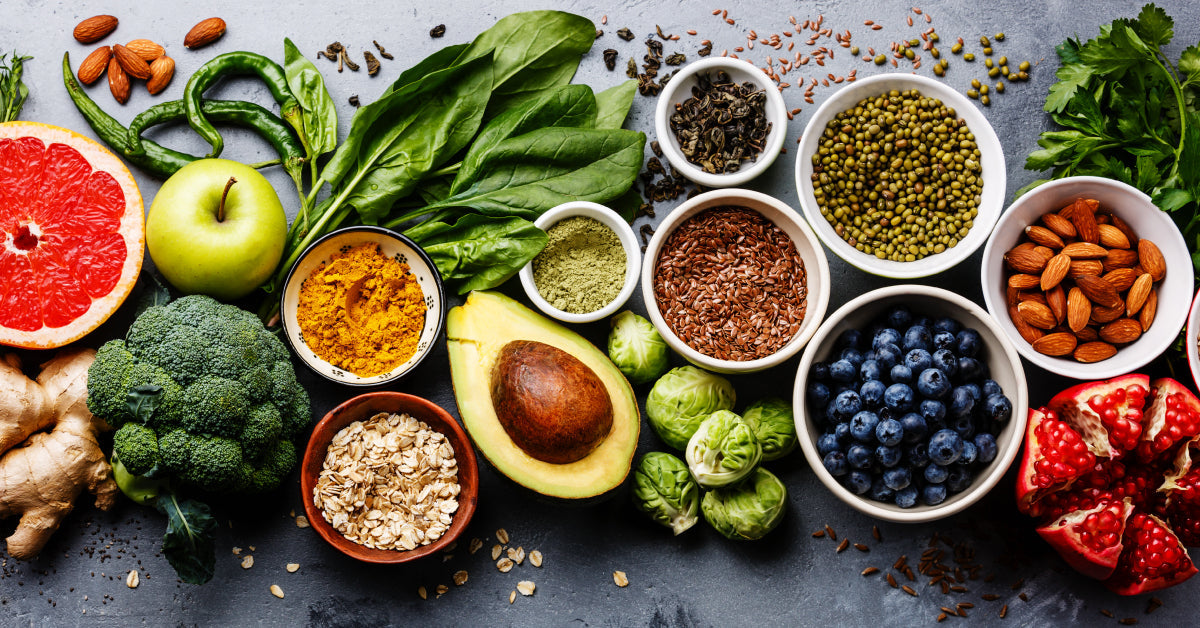
by Freda Coetzee
Foods that Contribute to Insulin Resistance
Combat insulin resistance by modifying your diet. Insulin resistance is the forerunner of diabetes. Living with diabetes is life-altering and the health complications are severe. Fortunately, there are lots of lifestyle changes you can make to avoid or reverse insulin resistance. One way is to alter your diet. There are certain foods that help cause insulin resistance, if you can limit these foods or cut them out of your diet, you might be able to side-step diabetes. Read on to find out more. What is insulin resistance? Your body gets energy from glucose when it breaks down carbohydrates. Glucose gets released into your bloodstream raising your blood glucose levels. When this happens, the pancreas will release the hormone, insulin. Insulin works like a delivery truck. It transports glucose out of your bloodstream and into your cells. When glucose gets delivered to the cells your blood glucose levels return to normal. You can become resistant to insulin, meaning your cells are not able to effectively utilize the hormone. If you are insulin resistant glucose will build up in your bloodstream. The pancreas reacts to this build-up by releasing even more insulin. It starts pumping out insulin in inordinate amounts and as long as the pancreas can keep this up, your blood sugar levels will be relatively stable. Eventually, the pancreas can’t keep up with the demand for insulin. When this happens your blood sugar levels will be chronically high, and this sets the stage for diabetes. Encouragingly, insulin resistance is reversible by making lifestyle changes. You can side-step the horrible health complications of diabetes! One of the best ways to combat insulin resistance is by limiting food that causes blood sugar spikes. What foods contribute to insulin resistance? Foods high on the GI-Index The GI-Index (also known as the glycemic index) is a measure of how quickly and how much a particular type of food will raise a person’s blood sugar levels. Foods with a high GI-index will cause a spike in blood sugar and those with a low GI-index will cause a slower, more gradual rise. A food’s GI-Index can be helpful for people with diabetes. Eating foods with a low GI-Index can help keep blood sugar levels more stable, while high GI-Index foods can cause rapid changes in blood sugar that can be difficult to manage. Some foods high on the GI-Index include: White Rice White Bread White Potatoes Corn Flakes Instant Oatmeal A smart way to find out whether a certain food is high on the glycemic index is to use an app like MySugr or Glycemic Index Tracker. Processed foods Processed foods can have a significant impact on insulin resistance and can make it much harder to manage blood sugar levels. Processed foods are usually high in calories, fat, and sugar, which can cause a spike in blood sugar levels. This spike can lead to an increase in insulin resistance. Processed foods usually come in a box or a bag and have lengthy lists of ingredients. If the ingredient list of a product is long, don’t buy it. You want to stay away from sodas, boxed foods, candies, ice creams, bread, pasta and anything else that is processed and rather buy fresh produce, meat, and seafood. Foods with saturated and trans fats Saturated fats are found in animal products such as red meat, chicken, and dairy, while trans fats are found in processed foods such as margarine, fast food, and fried foods. Eating these types of fats can lead to an increase in insulin resistance. Sweetened beverages Sweetened beverages, such as sodas, sports drinks, and sweetened tea and coffee, are loaded with sugar and calories, which can cause a rapid rise in blood sugar levels. Alcohol Most alcohol contains carbohydrates. Drinking alcoholic drinks whilst taking medication to lower your blood sugar can also lead to hypoglycemia (low blood sugar levels). What should I eat? Try to add more food to your diet that causes your blood sugar levels to rise slowly instead of spiking rapidly. Try adding the following to your diet: Whole Grains Grains are made up of three parts: bran, germ, and endosperm. The bran and germ have been removed from refined grains but whole grains contain all three parts. Eating whole grains such as oatmeal, quinoa, and whole wheat can help to reduce insulin resistance by providing the body with fibre to slow the digestion of carbohydrates. Fruits and Vegetables Eating fruits and vegetables can also help to reduce insulin resistance. Fruits and vegetables are high in fibre, which can help to slow the digestion of carbohydrates and keep blood sugar levels more stable. Vegetables also contain polyphenols, which are compounds that act like antioxidants. Oxidative stress can interfere with your body’s ability to absorb glucose effectively – eating polyphenols can combat oxidative stress, making it easier to absorb glucose. Lean Proteins Protein is necessary to build and maintain muscle and tissue. The amount of protein that your body needs will differ from others based on your age, size and activity level. Eating lean proteins such as beans, fish, tofu, and poultry can help to reduce insulin resistance. Healthy Fats Eating fats is essential as they provide energy, help us absorb vitamins, and are involved in hormone production. Eating healthy fats such as olive oil, nuts, and avocados can also help to reduce insulin resistance. Takeaway Insulin resistance is reversible. One way to combat your cells’ resistance is to limit or cut out foods that cause blood sugar spikes. Try to stay away from foods that are ranked high on the glycemic index, eat more fresh produce, and limit processed foods. Watch what fats you consume – limit saturated and trans fats. It is also important to watch what you drink as beverages can cause big blood sugar spikes. Try drinking less alcohol and sweetened beverages. Even though you have to cut things from your diet, you can still enjoy meals whilst avoiding diabetes. Stack your plate with healthy fats, fruit and veggies, whole grains, and lean proteins.
Read more
by Freda Coetzee
Unlock Better Health: Control Blood Sugar
If you want better health, pay attention to your blood sugar levels Swings in blood glucose (sugar) levels can affect you severely. Rapidly rising levels can cause nausea, vomiting, or shortness of breath. When they drastically drop, it may cause confusion, dizziness, blurred vision, seizures, unconsciousness, or even death. If people living with diabetes leave their blood glucose levels unchecked, life-threatening health complications can develop. Diabetes could lead to heart and blood vessel disease, the loss of limbs due to amputation, blindness, and chronic kidney disease (CKD) which can result in kidney failure. Your blood glucose levels play a critical role in your overall health. If you don’t have diabetes, it’s still vital to keep tabs on your blood glucose levels. There are many things you can do to keep your blood glucose levels more stable and your body will thank you if you are able to do so. The rise and fall of blood glucose levels Your body uses glucose (sugar) for fuel. When you eat carbohydrates, your body breaks them down into glucose and releases it into your bloodstream. This causes your blood glucose level to rise. Your high blood glucose level triggers your pancreas to release the hormone insulin. Insulin acts like a delivery truck, shuttling glucose out of your bloodstream and into your cells. Once delivered, your blood glucose levels return to normal. How do blood glucose fluctuations affect my health? Everyone experiences blood glucose fluctuations. Within 45 minutes of eating food with lots of sugar, your blood glucose levels will be at their highest and then slowly decrease, returning to normal within two hours. If you consume large amounts of carbohydrates and sugary foods too quickly, your blood glucose levels will spike, triggering the release of too much insulin. This can cause your blood glucose levels to plummet far below normal. These extreme fluctuations are unhealthy. Here are some of the most common symptoms of frequent blood glucose imbalances: 1. Anxiety and depression Depression, irritability, and anxiety are all symptoms related to how your body regulates your glucose levels. If you experience any of these symptoms, monitor your blood glucose levels and try to keep them stable. If you are struggling with your mental health, talk to your doctor or psychologist. 2. Weight loss struggles Low blood glucose can cause your body to crave carbohydrates and sugar, leading to weight gain. High blood glucose levels are associated with high insulin levels. Insulin can deliver more glucose than needed into cells, increasing your appetite and resulting in weight gain. 3. Sugar cravings If your blood sugar is low, your body lacks fuel, and your brain will signal a need for sugar, triggering cravings. 4. Fatigue Eating lots of carbohydrates can leave you feeling tired and sleepy after your meal. How do I monitor my blood glucose levels? In South Africa, blood glucose levels are measured in millimoles per litre (mmol/l). The normal range for non-diabetics is 4–6 mmol/l, though this can vary by individual. Ways to monitor your blood glucose levels: Blood glucose meters: Require a finger prick and a drop of blood on a test strip Continuous glucose monitors: Applied to the skin, they provide accurate, real-time readings. Some connect to smartphone apps for easy tracking A1C test: Performed by a healthcare provider to check your long-term blood glucose levels What can I do to keep my blood sugar levels more stable? If you are overweight, try to lose weight: Excess visceral fat can prevent insulin from working properly. Speak to your doctor for a suitable plan Do some exercise: Aerobic activities like walking, dancing, cycling, or running can significantly lower high blood glucose. Even a brisk 30-minute walk can help Eat a balanced diet: A diet too high or too low in carbs and sugars can cause imbalances. Use apps like Noom or FatSecret to track your intake of proteins, fats, and carbohydrates Manage stress: Chronic stress can raise blood glucose levels. Journaling, talk therapy, spending time with loved ones, meditation, and hobbies can help reduce anxiety If your blood glucose levels are consistently low, add more carbohydrates to your diet. To lower high blood glucose levels, eat more low-GI foods. Takeaway Stable blood glucose levels are essential for good health. Watch for symptoms like anxiety, fatigue, or sugar cravings, as they may indicate imbalances. Maintain stable levels by exercising, eating a balanced diet, managing stress, and, if necessary, losing weight.
Read more

by Marthinus Opperman
Stop Skyrocketing Blood Sugar Levels at Social Events
Enjoy your time with loved ones without blood sugar spikes You should be able to enjoy social events even if you have diabetes. Living with diabetes can inhibit celebrations but by implementing these healthful tips, you can still have fun with your family, friends, or colleagues. Celebrate smart Most birthdays, weddings, Christmas celebrations, or other festivities come with heaps of food, and it is easy to overeat and send your blood sugar levels through the roof. Here are some tips to handle big feasts: Eat normal-sized meals Only fill your plate once and try to stick to your normal portion sizes. Or, if you want to try lots of different dishes, eat smaller portions. Choose your dishes carefully Luckily, when it comes to feasts, there is an abundance of tasty dishes to choose from. Try to avoid dishes with lots of sugar, like sweet potatoes topped with marshmallows. Rather choose veggie dishes or salads. Snack before the feast During festivities, meals might happen late in the afternoon or late in the evening. While waiting for mealtime, nibble on some healthy snacks, like raw veggies with hummus. This will help keep your blood sugar levels stable and keep you from overeating during the meal. Eat healthful snacks Some healthful snacks include nut and seed trail mix, cheese sticks, or whole grain crackers. If there are no healthy snacks, and the snack table is crammed with sugary, high-GI foods, try to limit eating unhealthy snacks by socialising as far away from the snacks as possible. Host The best way to control what you eat at a get-together is to host the event. If you organise the event, you can serve scrumptious dishes that cause your guests to hold your cooking skills in high regard whilst simultaneously lowering your blood sugar levels. If you are not hosting, you can ask the host if you could bring a tasty, healthy dish and snacks along. This way you can add some dishes to the feast that will help keep your blood sugar levels stable. Plan ahead If you can create a plan on how to keep your blood sugar levels stable before a celebration, you will be able to enjoy the special time more. You don’t have to anxiously worry about what you eat; you can simply follow your plan. If you are going to a restaurant, look up the menu online ahead of time to scope out healthy, balanced choices. Know what healthy food you’d like to order beforehand and enjoy your time out. Watch your alcohol intake Often, alcoholic drinks are enjoyed at celebrations. When you have diabetes, drinking alcohol can worsen some diabetic health complications. Check with your healthcare provider about whether you should abstain from drinking alcoholic beverages. If you do decide to drink alcohol, opt for drinks with lower calories and less sugar. Good options are light beer or wine. Alternate between drinking alcohol and water. Drinking lots of water will keep you hydrated and help you quickly get rid of waste products in your body. Get active Physical activity can help lower high blood sugar levels. Why not incorporate some activities with friends and family whilst celebrating? You can, for example, get your heart pumping by dancing. If you are celebrating at home, take a leisurely stroll with your loved ones through the neighbourhood after your meal. If you have a swimming pool, lower your blood sugar levels simply by swimming a little. Check your blood sugar levels No matter where you are or what you are doing, it is important to keep tabs on your blood sugar levels. If you struggle to remember to check continuously, talk to your doctor about a continuous glucose monitor (CGM). These devices measure your blood sugar levels in real-time and can connect to a smartphone app for easy tracking. It is also important to ensure that someone knows about your condition and can help you when your blood sugar levels are too high or too low. Takeaway Living with diabetes can be life-limiting and you might especially feel its restricting effects when you are celebrating. Big events can still be fun – there are lots of things you can do to help keep your blood sugar levels from skyrocketing whilst enjoying time with loved ones.
Read more
by Freda Coetzee
How does the Glycaemic Index work?
Utilise the glycaemic index to lower your blood sugar levels People with diabetes are universally advised to eat foods low on the glycaemic index. The GI is specifically designed to avoid blood sugar spikes. Learn more about the glycaemic index (GI) and the benefits and limitations of following a low GI diet. What is the glycaemic index? Carbohydrates in various foods break down into glucose (sugar). Some foods digest lightning-fast, releasing glucose into your bloodstream quickly. These foods can cause a spike in your blood sugar levels. Other foods take longer to digest, releasing glucose gradually into your bloodstream. The GI is a rating system for carbohydrates, which ranks them according to how quickly they are digested, and how quickly glucose is absorbed into the bloodstream. The glycaemic index ranks food on a scale from 0 to 100. The GI organizes foods with carbs into three categories. Here are the three GI ratings: Low: 55 or less Medium: 56–69 High: 70 or above Foods that are rich in refined carbohydrates and sugar are digested more rapidly and often have a high GI value, while those that are high in protein, fat, or fibre generally have a low GI value. Foods that contain no carbohydrates are not given a GI value and include items such as meat, fish, poultry, nuts, seeds, herbs, spices, and oils. People with diabetes would ideally want to eat foods low on the GI scale to avoid blood sugar spikes. The benefits of a low-GI diet: The greatest benefit of following a low GI diet is more stable blood sugar levels. Here are some more benefits of eating foods low on the GI: Increased energy levels: Low GI foods are digested more slowly, meaning they provide a steady release of energy throughout the day, rather than resulting in a sugar rush followed by an energy crash. Improved digestion: Low GI foods are easier to digest, which can help to reduce symptoms of indigestion and other digestive problems. Improved satiety: Because low GI foods are digested more slowly, they help to keep you feeling fuller for longer and reduce cravings for unhealthy snacks. Feeling full for longer can help you lose weight. How do I know what the GI ranking of food is? It is not always that easy to know what foods cause blood sugar spikes. Surprisingly watermelon has a high GI ranking and boiled potatoes have a ranking of more than 90. To find out what the GI ranking of various food is, you can turn to websites or apps. Websites: The GI ranking of food can be found on various websites such as the glycemic index website, the American Diabetes Association, and the Harvard T.H. Chan School of Public Health. Apps: Glycemic Index Load Tracker Glycemic Index. Diabetes diary Glycemic Index What are the limitations of the GI? Like all grading systems, the GI has shortcomings. Here are the most common limitations of the GI: The GI only measures the glycaemic response to an individual food item and does not take into account the total effect of a meal. The GI does not take into account the variety of foods consumed as part of a meal or the different ways in which these foods are prepared. The GI can be impacted by other factors such as the ripeness of the food, the type of starch, the amount of fibre, and the amount of fat in the food. Pro Tip By taking Manna Blood Sugar Support with your meal, you can lower your blood sugar levels naturally. Here is why: Manna Blood Sugar Support helps to reduce the glycaemic index of the food you consume by up to 43%. When taken with your meal, the supplement will gel with the food in your stomach and reduce the rate at which glucose is released into your bloodstream. This organic supplement can also be taken with other medication, making it easier to control your blood sugar levels. Takeaway Knowing how the GI works can help you avoid food that will cause your blood sugar levels to spike. By eating low-GI foods you can keep your blood sugar levels more stable. Following a low GI diet will also increase your energy levels, improve your digestion and help with weight loss.
Read more

by Kobie Lombard
Tired, Moody, Craving Everything? Your Blood Sugar Might Be to Blame
Understanding Blood Sugar & Cravings – Your Most Common Questions Answered As we move into the colder winter months, cravings often become harder to resist. Shorter days, chilly weather, and comfort food season can all affect our blood sugar levels — and in turn, our energy, mood, and appetite. If you're finding it harder than usual to say no to sweet or carb-heavy snacks, you're not alone. Winter can disrupt your body’s natural rhythm, reduce physical activity, and even increase emotional eating due to lower sunlight exposure and increased stress. The good news? When you understand the connection between blood sugar and cravings, you can take back control — naturally.
Read more

by Pieter-Steyn Coetzee
Energy and Diabetes: How Diabetics Can Stay Energised All Day During the Festive Season
The festive season is a time of celebration, gatherings, and delicious food. But for those managing diabetes, it can also bring a unique set of challenges. Maintaining energy levels throughout the day while carefully managing blood sugar can feel like a juggling act. Luckily, with the right approach, you can enjoy the season while keeping your energy up and your blood sugar levels in check.
Read more

by Aam Coetzee
Always Tired? It Could Be Diabetes.
Diabetes can leave you feeling tired and drained. Even after a good nights sleep, you can still feel tired and drained when suffering from diabetes. Many diabetics accept this as part of their daily lives and learn to live with it but that doesn’t have to be the case! For diabetics who are still tired when waking up in the morning, never feel rested, and are always in the mood for a nap or a pick-me-up 8 Simple tips for dealing with diabetic fatigue. Exercise Move more, and you get more energy. People who take a brisk, daily 30-minute walk are less tired than idle people. Choose an activity you like, whether it’s Zumba, tennis, walking, gardening, or swimming. Do it for at least 30 to 60 minutes a day. If you can’t spare that much time at once, sneak in shorter (10-minute) periods of exercise whenever you can. As long as it adds up to 30-60 minutes per day, that’s what counts. Wear a pedometer so you know how many steps you’re taking each day. Try to add 500 steps a day until you reach at least 10,000 daily steps. Watch your diet. To keep your blood sugar level steady, eat three healthy meals and a snack during the day. Include healthy carbohydrates from fruits and vegetables and whole grains, as well as lean protein from sources such as beans, tofu, fish, or skinless chicken breasts. Avoid caffeine. Caffeine can keep you awake and disrupt sleep, especially when you drink it late in the day. It can also make it harder to control your blood sugar if you overdo it. Get enough B vitamins. B vitamins help nerve health. If you have nerve problems from diabetes, make sure you’re getting these nutrients from your diet (good sources are foods such as fish, poultry, fortified cereals, and eggs) or a supplement. It’s a good idea to tell your doctor about any supplements you take, including vitamins, so they can check that you’re getting the right amount. Check on your snoring. Many people with diabetes briefly stop breathing several times at night. That’s called sleep apnea. Symptoms include snoring, feeling sleepy during the day, having trouble concentrating, and often waking up with a headache or a sore throat. Tell your doctor if you, or your bed partner, notice those things. Sleep apnea can be treated, and that could help you get better at night, which gives you more daytime energy. Reduce your stress This is easier said than done but it is doable. Stress can usually not be avoided, otherwise, it wouldn’t be a problem in the first place. But what you can do is learn to manage your stress. Plan your daily and weekly routine to make sure you get enough time to do everything you need to do. But everything doesn’t always go as planned, and this is why it is important to find something that helps you deal with stress. This will be different for each person, but some good examples are: Spending time with family or friends, taking up a relaxing hobby, exercising to clear your head, meditating, or simply taking some me-time away from everybody and everything. Stay hydrated. You can become fatigued if you’re dehydrated. Drink at least 8-9 glasses of fluids a day. Take the Manna Blood Sugar Support Manna Blood Sugar Support is 100% organic & natural and works in a unique way by slowing down the absorption of glucose from the food you eat by up to 43%. In other words, Manna Blood Sugar Support reduces the GI of the food you eat by up to 43%. How does Manna Blood Sugar Support work? The Manna Blood Sugar Support supplement can help to control your sugar levels and also help to increase energy. It does this by slow-releasing the sugar from the food we eat into our bloodstream, ensuring stable blood sugar levels which also means longer lasting high energy levels. It also means that you don’t get blood sugar spikes and crashes, which means it takes away fatigue as well as sugar cravings. What are the benefits of Manna Blood Sugar Support? Helps to maintain even blood sugar levels. Keep you more satisfied after a meal, which means that the same meal can take you much further and cause you to eat less, which can help with natural weight loss. Helps to control cravings. Helping to keep energy levels constant. Even blood sugar levels can help to prevent diabetic health complications.
Read more

by Pieter-Steyn Coetzee
How to Take Care of Your Eyes as a Diabetic
Living with diabetes means that every part of your body, including your eyes, needs extra care. High blood sugar affects the small blood vessels in the eyes, making diabetics more prone to serious eye conditions such as diabetic retinopathy, glaucoma, and cataracts.
Read more

by Pieter-Steyn Coetzee
7 Delicious and Diabetes-Friendly Recipes for a Healthy Lifestyle
Managing diabetes doesn’t mean giving up flavourful, satisfying meals. With the right ingredients and nutritional balance, you can still enjoy a variety of delicious dishes that help maintain stable blood sugar levels.
Read more

by Freda Coetzee
Eating Out and Diabetes
Keep your blood sugar levels stable during social events You might dislike the idea of eating out if you’re living with diabetes and trying to stick to a low-carb diet. You don’t want your blood sugar levels to skyrocket at social events. When you eat out you may encounter lasagne, double thick ice cream, roasted potatoes, and a myriad of other blood sugar nemeses that can be so appetising. You might also succumb to social pressure and eat foods you normally would pass along. How do you enjoy your time out whilst keeping your blood sugar stable? In this article we’ll look at: Eating at other people’s houses Tips for a bring and braai Eating at restaurants Monitor your blood sugar levels Eating at other people’s houses You might feel rude when you eat a meal at someone’s house only to decline lots of dishes. When you’re invited to someone’s house for a meal, you have two options. You can let the host know about your condition beforehand or you can make the best of the food available. Your host knows you have diabetes It is probably best to tell family and close friends about your condition. Your loved ones would probably commend you for sticking to healthy habits and bettering your health. They can support you by adding low-carb dishes to meals or perhaps they will be fine if you bring some healthy dishes to get-togethers. Eating diabetes-friendly foods is crucial for your health but these dishes are also great for those not struggling with diabetes. Eating healthy is good for all of us! Your host doesn’t know you have diabetes If your host is not aware that you have diabetes, you can handle the situation by practicing good portion control. If you are, for example, served spaghetti and salad, go easy on the spaghetti and big on the salad. If you are served steak and baked potatoes, help yourself to a big steak and only half a potato. Follow the plate method when you dish. The method suggests that you: Fill half your plate with fruit and vegetables Fill one-quarter with protein Fill one-quarter with carbohydrates When if comes to dessert, you might need to decline or just enjoy a small portion. Tips for a bring and braai The lekker thing about a South African bring and braai is that it is usually pretty informal. You can take your meat, possibly a side dish and snacks to the get-together. You’d want to: Opt to braai chicken or beef rather than fatty boerewors or chops. Take along diabetic-friendly snacks like biltong, popcorn or low-GI cookies. Enjoy some healthy side dishes like corn on the cob, baby spinach and chickpea salad, baked portobello mushrooms or low-GI braaibroodjies. Eating at a restaurant Here are some tips for when you’re frequenting a restaurant: When looking at the menu, be sure to look for steamed or boiled options such as steamed rice, vegetable noodles, and grilled meat or fish dishes. Ask the server for recommendations on nutritious, low-fat options. Many restaurants are experienced with accommodating dietary restrictions. Make a point to order additional side dishes of salad and vegetables, with dressing served on the side, to add more nutrients to your meal. If you decide to have dessert, monitor your portion size. Opt for options like a scoop of ice cream, fresh fruit salad, or sorbet. If you choose a richer dessert, consider sharing with someone and ask for two bowls and spoons from your server. If possible, plan for a walk before or after your meal to help maintain stable blood glucose levels and manage your weight. Don’t feel pressure to finish your entire meal. Instead, opt for a moderate portion and bring the leftovers home. If you are on insulin and you anticipate a delayed meal, make sure to time your injection accordingly. You may also need to eat something before the meal arrives. Monitor your blood sugar levels When eating out, it is important to monitor your blood sugar levels. Take your glucose monitor with you. You can excuse yourself about an hour after the meal to check your blood sugar levels. It might also be wise to invest in a continuous glucose monitor. These devices measure your blood sugar levels in real time. Some of these devices can connect to a smartphone app – meaning you can check your glucose levels easily. Takeaway Eating out with friends, family or acquaintances should be fun. You can still enjoy it even if you suffer from diabetes. You just need to be smart about what you eat. Follow these tips and enjoy your time socialising.
Read more
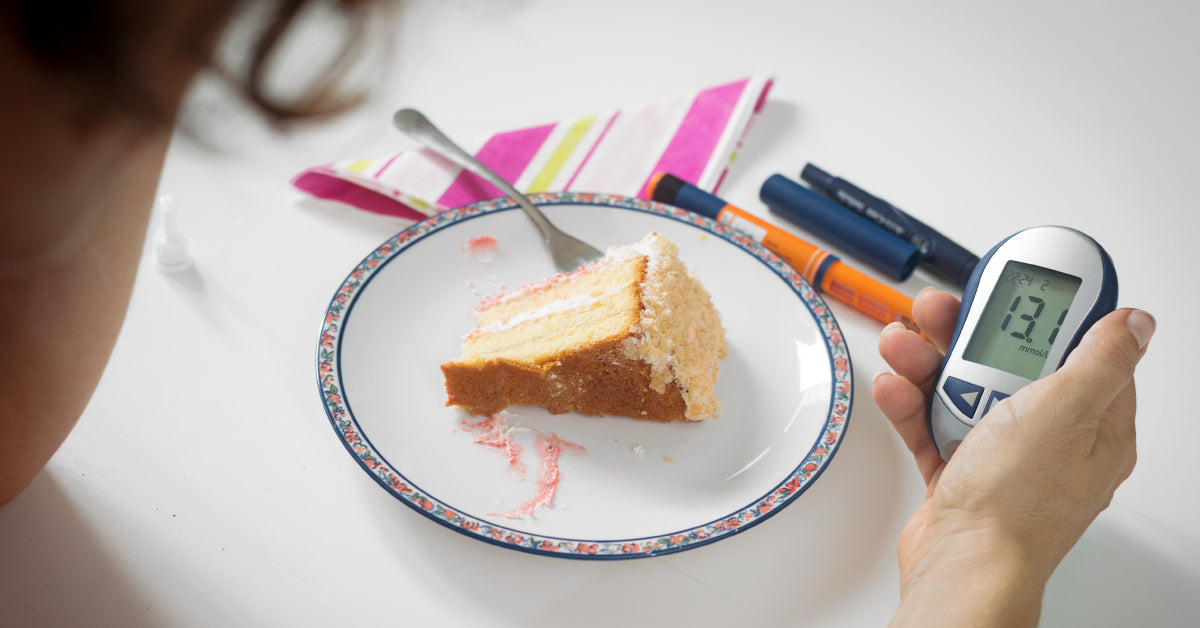
by Freda Coetzee
How to Control Hunger if You Have Diabetes
With the right help, you can curb your cravings! When you’re living with diabetes, you must try your utmost to keep your blood sugar levels stable, but it’s defeating when your body cannot stop craving food, especially sugary things. Excessive hunger is a common symptom of high blood sugar levels. It’s a vicious cycle. Your blood sugar levels are high, so you eat lots of carbs and sugary snacks, resulting in soaring blood sugar levels, which can lead to you feeling hungry all over again. Learn more about how to control your hunger and how Manna Blood Sugar Support can help. The link between high blood sugar levels and hunger You might think it strange that you crave carbs when you have high blood sugar (glucose) levels. You already have excessive amounts of sugar in your blood; why does your body want more? The reason for this excessive hunger is because of problems with the hormone insulin. People with diabetes cannot produce enough insulin, or their bodies can’t use insulin well (known as insulin resistance). Insulin’s job is to shuttle glucose from your bloodstream and into your cells. If you don’t have enough insulin or your cells are not welcoming to the hormone, glucose will start to heap up in your bloodstream. Your blood sugar levels will rise, and your cells will be in desperate need of energy. Your starving cells will signal for help, and your brain will send out a message: “Please feed me. I need food that’ll release energy quickly”. Sugar-filled, carb-rich foods will do the trick. There is no reason to feel guilty when you’re ransacking the pantry and devouring doughnuts, packets of chips, and bars of chocolate. Your body is simply trying to meet a need. It’s hard not to feel bad, especially when you are acutely aware of the dire consequences of high blood sugar levels. You already know that extreme levels can cause serious damage to your eyes, kidneys, fingers, toes, and so on. But you are not a reckless eater; you just need energy. Luckily, there are ways to control excessive hunger. How to curb cravings Using sheer willpower to power through intense hunger pains will not give you the lasting results you want. Neither will trying another fad diet. Truly, the best way to beat your cravings is to stabilize your blood sugar levels. A natural way to do so is to take Manna Blood Sugar Support. This unique product has helped thousands of people even out their blood sugar levels and control cravings. You don’t have to mindlessly shovel down tons of carbs or try to muster up enough self-discipline to resist your cravings. With Manna’s help, you can make healthier food choices. Manna Blood Sugar Support is 100% organic and can be used in conjunction with other medications. It is difficult to resist the urge to eat when your body begs you for food. That is why it is also important to talk to your doctor about adjusting your prescription medication if need be. For many, the combination of insulin and other non-insulin medications works best. Apart from taking medications, you’d want to ensure your diabetes-friendly habits are in place. How are you faring on these fronts? Are you monitoring your blood sugar levels regularly? Are you exercising daily? Are you getting a good night’s sleep? Are you in touch with your inner world? Are you actively managing your stress levels? Are you avoiding the use of alcohol and tobacco? How to control hunger It is of utmost importance to stabilise your blood sugar levels, but there are also things you can do to manage your cravings. Here are some tips: Eat a protein-packed breakfast. Eat in a designated space. Don’t eat in front of your computer or the TV. Eat slowly. Cherish every bite. Fill your cupboards with healthy snacks. Drink lots of water. Use smaller plates. People generally eat everything they dish up for themselves. If you use smaller plates, you will eat less. Distract yourself. Instead of heading to the kitchen or fast-food restaurant, do something fun. Work in the garden, go for a walk or work on your scrapbook. Try out new, healthy recipes. Keep your food interesting with a variety of herbs, tastes, and spices. Conclusion Curbing excessive cravings is tough. But you can control your hunger! Be kind to yourself – don’t beat yourself up when you are eating foods that cause blood sugar spikes. Rather than being hard on yourself, get the help you need. Talk to your doctor about adjusting your medication and try Manna Blood Sugar Support.
Read more
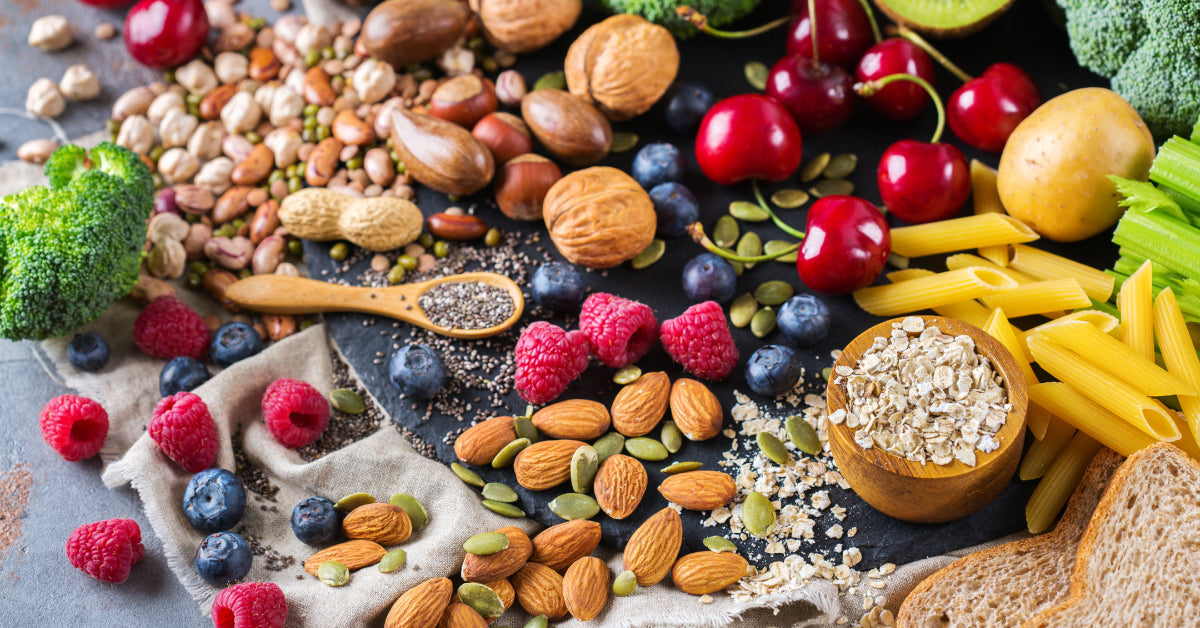
by Freda Coetzee
Fight off Diabetes with Fantastic Fibre
5 tips to get the most benefits from fibre. Nearly all health experts agree that fibre is fantastic for your health. Eating fibre-rich foods can improve your digestion, lower your cholesterol levels, help with weight loss, and keep your blood sugar levels more stable. If you struggle with diabetes you’d want to eat lots of fibre. Although fibre is classified as a carbohydrate, it will pass through your digestive system without raising your blood sugar levels. In fact, fibre can help lower your levels. Did you know? According to research published in PubMed Central, increasing your intake of dietary fibre by two servings of whole-grain products each day might lower your risk for type 2 diabetes by as much as 21%. Fibre theory Dietary fibre is a type of carbohydrate found in plant-based foods. There are two kinds of fibre: Insoluble fibre which cannot dissolve in water and soluble fibre which dissolves in water. Insoluble fibre cannot be digested at all. It passes through your digestive system pretty much “as is”. So how can insoluble fibre be beneficial? The consumption of insoluble fibre increases the water content within your stool. This leads to a softer consistency and helps your food not get clogged up in your intestines. This type of fibre can boost overall intestinal health and regularity. In addition, it can improve one’s sensitivity to insulin, which could potentially lower the risk of diabetes. Soluble fibre has the ability to dissolve and create a gel that can potentially aid in digestion. Such fibre can also bring down cholesterol and sugar levels in the blood, as well as promote glucose control – making it great fibre for diabetes. Soluble fibre keeps other carbs from being absorbed too quickly and turning into glucose. All of this together can help reduce your risk of developing diabetes. Fibre is classified as a carbohydrate, but you don’t have to be wary of eating lots of it. You can deduct the fibre amount from the total carbohydrate count of a product to see how many sugar-producing carbs you are actually dealing with. This is called net carbs. Practical Tips Follow these five tips to get the most benefits from fibre. Eat foods highest in the ratio of fibre carbs and regular carbs. The following foods are fibre superfoods: Flaxseed: The amount of total carbs and fibre carbs in flaxseed are exactly the same. It is rich in both soluble and insoluble fibre. Flaxseed is used in a lot of low-carb recipes. You can make your own low-carb bagels or muffins with flaxseed. You can also add flaxseed to a smoothie or soup. Spinach: A highly beneficial source of dietary fibre and an excellent source of both soluble and insoluble fibre. Avocados: On average, one raw avocado contains about 9.6g of fibre. They are also incredibly versatile – try them in sandwiches, salads, or as guacamole. Blackberries: A great source of dietary fibre and vitamins like C, K, and A. Bran: Popular for being low in calories and high in fibre. It helps regulate digestion and can lower LDL cholesterol. Be wary of high-fibre food labels. Just because a food is marketed as high-fibre doesn’t mean it’s low in net carbs. Always read the nutritional info, especially with cereals that might be high in sugar. Drink lots of fluids with fibre-rich foods. Drinking plenty of water will help you get the full benefits of eating fibre. Watch out for side-effects. Most people don’t eat too much fibre, but aim for: Men (50 and under): 38g/day Women (50 and under): 25g/day Men (over 50): 30g/day Women (over 50): 21g/day Too much fibre can cause gas, pain, and bloating – see your doctor if symptoms persist. Be cautious with fibre supplements for kids. Children can become dependent on fibre supplements. Always consult a paediatrician first. Takeaway Eating fibre-rich foods can do wonders for your blood sugar levels. Even though fibre is a carbohydrate, it won’t raise your blood sugar. Subtract fibre from total carbs to find your net carbs. Add more flaxseed, avocados, and bran to your meals for better health and blood sugar control.
Read more

by Freda Coetzee
Should Diabetics Eat Fruit?
Keep your blood sugar level under control and get all your needed nutrients from fruit. Fruits are fabulous food choices. They are bursting with vitamins, antioxidants, minerals, and fibre. But should you eat fruits if you have diabetes? Fruits, despite their benefits, tend to be rich in carbohydrates, primarily the simple sugars, glucose and fructose. Yet, it is certainly not necessary to eliminate fruit from your diet. In fact, you should be eating fruit. The American Diabetes Association reports that any fruit is fine to eat for a person with diabetes. So, how do you keep your blood sugar levels from rising whilst enjoying fruit? Read on to find out. Eating fruit and keeping your blood sugar levels under control Here are three strategies for eating fruit and keeping your blood sugar levels stable: Choose fruits with a lower carbohydrate value Your body, whether you have diabetes or not, needs carbohydrates. The problem is that most of us consume way more carbs than we actually need. People with diabetes are advised to closely monitor the amount of carbs they eat because if you have too much glucose in your bloodstream your blood sugar levels will soar. Your dietician would be able to help you determine how much carbs you can eat each day. After you know what your daily carbohydrate budget is, you can start choosing which food items you’d like to spend your budget on. Foods like bread and potatoes are loaded with carbs. Rather than squandering a large portion of your budget on three potatoes, you can opt for foods with fewer carbs. Fruits can be high in carbs too and some fruits have significantly more carbs than others. A cup of mango pieces, for example, has more than twice the carbs of a cup of papaya pieces. One strategy, to keep your blood sugar levels in check, is to eat more fruit with a lower carb count. Some of these include berries (strawberries, cranberries, blueberries), oranges, grapefruit, cantaloupe, and kiwi. Watch out for fruits with lots of carbohydrates: A medium banana has 27 grams of carbs. One cup of cut mango yields 28 grams of carbs. A cup of cut pineapple yields 22 grams of carbs. You don’t necessarily have to stop eating fruit that has lots of carbs. You can just eat a little less. Control your portions When selecting fruit to eat, you should try not to exceed 15 grams of carbohydrates per serving. The size of the serving will depend upon the carbohydrate content of the fruit. A benefit of choosing a low-carbohydrate fruit is that you can have a larger portion. It is important to note, however, that even if you opt for a higher carbohydrate fruit, it won’t have an effect on your blood sugar as long as the serving size does not exceed 15 grams of carbohydrates. The following fruit servings contain about 15 grams of carbohydrates: 1/2 medium apple 1/2 medium banana 1 cup blackberries 3/4 cup blueberries 1 cup cubed cantaloupe or honeydew melon 1 medium orange or nectarine 1 cup raspberries 1 1/4 cup whole strawberries Eat fruit with other low-carb foods Since fruit mainly falls into the category of high-carb foods, you’d want to eat them with meals where there are no other major sources of carbs. You can, for example, add fruit to low-carb breakfasts. Try eggs, sausages, and low-carb muffins with some melon. You might also like raspberries and low-carb pancakes. Combining fruit with other low-carb food choices will keep your blood sugar more stable. More tips: Watch out for dried fruit. When eating dried fruit, like raisins and prunes, you need to keep your portions small as they contain lots of carbs. Take Manna Blood Sugar Support. An excellent way to stabilise your blood sugar is to take Manna Blood Sugar Support with your meals. When taken with food, the supplement gels with the food in the stomach to reduce the slow-down rate at which glucose from the food is released into the bloodstream. Drink less fruit juice. Eating an orange is better than drinking orange juice. Juice does not contain fibre and, although natural, contains lots of sugar. Takeaway Fruit is delicious and healthy, and you should enjoy them, whether you have diabetes or not. You can avoid soaring blood sugar levels by eating more fruit that are lower in carbohydrates. You can also control your portions and enjoy fruit with other low-carb foods.
Read more

by Freda Coetzee
Can Diabetes be Cured?
Is your diabetes diagnosis reversible? Read on to find out more. Living with diabetes can be life-limiting. You have to skip the big bowl of ice cream at a party, monitor your blood sugar levels, and be alert for potential health complications. Everyone wants to avoid complications like heart disease and kidney problems. Managing your blood sugar levels within a healthy range is key. But can you get there without relying on diabetes medication? If you have type 1 diabetes, your pancreas doesn't produce enough insulin. You'll need to take insulin daily—there's no cure. Still, lifestyle changes can help reduce how much insulin you need and improve your overall health. For people with type 2 diabetes, lifestyle changes have helped many achieve remission. This means their blood sugar levels return to a healthy range without needing medication. Even without full remission, healthy habits can make a big difference. How to modify your lifestyle Healthy habits are essential—but sticking to them can be challenging. Here are some tips from James Clear’s book, Atomic Habits, to help you stay on track: Make it obvious: Keep reminders visible. For example, place your running shoes where you'll see them. Make it attractive: Create enjoyable incentives for healthy habits. Make it easy: Break habits into small, manageable steps. Make it part of your identity: Tie your habits to your core values. Focus on progress, not perfection: Don’t give up if you slip up. What lifestyle changes should I make? New habit 1: Replace processed foods with fresh fruits, vegetables, and whole grains. Highly processed foods—like frozen dinners, cereals, canned soups, and many snacks—are often loaded with sugar and can spike your blood sugar. Fibre-rich foods help keep your levels stable. New habit 2: Do 30 minutes of aerobic exercise daily—like walking, running, or dancing. Just a brisk walk each day can cut your diabetes risk by 30%. New habit 3: Reduce stress. High stress can raise cortisol, which affects insulin levels. Try: Meditation Taking breaks during the day Getting enough sleep Talk therapy New habit 4: Support your gut health. Studies show a strong link between gut health and type 2 diabetes. Fibre helps feed gut bacteria that produce butyrate—a compound that supports better insulin sensitivity. New habit 5: Take supplements. Some, like berberine and cinnamon, can help lower insulin levels. Always consult your doctor first. You can also try Manna Blood Sugar Support with meals. This organic supplement is safe to use with medication and helps stabilise blood sugar levels. Takeaway A diabetes diagnosis doesn’t mean you’re stuck. With healthy habits—like staying active, eating well, and caring for your mental health—you may reach remission in type 2 diabetes or at least lower your blood sugar. Make your new habits rewarding and track your progress. Small changes can lead to big results.
Read more

by Freda Coetzee
Debunking the 10 Biggest Myths About Diabetes
Living with diabetes comes with its own set of challenges Unfortunately, there are numerous myths and misconceptions surrounding this chronic condition. It is crucial to separate fact from fiction in order to understand diabetes better and promote accurate information. In this article, we will debunk the 10 biggest myths about diabetes, shedding light on the truth behind this prevalent disease. Myth 1: Eating too much sugar causes diabetes.Fact: While excessive sugar consumption is linked to obesity, a risk factor for type 2 diabetes, it does not directly cause diabetes. Diabetes is a complex condition influenced by genetics, lifestyle, and other factors. Myth 2: Diabetes is only a problem for overweight individuals.Fact: While weight is a risk factor, people of all body types can develop diabetes. Genetic predisposition, family history, and age are among the factors that contribute to its development. Myth 3: People with diabetes can’t eat carbohydrates.Fact: Carbohydrates are an essential part of a balanced diet, even for individuals with diabetes. The key is to choose healthy, fiber-rich complex carbohydrates and practice portion control. Myth 4: Insulin is only needed by people with type 1 diabetes.Fact: Both type 1 and type 2 diabetes may require insulin therapy. In type 2 diabetes, insulin may be prescribed when lifestyle changes and oral medications are not sufficient to manage blood sugar levels. Myth 5: People with diabetes can’t enjoy sweets or desserts.Fact: Sweets and desserts can be consumed in moderation as part of a well-balanced meal plan for individuals with diabetes. The key is to monitor portion sizes and incorporate them into an overall healthy diet. Myth 6: Diabetes is a mild form of diabetes.Fact: Diabetes, whether type 1 or type 2, is a serious condition that requires ongoing management. Improperly managed diabetes can lead to various complications, affecting multiple organs and systems in the body. Myth 7: People with diabetes can’t engage in physical activity.Fact: Regular exercise is highly encouraged for individuals with diabetes. Physical activity helps improve insulin sensitivity, manage weight, and control blood sugar levels. It is essential to consult healthcare professionals for personalized guidance. Myth 8: People with diabetes are more prone to catching a cold or getting sick.Fact: While people with poorly controlled diabetes may be more susceptible to infections, diabetes itself does not make one more prone to common illnesses. Properly managing blood sugar levels helps maintain a healthy immune system. Myth 9: Diabetes is caused by consuming too much artificial sweetener.Fact: Artificial sweeteners, when consumed in moderation, can be part of a diabetes-friendly diet. Research has not proven a direct link between moderate consumption of artificial sweeteners and diabetes development. Myth 10: Diabetes is solely caused by personal behaviour or character traits.Fact: Diabetes is a multifactorial condition influenced by a combination of genetic, lifestyle, and environmental factors. Blaming individuals for having diabetes based on character or personal behaviour is unfair and misinformed. Conclusion Debunking myths surrounding diabetes is crucial for creating awareness and providing accurate information to individuals living with this chronic condition. Understanding the realities of diabetes empowers individuals to make informed decisions, manage their health effectively, and combat the stigma associated with diabetes. By dispelling these myths, we can foster a more supportive and knowledgeable community around diabetes care and prevention.
Read more
Effective Solutions for Common Health Issues
Discover the Power of All Natural Health Supplements for low energy levels.
by Pieter-Steyn Coetzee
Health Risks Of Insulin Resistance
Insulin resistance affects many people without them even knowing. It is becoming a bigger problem by the day, and it is affecting more and more people. But what are the risks of insulin resistance and can something be done. What Is Insulin Resistance? Normally, food is absorbed into the bloodstream in the form of sugars and other basic substances. The increase in sugar in the bloodstream signals the pancreas to secrete more of a hormone called insulin. This hormone attaches to cells, removing sugar from the bloodstream so that it can be used for energy. In insulin resistance, the body’s cells don’t have the ability to respond to the action of the insulin as they should. To compensate for insulin resistance, the pancreas secretes even more insulin and therefore people with insulin resistance have high levels of insulin in the bloodstream. Over time people with insulin resistance can develop high blood sugar levels or diabetes as the high insulin levels can no longer compensate for the high sugar levels. What Are The Risks of Insulin Resistance? High Blood Sugar Levels Due to the fact that insulin doesn’t keep blood sugar levels under control as it should, high blood sugar levels are often one of the first signs of insulin resistance. Type-2 Diabetes When the blood sugar levels are constantly high, it eventually leads to the development of type-2 diabetes. This happens so often that you can just as well say that type-2 diabetes and insulin resistance go hand-in-hand. High blood pressure This is another serious symptom that comes along with insulin resistance. As insulin resistance gets worse, so do the blood pressure levels. Abnormal cholesterol levels The typical cholesterol levels of a person with insulin resistance are low HDL (good cholesterol) and high levels of another blood fat called “triglycerides”. Heart disease The insulin resistance syndrome can result in atherosclerosis (hardening of the arteries) and an increased risk of blood clots. Obesity A major factor in the development of insulin resistance syndrome is obesity — especially abdominal obesity or belly fat. Obesity promotes insulin resistance and negatively impacts insulin responsiveness in a person. Weight loss can improve the body’s ability to recognize and use insulin appropriately. Kidney damage This can be a very dangerous symptom of insulin resistance and can be picked up when there is a protein in the urine. How Is Insulin Resistance Diagnosed? There is no simple test to diagnose insulin resistance, but if you have 3 of the following, chances are that you already have insulin resistance: A waist size of 100cm or more in men and 88cm or more in women Increased levels of triglycerides (a type of fat in the blood)- higher than 2.2mmol/L. Low HDL, or “good,” cholesterol level (Less than 1.3mmol/L for men and 1.5mmol/L for women) High blood pressure of 130/85 or higher, or being treated for high blood pressure Fasting blood glucose levels of 5.5mmol/L or above, or being treated for diabetes The current epidemic of obesity in children also puts them at risk for the development of insulin resistance. How can I treat insulin resistance? The most effective way to treat insulin resistance is by making healthy lifestyle changes. These changes include: Eating Healthy This does not mean you have to eat salad 3 times a day. It is all about following a balanced, healthy eating plan that is sustainable in the long run. A great example of such an eating plan is the Manna Diet which is available as a FREE downloadable eBook. Exercising There are countless different exercise routines. And everybody prefers a different one. The main thing is to find an exercise that you enjoy so that you don’t quit after the first week. So whether you like to go to the gym, cycle, swim, or hike – make sure to get active for at least 30 minutes, 4 times a week. Manna Blood Sugar Support This amazing product helps you to keep your blood sugar levels under control. But because you have your blood sugar levels under control, it also means that you are controlling your insulin levels. Manna Blood Sugar Support can help the body to respond better to insulin and use it much more effectively. What is Manna Blood Sugar Support? The Manna Blood Sugar Support is an all-natural health supplement made from the pods of the Prosopis (Mesquite) tree, and it does not have any negative side effects like many chemical alternatives have. How does the Manna Blood Sugar Support work? Manna Blood Sugar Support gels with the food we eat and then slow-releases the sugar from this food into the bloodstream. What this means is that the blood sugar levels in the body do not get a sudden spike, and there is no need for the pancreas to release a bunch of insulin. Another thing to do when trying to get your blood sugar levels stable is to stop fighting the incredible effects of the Manna Blood Sugar Support by eating things that are constantly trying to shoot up your blood sugar levels. It works best with a healthy diet. But if you do decide to be a bit naughty and have an unhealthy takeaway or a chocolate every once in a while, take a Manna Blood Sugar Support tablet or two with it, and it will help keep the blood sugar spike under a bit more control. It is the perfect thing to help you keep your insulin levels balanced and lose weight!
Read more
by Aam Coetzee
What to Do When Blood Sugar Goes Too Low
How to Manage High Blood Pressure Naturally So how do we know when we have low blood sugar levels? What is low blood sugar? Low blood sugar, or hypoglycemia, is the condition in which the sugar levels in the blood become too low which is usually about 2.5mmol/l or less. This condition can normally be spotted by certain symptoms that go away after one has eaten. The blood sugar level at which these symptoms are experienced differently from person to person What causes low blood sugar levels? When functioning normally, the pancreas excretes the correct amount of insulin needed to keep the blood sugar levels balanced. However, when a person suffers from low blood sugar, the pancreas releases too much insulin which causes the blood sugar levels to become too low. This, along with other diseases, can cause hypoglycemic episodes. What causes hypoglycemia? Reactive hypoglycemia: This is the most common reason for low blood sugar levels in people who do not suffer from diabetes. This is when the pancreas releases too much insulin due to a sudden increase in glucose in the bloodstream, such as after a big meal containing lots of carbohydrates. The insulin is still present in the blood after several hours of the meal, which is not as it should normally be. Reactive hypoglycemia often affects people who are overweight and people with type-2 diabetes. This is due to the fact that they have a need for more insulin, thus the chance of an over-production of insulin is greater. There is evidence to propose that reactive hypoglycemia can lead to Type-2 diabetes. Other, less common, causes of Low Blood Sugar: a tumour in the pancreas an overdose of diabetic medication such as an insulin injection or diabetic tablets. Addison’s disease ( a disease in the adrenal glands) a weakened pituitary gland damage to the liver which causes it to work ineffectively people who have had their stomachs removed. cancer malnutrition and even fasting too much alcohol consumed What are the symptoms of Low Blood Sugar? The following can be symptoms caused by hypoglycemia: paleness in the face similar to when one is feeling nauseous shaking as can be clearly seen in the hands perspiration without much physical effort feeling weak and deprived of energy increased heartbeat constant hunger being agitated for no apparent reason having trouble concentrating becoming easily irritated feeling fatigued blurred vision momentary loss of consciousness convulsions one can even end up in a coma during extreme circumstances These symptoms are usually experienced about 3 or 4 hours after eating a meal. When should I be seriously worried about low blood sugar levels? Blood glucose level lower than 2.5mmol/l (or sometimes slightly higher.) A few or all of the symptoms are listed above. The symptoms disappear within 10 minutes of consuming sugar. How can low blood sugar levels be treated? Exercise: Exercise lowers the blood sugar levels, but will not normally cause hypoglycemia in individuals who are overall healthy. If you begin to experience symptoms of hypoglycemia while doing physical exercise, you should eat some complex carbohydrates such as starch or pasta before beginning. Blood sugar levels can be kept up by consuming small, steady amounts of simple carbohydrates such as energy drinks or energy bars during exercise. Diet: If you have been diagnosed with reactive hypoglycemia, the first thing to do is change or adapt your diet to help manage the hypoglycemia. It should include a lot of complex and unrefined carbohydrates such as potatoes, brown rice, whole-wheat pasta, whole-wheat bread etc. But stay away from refined or simple carbs, as they will just make the problem worse in the long run. The dietary routine should also be changed. It should consist of more, but smaller meals: breakfast, lunch, dinner and three in-between meals. This helps avoid big fluctuations in insulin secretion from the pancreas. You can follow the Manna Diet in the FREE e-book for a healthy diet, menu plan, and recipes. Recommendation We recommend diet, exercise, enough sleep and the Manna Blood Sugar Support Supplement 3 times per day with your normal meals. This supplement can help to control blood sugar levels and to reduce insulin levels.
Read more
by Freda Coetzee
Causes of Fatigue and Sleepiness – How to Fight it
How to fight fatigue and sleepiness We will be looking at the causes of fatigue and sleepiness and how to fight it, to get back to being healthier and more energetic. Here are 12 causes of fatigue and sleepiness: Fatigue Cause No. 1: Not Enough Sleep It may seem obvious but you could be getting too little sleep. That can negatively affect your concentration and health. Adults should get seven to eight hours of sleep every night. Fix: Make sleep a priority and keep a regular schedule. Ban laptops, cell phones, and televisions from your bedroom. Still having trouble? Seek help from a doctor. You may have a sleep disorder. Fatigue Cause No. 2: Sleep Apnea Some people think they’re sleeping enough, but sleep apnea gets in the way. It briefly stops your breathing throughout the night. Each interruption wakes you for a moment, but you may not be aware of it. The result: you’re sleep-deprived despite spending eight hours in bed. Fix: Lose weight if you’re overweight, quit smoking, and sleep with a CPAP device to help keep airway passages open at night. Fatigue Cause No. 3: Not Enough Fuel Eating too little causes fatigue, but eating the wrong foods can also be a problem. Eating a balanced diet helps keep your blood sugar in a normal range and prevents that sluggish feeling when your blood sugar drops. Fix: Always eat breakfast and try to include protein and complex carbs in every meal. For example, eat eggs with whole-grain toast. Also eat meals and snacks throughout the day for sustained energy. Follow the Manna Diet for an easy and healthy diet. Control your blood sugar levels by taking the Manna Blood Sugar Support supplement with each meal. Fatigue Cause No. 4: Anemia Anemia is one of the leading causes of fatigue in women. Menstrual blood loss can cause an iron deficiency, putting women at risk. Red blood cells are needed because they carry oxygen to your tissues and organs. Fix: For anemia caused by an iron deficiency, taking iron supplements and eating iron-rich foods, such as lean meat, liver, shellfish, and beans, can assist you. Fatigue Cause No. 5: Hypothyroidism The thyroid is a small gland at the base of your neck. It controls your metabolism, the speed at which your body converts fuel into energy. When the gland is underactive and the metabolism functions too slowly, you may feel sluggish and put on weight. Fix: If a blood test confirms your thyroid hormones are low, specific medication can help, but we recommend that you follow the Manna Diet as a healthy alternative. Fatigue Cause No. 6: Caffeine Overload Caffeine can improve alertness and concentration in moderate doses. But too much can increase heart rate, blood pressure, and jitteriness. And research indicates too much actually causes fatigue in some people. Fix: Gradually cut back on coffee, tea, chocolate, soft drinks, and any medications that contain caffeine. Stopping suddenly can cause caffeine withdrawal and more fatigue. Fatigue Cause No. 7: Diabetes In people with diabetes, abnormally high levels of sugar remain in the bloodstream instead of entering the body’s cells, where it would be converted into energy. The result is a body that runs out of steam despite having enough to eat. If you have persistent, unexplained fatigue, ask your doctor about being tested for diabetes. Fix: Treatments for diabetes may include lifestyle changes such as diet and exercise, insulin therapy, and medications to help the body process sugar. We recommend that you follow the Manna Diet, which includes the Manna Blood Sugar Support supplement to control blood sugar levels and stop diabetes before it happens. Fatigue Cause No. 8: Dehydration Your fatigue can be a sign of dehydration. Whether you’re working out or working a desk job, your body needs water to work well and keep cool. If you’re thirsty, you’re already dehydrated. Fix: Drink water throughout the day so your urine is light colored. Have at least two cups of water an hour or more before a planned physical activity. Then, sip throughout your workout and afterwards drink another two cups. Fatigue Cause No. 9: Heart Disease When fatigue strikes during everyday activities, such as cleaning the house or weeding the yard, it can be a sign that your heart is no longer up to the job. If you notice it’s becoming increasingly difficult to finish tasks that were once easy, talk to your doctor about heart disease. Fix: Lifestyle changes, medication, and therapeutic procedures can get heart disease under control and restore your energy. You can also use the Manna Blood Circulation Support supplement which can help to increase blood flow to decrease high blood pressure. (warning: don’t use this supplement with blood pressure medication) Fatigue Cause No. 10: Shift Work Sleep Disorder Working nights or rotating shifts can disrupt your internal clock. You may feel tired when you need to be awake. And you may have trouble sleeping during the day. Fix: Limit your exposure to daylight when you need to rest. Make your room dark, quiet, and cool. Still having sleep issues? Talk with your doctor. Supplements and medications may help. Fatigue Cause No. 11: Food Allergies Some doctors believe hidden food allergies can make you sleepy. If your fatigue intensifies after meals, you could have a mild intolerance to something you’re eating – not enough to cause itching or hives, just enough to make you tired. Fix: Try eliminating foods one at a time to see if your fatigue improves. You can also ask your doctor about a food allergy test. Most food allergies are caused by the use of antibiotics which damage the good flora and digestive enzymes in the gut. Repair flora and enzymes with probiotics and Digestive Enzyme supplements, like the Manna GUT Support. Fatigue Cause No. 12: CFS and Fibromyalgia If your fatigue lasts more than six months and is so severe that you can’t manage your daily activities, chronic fatigue syndrome or fibromyalgia are a possibility. Both can have various symptoms, but persistent, unexplained exhaustion is a main one. Fix: While there’s no quick fix for CFS or fibromyalgia, patients often benefit from changing their daily schedule, learning better sleeping habits, and starting a gentle exercise program. Fast Fix for Mild Fatigue If you have mild fatigue that isn’t linked to any medical condition, the solution may be exercise and diet. Research suggests healthy but tired adults can get a significant energy boost from a modest workout program and a healthy diet. Too many carbohydrates mean too much sugar which can cause endless fatigue. Follow the Manna Diet which is more than just a diet, but an actual way of living.
Read more
by Freda Coetzee
Surprising things might be draining your energy
Sure, we all get draggy from time to time. A sleepless night here and there, a stressful day at the office, but when you’re constantly feeling drained, it might be time to look at what’s draining your energy. Check out these 9 things that might be draining your energy: 1. Sugar Sugar provides quick energy, but after picking you up, it drops you hard and leaves you looking for more. One key to cutting back on sugar is having the right food with you so you don’t head to the nearest vending machine. The best intentions go out the window when you’re not prepared. Make sure that you always have healthy snacks on hand, and that it contain at least 30g to 60g of protein to keep your blood sugar stable for several hours, combined with a complex carbohydrate to give you a quick boost of energy, like… Whole grain crackers and low-fat cheese Fresh fruit or a small box of raisins and low-fat cheese Half a chicken sandwich Plain, nonfat yogurt blended with fruit or all-fruit jam Small can of water-packed tuna or chicken with whole grain crackers 2. Caffeine Caffeine can also leave us “tired and wired.” If too much caffeine is keeping you from getting good sleep, switch to decaffeinated versions of your favorite drinks and cut back on chocolate. 3. Exercise (Too Little or Too Much) There are two ways exercise can affect your energy: Too little: Without regular movement, you’ll feel sluggish and low in endorphins (the “feel good” chemical). Too much: Overtraining depletes energy reserves, weakens muscles, and suppresses the immune system. 4. Dehydration Water is essential for flushing out toxins and maintaining energy. Try adding citrus slices or mint for flavor. Other good options include: 100% fruit juices Non-fat milk Unsweetened herbal teas Filtered water with fruit slices Homemade lemonade with minimal sugar Decaf coffee with skim milk 5. Lack of Sleep Common sleep disruptors include stress, illness, noise, caffeine, and stimulants. To improve sleep: Keep a consistent sleep schedule Use the bedroom only for sleep and sex Keep the room dark, cool, and quiet Start a worry notebook to unload your mind Avoid alcohol, tobacco, and caffeine 6. Attitude A negative mindset can be a major drain. Shifting your attitude improves energy, outlook, and resilience. 7. Clutter and Disorganization Disorganization is mentally and physically draining. Tips to declutter: Give everything a place Use a short daily to-do list Sort items into smaller groups Set a timer and tackle one area at a time Handle things immediately (like mail) Keep only items you love or use 8. Not Enough Food Undereating or long gaps between meals slow your metabolism and energy. Eat small meals every 2–3 hours and avoid extreme calorie restrictions. 9. Stress Stress drains energy fast. Try meditation, deep breathing, walking, or journaling to unwind. Recommendation Start by focusing on what’s manageable: your diet, sleep, and exercise. Use a product like Manna Energy Boost to help convert stored energy (fat) into usable energy without sugar. Eliminate sugar and refined carbs to improve energy. Exercise helps release toxins, boost metabolism, and improve mood. Follow the Manna Diet and stay active for better sleep. To support steady energy, take Manna Blood Sugar Support with each meal to help regulate your blood sugar.
Read more
by Kobie Lombard
Tired, Moody, Craving Everything? Your Blood Sugar Might Be to Blame
Understanding Blood Sugar & Cravings – Your Most Common Questions Answered As we move into the colder winter months, cravings often become harder to resist. Shorter days, chilly weather, and comfort food season can all affect our blood sugar levels — and in turn, our energy, mood, and appetite. If you're finding it harder than usual to say no to sweet or carb-heavy snacks, you're not alone. Winter can disrupt your body’s natural rhythm, reduce physical activity, and even increase emotional eating due to lower sunlight exposure and increased stress. The good news? When you understand the connection between blood sugar and cravings, you can take back control — naturally.
Read more
by Pieter-Steyn Coetzee
Energy and Diabetes: How Diabetics Can Stay Energised All Day During the Festive Season
The festive season is a time of celebration, gatherings, and delicious food. But for those managing diabetes, it can also bring a unique set of challenges. Maintaining energy levels throughout the day while carefully managing blood sugar can feel like a juggling act. Luckily, with the right approach, you can enjoy the season while keeping your energy up and your blood sugar levels in check.
Read more
by Aam Coetzee
Always Tired? It Could Be Diabetes.
Diabetes can leave you feeling tired and drained. Even after a good nights sleep, you can still feel tired and drained when suffering from diabetes. Many diabetics accept this as part of their daily lives and learn to live with it but that doesn’t have to be the case! For diabetics who are still tired when waking up in the morning, never feel rested, and are always in the mood for a nap or a pick-me-up 8 Simple tips for dealing with diabetic fatigue. Exercise Move more, and you get more energy. People who take a brisk, daily 30-minute walk are less tired than idle people. Choose an activity you like, whether it’s Zumba, tennis, walking, gardening, or swimming. Do it for at least 30 to 60 minutes a day. If you can’t spare that much time at once, sneak in shorter (10-minute) periods of exercise whenever you can. As long as it adds up to 30-60 minutes per day, that’s what counts. Wear a pedometer so you know how many steps you’re taking each day. Try to add 500 steps a day until you reach at least 10,000 daily steps. Watch your diet. To keep your blood sugar level steady, eat three healthy meals and a snack during the day. Include healthy carbohydrates from fruits and vegetables and whole grains, as well as lean protein from sources such as beans, tofu, fish, or skinless chicken breasts. Avoid caffeine. Caffeine can keep you awake and disrupt sleep, especially when you drink it late in the day. It can also make it harder to control your blood sugar if you overdo it. Get enough B vitamins. B vitamins help nerve health. If you have nerve problems from diabetes, make sure you’re getting these nutrients from your diet (good sources are foods such as fish, poultry, fortified cereals, and eggs) or a supplement. It’s a good idea to tell your doctor about any supplements you take, including vitamins, so they can check that you’re getting the right amount. Check on your snoring. Many people with diabetes briefly stop breathing several times at night. That’s called sleep apnea. Symptoms include snoring, feeling sleepy during the day, having trouble concentrating, and often waking up with a headache or a sore throat. Tell your doctor if you, or your bed partner, notice those things. Sleep apnea can be treated, and that could help you get better at night, which gives you more daytime energy. Reduce your stress This is easier said than done but it is doable. Stress can usually not be avoided, otherwise, it wouldn’t be a problem in the first place. But what you can do is learn to manage your stress. Plan your daily and weekly routine to make sure you get enough time to do everything you need to do. But everything doesn’t always go as planned, and this is why it is important to find something that helps you deal with stress. This will be different for each person, but some good examples are: Spending time with family or friends, taking up a relaxing hobby, exercising to clear your head, meditating, or simply taking some me-time away from everybody and everything. Stay hydrated. You can become fatigued if you’re dehydrated. Drink at least 8-9 glasses of fluids a day. Take the Manna Blood Sugar Support Manna Blood Sugar Support is 100% organic & natural and works in a unique way by slowing down the absorption of glucose from the food you eat by up to 43%. In other words, Manna Blood Sugar Support reduces the GI of the food you eat by up to 43%. How does Manna Blood Sugar Support work? The Manna Blood Sugar Support supplement can help to control your sugar levels and also help to increase energy. It does this by slow-releasing the sugar from the food we eat into our bloodstream, ensuring stable blood sugar levels which also means longer lasting high energy levels. It also means that you don’t get blood sugar spikes and crashes, which means it takes away fatigue as well as sugar cravings. What are the benefits of Manna Blood Sugar Support? Helps to maintain even blood sugar levels. Keep you more satisfied after a meal, which means that the same meal can take you much further and cause you to eat less, which can help with natural weight loss. Helps to control cravings. Helping to keep energy levels constant. Even blood sugar levels can help to prevent diabetic health complications.
Read more
Effective Solutions for Common Health Issues
Discover the Power of All Natural Health Supplements for high blood pressure management.
by Marthinus Opperman
Advice for Managing High Blood Pressure
High blood pressure can be a pain in the neck to control, and doctors are quick to hand out blood pressure medication Which often has severe negative side effects. The good news is that you can help manage your blood pressure levels by means of simple lifestyle adjustments and natural supplements. Here is some advice for managing high blood pressure: Increase Your Potassium and calcium Intake The Manna Diet recommends increasing your dietary intake of potassium and calcium. Potassium can be found in all the food groups, like fruits and veggies such as oranges, pears, and spinach. Dairy products and protein foods such as red meat, poultry, and fish are fantastic sources too. Dairy products are rich in calcium – as are leafy vegetables like kale and broccoli. Decrease Alcohol Intake When you drink large amounts of alcohol, you are much more likely to develop high blood pressure. This is because too much alcohol can cause the blood vessels to become narrow, thus the heart must work harder to pump the blood through them. Stay Away From Sugar Studies have declared that people who consume too much sugar in their daily diet are about 30% more likely to develop high blood pressure. You are considered at risk of this when you consume an equivalent amount of sugar as that found in 2 cans of sugary soft drink per day. Manna Diet for High Blood Pressure The Manna Diet helps people with high blood pressure as it promotes increasing the intake of potassium and calcium in your diet by eating plenty of fruits and vegetables and low-fat dairy products. Meat portions should be sized down, and nuts can be used as a great snack as well as source of magnesium and fibre. Manna Blood Circulation Support for High Blood Pressure This product was formulated to enhance blood flow by helping to widen the arteries and assist the dissolving process of built-up cholesterol deposits on the inside walls of the arteries.
Read more
by Marthinus Opperman
Symptoms of High Blood Pressure (HBP)
Be on the lookout for the following subtle signs of HBP High blood pressure, also known as hypertension, is a prevalent health condition that more often than not the sufferer is unaware of, as there are often no warning signs. High blood pressure can lead to major health issues, such as heart disease or stroke. It is a common condition that affects the body’s arteries. If you suffer from high blood pressure, the pressure on your arterial walls from your blood is consistently too high and forces your heart to have to work harder to pump blood throughout your body. Signs that you may be a sufferer of high blood pressure Chest pain (Angina) Chest pain is the most common symptom of high blood pressure which may occur without any other symptoms being prevalent. Breathing difficulty High blood pressure can affect your blood vessels by reducing their flexibility, in turn reducing blood flow to your heart which may lead to symptoms such as chest pain. If you experience a hypertensive crisis your chest pain may increase which may lead to difficulty breathing or even a heart attack due to the stress your body is undergoing. Pulmonary hypertension is a specific type of hypertension that affects the arteries in your lungs and the right side of your heart. Pulmonary hypertension can progressively worsen over time and become life-threatening. Headaches A headache may occur during periods of very high blood pressure, which can put extra pressure on the brain. The pressure can cause the blood to leak from the blood vessels in the brain. Confusion and dizziness Confusion, dizziness, and seizures have a similar origin to headaches. They occur when there is pressure on your brain and abnormal flow of blood to the brain. This happens during a hypertensive crisis or if your blood pressure is poorly controlled. This may lead to a stroke or hemorrhage in the brain if these hypertensive symptoms become progressively worse. Vision or speech problems Many symptoms of high blood pressure are not fully understood but it is suggested that the mechanical stress on your blood vessel walls leads to elevated pressure or damage to your blood vessels and nerves. This may lead to difficulties when speaking or trouble seeing, as your eyes contain many small blood vessels which are affected during a hypertensive emergency. Healthy lifestyle changes Unfortunately, many of the symptoms mentioned are not conclusive indicators of a hypertensive crisis. The only reliable indicator is having a blood pressure test administered by a medical practitioner. If you suffer from any of the above-mentioned symptoms, it is important to be aware of your blood pressure levels and having the problem diagnosed is of paramount importance. You can speak to your medical practitioner about medications that will minimize or alleviate your symptoms. It is also important that you make healthy lifestyle changes. The lifestyle changes include an increase in physical activity, minimizing your sodium intake and increasing your intake of fruits and vegetables. Managing your stress levels and body weight and improving your quality of sleep are also very important. Finally, minimizing or completely avoiding alcohol, cigarettes or drug use is highly recommended. Risk factors Although it is difficult to know if you are suffering from high blood pressure without taking a test, you can minimize your chances of getting the condition by minimizing some risk factors. Be aware of the following HBP risk factors: Being overweight A high intake of sodium Little to no exercise A high intake of alcohol or coffee Smoking Not enough or disrupted sleep Being older than 65 Familial history of HBP Takeaway Watch out for the symptoms of high blood pressure so that you can manage the condition effectively. If you experience, chest pain, difficulty breathing, confusion and dizziness and vision or speech problems, it would be best to ask your doctor to check your blood pressure. Also be mindful of minimizing possible high blood pressure risk factors.
Read more
by Freda Coetzee
7 Natural Ways to Lower Blood Pressure
Lowering your blood pressure is within your reach Prescription medication is only one way to lower your blood pressure. There are many lifestyle changes you can make to decrease your blood pressure levels. Coupling medication with these habits can have wonderful effects. Here are 7 ways to naturally lower your blood pressure. Eat dark chocolate How deliciously wonderful – chocolate with more than 60% cocoa can help lower your blood pressure. Chocolate with lots of cocoa contains flavonoids that help widen blood vessels. Reduce and manage stress Chronic emotional stress may contribute to high blood pressure. You can try reducing stress by: ∙ Avoiding over-commitment ∙ Focussing on the issues within your control and trying to solve them ∙ Making time to relax ∙ Practicing gratitude To manage your stress, you can try meditation or yoga. Meditation has been touted to help reduce stress, and so has practicing yoga. Studies suggest that it is important to include breath control, postures, and meditation in your practice for the best results. Exercise regularly A 2014 review on exercise and lowering blood pressure found that the following exercises lower blood pressure: aerobic exercises like walking, running, swimming, cycling, or dancing. resistance training. Try to add strength training exercises at least twice a week. high-intensity interval training short bouts of exercise throughout the day walking 10,000 steps a day The American College of Cardiology and the American Heart Association advises moderate- to vigorous-intensity physical activity for 40-minute sessions, three to four times per week. If you struggle to exercise for 40 minutes, you can also do three or four workouts of 10 to 15 minutes each day. You can start small. Increasing your activity can mean: using the stairs doing household chores gardening going for a bike ride playing a team sport Most importantly, you need to exercise regularly to lower your blood pressure. Start by increasing your activity and work your way toward exercising for 30 – 40 minutes each day. Trim your sugar and refined carbohydrates intake Eating less sugar and refined carbs can not only lower your blood pressure but also aid in weight loss. Following a low-carb, low-sugar diet can increase your satiety as you are consuming more protein than fat. Cut back on salt (sodium) and add potassium Adding less salt to your food can dramatically help reduce blood pressure. How much salt should you eat? In general, limit salt to 2,300 milligrams (mg) a day. However, a lower daily sodium intake of 1,500 mg or less is ideal for most adults. Adding more of the mineral, potassium, to your diet can minimise salt’s damaging effects and help reduce tension in your blood vessels. Foods high in potassium include: low-fat dairy foods, such as milk and yogurt fish fruits, such as bananas, apricots, avocados, and oranges vegetables, such as sweet potatoes, potatoes, tomatoes, greens, and spinach Quit smoking Smoking damages your overall health. While smoking, your blood pressure will rise temporarily as smoking increases your heart rate. Smoking also has long-term effects on your blood pressure levels. It damages your blood vessel walls, causes inflammation, and narrows your arteries. The hardened arteries cause higher blood pressure. Try medicinal herbs Herbal medicines have been long used for various ailments including high blood pressure. Before taking herbal supplements, talk to your doctor to ensure that it will not interfere with your prescription medications. Some plants and herbs that might lower blood pressure include: black bean (Castanospermum australe) celery juice (Apium graveolens) ginger root sesame oil (Sesamum indicum) tomato extract (Lycopersicon esculentum) tea (Camellia sinensis), especially green tea and oolong tea Takeaway Whilst medication is effective in lowering blood sugar levels, you can also exercise, eat dark chocolate, manage your stress levels, and follow a low-sugar, low-carb diet to decrease your blood pressure. Lowering your blood pressure is within your reach and you can do so naturally.
Read more
Effective Solutions for Common Health Issues
Discover the Power of All Natural Health Supplements for high blood sugar management.
by Antoni Hubert van Beusekom
Lower Your Blood Sugar Naturally with One Simple Step
Discover how one natural product can help slow glucose absorption and support steadier blood sugar, energy and cravings after meals.
Read more
by Antoni Hubert van Beusekom
Hearing Loss and Type 2 Diabetes: What the Studies Reveal
Type 2 diabetes is often linked to common complications affecting the eyes, kidneys and feet. But research shows that hearing may also be affected long before people notice any symptoms. The ears are highly sensitive to changes in blood flow, nerve function and inflammation. This makes hearing health another important signal of how well the body is coping with high blood sugar. A Hidden Complication That Deserves Attention Many people with Type 2 diabetes do not know that hearing loss is becoming more common among diabetic adults. Research suggests that hearing changes may appear earlier than eye problems or foot issues. Some studies have reported that people with Type 2 diabetes may have up to four times higher risk of hearing impairment compared to those without diabetes. This finding highlights the importance of monitoring hearing as part of regular diabetes care. What Science Is Revealing Recent research has found that: People with Type 2 diabetes may have a significantly higher risk of hearing loss Hearing problems are more common when HbA1c levels are above target The risk increases after ten or more years of living with diabetes High frequency sounds are often affected first Nerve and blood vessel damage may explain the link These findings support a growing idea. Hearing health may offer clues about overall metabolic health. How High Blood Sugar Can Affect the Ear Reduced Blood Flow The inner ear depends on tiny blood vessels to function properly. High blood sugar can damage these vessels over time and reduce circulation. This may affect the delicate hair cells in the ear that help detect sound. Nerve Changes Diabetes is known to damage nerves in the feet and hands. A similar process may affect the auditory nerve that carries sound signals from the ear to the brain. Inflammation and Cellular Stress High blood sugar can increase inflammation and oxidative stress in the body. The hair cells in the inner ear are sensitive to this and cannot repair themselves once damaged. Early Signs to Look Out For Hearing loss may develop slowly. Some signs to watch for include: Struggling to follow conversations in busy places Turning up the TV or phone more than usual Asking others to repeat themselves Feeling like people are speaking softer than before Ringing or buzzing in the ears A basic hearing test can help detect changes early and guide future care. Lifestyle Habits That May Help There is no proven cure for hearing loss linked to diabetes, but certain lifestyle choices may help support overall metabolic health: Keeping blood glucose within a healthy range Regular physical activity to improve circulation Reducing added sugars and refined carbohydrates Managing stress and improving sleep quality Including fibre and low GI foods in daily meals Quitting or at the least reducing smoking and use of tobacco products Supplements like Manna Blood Sugar Support to keep blood sugar levels consistent These choices support the body beyond blood sugar. They promote healthier circulation, nerve function and overall wellbeing. Natural Support for Better Blood Sugar Control Keeping blood sugar within a healthy range is one of the most important steps in protecting long-term health. Stable glucose levels may help support circulation, nerve function and energy balance. This can have a positive effect on many areas of the body that are sensitive to metabolic stress, including the ears, eyes and feet. Manna Blood Sugar Support is a natural supplement created to support daily glucose management. It is not a quick fix, but a gentle companion to healthy lifestyle choices. When used consistently, it may help make blood sugar control easier to maintain. What Makes It Different Manna Blood Sugar Support works with the body to: Reduce rapid sugar absorption after meals Support healthy glucose metabolism Promote steady energy throughout the day Provide natural plant based fibre to support digestive wellness These actions help create a smoother metabolic response after eating, which may be beneficial for people experiencing fluctuating energy or frequent cravings. Designed for Everyday Use This supplement can fit into an existing routine with ease. It can be used as part of a simple daily strategy that includes: Balanced meals with whole foods and fibre More movement during the day to encourage circulation Consistent sleep and stress management Regular monitoring of blood glucose levels Small changes made consistently often provide the strongest results over time. Manna Blood Sugar Support is meant to be part of a lifestyle approach that supports the body’s natural ability to find balance. Try the Manna Health Diabetic Neuropathy Combo Pack containing Manna Blood Sugar Support, Manna Blood Circulation Support and Burning Feet Gel for relief from Diabetic neuropathy complications. Listening to the Body Type 2 diabetes affects more than just blood sugar levels. It can influence circulation, nerve function and cellular health throughout the body. Hearing changes may be another signal that the body needs support. By focusing on metabolic balance, paying attention to early warning signs and making simple lifestyle adjustments, people with Type 2 diabetes can take an active role in protecting their long-term wellbeing. Good health begins when we start listening to what the body is trying to say.
Read more
by Aam Coetzee
What to Do When Blood Sugar Goes Too Low
How to Manage High Blood Pressure Naturally So how do we know when we have low blood sugar levels? What is low blood sugar? Low blood sugar, or hypoglycemia, is the condition in which the sugar levels in the blood become too low which is usually about 2.5mmol/l or less. This condition can normally be spotted by certain symptoms that go away after one has eaten. The blood sugar level at which these symptoms are experienced differently from person to person What causes low blood sugar levels? When functioning normally, the pancreas excretes the correct amount of insulin needed to keep the blood sugar levels balanced. However, when a person suffers from low blood sugar, the pancreas releases too much insulin which causes the blood sugar levels to become too low. This, along with other diseases, can cause hypoglycemic episodes. What causes hypoglycemia? Reactive hypoglycemia: This is the most common reason for low blood sugar levels in people who do not suffer from diabetes. This is when the pancreas releases too much insulin due to a sudden increase in glucose in the bloodstream, such as after a big meal containing lots of carbohydrates. The insulin is still present in the blood after several hours of the meal, which is not as it should normally be. Reactive hypoglycemia often affects people who are overweight and people with type-2 diabetes. This is due to the fact that they have a need for more insulin, thus the chance of an over-production of insulin is greater. There is evidence to propose that reactive hypoglycemia can lead to Type-2 diabetes. Other, less common, causes of Low Blood Sugar: a tumour in the pancreas an overdose of diabetic medication such as an insulin injection or diabetic tablets. Addison’s disease ( a disease in the adrenal glands) a weakened pituitary gland damage to the liver which causes it to work ineffectively people who have had their stomachs removed. cancer malnutrition and even fasting too much alcohol consumed What are the symptoms of Low Blood Sugar? The following can be symptoms caused by hypoglycemia: paleness in the face similar to when one is feeling nauseous shaking as can be clearly seen in the hands perspiration without much physical effort feeling weak and deprived of energy increased heartbeat constant hunger being agitated for no apparent reason having trouble concentrating becoming easily irritated feeling fatigued blurred vision momentary loss of consciousness convulsions one can even end up in a coma during extreme circumstances These symptoms are usually experienced about 3 or 4 hours after eating a meal. When should I be seriously worried about low blood sugar levels? Blood glucose level lower than 2.5mmol/l (or sometimes slightly higher.) A few or all of the symptoms are listed above. The symptoms disappear within 10 minutes of consuming sugar. How can low blood sugar levels be treated? Exercise: Exercise lowers the blood sugar levels, but will not normally cause hypoglycemia in individuals who are overall healthy. If you begin to experience symptoms of hypoglycemia while doing physical exercise, you should eat some complex carbohydrates such as starch or pasta before beginning. Blood sugar levels can be kept up by consuming small, steady amounts of simple carbohydrates such as energy drinks or energy bars during exercise. Diet: If you have been diagnosed with reactive hypoglycemia, the first thing to do is change or adapt your diet to help manage the hypoglycemia. It should include a lot of complex and unrefined carbohydrates such as potatoes, brown rice, whole-wheat pasta, whole-wheat bread etc. But stay away from refined or simple carbs, as they will just make the problem worse in the long run. The dietary routine should also be changed. It should consist of more, but smaller meals: breakfast, lunch, dinner and three in-between meals. This helps avoid big fluctuations in insulin secretion from the pancreas. You can follow the Manna Diet in the FREE e-book for a healthy diet, menu plan, and recipes. Recommendation We recommend diet, exercise, enough sleep and the Manna Blood Sugar Support Supplement 3 times per day with your normal meals. This supplement can help to control blood sugar levels and to reduce insulin levels.
Read more
by Marthinus Opperman
Stop Skyrocketing Blood Sugar Levels at Social Events
Enjoy your time with loved ones without blood sugar spikes You should be able to enjoy social events even if you have diabetes. Living with diabetes can inhibit celebrations but by implementing these healthful tips, you can still have fun with your family, friends, or colleagues. Celebrate smart Most birthdays, weddings, Christmas celebrations, or other festivities come with heaps of food, and it is easy to overeat and send your blood sugar levels through the roof. Here are some tips to handle big feasts: Eat normal-sized meals Only fill your plate once and try to stick to your normal portion sizes. Or, if you want to try lots of different dishes, eat smaller portions. Choose your dishes carefully Luckily, when it comes to feasts, there is an abundance of tasty dishes to choose from. Try to avoid dishes with lots of sugar, like sweet potatoes topped with marshmallows. Rather choose veggie dishes or salads. Snack before the feast During festivities, meals might happen late in the afternoon or late in the evening. While waiting for mealtime, nibble on some healthy snacks, like raw veggies with hummus. This will help keep your blood sugar levels stable and keep you from overeating during the meal. Eat healthful snacks Some healthful snacks include nut and seed trail mix, cheese sticks, or whole grain crackers. If there are no healthy snacks, and the snack table is crammed with sugary, high-GI foods, try to limit eating unhealthy snacks by socialising as far away from the snacks as possible. Host The best way to control what you eat at a get-together is to host the event. If you organise the event, you can serve scrumptious dishes that cause your guests to hold your cooking skills in high regard whilst simultaneously lowering your blood sugar levels. If you are not hosting, you can ask the host if you could bring a tasty, healthy dish and snacks along. This way you can add some dishes to the feast that will help keep your blood sugar levels stable. Plan ahead If you can create a plan on how to keep your blood sugar levels stable before a celebration, you will be able to enjoy the special time more. You don’t have to anxiously worry about what you eat; you can simply follow your plan. If you are going to a restaurant, look up the menu online ahead of time to scope out healthy, balanced choices. Know what healthy food you’d like to order beforehand and enjoy your time out. Watch your alcohol intake Often, alcoholic drinks are enjoyed at celebrations. When you have diabetes, drinking alcohol can worsen some diabetic health complications. Check with your healthcare provider about whether you should abstain from drinking alcoholic beverages. If you do decide to drink alcohol, opt for drinks with lower calories and less sugar. Good options are light beer or wine. Alternate between drinking alcohol and water. Drinking lots of water will keep you hydrated and help you quickly get rid of waste products in your body. Get active Physical activity can help lower high blood sugar levels. Why not incorporate some activities with friends and family whilst celebrating? You can, for example, get your heart pumping by dancing. If you are celebrating at home, take a leisurely stroll with your loved ones through the neighbourhood after your meal. If you have a swimming pool, lower your blood sugar levels simply by swimming a little. Check your blood sugar levels No matter where you are or what you are doing, it is important to keep tabs on your blood sugar levels. If you struggle to remember to check continuously, talk to your doctor about a continuous glucose monitor (CGM). These devices measure your blood sugar levels in real-time and can connect to a smartphone app for easy tracking. It is also important to ensure that someone knows about your condition and can help you when your blood sugar levels are too high or too low. Takeaway Living with diabetes can be life-limiting and you might especially feel its restricting effects when you are celebrating. Big events can still be fun – there are lots of things you can do to help keep your blood sugar levels from skyrocketing whilst enjoying time with loved ones.
Read more
Effective Solutions for Common Health Issues
Discover the Power of All Natural Health Supplements for managing insulin resistance.
by Marthinus Opperman
Insulin Resistance: Causes, Symptoms & How to Fix It Naturally
Insulin resistance is becoming a familiar term. But what is it? And more importantly, what causes it? Many people are unaware of the lurking dangers of insulin resistance. They might be doing things daily that bring them closer and closer to developing it. But before we look at what causes insulin resistance, let’s first see exactly what it is… What is Insulin Resistance? In short, insulin resistance is a condition where the body’s cells become resistant to the effects of the hormone known as insulin. This is a problem because insulin keeps blood sugar levels stable. Insulin resistance results in persistently high blood sugar, which can lead to numerous other health issues. What causes insulin resistance? Insulin resistance can be caused by different factors or a combination of these factors. The most common causes of insulin resistance are: Eating high-carb and high-sugar foods Eating too much food that contains refined carbohydrates and sugar causes the body to release a lot of insulin to balance blood sugar levels. This, in turn, results in more insulin being released than the body can use. This causes more fat to be stored. This continues cycle then results in the body becoming unresponsive to insulin, or as the name states, insulin-resistant. Carrying around extra weight This is actually also a result of the process mentioned above. The excess insulin in the body causes fat to be stored in the body’s cells instead of being used as energy. But this also feeds into a vicious cycle, making the cells even less responsive to insulin and worsening insulin resistance further. A lack of exercise Exercise helps process sugar from the food we eat and creates a need to burn it rather than store it as fat. Thus, a lack of exercise can make it more difficult to burn or process the sugar and carbs from the food we eat, which means the body has to release even more insulin to keep up. Smoking tobacco products It is actually due to the nicotine in cigarettes, cigars, pipes, or e-cigarettes that affects the insulin levels. Nicotine can cause blood sugar levels to go up, as well as go down. This is not good news for the insulin levels, as they are directly linked to the blood sugar levels. So when blood sugar levels fluctuate, it makes it even harder for the body to release the right amount of insulin, and this can directly impact insulin resistance. Stress When we are stressed, the body releases a hormone called cortisol. This is why cortisol is referred to as the “stress hormone”. Cortisol makes the body more insulin-resistant and, therefore, worsens insulin resistance. Not getting enough sleep. Too little sleep at night can adversely affect blood sugar and insulin levels. This is because the body releases more cortisol, the hormone mentioned above, when we do not get enough sleep. Genetics Insulin resistance, or at least an increased risk thereof, can be passed down from one generation to the next. So people with a family history of insulin resistance should be cautious. Certain medications Certain types of medication may also increase the risk of developing insulin resistance. The most common of these medications include Corticosteroids, Thiazide diuretics, Beta-blockers, Antipsychotics, and Statins. The Metabolic Syndrome A group of conditions known as metabolic syndrome can also play a significant role in the development of insulin resistance. The metabolic syndrome is characterised by a combination of the following: increased blood pressure, high blood sugar, excess body fat around the waist, and abnormal cholesterol or triglyceride levels. Obesity Obesity usually goes hand-in-hand with insulin resistance. Some argue that it is a symptom of insulin resistance, rather than a cause. But in many cases, this is a “the chicken or the egg” scenario, as one may lead to the other depending on the individual. Pregnancy During pregnancy, the body becomes almost 60% less responsive to insulin. This means it can easily lead to insulin resistance if not correctly managed. Inactivity Apart from not exercising, our lifestyles have generally become less active. Most of us have office jobs and spend much of our free time sitting. Whether it is watching TV, sitting in front of the computer, or driving around to get to the shops, we have become much less active in general than we were a few decades ago. Steroid use Using certain kinds of steroids, such as Prednisone, can increase blood sugar levels. That is why it is essential to take note of the ingredients of any supplements and even medications before using them. What are the symptoms of insulin resistance? Although there might not be any clear-cut symptoms at first, here are a few signs to look out for that may indicate insulin resistance… Extreme thirst Frequent urination Not feeling full after a meal Tingling in the hands and feet due to nerve damage Constantly feeling fatigued How is insulin resistance diagnosed? Usually, the measurement of the fasting blood glucose levels, along with the insulin levels, will be enough to determine whether or not insulin resistance and/or diabetes is present. Moreover, a qualified healthcare professional can determine a person's risk of developing insulin resistance by taking a detailed history, performing a physical examination, and conducting simple laboratory testing, based on individual risk factors. Common Complications of Insulin Resistance: Insulin resistance may lead to various other health complications, but the most common ones are… Acanthosis Nigricans – This is a skin condition in which dark patches appear on the back of the neck, in the armpits, and in the groin. Sometimes this can be the first noticeable symptom of insulin resistance. There is no specific treatment for dark patches on the skin, but some of the original skin colour can be regained by addressing the root cause: insulin resistance. Damage to the Blood Vessels – Seeing that insulin resistance leads to constant levels of high blood sugar in the body, it can cause damage and deterioration in the blood vessels, which in turn leads to an increased risk of heart disease and stroke. Type-2 Diabetes – More often than not, insulin resistance leads to type 2 diabetes, and this is once again due to the continuous high blood sugar levels. As with insulin resistance, type-2 diabetes may only be discovered after several months or years, after which it might have already caused significant harm to the body. How can insulin resistance be treated? The most effective way to treat insulin resistance is by making healthy lifestyle changes. These changes include: Eating Healthy – This does not mean eating salad 3 times a day. It is all about following a balanced, healthy eating plan that is sustainable in the long run. A great example of such an eating plan is the Manna Diet which is available as a FREE downloadable eBook. Exercising – There are countless different exercise routines. And everybody prefers a different one. The main thing is to find an exercise that we enjoy so that we don’t quit after the first week. So whether we like to go to the gym, cycle, swim, or hike, we must make sure to get active for at least 30 minutes, 4 times a week. Natural supplements – This fantastic product helps to keep blood sugar levels under control. But because it helps control blood sugar levels, it also helps control insulin levels. Manna Blood Sugar Support can help the body respond more effectively to insulin and use it more effectively. What is Manna Blood Sugar Support? The Manna Blood Sugar Support is an all-natural health supplement made from the pods of the Prosopis (Mesquite) tree, and it has no adverse side effects like many chemical alternatives. How does the Manna Blood Sugar Support work? Manna Blood Sugar Support gels with the food we eat and then slowly releases the sugar from this food into the bloodstream. What this means is that blood sugar levels do not spike, and there is no need for the pancreas to release large amounts of insulin. It is the perfect thing to help keep blood sugar levels balanced and manage insulin resistance! Benefits of Manna Blood Sugar Support Helps to Lower High Insulin Levels, which helps treat insulin resistance Helps to maintain even blood sugar levels Keeps us more satisfied after a meal, which means that the same meal can take us much further and cause us to eat less, which can help with natural weight loss. Helps to control cravings Helps to keep energy levels higher for longer Balanced blood sugar levels can help to prevent diabetic health complications Helps to Lower High Blood Pressure FAQ's Is insulin resistance reversible?Yes, in many cases, lifestyle changes can improve insulin sensitivity. What foods help with insulin resistance?Low-GI foods, fibre-rich vegetables, legumes, lean protein, cinnamon, and Manna Blood Sugar Support. What foods make insulin resistance worse?Sugary drinks, white bread, pastries, processed carbs, and deep-fried foods. Improving insulin resistance doesn’t have to be complicated. Simple daily choices make a big difference. If you want natural support for blood sugar balance, learn more about Manna Blood Sugar Support.
Read more
by Marthinus Opperman
Foods to Treat Insulin Resistance
The biggest cause of insulin resistance seems to be lifestyle choices. So, would that not be the best way to treat it? Insulin resistance looks to be one of the fastest spreading health problems. The scary part is that it can affect anyone – young or old. But is there anything we can do about it? Luckily there are foods to help treat insulin resistance. First, let’s just recap what exactly insulin resistance is… In short, insulin resistance is a condition where the body’s cells become resistant to the effects of the hormone known as insulin. This is a problem since insulin is what keeps the blood sugar levels in the body stable. Insulin resistance results in constant high blood sugar levels in the body, which can lead to many other health issues. It usually also occurs with excess weight, high blood pressure, and high cholesterol levels. When these symptoms are all present we refer to the collective group as the metabolic syndrome. But let’s have a look at the types of food you can eat to help manage insulin resistance… The best foods for fighting insulin resistance: Low Glycemic Foods – Eating low GI foods can help you control your blood sugar. Your body slowly digests and absorbs sugars from low glycemic foods, whereas it rapidly digests and absorbs sugars from high glycemic foods. Low glycemic foods include: Whole grains, such as whole wheat and barley. Legumes such as black beans, kidney beans, and chickpeas. Citrus and sub-acid fruits, such as oranges, grapefruits, apples, pears and peaches, and berries. Just remember that even the healthier sugar in fruit can be bad for you if you eat too much of it. Vegetables that include carrots, green beans, and leafy green vegetables Soluble Fibre – High soluble fibre foods provide two distinct, yet complementary benefits to people with insulin resistance. Soluble fibre can help you control blood sugar by slowing down the absorption of sugars from foods, and it also helps you lower cholesterol levels by reducing the amount of cholesterol the body absorbs from food. A higher intake of soluble dietary fibre improves control of blood sugar, decreases blood insulin, and lowers blood cholesterol in people with type 2 diabetes. Low Sodium Food – Eating foods low in sodium can help you lower your blood pressure and reduce your risk of stroke and heart disease. This is very important seeing that people with insulin resistance are at a much higher risk of heart problems than people who do not suffer from insulin resistance. Low sodium foods include whole foods, such as fruits, vegetables, whole grains, legumes, nuts, and seeds. Avoid eating processed foods that often increase sodium levels of products. Healthy Fats – Healthy fats, such as monounsaturated fatty acids and polyunsaturated fatty acids can help control insulin resistance and reduce the risk of cardiovascular disease. Some of the best sources of these healthy fats include: Olive oil Nuts and seeds Avocados Omega-3 fatty acids, from fish, walnuts, and flaxseeds. Avoid eating unhealthy fats, such as saturated and trans fats from processed foods, which can worsen insulin resistance and increase the risk of developing further health problems. Polyunsaturated fatty acids help reduce the risk of type 2 diabetes, whereas trans fats increase that risk. What else can I do to treat insulin resistance? The most effective way to treat insulin resistance is through healthy lifestyle choices. Eating Healthy – This does not mean you have to eat salad 3 times a day. It is all about following a balanced, healthy eating plan that is sustainable in the long run. A great example of such an eating plan is the Manna Diet which is available as a Free Downloadable eBook. Exercising – There are countless different exercise routines. And everybody prefers a different one. The main thing is to find an exercise that you enjoy so that you don’t quit after the first week. So whether you like to go to the gym, cycle, swim, or hike – make sure to get active for at least 30 minutes, 4 times a week. Taking Manna Blood Sugar Support – This amazing product helps you to keep your blood sugar levels under control. But because you have your blood sugar levels under control, it also means that you are controlling your insulin levels. Manna Blood Sugar Suppport can help the body to respond better to insulin and use it much more effectively. What is Manna Blood Sugar Support? The Manna Blood Sugar Support is an all-natural health supplement made from the pods of the Prosopis (Mesquite) tree, and it does not have any negative side effects like many chemical alternatives have. How does the Manna Blood Sugar Support work? Manna Blood Sugar Support gels with the food we eat and then slow-releases the sugar from this food into the bloodstream. What this means is that the blood sugar levels in the body do not get a sudden spike, and there is no need for the pancreas to release a bunch of insulin. Another thing to do when trying to get your blood sugar levels stable is to stop fighting the incredible effects of the Manna Blood Sugar support by eating things that are constantly trying to shoot up your blood sugar levels. It works best with a healthy diet. But if you do decide to be a bit naughty and have an unhealthy takeaway or a chocolate every once in a while, take a Manna Blood Sugar Support tablet or two with it, and it will help keep the blood sugar spike under a bit more control. It is the perfect thing to help you keep your insulin levels balanced and lose weight!
Read more
by Freda Coetzee
The Relevance between Blood Sugar and Insulin Resistance
Blood sugar and insulin resistance are closely related and can have a significant impact on overall health. Let’s look at the relationship between the two of these issues and explore the ways in which they are connected, as well as the impact they can have on our health. What is blood sugar? Blood sugar, also known as blood glucose, is the main source of energy for the body’s cells. It is derived from the food we eat and is regulated by a hormone called insulin. What is insulin resistance? Insulin resistance is a condition in which the body’s cells do not respond properly to insulin. As a result, the pancreas must produce more insulin to keep blood sugar levels in a normal range. Causes of insulin resistance Insulin resistance is often caused by a combination of genetic and lifestyle factors. Some of the most common causes include: Obesity Lack of physical activity Unhealthy diet Chronic stress Certain medications Genetics Symptoms of insulin resistance The common symptoms of insulin resistance can include: Fatigue Increased hunger Weight gain Difficulty losing weight Darkened skin on the neck or armpits Acanthosis nigricans How does it impact overall health? Insulin resistance can lead to a number of serious health problems, including: Type 2 diabetes High blood pressure Metabolic syndrome Nonalcoholic fatty liver disease Polycystic ovary syndrome Increased risk of heart disease and stroke How insulin resistance is diagnosed Insulin resistance can be diagnosed by measuring the fasting insulin level and glucose levels or by using the homeostatic model assessment of insulin resistance (HOMA-IR). Additionally, the oral glucose tolerance test, which measures how well the body is able to process glucose, be used to diagnose insulin resistance. Complications of insulin resistance Insulin resistance can lead to a number of complications, including: Type 2 diabetes High blood pressure Metabolic syndrome Non-alcoholic fatty liver disease Polycystic ovary syndrome Increased risk of heart disease and stroke Treatment of insulin resistance The most effective treatment for insulin resistance is lifestyle changes, such as: Eating a healthy diet Increasing physical activity Losing weight Managing stress Avoiding smoking and excessive alcohol consumption Taking supplements such as the Manna Blood Sugar Support What is Manna Blood Sugar Support? Manna's Blood Sugar Support is an all-natural health supplement for managing blood sugar levels, made from the pods of the Prosopis (Mesquite) tree, and it does not have any negative side effects like many chemical alternatives have. Helps manage type 2 diabetes, control cravings and insulin resistance. How Does Manna Blood Sugar Support Work? This supplement is an organic and natural way to help balance blood sugar levels. It does this by “gelling” with the food we eat and then slow-releasing the sugar from these foods into our bloodstream. That is why you must always take it with food, otherwise, you are missing out on the amazing benefits of Manna Blood Sugar Support and it will not work as it should. This means that it helps prevent the blood sugar levels from soaring through the roof after you have eaten something, and then also obviously helps avoid the subsequent sugar crash. This helps your body to avoid the need for the pick-me-up from a sugary snack that we know as a craving. If you can stabilize your blood sugar levels and control cravings, it makes losing weight a whole lot easier. When taken with food, Manna Blood Sugar Support gels with the food in the stomach to reduce the glycemic index of the food and drink you consume by up to 43%. It, therefore, helps to prevent blood sugar levels from rising too high. What are the benefits of Manna Blood Sugar Support? Helps to maintain balanced blood sugar levels. Keep you more satisfied after a meal, which means that the same meal can take you much further and cause you to eat less, which can help with natural weight loss. Helps to control cravings. Helps to keeps energy levels constant. Balanced blood sugar levels can help to prevent diabetic health complications.
Read more
by Pieter-Steyn Coetzee
Health Risks Of Insulin Resistance
Insulin resistance affects many people without them even knowing. It is becoming a bigger problem by the day, and it is affecting more and more people. But what are the risks of insulin resistance and can something be done. What Is Insulin Resistance? Normally, food is absorbed into the bloodstream in the form of sugars and other basic substances. The increase in sugar in the bloodstream signals the pancreas to secrete more of a hormone called insulin. This hormone attaches to cells, removing sugar from the bloodstream so that it can be used for energy. In insulin resistance, the body’s cells don’t have the ability to respond to the action of the insulin as they should. To compensate for insulin resistance, the pancreas secretes even more insulin and therefore people with insulin resistance have high levels of insulin in the bloodstream. Over time people with insulin resistance can develop high blood sugar levels or diabetes as the high insulin levels can no longer compensate for the high sugar levels. What Are The Risks of Insulin Resistance? High Blood Sugar Levels Due to the fact that insulin doesn’t keep blood sugar levels under control as it should, high blood sugar levels are often one of the first signs of insulin resistance. Type-2 Diabetes When the blood sugar levels are constantly high, it eventually leads to the development of type-2 diabetes. This happens so often that you can just as well say that type-2 diabetes and insulin resistance go hand-in-hand. High blood pressure This is another serious symptom that comes along with insulin resistance. As insulin resistance gets worse, so do the blood pressure levels. Abnormal cholesterol levels The typical cholesterol levels of a person with insulin resistance are low HDL (good cholesterol) and high levels of another blood fat called “triglycerides”. Heart disease The insulin resistance syndrome can result in atherosclerosis (hardening of the arteries) and an increased risk of blood clots. Obesity A major factor in the development of insulin resistance syndrome is obesity — especially abdominal obesity or belly fat. Obesity promotes insulin resistance and negatively impacts insulin responsiveness in a person. Weight loss can improve the body’s ability to recognize and use insulin appropriately. Kidney damage This can be a very dangerous symptom of insulin resistance and can be picked up when there is a protein in the urine. How Is Insulin Resistance Diagnosed? There is no simple test to diagnose insulin resistance, but if you have 3 of the following, chances are that you already have insulin resistance: A waist size of 100cm or more in men and 88cm or more in women Increased levels of triglycerides (a type of fat in the blood)- higher than 2.2mmol/L. Low HDL, or “good,” cholesterol level (Less than 1.3mmol/L for men and 1.5mmol/L for women) High blood pressure of 130/85 or higher, or being treated for high blood pressure Fasting blood glucose levels of 5.5mmol/L or above, or being treated for diabetes The current epidemic of obesity in children also puts them at risk for the development of insulin resistance. How can I treat insulin resistance? The most effective way to treat insulin resistance is by making healthy lifestyle changes. These changes include: Eating Healthy This does not mean you have to eat salad 3 times a day. It is all about following a balanced, healthy eating plan that is sustainable in the long run. A great example of such an eating plan is the Manna Diet which is available as a FREE downloadable eBook. Exercising There are countless different exercise routines. And everybody prefers a different one. The main thing is to find an exercise that you enjoy so that you don’t quit after the first week. So whether you like to go to the gym, cycle, swim, or hike – make sure to get active for at least 30 minutes, 4 times a week. Manna Blood Sugar Support This amazing product helps you to keep your blood sugar levels under control. But because you have your blood sugar levels under control, it also means that you are controlling your insulin levels. Manna Blood Sugar Support can help the body to respond better to insulin and use it much more effectively. What is Manna Blood Sugar Support? The Manna Blood Sugar Support is an all-natural health supplement made from the pods of the Prosopis (Mesquite) tree, and it does not have any negative side effects like many chemical alternatives have. How does the Manna Blood Sugar Support work? Manna Blood Sugar Support gels with the food we eat and then slow-releases the sugar from this food into the bloodstream. What this means is that the blood sugar levels in the body do not get a sudden spike, and there is no need for the pancreas to release a bunch of insulin. Another thing to do when trying to get your blood sugar levels stable is to stop fighting the incredible effects of the Manna Blood Sugar Support by eating things that are constantly trying to shoot up your blood sugar levels. It works best with a healthy diet. But if you do decide to be a bit naughty and have an unhealthy takeaway or a chocolate every once in a while, take a Manna Blood Sugar Support tablet or two with it, and it will help keep the blood sugar spike under a bit more control. It is the perfect thing to help you keep your insulin levels balanced and lose weight!
Read more
by Marthinus Opperman
5 Warning Signs of Insulin Resistance
Insulin resistance is often overlooked as a serious health problem. Insulin resistance goes hand-in-hand with diabetes. It can also be easily caused by unhealthy daily habits. To understand why insulin resistance can be so dangerous, let’s first see what insulin is all about and what the signs of insulin resistance are… What is the function of insulin in the body? First things first: Insulin is a good thing. It is the hero in the fairytale of our health. It is when we do things that make insulin ineffective or non-existent that it becomes the middle point of many health problems. Insulin is a hormone produced by the pancreas, and its main function is to regulate the sugar in our bloodstream. When we eat food that contains sugar or carbohydrates, it triggers the pancreas to release insulin into the bloodstream to help regulate this sugar and make sure it finds its way to the right places in our bodies. The insulin takes the glucose (sugars) from the food we eat and helps the body use it as fuel to perform our daily physical and mental activities and functions. However, any excess sugar that is not used for energy gets stored in the body’s cells as fat, which leads to weight gain and even obesity. Now that we know what insulin does, we can see what happens when it isn’t able to do its job… What is Insulin Resistance? If you have ever wondered exactly what insulin resistance is, then you have come to the right place… Insulin resistance is when the body’s cells do not respond properly to the insulin, thus not taking up the glucose from the bloodstream as it should. This renders the insulin that is released less effective, or even completely useless. In order to make up for the insulin resistance, the pancreas releases more insulin. However, it eventually reaches a point where it does not matter how much insulin is released, it ineffective and unable to control the blood sugar levels. This then results in constantly high blood sugar levels, which lead to type-2 diabetes. Some misconceptions about insulin resistance are: It only affects people who are overweight and eat too many sweets There is nothing you can do about insulin resistance These statements are however completely false, as insulin resistance can happen to anybody and there are most certainly things one can do about dealing with insulin resistance. Insulin resistance can be naturally prevented or even reversed. Now, let’s see what the warning signs are of insulin resistance… 5 Warning Signs of Insulin Resistance Whilst the warning signs and symptoms of insulin resistance may vary from one person to the next, the 5 most common and most dangerous signs are: High blood pressure. Hig insulin levels and high blood pressure are interlinked. When you suffer from high blood pressure, the chances are extremely high that you are suffering from insulin resistance as well – and you might not even be aware of it! High cholesterol levels. It is a typical warning sign that people with insulin resistance have high levels of bad cholesterol (LDL) and low levels of good cholesterol (HDL). Heart disease. Having problems like atherosclerosis (the hardening of the arteries) and other heart problems can be a bright, flashing red light for insulin resistance and should be of big concern. Insulin resistance and obesity go hand-in-hand. This can usually be seen by large amounts of excess body fat, especially around the belly. Obesity and insulin resistance works in a vicious cycle where obesity can lead to insulin resistance, and vice versa. 4. Being Overweight Being overweight or obese is what many people have in mind when they hear insulin resistance. And with good reason – as these two problems are linked most of the time. Being overweight can cause insulin resistance to develop, but being insulin resistant can also cause you to gain weight. It really is a vicious cycle. Kidney damage. Protein in the urine is a sign that kidney damage has occurred, although this is usually not the first sign of insulin resistance. How Is Insulin Resistance Diagnosed? There is no set or simple test to diagnose insulin resistance. However, here are some of the factors that your doctor would consider when diagnosing insulin resistance: Blood pressure of 130/85 or higher. A waist size of 100cm or more in men and 88cm or more in women. Triglycerides levels are higher than 2.2mmol/L. An HDL (good cholesterol) level of less than 1.3mmol/L for men and 1.5mmol/L for women. Fasting blood glucose levels of 5.5mmol/L or higher. How can I treat insulin resistance? The key is to get to- and then maintain a healthy weight through healthy lifestyle changes. These lifestyle changes include the right diet, exercise, and Manna Blood Sugar Support. Here is how you can implement healthy lifestyle changes… Diet – This is not a “diet” where you try to lose 10 kg in 2 weeks. It is a sustainable way of healthy eating that you can follow for months, years, and the rest of your life without feeling inconvenienced. It will also help you to lose weight, and make sure that the weight stays off. And weight loss is another great way to reduce the risk of insulin resistance. Reduce your intake of refined carbs (White bread, white rice, pasta, etc.) and sugar (Table sugar, sweets, cookies, etc.) Eat more protein (1/3 of every meal should be protein) Load up on delicious veggies and salads. It doesn’t have to be boring or tasteless – the internet is chock-full of yummy and healthy recipes. Learn to say no to processed and deep-fried food like takeaways. PORTION CONTROL – even healthy foods contain calories that can add up if you don’t stick to your portions. Get the full FREE Manna Diet e-book now. Exercise – This doesn’t mean that you have to become a gym junkie. It just means that you have to do literally anything to become more active. Exercise has endless health benefits, one of which is the ability to prevent or treat insulin resistance. So in order to exercise successfully, you have to make sure that you get active at least 4 times a week. But if you can do it more often – all the better. Here are a few ideas for exercise that don’t involve the gym: Take up cycling Start jogging – it takes only a pair of shorts and some running shoes. Go hiking over the weekends Do some gardening – you will be surprised how many calories you can burn. Use household items for weight training (Water bottles, paving stones, bricks – get creative!) Go dancing Jump or skip rope The ways you can exercise are only limited to your imagination. Manna Blood Sugar Support – This amazing product helps you to keep your blood sugar levels under control. But because you have your blood sugar levels under control, it also means that you are controlling your insulin levels. Manna Blood Sugar Support can help the body to respond better to insulin and use it much more effectively. What is Manna Blood Sugar Support? The Manna Blood Sugar Support is an all-natural health supplement made from the pods of the Prosopis (Mesquite) tree, and it does not have any negative side effects like many chemical alternatives have. How does the Manna Blood Sugar Support work? Manna Blood Sugar Support gels with the food we eat and then slow-releases the sugar from this food into the bloodstream. What this means is that the blood sugar levels in the body do not get a sudden spike, and there is no need for the pancreas to release a bunch of insulin. Another thing to do when trying to get your blood sugar levels stable is to stop fighting the incredible effects of the Manna Blood Sugar Support by eating things that are constantly trying to shoot up your blood sugar levels. Follow a healthy diet like the one found in the Manna Diet e-book However, if you do decide to be a bit naughty and have an unhealthy take away or a chocolate every once in a while, take aManna Blood Sugar Support tablet or two with it, and it will help keep the blood sugar spike under a bit more control. It is the perfect thing to help you keep your insulin levels balanced and lose weight!
Read more
by Freda Coetzee
Say Goodbye to Insulin Resistance!
Avoid diabetes by enhancing your insulin sensitivity Becoming resistant to insulin is the forerunner of a diabetes diagnosis. Living with diabetes can disrupt your life as you must constantly watch what you eat and keep tabs on your blood glucose levels. The health complications of diabetes can have dire consequences. Luckily, if you are resistant to insulin, you can change your fate. Read on to find out more about insulin resistance, how to know if you are insulin resistant, and what you can do to better your insulin sensitivity. What is insulin resistance? Your body uses glucose as energy. It comes from the breakdown of carbohydrates. Glucose gets released into your bloodstream causing your blood glucose levels to rise. When this happens, the pancreas will release the hormone, insulin. Insulin works like a delivery truck. It shuttles glucose out of your bloodstream and into your cells. When glucose gets delivered to the cells your blood glucose levels return to normal. Insulin sensitivity is a term used when your cells are welcoming to insulin and receive the delivered glucose. If you have a high insulin sensitivity, glucose will move quickly from your bloodstream and into your cells. Insulin resistance is the term used when your cells are not responsive to the hormone. If you are insulin resistant glucose will build up in your bloodstream. The pancreas reacts to this build-up by releasing even more insulin. It starts pumping out insulin in inordinate amounts and as long as the pancreas can keep this up, your blood sugar levels will be relatively stable. Eventually, the pancreas can’t keep up with the demand for insulin. When this happens your blood sugar levels will be chronically high, and this sets the stage for diabetes. Diabetes is a serious illness as it can lead to devastating health complications. Diabetes could lead to heart and blood vessel disease, the loss of limbs as they might need to be amputated, blindness, and chronic kidney disease (CKD) which can result in kidney failure. Encouragingly, insulin resistance is reversible through making lifestyle changes. You can side-step the horrible health complications of diabetes! Read on to find out how to test for insulin resistance and what to do up your insulin sensitivity. How do I know if I’m insulin resistant? There is no single test that can determine if you are insulin resistant. Doctors will usually run a variety of tests. No one test will tell you, but if you have high blood sugar levels, high triglycerides (a kind of blood fat), high LDL (“bad”) cholesterol, and low HDL (“good”) cholesterol, your health care provider may determine you have insulin resistance. More details about the signs of insulin resistance: High blood sugar levels: A fasting glucose level over 100 mg/dL (The fasting test is done in the morning before the person has eaten) High blood pressure. Blood pressure readings of 130/80 or higher High triglycerides levels (a kind of blood fat). A fasting triglyceride level over 150 mg/dL Low HDL (“good”) cholesterol levels. A HDL cholesterol level under 40 mg/dL in men and 50 mg/dL in women How can I reverse insulin resistance? There are many lifestyle changes you can make to better your insulin sensitivity and reverse insulin resistance. Lose weight Being overweight is the biggest risk factor for diabetes. If you are overweight and able to shed those extra kilograms you will most definitely improve your insulin sensitivity. Talk to your doctor or dietician about the best weight loss plan for you. Exercise Aerobic exercise and resistance training can help reverse insulin resistance. Getting your heart pumping can have a powerful effect. Resistance training can also be beneficial as more glucose is needed when you build muscles. Because your muscles need more energy, insulin will work more efficiently. You don’t have to exercise to the point of exhaustion. Studies have shown that a daily, 30-minute walk can help reduce insulin resistance. Avoid trans fats Trans fats are manmade fats that are manufactured to extend the shelf life of processed foods. These artificial fats have a bad effect on your heart health, blood sugar, and weight. Lots of vegetable shortening and oils, fast food, and non-dairy creamers contain trans fats. Make sure you read the labels on food products to check if there are added trans fats. Eat less carbohydrate-rich and sugar-stuffed foods Foods with lots of carbohydrates as well as sugar-rich foods will cause your blood sugar levels to spike. It’s best to stay away from these foods to lower your insulin resistance. Add herbs and spices to your diet that help increase insulin sensitivity Some herbs and spices can enhance insulin sensitivity and help prevent diabetes. Although research is still ongoing, people find the following herbs and spices beneficial: Cinnamon Fenugreek Ginger Pepper Saffron Turmeric Takeaway If you are resistant to insulin, there are many things you can do to become more sensitive to the hormone. Insulin resistance is reversible by changing your diet by avoiding foods with lots of carbohydrates, sugar, and trans fats. You can also do some exercise and lose weight. By doing so, you can keep the dire consequences of diabetes complications at bay. What is Manna Blood Sugar Support? Manna Blood Sugar Support is an all-natural health supplement for managing blood sugar levels, made from the pods of the Prosopis (Mesquite) tree, and it does not have any negative side effects like many chemical alternatives have. Helps manage type 2 diabetes, control cravings and insulin resistance. How Does Manna Blood Sugar Support Work? This supplement is an organic and natural way to help balance blood sugar levels. It does this by “gelling” with the food we eat and then slow-releasing the sugar from these foods into our bloodstream. That is why you must always take it with food, otherwise, you are missing out on the amazing benefits of Manna Blood Sugar Support and it will not work as it should. This means that it helps prevent the blood sugar levels from soaring through the roof after you have eaten something, and then also obviously helps avoid the subsequent sugar crash. This helps your body to avoid the need for the pick-me-up from a sugary snack that we know as a craving. If you can stabilize your blood sugar levels and control cravings, it makes losing weight a whole lot easier. When taken with food, Manna Blood Sugar Support gels with the food in the stomach to reduce the glycemic index of the food and drink you consume by up to 43%. It, therefore, helps to prevent blood sugar levels from rising too high. What are the benefits of Manna Blood Sugar Support? Helps to maintain balanced blood sugar levels. Keep you more satisfied after a meal, which means that the same meal can take you much further and cause you to eat less, which can help with natural weight loss. Helps to control cravings. Helps to keeps energy levels constant. Balanced blood sugar levels can help to prevent diabetic health complications.
Read more
by Marthinus Opperman
9 Signs of Insulin Resistance in Men
Insulin resistance is spreading quickly amongst men. The sad thing is that many men don’t realize they have insulin resistance. What exactly is insulin resistance? Insulin resistance is a condition where the pancreas does not produce sufficient amounts of insulin, or the insulin it produces does not work properly. Since insulin is the hormone that controls our blood sugar levels, this can have a devastating effect on our health. Problems that go hand-in-hand with insulin resistance are high blood sugar levels, obesity, and diabetes. What causes insulin resistance? Insulin resistance usually develops due to an unhealthy lifestyle, which includes poor eating habits and being inactive. Insulin resistance among men is on the rise, so there are certain symptoms and signs that you should be in the lookout for. What are the signs of insulin resistance in men? Dark Skin Patches – Referred to as “acanthosis nigricans”, these dark skin patches often form in the armpits, elbows, knees, groin, knuckles and the back of the neck. These patches usually have a “velvety” feel to them. Skin Tags – Skin tags can be found in the same spots as acanthosis nigricans, but look a bit different. They are small, non-cancerous bumps that can range in size from that of a pimple to that of a marble. They are typically the same color as the skin, but might sometimes be a little bit darker. Increased Waist Size – Since weight-gain is commonly associated with insulin resistance, experts say that you should be weary of your waistline going over 40 inches. Acne – If it has been quite some time since you went through puberty with a face full of pimples, a sudden acne flare-up can be a good indicator of insulin resistance. It may also form on the chest, back, and neck. Fatigue – If you feel tired throughout the entire day for no apparent reason and have trouble sleeping at night, it may very well be a sign of the development of insulin resistance. Mood Swings – Mood swings and depression are some of the most common emotional signs of insulin resistance and are often overlooked. Change in Appetite – Cravings for sweets and junk food may increase with insulin resistance, which may often be accompanied by extreme thirst. Sleep Apnea – Studies have found a strong link between insulin resistance and sleep apnea in men. The exact cause or reason is not yet known, but the fact remains that a man with insulin resistance is much more likely to suffer from sleep apnea than a man without insulin resistance. Sexual Impotence – Erectile dysfunction can be a big and embarrassing problem among men with insulin resistance. This, in turn, can lead to other symptoms such as depression and other emotional issues. How is insulin resistance treated? The most effective way to treat insulin resistance is by making healthy lifestyle changes. These changes include: Eating Healthy – This does not mean you have to eat salad 3 times a day. It is all about following a balanced, healthy eating plan that is sustainable in the long run. A great example of such an eating plan is the Manna Diet which is available as a FREE downloadable eBook. Exercising – There are countless different exercise routines. And everybody prefers a different one. The main thing is to find an exercise that you enjoy so that you don’t quit after the first week. So whether you like to go to the gym, cycle, swim, or hike – make sure to get active for at least 30 minutes, 4 times a week. Taking Manna Blood Sugar Support – This amazing product helps you to keep your blood sugar levels under control. But because you have your blood sugar levels under control, it also means that you are controlling your insulin levels. Manna Blood Sugar Support can help the body to respond better to insulin and use it much more effectively. What is Manna Blood Sugar Support? The Manna Blood Sugar Support is an all-natural health supplement made from the pods of the Prosopis (Mesquite) tree, and it does not have any negative side effects like many chemical alternatives have. How does the Manna Blood Sugar Support work? Manna Blood Sugar Support gels with the food we eat and then slow-releases the sugar from this food into the bloodstream. What this means is that the blood sugar levels in the body do not get a sudden spike, and there is no need for the pancreas to release a bunch of insulin. Another thing to do when trying to get your blood sugar levels stable is to stop fighting the incredible effects of the Manna Blood Sugar Support by eating things that are constantly trying to shoot up your blood sugar levels. It works best with a healthy diet. But if you do decide to be a bit naughty and have an unhealthy takeaway or a chocolate every once in a while, take a Manna Blood Sugar Support tablet or two with it, and it will help keep the blood sugar spike under a bit more control. It is the perfect thing to help you keep your insulin levels balanced and lose weight!
Read more
by Marthinus Opperman
Belly Fat and Insulin Resistance
The death toll due to obesity is currently higher than that of tobacco. More than HALF of adults in the western world are obese, and it is taking its toll. Being obese, or even just overweight for that matter, increases the risk of serious health issues… Obesity is strongly linked to the development of health problems like heart disease, stroke, Type 2 diabetes, high blood pressure, and even cancer. Almost every single person that is overweight already suffers from “pre-diabetes” without even knowing it. Extra weight, especially around the belly, puts you at risk of various diseases, and also makes a shorter lifespan a reality. What Causes Belly Fat? Belly fat can be contributed to various things, but the main culprit is a hormone known as “insulin”. This is the hormone responsible for keeping your blood sugar levels balanced, but it is also the hormone that manages fat storage! When the body needs more and more insulin in order to keep blood sugar levels stable, it can cause excessive weight gain around the waistline. It goes on like this until your body reaches a stage where the insulin has no effect anymore, and then we say that you have become “insulin resistant”. When this happens and the insulin stops working as it should, it is very near impossible to shake off the belly fat. Symptoms of Insulin Resistance: Apart from the obvious belly fat that you are lugging around, some common symptoms include: Fatigue after meals Sugar cravings Blood sugar swings or hypoglycemia High triglycerides Low HDL (low levels of good cholesterol) Low sex drive Problems with blood clotting How do I Get Rid of Belly Fat? In order to tackle the challenge that is belly fat, you have to combine various lifestyle changes that all work together to help shake off the fat and help you lead a healthier lifestyle 1. Think Long Term: Crash diets are not your friends. They may help you lose a few kilograms in a few days or weeks, but this weight is very easily picked up again. The key is to follow a healthy, sustainable way of eating. 2. Cut the Sugar: Sugar is arguably the biggest cause of weight gain and insulin resistance, as it is what triggers the need for more insulin in the body. The calories found in sugar are different from the calories found in other foods, as it messes with your appetite control which leads to eating more and more sugar. There are different types of sugar, with the most dangerous being fructose, since it goes right to your liver where it starts producing fat. This then causes more insulin to be released, worsening the problem of insulin resistance. 3. Eat real food: By real food we mean healthy, nutritious food. Steer clear of processed foods that are packed with unhealthy and unnatural additives. Getting the right vitamins and minerals from the food you eat can help you: Burn calories more efficiently Regulate appetite Prevent inflammation Boost detoxification Improve digestion Regulates stress hormones Increase the cells’ insulin sensitivity 4. Manage stress levels: High stress levels cause the body to release the stress hormone called cortisol. High cortisol levels in the body can lead to: Increased blood sugar and cholesterol Depression Dementia The accumulation of belly fat Sugar and carb cravings 5. Get enough sleep: When you are not getting enough sleep, it can have all kinds of effects that range from food cravings to a weakened immune system. A lack of sleep can cause your fat-regulating hormones to malfunction, causing more weight gain. 6. Exercise regularly: Along with eating healthy, exercise is crucial to losing weight. Try and get at least 30 minutes of exercise per day, and make sure to include cardio as well as resistance training into your schedule. 7. Balance your blood sugar levels: This should be the first step of ANY weight loss effort. When your blood sugar levels aren’t balanced, losing weight is MUCH tougher. How can I balance my blood sugar levels and start losing weight? Well, exercise and eating right helps for this as well. But there’s a better way. Just take Manna Blood Sugar Support with every meal. What is Manna Blood Sugar Support? The Manna Blood Sugar Support is an all-natural health supplement made from the pods of the Prosopis (Mesquite) tree, and it does not have any negative side effects like many chemical alternatives have. How does the Manna Blood Sugar Support work? Manna Blood Sugar Support gels with the food we eat and then slow-releases the sugar from this food into the bloodstream. What this means is that the blood sugar levels in the body do not get a sudden spike, and there is no need for the pancreas to release a bunch of insulin.
Read more
by Freda Coetzee
Foods that Contribute to Insulin Resistance
Combat insulin resistance by modifying your diet. Insulin resistance is the forerunner of diabetes. Living with diabetes is life-altering and the health complications are severe. Fortunately, there are lots of lifestyle changes you can make to avoid or reverse insulin resistance. One way is to alter your diet. There are certain foods that help cause insulin resistance, if you can limit these foods or cut them out of your diet, you might be able to side-step diabetes. Read on to find out more. What is insulin resistance? Your body gets energy from glucose when it breaks down carbohydrates. Glucose gets released into your bloodstream raising your blood glucose levels. When this happens, the pancreas will release the hormone, insulin. Insulin works like a delivery truck. It transports glucose out of your bloodstream and into your cells. When glucose gets delivered to the cells your blood glucose levels return to normal. You can become resistant to insulin, meaning your cells are not able to effectively utilize the hormone. If you are insulin resistant glucose will build up in your bloodstream. The pancreas reacts to this build-up by releasing even more insulin. It starts pumping out insulin in inordinate amounts and as long as the pancreas can keep this up, your blood sugar levels will be relatively stable. Eventually, the pancreas can’t keep up with the demand for insulin. When this happens your blood sugar levels will be chronically high, and this sets the stage for diabetes. Encouragingly, insulin resistance is reversible by making lifestyle changes. You can side-step the horrible health complications of diabetes! One of the best ways to combat insulin resistance is by limiting food that causes blood sugar spikes. What foods contribute to insulin resistance? Foods high on the GI-Index The GI-Index (also known as the glycemic index) is a measure of how quickly and how much a particular type of food will raise a person’s blood sugar levels. Foods with a high GI-index will cause a spike in blood sugar and those with a low GI-index will cause a slower, more gradual rise. A food’s GI-Index can be helpful for people with diabetes. Eating foods with a low GI-Index can help keep blood sugar levels more stable, while high GI-Index foods can cause rapid changes in blood sugar that can be difficult to manage. Some foods high on the GI-Index include: White Rice White Bread White Potatoes Corn Flakes Instant Oatmeal A smart way to find out whether a certain food is high on the glycemic index is to use an app like MySugr or Glycemic Index Tracker. Processed foods Processed foods can have a significant impact on insulin resistance and can make it much harder to manage blood sugar levels. Processed foods are usually high in calories, fat, and sugar, which can cause a spike in blood sugar levels. This spike can lead to an increase in insulin resistance. Processed foods usually come in a box or a bag and have lengthy lists of ingredients. If the ingredient list of a product is long, don’t buy it. You want to stay away from sodas, boxed foods, candies, ice creams, bread, pasta and anything else that is processed and rather buy fresh produce, meat, and seafood. Foods with saturated and trans fats Saturated fats are found in animal products such as red meat, chicken, and dairy, while trans fats are found in processed foods such as margarine, fast food, and fried foods. Eating these types of fats can lead to an increase in insulin resistance. Sweetened beverages Sweetened beverages, such as sodas, sports drinks, and sweetened tea and coffee, are loaded with sugar and calories, which can cause a rapid rise in blood sugar levels. Alcohol Most alcohol contains carbohydrates. Drinking alcoholic drinks whilst taking medication to lower your blood sugar can also lead to hypoglycemia (low blood sugar levels). What should I eat? Try to add more food to your diet that causes your blood sugar levels to rise slowly instead of spiking rapidly. Try adding the following to your diet: Whole Grains Grains are made up of three parts: bran, germ, and endosperm. The bran and germ have been removed from refined grains but whole grains contain all three parts. Eating whole grains such as oatmeal, quinoa, and whole wheat can help to reduce insulin resistance by providing the body with fibre to slow the digestion of carbohydrates. Fruits and Vegetables Eating fruits and vegetables can also help to reduce insulin resistance. Fruits and vegetables are high in fibre, which can help to slow the digestion of carbohydrates and keep blood sugar levels more stable. Vegetables also contain polyphenols, which are compounds that act like antioxidants. Oxidative stress can interfere with your body’s ability to absorb glucose effectively – eating polyphenols can combat oxidative stress, making it easier to absorb glucose. Lean Proteins Protein is necessary to build and maintain muscle and tissue. The amount of protein that your body needs will differ from others based on your age, size and activity level. Eating lean proteins such as beans, fish, tofu, and poultry can help to reduce insulin resistance. Healthy Fats Eating fats is essential as they provide energy, help us absorb vitamins, and are involved in hormone production. Eating healthy fats such as olive oil, nuts, and avocados can also help to reduce insulin resistance. Takeaway Insulin resistance is reversible. One way to combat your cells’ resistance is to limit or cut out foods that cause blood sugar spikes. Try to stay away from foods that are ranked high on the glycemic index, eat more fresh produce, and limit processed foods. Watch what fats you consume – limit saturated and trans fats. It is also important to watch what you drink as beverages can cause big blood sugar spikes. Try drinking less alcohol and sweetened beverages. Even though you have to cut things from your diet, you can still enjoy meals whilst avoiding diabetes. Stack your plate with healthy fats, fruit and veggies, whole grains, and lean proteins.
Read more