


Free Shipping

Get free shipping on all orders above R550. *South Africa Only

Natural and Organic

All our ingredients are non-GMO, sustainably sourced and natural

More on Health?

Hundreds of fascinating articles on solving different health problems.

Excellent savings

Sign up to our newsletter for weekly specials and vouchers

chevron_left chevron_right

Effective Solutions for Common Health Issues

Blood Circulation

Discover the Power of All Natural Health Supplements for Blood Circulation Management.

Filters

Clear all

Search Tags

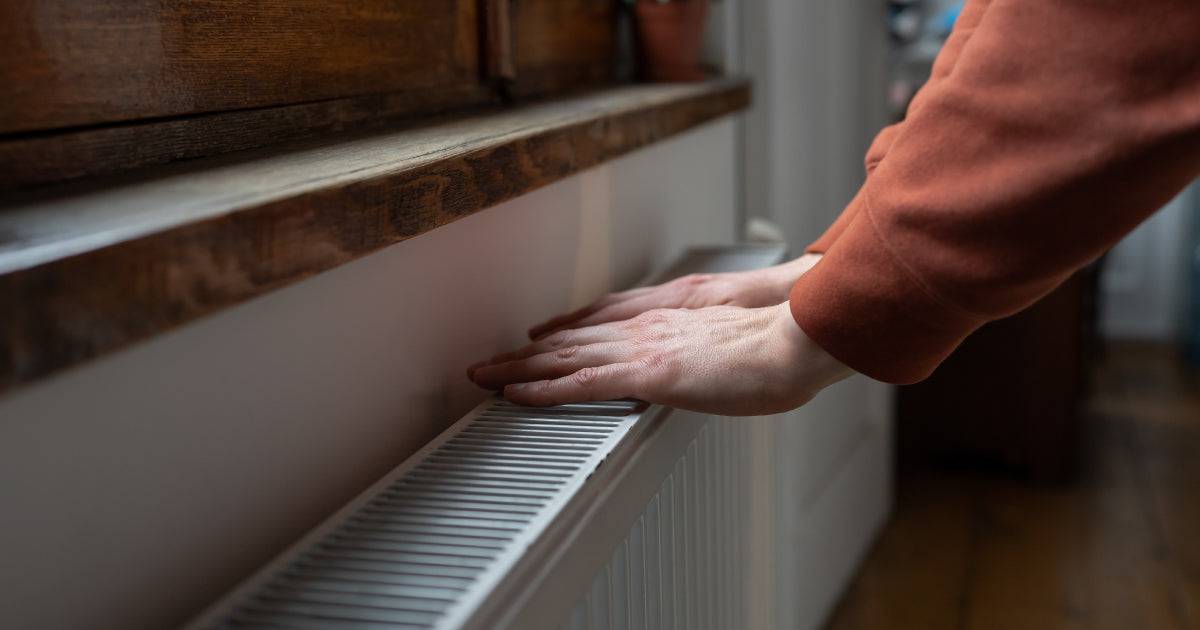
Cold Hands? Cold Feet? Your Circulation Might Be At Fault!

by Antoni Hubert van Beusekom

Cold Hands? Cold Feet? Your Circulation Might Be At Fault!

Do you find that your hands and feet are ice cold all winter long? Even when you wear warm socks and slippers, are your feet still like ice blocks? While chilly weather definitely plays a role, persistent cold hands and feet are often signs of poor blood circulation. When your blood is not flowing properly, it becomes harder for your body to regulate temperature, especially in your extremities. You might also notice numbness, tingling, or a “pins and needles” sensation. All of these can point to underlying circulation issues. The good news is that supporting your blood flow naturally can help you warm up and feel more comfortable all year round. What Causes Cold Hands and Feet? Cold hands and feet are more than just a reaction to the weather. In many cases, they’re your body’s way of signalling poor blood circulation. When blood flow is restricted or sluggish, it becomes difficult for warm, oxygen-rich blood to reach your extremities. This can leave your hands and feet feeling cold, numb, or even painful. Several factors can lead to reduced circulation: An inactive lifestyle or lack of movement Smoking or exposure to toxins High cholesterol or clogged arteries Stress and poor circulation to the skin surface Certain health conditions like diabetes or Raynaud’s disease Identifying the root cause is key to finding long-term relief. Fortunately, there are natural ways to support and improve your body’s blood flow. Common Signs of Poor Circulation Poor circulation doesn't just show up as cold hands and feet. It can affect many areas of your body and overall well-being. Here are some of the most common signs to look out for: Cold hands and feet, even in warm environments Numbness or tingling in your fingers, toes, or limbs Swelling in the lower legs, ankles, or feet Fatigue or low energy, especially during activity Slow wound healing, particularly in the extremities Muscle cramps or pain during movement or at rest Discolouration in your hands, feet, or nails (pale or bluish skin) A red colouration on the sides of your feet leading to your pinky toe. If you notice one or more of these symptoms regularly, your circulation may not be functioning as it should. The good news is that lifestyle changes and a good supplement can make a real difference. How to Improve Blood Circulation Naturally You don’t need to rely on medications to support healthy blood flow. Simple lifestyle changes, combined with natural remedies, can go a long way in improving circulation and overall comfort. Here are a few effective strategies: Get regular exercise, even light movement like walking, to keep blood flowing Stay hydrated to help your blood maintain the right viscosity Eat a balanced diet rich in leafy greens, berries, garlic, and omega-3s Avoid sitting for long periods without moving your legs or feet Manage stress through deep breathing, mindfulness, or gentle stretching Reduce or quit smoking to prevent damage to blood vessels Keep your body warm with layers, especially in cold weather Use Manna Blood Circulation Support Support Your Circulation Naturally Starting Today You don’t have to live with cold hands, cold feet, and poor circulation. With the right support, your body can get back to doing what it’s meant to do: keeping you warm, energized, and feeling your best. Manna Blood Circulation Support can bring the warmth back into your life.

Read more

How to Manage High Blood Pressure Naturally

by Freda Coetzee

How to Manage High Blood Pressure Naturally

High blood pressure is becoming a very commonly diagnosed health issue. But just how worried should we be about it? First off, let’s just get to grips with what high blood pressure, also called hypertension, is all about. Then how to manage high blood pressure naturally… What is hypertension? To simplify it, blood pressure is the force of blood pushing against the arterial walls. When this force becomes too high, the heart has to work much harder to fulfil its duties. This state of high blood pressure is known as “hypertension”. It can lead to various health issues; some of the most common include stroke, heart disease, and kidney disease. Normal blood pressure levels usually fall under 120/80, whilst any higher than this could be an indication of developing hypertension. Symptoms of Hypertension Often the symptoms are not visible from the outside, and many people do not realise they have hypertension. This is why it is often called the silent killer. If it is not treated, it can cause complications with internal organs like the lungs, kidneys, brain, blood vessels, and of course the heart. When it becomes dangerous It is said to be a case of high blood pressure if your average readings indicate a blood pressure level of 140/90 and upwards. If you reach levels higher than 180/110, then you are staring a hypertensive crisis in the eyes! This is when you are in severe danger of having a stroke or a heart attack. When should I check it out High blood pressure is usually found in people 40 and upwards, but that does not mean you get a free pass if you are younger. You should go for regular checkups, at least twice per year. There are some commonly known factors that increase blood pressure, and if not managed correctly may well lead to hypertension. Some of the biggest role players include: Sodium Sodium is found in salt and most salty things, and by making the body retain water, it increases your blood pressure. The recommended daily allowance for sodium is less than 1500mg. Stress It is often the case that stress causes quick spikes in blood pressure levels, but there is no sustainable evidence that it is the cause of hypertension. However, stress might be the cause for other contributing factors like smoking or drinking alcohol. Weight Being overweight plays a big role in blood pressure levels, as it can put severe strain on your heart. That is why it is important to have a diet that helps you control your calories, and preferably cuts out some sugar and carbs. The Manna Diet is an excellent example of the type of eating-lifestyle you should follow. Alcohol Alcohol is definitely not the right thing to grab when you are feeling stressed, as it also increases blood pressure levels. Limit your alcohol intake to only one or two drinks per evening out. Caffeine One or two cups of coffee throughout the day is fine, but don’t overdo it as caffeine is also known to raise blood pressure levels. Pregnancy A specific type of hypertension known as gestational hypertension often takes place in the second half of a woman’s pregnancy. This should be monitored and prevented if possible, otherwise treated as soon as possible as it can be dangerous to the mother as well as the baby. Medicine Flu medicine, steroids, diet pills, pain killers, birth control, and antidepressants are all examples of medicine that often leads to high blood pressure. Be very careful in choosing medication, or better yet, use natural medicine. How can we treat and manage high blood pressure? Relaxation Deep breathing exercises, stretching, and meditation – all these may help you relax. But sometimes it is as simple as sitting in the garden, reading a good book and having a cold glass of iced tea. Or even just a nice long walk on the beach! Exercise It is recommended that you get about 20–30 minutes of exercise per day, but it does not mean you have to join a gym. The key to good exercise is enjoying it. If you enjoy the gym, then go for it. But if you’re not into all the mirrors and treadmills, a power-walk, weekend hike, or even gardening counts! For the best results, try to include some weight training. If you’re not going to the gym, consider investing in dumbbells that suit you. Diet You may be able to lower your blood pressure by switching to a better diet. The Manna Diet involves cutting all sugars and starches, and increasing your intake of fats, meats, salads and vegetables, fish, poultry and nuts. Cutting out coffee and drinking more water is also a great idea. Manna Blood Circulation Support The Manna Blood Circulation Support is specially formulated to help improve blood flow and stabilize blood pressure in the most natural way, WITHOUT any negative side effects. How does it do this? Manna Blood Circulation Support is made from a combination of ingredients that work together to give the best blood circulation boost possible. Let’s see what each of the ingredients do… Ginkgo Biloba Extract Helps improve blood circulation, helping your brain, eyes, and legs function better. L-Arganine Helps lower your blood pressure by relaxing and opening your arteries. L-Citrulline Boosts nitric oxide production in the body. Nitric oxide helps your arteries relax and work better, which improves blood flow throughout your body. Guarana An ingredient containing caffeine which stimulates the circulation of blood.

Read more

How Poor Blood Circulation Affects The Body

by Antoni Hubert van Beusekom

How Poor Blood Circulation Affects The Body

Good blood circulation is important. It carries oxygen and nutrients to every part of your body. When blood flow slows down, your body cannot work as it should. Poor circulation can affect many parts of the body at the same time. This is why the symptoms can feel confusing or unrelated. But they often have one root cause. Why Poor Circulation Affects So Many Areas Your circulatory system runs through your whole body. This means every organ depends on good blood flow to work properly. When blood cannot move freely: Cells do not get enough oxygen Waste is not removed properly Organs cannot function at their best Over time, this can lead to bigger health problems. How Poor Blood Circulation Affects Different Parts of the Body The Brain The brain needs a steady supply of blood. When circulation is poor, it can affect how you think and feel. You may notice: Brain fog Trouble focusing Headaches Dizziness The Heart The heart needs strong blood flow to work well. When it does not get enough, everyday tasks can feel harder. You may notice: Shortness of breath Low energy Feeling tired quickly Over time, poor circulation can also put pressure on your heart. The Liver The liver helps clean your blood and support many body functions. Poor circulation can slow this process. You may notice: Low appetite Pale skin Low energy The Kidneys The kidneys filter waste from your blood. They need good blood flow to do this job properly. You may notice: Swelling in hands, feet, or ankles Feeling tired or bloated Changes in blood pressure The Limbs The hands and feet are often the first place you feel poor circulation. You may notice: Cold hands and feet Tingling or numbness Pins and needles feeling These signs are often ignored, but they are early warnings. What Can You Do to Support Better Circulation? The good news is that you can take simple steps to support your circulation every day. 1. Improve Your Diet A poor diet can lead to buildup in the arteries. This makes it harder for blood to flow. Try to: Cut back on sugar and refined carbs Focus on whole, balanced meals Choose foods that support heart health 2. Move More Often Movement helps push blood through your body. Even small changes can help. Try to: Walk daily Take the stairs Stay active during the day 3. Support Your Circulation From Within Lifestyle changes are important, but sometimes your body needs extra support. Manna Blood Circulation Support helps support healthy blood flow in a natural way. It works with your body to help your blood move more freely. How Manna Blood Circulation Support Helps Manna Blood Circulation Support uses key ingredients that help your blood vessels relax and support better flow. Ginkgo Biloba Extract Helps support circulation by opening blood vessels and improving blood flow. It also supports brain function. L-Arginine and L-Citrulline These amino acids help your body produce nitric oxide. This helps blood vessels relax and improves circulation. Guarana Provides a gentle boost that supports energy and helps you stay active. Benefits of Better Blood Circulation When your circulation improves, you may notice: Better energy levels Clearer thinking Warmer hands and feet Better recovery after activity Support Your Body From Within Poor circulation can affect many parts of your body, but you can take steps to improve it. With the right habits and the right support, you can help your blood flow better every day. Support your circulation with Manna Blood Circulation Support and help your body function the way it should.

Read more

What Causes Poor Blood Circulation?

by Antoni Hubert van Beusekom

What Causes Poor Blood Circulation?

Poor blood circulation is common and affects many people. It can feel like cold hands and feet, tingling, numbness, low energy, or slow healing. These signs may seem small, but they can get worse over time if ignored. Why Is Your Blood Circulation Poor? Poor circulation is usually not caused by one thing. It is often a mix of daily habits, diet, and health issues. When you understand the cause, you can start to improve your blood flow. 10 Common Causes of Poor Blood Circulation 1. Inactive Lifestyle Sitting for long periods and not moving enough can slow blood flow. Your muscles help push blood through your body. Less movement means weaker circulation. 2. Dehydration Not drinking enough water can make your blood thicker. This makes it harder for your heart to move blood around your body. 3. Nutrient Deficiency Your body needs key vitamins and minerals for healthy blood flow. Low levels can weaken your circulation over time. 4. Lymphatic Stagnation When your lymph system slows down, waste can build up. This can affect how fluids move in your body. 5. Inflammation Long-term inflammation can damage blood vessels. This makes it harder for blood to move freely. 6. Cholesterol and Atherosclerosis High cholesterol can cause plaque to build up in your arteries. This narrows the vessels and slows blood flow. 7. High Blood Pressure High blood pressure puts strain on your blood vessels. Over time, this can cause damage. 8. Diabetes and High Blood Sugar High blood sugar can damage blood vessels and nerves. This often affects circulation in the hands and feet. 9. Heavy Metals Toxins like lead can affect how your blood flows and how your body works. 10. Beta Blockers Some medicines can slow your heart rate or narrow blood vessels. This can affect circulation. How Can You Improve Blood Circulation Naturally? There are simple steps you can take each day to support better blood flow: Drink enough water each day Cut back on sugar Support your body’s natural detox process Keep your blood sugar stable with diet and movement Better circulation takes time. Small daily changes can lead to real results. A Simple Way to Support Better Blood Flow Healthy habits are important, but sometimes your body needs extra help. This is where the right support can make a difference. Manna Blood Circulation Support is made to help support healthy blood flow in a natural way. It works with your daily routine to support your circulatory system. How Manna Blood Circulation Support Helps Manna Blood Circulation Support includes ingredients that help your blood vessels relax and support blood flow. Ginkgo Biloba Extract Helps support circulation, especially to the brain and limbs. L-Arginine Helps blood vessels relax so blood can flow more easily. L-Citrulline Supports nitric oxide levels, which help blood vessels work better. Guarana Gives a gentle boost to support circulation and energy. Support Your Circulation Daily Poor circulation will not change overnight, but you can improve it. With the right habits and the right support, you can help your blood flow better. If you have cold hands and feet, low energy, or slow recovery, it may be time to support your circulation from within.

Read more

4 Diets That Harm Blood Circulation

by Freda Coetzee

4 Diets That Harm Blood Circulation

Proper blood circulation is very important, and it can have severe consequences when not managed properly. There are even diets that harm blood circulation and be reduced if you are overweight, have high blood pressure and narrowed arteries. All of these health problems can be a result of dietary causes, many of which are common faults in the average western diet. Four of the most common “diets” that harm blood circulation are… Diets High in Saturated Fat and Cholesterol Saturated fat is found in things like ice cream, hamburgers, butter, and other such fatty foods. If your diet contains a lot of these foods, you probably exceed the 10% of total calories that is recommended for heart health and weight control. Saturated fat can stick to artery walls, especially those damaged by high blood pressure, narrowing the space where blood circulates. Diets High in Sodium Dietary sodium is found in salt added to foods during processing, cooking, or while eating at the table. High levels of sodium can increase your blood pressure, damage your arteries and promote bleeding, blood clots and fatty plaque buildup within arteries. Your daily sodium intake should not exceed 2,300 mg, or 1,500 mg sodium for people with high cardiovascular risk. High Calories Diets high in fat and sodium are usually also high in calories. You may add to that calorie count by eating lots of sweetened foods, which causes you to consume more calories in a day than you should. Low Potassium, Iron and Vitamin B Alongside high fat, sodium, and sugar diets, your consumption of foods that contain beneficial minerals and vitamins may be lower as well. Low potassium levels, which your body needs to balance the effects of sodium, can raise your blood pressure and cause artery problems. Low intake of iron or B vitamins can decrease the amount of red blood cells that help transport oxygen through your body. You may be deficient in these nutrients if you eat more refined grains than whole grains, or if you avoid other plentiful sources such as legumes and leafy green vegetables. Supplement to Improve Blood Circulation The Manna Blood Circulation Support was formulated according to a 30-year study which received a Nobel Prize for medicine. This formulation helps to widen the arteries and increase blood flow, without any side effects.

Read more

Improve Blood Circulation Naturally

by Freda Coetzee

Improve Blood Circulation Naturally

Improve blood flow and maximize health with Manna Blood Circulation Support. This formulation of the highest quality natural ingredients was specifically designed to help improve blood circulation in a completely natural manner. What is Manna Blood Circulation? It is an all-natural supplement free from all major potential allergens, and it is free of any additives. If you look at the ingredients below, you can see why this product is formulated for ultimate enhancement of the vascular system. We only use 4 ingredients in the product to get the highest efficiency from each individual ingredient. Ginkgo Biloba ExtractGinkgo has a long history of use in treating blood disorders and memory issues. It is best known today as a way to potentially keep your memory sharp. Laboratory studies have shown that ginkgo improves blood circulation by opening up blood vessels and making blood less sticky. It is also an antioxidant. L-Arginine and L-Citrulline BlendThis one-two amino acid punch can improve circulation. Scientific studies show the combination of L-Citrulline and L-Arginine increases nitric oxide production for cardiovascular, immune boosting, and sexual health benefits. GuaranaGuarana contains caffeine. Caffeine works by stimulating the central nervous system (CNS), heart, and muscles. What are the benefits of Manna Blood Cirulation Support? Support cardiovascular health by boosting nitric oxide production and helping blood flow more easily throughout the body Support healthy blood pressure and boost the immune system Detoxify the liver and eliminate ammonia from the body Improve sexual stamina and enhance recovery from an intense workout Can I use it with my current medication? Yes, the Blood Circulation is safe to use in conjunction with any other medication, except with certain high blood pressure medications. The product is diabetic friendly and very effective in assisting positive blood flow for diabetics.

Read more

5 Reasons for Poor Blood Circulation

by Freda Coetzee

5 Reasons for Poor Blood Circulation

Poor blood circulation can leave the limbs cold, numb, and sore. It can also lead to serious health issues. Circulation problems often develop silently. Typical early signs include tingling or numbness in the hands and feet, cramping, and changes in skin colour or temperature. Five common causes of poor circulation Arteriosclerosis – Hardening of the arteries, often linked to diabetes, smoking, excess weight, high blood pressure, and high cholesterol. Varicose Veins – Enlarged veins that slow blood flow, causing visible purple bulges and leg discomfort. Thrombophlebitis – Sudden vein inflammation that leads to swelling, discolouration, and pain in the legs. Niacin Deficiency – Low niacin can impair circulation; meat, eggs, and dairy supply this B‑vitamin. Other Factors – Liver, kidney, or lung disease; extreme cold; tobacco smoke; excess alcohol or caffeine. Natural ways to improve blood flow Hydration – Drink plenty of clean water. Cut Sugar – Lower sugar for smoother blood flow. Detox – Support your body in clearing toxins. Balance Blood Sugar – Combine diet, exercise, and Manna Blood Sugar Support.  Supplement Wisely – Manna Blood Circulation Support  naturally boosts circulation without side effects. How Manna Blood Circulation Support works Ginkgo Biloba – Enhances blood flow to the brain, eyes, and limbs. L‑Arginine – Relaxes arteries, helping lower blood pressure. L‑Citrulline – Raises nitric oxide, improving arterial flexibility. Guarana – Natural caffeine stimulates circulation.

Read more

Foods That Boost Blood Circulation

by Freda Coetzee

Foods That Boost Blood Circulation

Poor blood circulation can leave the limbs cold, numb, and sore. Not to mention that it can lead to other serious health issues. Poor blood circulation can be caused by genetics or medical conditions, but it’s often linked to lifestyle choices. Diet, exercise, and smart supplementation can help boost circulation naturally. Foods that support better blood circulation: Citrus Fruits – Rich in vitamin C, a natural blood thinner. Try grapefruit, kiwis, papaya, tangerines, strawberries, and oranges. Nuts and Seeds – High in vitamin E, which helps prevent blood clots. Choose walnuts, almonds, pumpkin seeds, and sunflower seeds. Spices and Herbs – Cayenne pepper boosts blood flow by raising body temperature, and turmeric acts as a blood-thinning antioxidant. Garlic and Onions – Support clear arteries and reduce cholesterol, aiding smoother blood flow. Lycopene-rich foods – Found in red/pink fruits like watermelon, tomatoes, and guava, lycopene supports artery health. Other natural ways to improve blood circulation: Stay Hydrated – Drink clean water regularly. Reduce Sugar – Lowering sugar improves blood flow and overall cardiovascular health. Detox – Help your body flush out harmful toxins. Balance Blood Sugar – Use Manna Blood Sugar Support with a healthy diet and exercise to stabilize blood sugar levels. Try Manna Blood Circulation Support – This natural supplement improves blood flow without negative side effects. How Manna Blood Circulation Support works Manna Blood Sugar support blends several powerful ingredients that work synergistically: Ginkgo Biloba Extract – Enhances circulation to the brain, eyes, and limbs. L-Arginine – Lowers blood pressure by relaxing and opening arteries. L-Citrulline – Boosts nitric oxide to improve arterial flexibility and blood flow. Guarana – A caffeine-containing stimulant that promotes blood circulation.

Read more

Treating Poor Blood Circulation Effectively

by Freda Coetzee

Treating Poor Blood Circulation Effectively

Blood circulation can leave hands and feet feeling cold, numb, and in pain. But what exactly is it? And more importantly, how do you treat poor blood circulation effectively? What is Poor Blood Circulation? Blood circulation is impaired when blood flow to the legs, hands, fingers, feet, or toes is restricted. This may be due to blockages from fatty substances like plaque, which stick to blood vessel walls. Other contributing factors include disrupted nerve signals or chemical substances like nicotine in the blood. Potential Health Issues from Poor Circulation: Hypertension (High blood pressure) Stroke Perforated arteries Heart disease Kidney damage Burning sensation in the feet Causes of Poor Blood Circulation Lifestyle Factors: Smoking Alcohol consumption High caffeine intake Poor dietary habits Lack of exercise Prolonged squatting or poor posture Medical Conditions: Diabetes High blood pressure High cholesterol Obesity Heart disease Blood vessel disorders Hardening of the arteries Nerve and thyroid issues Asthma and bronchitis Pregnancy Eating disorders Food allergies Effects of Poor Blood Circulation Since the bloodstream carries vital substances, chronic poor circulation can impact the entire body: The Brain: Fatigue, light-headedness, memory loss, headaches The Heart: Shortness of breath, risk of heart failure or heart attack The Liver: Appetite loss, weight loss, skin discoloration The Kidneys: Swelling in hands, feet, ankles The Limbs: Cramps, numbness Symptoms of Poor Circulation Cold hands and feet Itching, especially in legs and feet Dizziness Muscle cramps Numbness in extremities Swelling in extremities Sores or blisters Pale, blue, or red skin tone Exercise-induced cramps Slow-healing wounds Irregular heartbeat Memory issues Fatigue Treating Poor Blood Circulation Naturally Follow a balanced, low-fat, high-fiber diet like the Manna Low GI plan Avoid alcohol, caffeine, sugary and fatty foods Exercise regularly (e.g., walking, swimming, cycling) Drink 2L of water daily Get enough sleep Lose weight if needed Quit smoking Foods That Improve Circulation: Fresh fruits and vegetables (especially oranges for bioflavonoids) Nuts (rich in vitamin B3) Garlic Recommended Natural Supplements: Manna Blood Circulation Support contains ingredients that naturally enhance blood flow: Ginkgo Biloba Extract: Supports circulation to the brain, eyes, and legs L-Arginine: Helps relax arteries and lower blood pressure L-Citrulline: Increases nitric oxide for improved circulation Guarana: Naturally stimulates circulation

Read more

7 Tips For Better Blood Circulation

by Freda Coetzee

7 Tips For Better Blood Circulation

1. Get up and active Any form of physical activity can contribute to better blood circulation. You don’t have to spend 3 hours a day in the gym. Just go for a walk along the beach or in a park. Take the family for a hike over the weekend. Take your partner dancing. You can even get a jump rope and start reliving your young days. Just get up and start moving! 2. Rub it in I’m talking about a nice deep-body massage. The rubbing, tugging, pulling, and stretching that you get from a proper massage is a great way to get the blood flowing throughout your body. And it’s also a great excuse to spoil yourself. 3. Take a deep breath Deep breathing is unbelievably helpful. It can get more oxygen floating around in your body. Do deep breathing exercises to help increase your normal breathing. Most of us are used to taking shallow breaths, whilst we should always be breathing as if we have just run 5km. 4. Eat for results I don’t mean to say that you should eat until you can see a food baby, not those kinds of results. Eating the right food to boost blood circulation can be very helpful. Eat things like fruits with loads of vitamin C, beans, lentils, red meat, and green vegetables. 5. Spice it up Adding things like chilli, turmeric, cayenne, and ginger to your food can help get the blood pumping. This is a great way to sit around and work up a sweat! 6. Get your shower on For the best results, you should start off with a hot shower so the blood can go to your skin, then turn on only the cold water so that the blood will go to the organs to keep them warm, then when you are done turn the hot water back on so that the blood rushes to your skin again. 7. Manna Blood Circulation Support This supplement can be life-changing. The Manna Blood Circulation Support is specially formulated to help improve blood flow in the most natural way, without any negative side effects. How does it do this? Manna Blood Circulation Support is made from a combination of ingredients that work together to give the best blood circulation boost possible. Let’s see what each of the ingredients do: Ginkgo Biloba Extract – Helps improve blood circulation, helping your brain, eyes, and legs function better. L-Arginine – Helps lower your blood pressure by relaxing and opening your arteries. L-Citrulline – Boosts nitric oxide production in the body. Nitric oxide helps your arteries relax and work better, which improves blood flow throughout your body. Guarana – An ingredient containing caffeine which stimulates the circulation of blood. See what our customers say about Manna Blood Circulation Support: I’ve been on this course for about 7 days and find I’m not waking up with headaches anymore which happened every morning for many years. I also had chest pains 24/7 and that’s all gone. My energy levels have also improved tremendously. Being a polio victim my feet are constantly cold and that also has improved. – Jane I start using the blood circulation support product for over a month now and all I can say is I feel great. No more numbness feeling in the legs. Awesome. – Liana I was taking Blood Circulation Support for about three months and felt good and then I stopped taking it but noticed that in the mornings my feet were cold and the blood was not flowing to my toes. So I have started taking it again (for about a week now) and have noticed that my toes are doing much better again. I also seem to have more energy. – Lindsey Improve your blood circulation NOW with Manna Blood Circulation Support and get it from any of these stores or websites:

Read more

Why Good Blood Circulation is Important?

by Freda Coetzee

Why Good Blood Circulation is Important?

Blood circulation is part of just about every function in the body. Therefore, it is critical for your overall health to make sure that your blood circulation is as good as it can be. The heart pumps blood through the blood vessels throughout the body, transporting the red blood cells to perform their different tasks like transporting oxygen to the organs which provide us with energy to carry out tasks. Why is good blood circulation so important? Better blood circulation can benefit the heart, other muscles in the body, and the arteries. Improved blood circulation means more oxygen in the body, which means that you feel full of energy and can be more productive. This then means you also have more energy to work out, which incidentally helps increase blood circulation! What causes poor blood circulation? Common causes of poor blood circulation include medical conditions like heart disease, deep vein thrombosis, diabetes, Raynaud’s Disease, and worst of all – a blood clot. The 3 main benefits of good blood circulation are… Increased blood flow to vital areas promotes cell growth and organ function. Healthy skin benefits from improved circulation, helping it fight off bacteria and infections. When your heart works efficiently, your heart rate lowers, your heart muscles relax, and blood pressure flows smoothly. Diabetes and blood circulation: Diabetes increases your risk of various complications, especially poor circulation in the feet and legs. Regular check-ups and exercise are essential to maintain healthy blood flow and prevent further issues. How can I treat poor blood circulation? Poor circulation can be improved with a combination of healthy lifestyle changes, including: Diet: Cut out excess carbohydrates and sugars to reduce plaque buildup in the arteries. Follow a balanced, low-GI diet like the Manna Diet to support long-term cardiovascular health. Exercise: Physical activity is crucial. Start with small changes, like taking the stairs, and work up to 20–30 minutes of intense exercise at least 3 times a week. Natural Supplements: Natural options like Manna Blood Circulation Support can help increase blood flow by supporting artery function without side effects. How does Manna Blood Circulation Support work? It uses key ingredients that work together to naturally boost blood circulation. Here’s how: Ginkgo Biloba Extract:Traditionally used for blood disorders and memory. It improves circulation by opening blood vessels and reducing stickiness in the blood. Also acts as an antioxidant. Amino acids: L-Arginine and L-Citrulline:This combination increases Nitric Oxide production, improving cardiovascular health, immune function, and even sexual health. Guarana:Contains caffeine, which stimulates the central nervous system, heart, and muscles, aiding energy and circulation. What are the benefits of Manna Blood Circulation Support? Supports cardiovascular health by boosting nitric oxide and blood flow. Helps regulate blood pressure and boosts the immune system. Detoxifies the liver and removes ammonia from the body. Improves stamina and recovery after exercise.

Read more

The Warning Signs of Poor Blood Circulation

by Freda Coetzee

The Warning Signs of Poor Blood Circulation

Poor blood circulation is the start of numerous other health problems. Symptoms and signs of poor blood circulation often only show up after the problem is well-established, which can make it dangerous and difficult to treat. What causes poor blood circulation? Low blood circulation is caused by different underlying conditions. The most common ones are atherosclerosis (“hardening of the arteries) and peripheral artery disease (PAD). If you experience symptoms of blood circulation problems, consult your physician right away. Poor circulation can lead to heart attack, stroke and even death. What are the signs of poor blood circulation? Symptoms of poor blood circulation mostly occur in the hands, feet, arms, and legs. Here are 8 signs to look out for… Leg Pain While WalkingA common symptom of poor blood circulation is pain or cramping of your leg or hip muscles. This is felt while walking, climbing stairs or another similar physical activity. This is a condition called intermittent claudication, which is a sign of PAD. Numbness and WeaknessYour arms or legs may feel weak or numb. This can happen while you are moving, or even sitting still.If these symptoms in your arms and legs come about suddenly and are accompanied by impaired or slurred speech and drooping facial muscles, you may have low blood circulation to your brain due to atherosclerosis.Poor circulation in the arteries which supply blood to the brain can cause a stroke. Coldness and SwellingIf your feet, hands or lower legs feel cold all the time for no apparent reason – it is a sign of poor blood circulation.Low blood circulation due to PAD or atherosclerosis tends to produce coldness in one foot, hand or leg more than the other. You could also notice swelling in your extremities due to poor circulation, particularly in your legs and feet. Non-healing SoresSores on your feet or legs that don’t seem to heal are a common sign. You may also notice that ulcers or infections in your legs and feet heal very slowly.You may also notice that you’re losing hair on your legs and feet or that your hair is growing slower than normal. Your toenails may grow slowly as well. Changes in Skin ColourPoor circulation can cause your skin in your arms, hands, legs, and feet to change colour. You may notice that your skin looks “shiny”.Your legs and feet may turn pale or bluish in colour, due to the poor blood and oxygen delivery to your extremities. Weak Pulse in Your LegsPoor blood circulation due to atherosclerosis or PAD can cause your pulse to become weak in your feet or legs.When the pulse in your limbs is weak or absent, this means that there is little or no blood circulation to these areas.The most common method that doctors use to determine blood flow problems is to check your pulse in the leg and groin areas. Chest PainChest pain or angina, and other symptoms of a heart attack are signs of poor blood circulation in the arteries to your heart.This may be a sign of atherosclerosis in these arteries. If you have chest pain, you should see your doctor right away to prevent a potentially life-threatening medical problem. Erectile DysfunctionIf you’re a man, experiencing erectile dysfunction can be a sign of low blood circulation.Erectile problems can indicate poor blood flow to your groin and lower extremities due to one or more blocked, clogged, or narrowed arteries. Want to improve your blood circulation naturally? There are some easy steps you can take to improve your blood circulation… Stay Hydrated –Drink enough good, clean water. Reduce Your Sugar Intake –Cut out sugar in order to get your blood to flow more freely. Detoxify Your Body –To get rid of toxins that are floating around in your body. Balance Your Blood Sugar Level –With the right diet, exercis, and the Manna Blood Sugar Support, you can keep your blood sugar level. Use Manna Blood Circulation Support –The Manna Blood Circulation Support is specially formulated to help improve blood flow in the most natural way, WITHOUT any negative side effects. How does Manna Blood Circulation work? Manna Blood Circulation Support is made from a combination of ingredients that work together to give the best blood circulation boost possible. Let’s see what each of the ingredients do… Ginkgo Biloba Extract Helps improve blood circulation, helping your brain, eyes, and legs function better. L-Arganine Helps lower your blood pressure by relaxing and opening your arteries. L-Citrulline Boosts nitric oxide production in the body. Nitric oxide helps your arteries relax and work better, which improves blood flow throughout your body. Guarana An ingredient containing caffeine which stimulates the circulation of blood.

Read more